PulseAugur / Brief
EN
LIVE 14:02:34

Brief

last 24h
[3/3] 221 sources

Multi-source AI news clustered, deduplicated, and scored 0–100 across authority, cluster strength, headline signal, and time decay.

  1. Anthropic Just Bought the Company That Builds OpenAI’s SDKs. Nobody’s Saying It Out Loud Yet.

    A new acquisition by Anthropic involves the company that develops SDK compilers used by major AI players like OpenAI, Google, and Meta. This move suggests a strategic consolidation of AI infrastructure. Meanwhile, developers are facing significant cost issues with AI agents due to inefficient prompt management, leading to what's termed 'token bloat' or 'token spirals' that can rapidly deplete budgets. AI
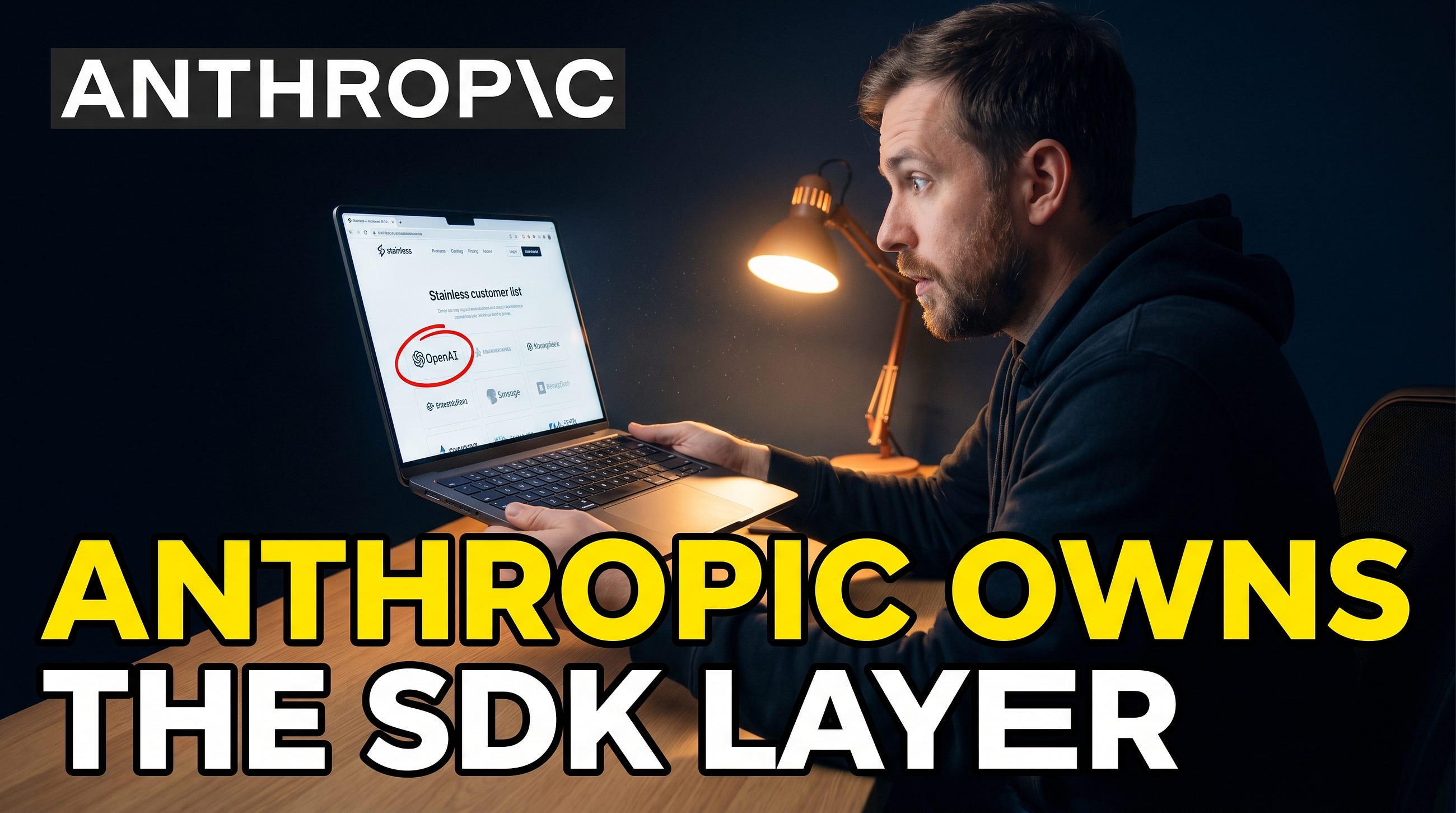
    Anthropic Just Bought the Company That Builds OpenAI’s SDKs. Nobody’s Saying It Out Loud Yet.

    IMPACT Consolidation of AI infrastructure may streamline development, while inefficient agent design poses significant cost risks for operators.
  2. The Token Spiral: How One Runaway AI Agent Burned $2,847 in 4 Hours

    A development team recently experienced a significant financial loss of $2,847 within four hours due to an AI agent caught in a "token spiral." This issue, where an agent repeatedly hallucinates and attempts to correct invalid outputs with an LLM, goes undetected by traditional monitoring tools that focus on system-level metrics like HTTP status codes and latency. To prevent such costly failures, the article advocates for runtime cost enforcement and per-customer cost attribution, suggesting tools like LLMeter for open-source solutions. AI

    IMPACT Highlights a critical cost-management challenge for AI agents, necessitating new monitoring and circuit-breaker tools.

  3. Oklahoma Law Opens New Front in AI Data Center Power Fight

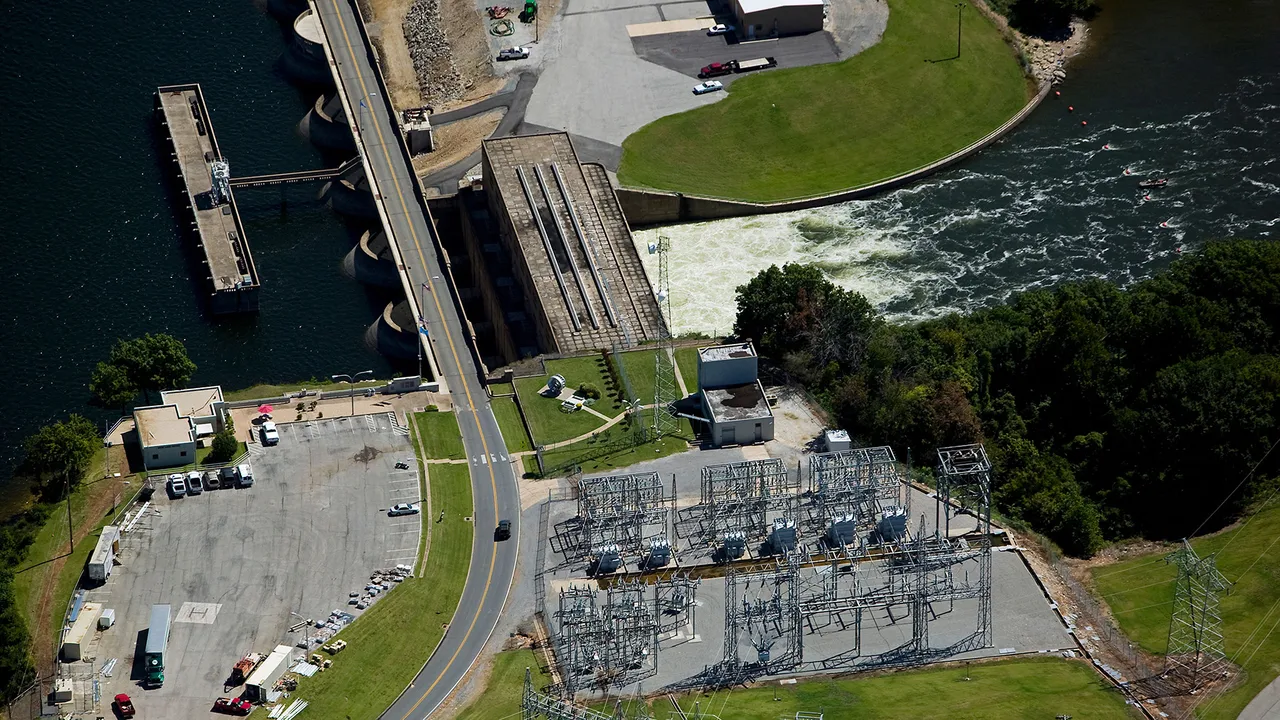
    Oklahoma has enacted new legislation, House Bill 2992, to protect residential utility customers from the rising electricity costs associated with large AI and hyperscale data centers. The law mandates that new, large-load customers (consuming 75 MW or more) must enter into long-term agreements to cover the infrastructure costs their projects necessitate. This move by Governor Kevin Stitt reflects a broader trend of states intervening to ensure that the significant power demands of AI infrastructure are borne by the users driving that demand, rather than by the general rate base. AI

    Oklahoma Law Opens New Front in AI Data Center Power Fight

    IMPACT Accelerates a trend of states enacting regulations to manage the grid impact and costs of AI infrastructure.