PulseAugur / Brief
EN
LIVE 11:48:58

Brief

last 24h
[8/8] 224 sources

Multi-source AI news clustered, deduplicated, and scored 0–100 across authority, cluster strength, headline signal, and time decay.

  1. Stephen Miran, Trump’s economic guru, is leaving the Fed. What happens now?

    Stephen Miran, who previously advised Donald Trump on economic matters, has resigned from the US Federal Reserve board. His departure was anticipated and is seen as a procedural step to facilitate a leadership transition at the Fed. Market observers are now speculating about Miran's future, with possibilities including a return to public service or re-entry into the private sector. AI

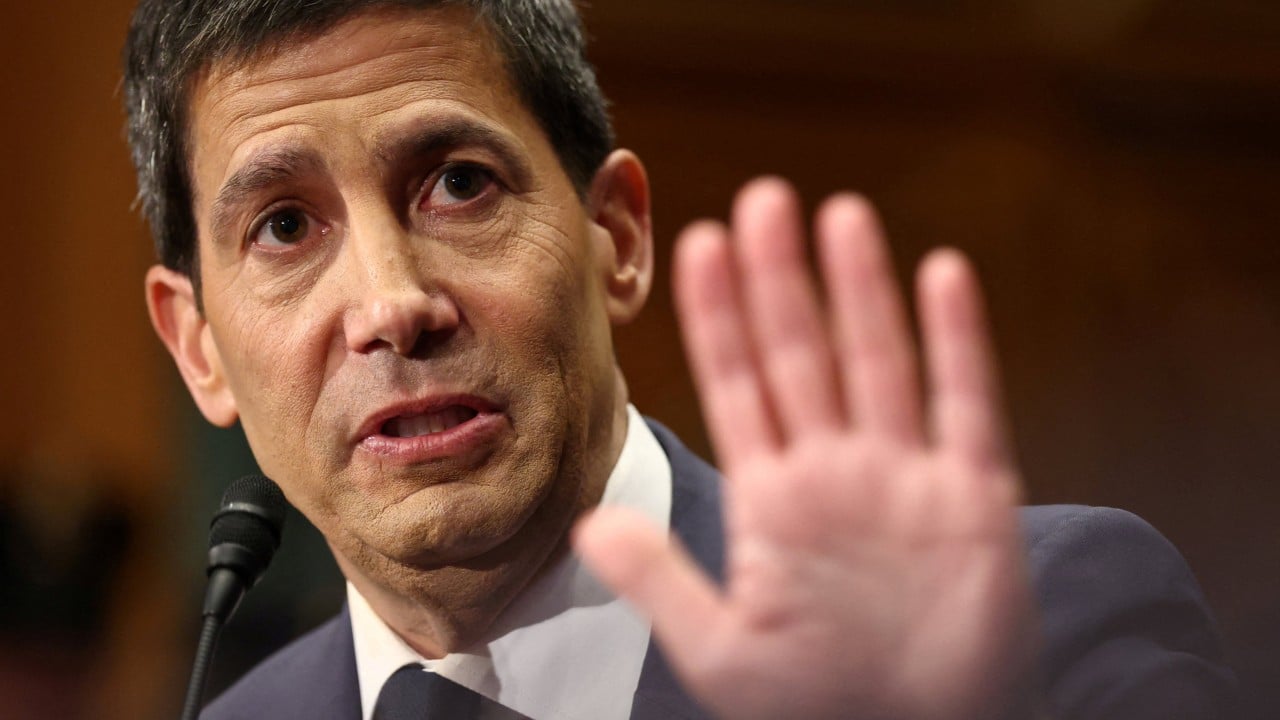
    Stephen Miran, Trump’s economic guru, is leaving the Fed. What happens now?
  2. Is China set to benefit from new US Fed chair Kevin Warsh’s policy vision?

    Kevin Warsh's potential appointment as the new US Federal Reserve chair is sparking debate about its implications for China and global markets. Some analysts believe his policies, focused on deregulation and technological openness, could intensify competition with China. Others caution that perceived political interference might lead to a capital shift away from US assets, potentially benefiting China. AI

    Is China set to benefit from new US Fed chair Kevin Warsh’s policy vision?

    IMPACT Warsh's proposed policies include leveraging AI for productivity gains, suggesting a potential future impact on AI's role in economic strategy.

  3. German Association of the Automotive Industry: German automotive industry could lose another 125,000 jobs by 2035

    The German Association of the Automotive Industry predicts a potential loss of 125,000 jobs by 2035 due to industry transformation, a deteriorating business environment in Germany, and increased international competition. Separately, market predictions indicate a 35% chance of a US Federal Reserve interest rate hike before 2027, driven by higher-than-expected inflation and uncertainty about prolonged high interest rates. Additionally, news includes the launch of a humanoid mecha by Unitree starting at 3.9 million yuan, WeChat confirming it will not develop read-receipt or visitor features, and an upcoming increase in domestic flight fuel surcharges. AI

  4. Citigroup: Japan may use up to 30 trillion yen for foreign exchange intervention

    Citigroup strategists predict Japan may intervene in currency markets with up to 30 trillion yen, following an initial 10 trillion yen expenditure. This potential intervention is supported by Japan's substantial foreign exchange reserves. In other news, UBS maintains its year-end price targets for gold and silver at $5600 and $100 per ounce, respectively, citing persistent fundamental support from inflation and stable interest rates. AI

  5. UBS still expects gold prices to reach $5,600 per ounce by year-end, and silver prices to reach $100.

    UBS maintains its year-end price targets for gold at $5,600 per ounce and silver at $100 per ounce, citing strong fundamental support from rising inflation and stable interest rates. The bank notes that central banks are unlikely to halt their gold purchases, and investor diversification strategies continue to bolster precious metal prices. In a separate development, AVIC Civil Aircraft Airborne System Engineering Center's registered capital has surged to 5 billion RMB following the addition of AVIC Group as a shareholder, expanding its scope to include aircraft component design and manufacturing. AI

    IMPACT Minimal direct impact on AI operators; focuses on financial markets and aerospace industry capital changes.

  6. Australia’s interest rate rise signals growing hawkish stance in Asia

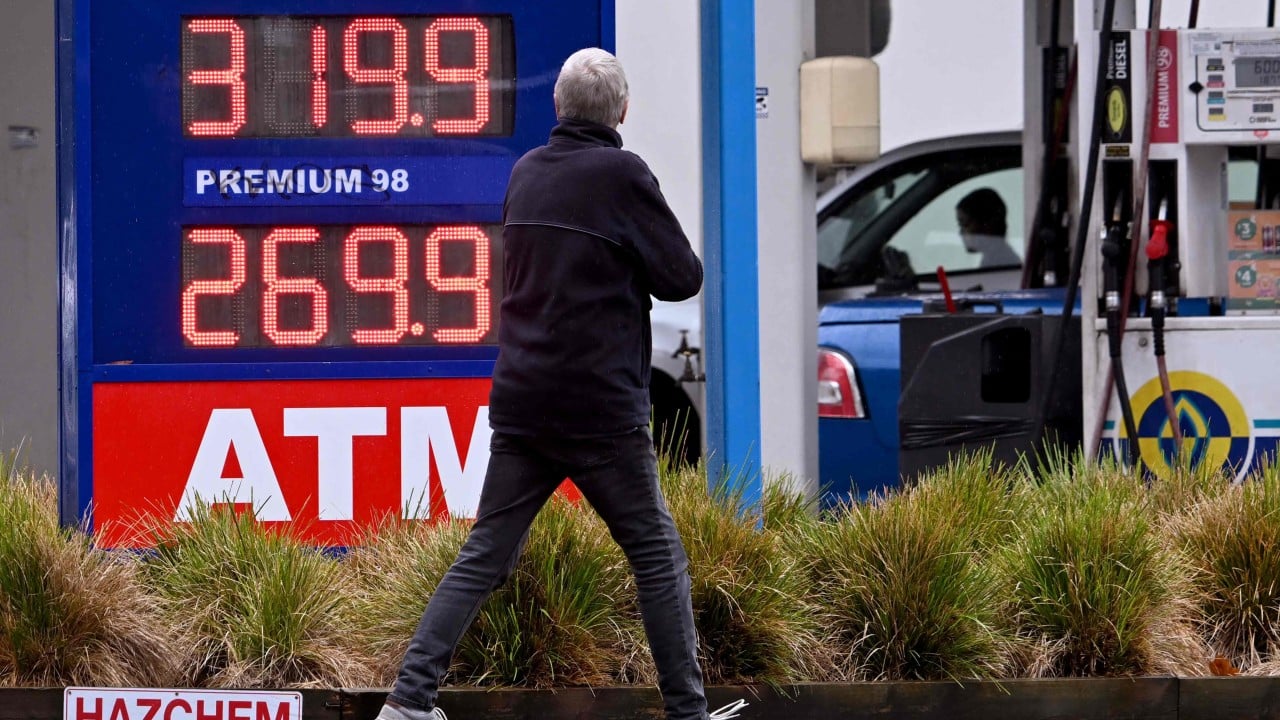
    Australia's central bank has raised interest rates, signaling a more hawkish monetary policy stance in Asia. This decision contrasts with the wait-and-see approach adopted by major central banks like the US Federal Reserve and the European Central Bank. The Reserve Bank of Australia cited rising fuel prices and their potential to broadly impact inflation as key reasons for tightening policy, despite conventional wisdom suggesting central banks should look past supply shocks. AI

    Australia’s interest rate rise signals growing hawkish stance in Asia
  7. South Korea's KOSPI Index Closes Up 5.12%, Reaching a New Historical High

    The South Korean KOSPI index closed with a significant gain of 5.12%, reaching a new historical high of 6936.99 points. This surge occurred amidst broader financial news, including Barclays' revised forecast for the US Federal Reserve to maintain interest rates unchanged through 2026, a shift from their previous expectation of a September rate cut. The article also touches on broader themes of technological development and financial market sentiment. AI

  8. This Is the Worst Career Decision You Can Make Right Now

    A recent analysis from The Algorithmic Bridge highlights a significant career misstep for individuals in the current economic climate. The author, Alberto Romero, points to new research from the US Federal Reserve as the basis for this warning. The piece delves into the cultural, philosophical, and business implications of this career decision. AI

    This Is the Worst Career Decision You Can Make Right Now

    IMPACT Offers insights into career strategy amidst economic shifts influenced by AI.