PulseAugur / Brief
EN
LIVE 05:49:16

Brief

last 24h
[17/17] 221 sources

Multi-source AI news clustered, deduplicated, and scored 0–100 across authority, cluster strength, headline signal, and time decay.

  1. U.S. national debt officially hits $39 trillion—adding approximately $5 billion a day since October

    The U.S. national debt has surpassed $39 trillion, with approximately $5 billion added daily since October. This milestone raises concerns about the debt-to-GDP ratio, which currently stands at 123%. Financial leaders like Ray Dalio and Jamie Dimon have warned of potential economic crises due to escalating interest payments, while Maya MacGuineas emphasizes the urgent need for deficit reduction. AI
    U.S. national debt officially hits $39 trillion—adding approximately $5 billion a day since October
  2. Trump says U.S. and Iran nearing a peace deal. And, Pope Leo weighs in on AI's rise https://www.npr.org/2026/05/25/g-s1-124191/up-first-newsletter-iran-war-trum

    Pope Leo has commented on the increasing prevalence and impact of artificial intelligence. The pontiff's remarks touch upon the societal implications of AI's growing influence. This news comes alongside reports of a potential peace deal between the U.S. and Iran. AI

    IMPACT Public figures are beginning to weigh in on the societal implications of AI.

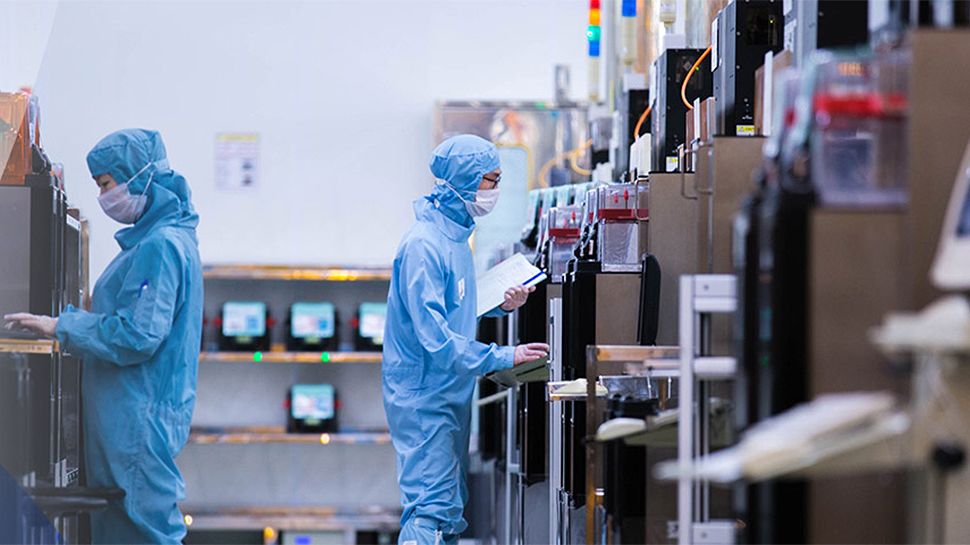
  3. SMIC founder and AMEC CEO urge Chinese fabs to test domestic chipmaking tools on active production lines — equipment makers post record revenue but falling margins

    SMIC founder Richard Chang and AMEC CEO Gerald Yin are urging Chinese semiconductor manufacturers to test domestic chipmaking equipment on their active production lines. This call comes as Chinese equipment vendors achieved record revenues in 2025, but are experiencing declining profit margins due to intense domestic price competition. While localization has advanced in mature-node tools, lithography remains a significant bottleneck with no immediate domestic solution, all under tightening U.S. export controls. AI

    SMIC founder and AMEC CEO urge Chinese fabs to test domestic chipmaking tools on active production lines — equipment makers post record revenue but falling margins

    IMPACT Accelerates domestic AI hardware development by pushing for wider adoption of Chinese semiconductor manufacturing tools.

  4. Securing The Internet’s Humanity

    The internet is becoming increasingly populated by AI agents, raising concerns about distinguishing human from non-human traffic. This shift poses significant risks, including a $40 billion projection for GenAI fraud losses in the U.S. by 2027 and an estimated $63 billion in wasted ad spend due to invalid traffic. While some AI-driven traffic shows commercial promise, advertisers struggle to differentiate between genuine human buyers and AI agents, leading to misallocated resources. Furthermore, increased chatbot usage correlates with loneliness and emotional dependence, and a rise in social media scams highlights the erosion of trust and the need for better auditability of AI interactions. AI

    Securing The Internet’s Humanity

    IMPACT AI agents are fundamentally altering internet traffic, creating new avenues for fraud and impacting advertising effectiveness and human connection.

  5. The U.S. campaigned to host the World Cup. Now soccer fans will trade their countries’ train system for the U.S.’s ‘D’ rated infrastructure

    As the 2026 World Cup approaches, the U.S. is facing scrutiny over its infrastructure, which is rated poorly by engineers. Viral memes referencing 'The Sopranos' highlight the stark contrast between the U.S. system and the superior public transit found in other host countries. Officials are scrambling to address transportation challenges, including a controversial decision to use school buses for shuttling fans to MetLife Stadium. AI

    The U.S. campaigned to host the World Cup. Now soccer fans will trade their countries’ train system for the U.S.’s ‘D’ rated infrastructure
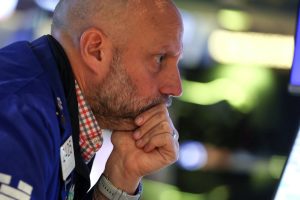
  6. The 30-year Treasury yield just hit a level it hasn’t seen since before the Great Recession. Do the bond vigilantes ride again?

    The 30-year Treasury yield has surged to its highest point since before the Great Recession, reaching 5.198%. While some analysts dismiss the idea of "bond vigilantes" influencing this rise, others point to significant uncertainty about future inflation as a primary driver. Geopolitical events like the Strait of Hormuz closure and concerns over potential Federal Reserve policy under Kevin Warsh are also contributing factors to investor apprehension. AI

    The 30-year Treasury yield just hit a level it hasn’t seen since before the Great Recession. Do the bond vigilantes ride again?
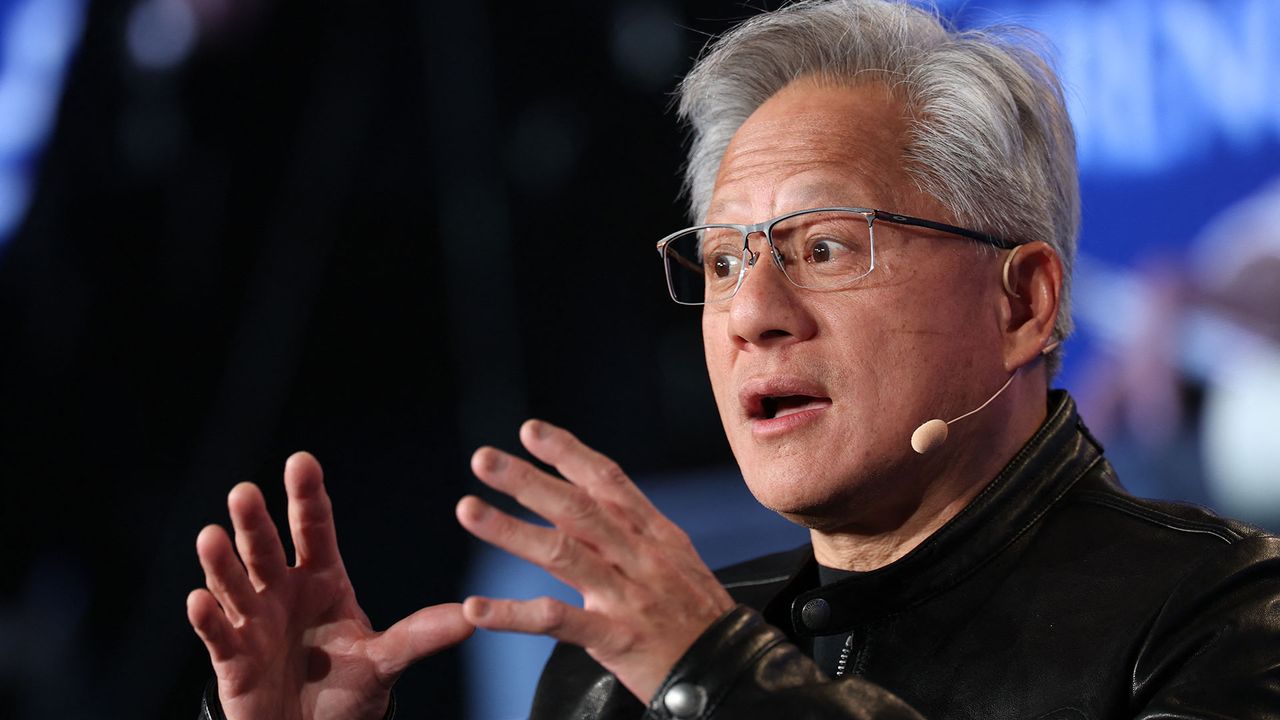
  7. After $2.5 billion Supermicro smuggling bust, Nvidia CEO urges company to fix export control compliance — Taiwan also begins to crack down on AI GPU chip smuggling to China

    Nvidia CEO Jensen Huang has urged Super Micro Computer to enhance its export compliance following a significant smuggling bust. This call comes after U.S. prosecutors charged Supermicro's co-founder with a conspiracy to smuggle approximately $2.5 billion worth of Nvidia-equipped servers to China. Taiwan has also initiated a crackdown on illicit AI hardware exports, with three suspects identified for fraudulent declarations involving Super Micro servers and Nvidia chips destined for China. AI

    After $2.5 billion Supermicro smuggling bust, Nvidia CEO urges company to fix export control compliance — Taiwan also begins to crack down on AI GPU chip smuggling to China

    IMPACT Reinforces the critical need for robust export control compliance in the AI hardware supply chain, impacting global distribution and market access.

  8. The definitive guide to trade wars just dropped. Its authors have one message for Washington: Study your enemy

    Soumaya Keynes and Chad Bown have released a new book, "How to Win a Trade War," offering a historical framework for understanding U.S.-China trade relations. The book argues that the U.S. is ill-equipped to handle the current economic rivalry with China, particularly regarding industrial policy. Keynes and Bown highlight China's success in dominating markets like electric vehicles through a combination of R&D funding and state-directed demand, contrasting it with U.S. approaches like the CHIPS Act, which they argue lacked sufficient demand-side support. AI

    The definitive guide to trade wars just dropped. Its authors have one message for Washington: Study your enemy
  9. A new personal finance experience in ChatGPT

    OpenAI has launched a preview of a new personal finance feature within ChatGPT for its U.S. Pro subscribers. This feature allows users to securely connect their financial accounts via Plaid, enabling ChatGPT to provide personalized financial insights and guidance based on their specific balances, transactions, and investments. While OpenAI emphasizes user control over data and limitations on what the AI can access, concerns remain regarding the privacy and security of sensitive financial information. AI

    IMPACT Expands AI's role into personal finance, raising user trust and data privacy questions for sensitive financial information.

  10. Agentic Chunking and Bayesian De-chunking of AI Generated Fuzzy Cognitive Maps: A Model of the Thucydides Trap

    A new paper from Anthropic and research from arXiv explore the complex relationship between US and Chinese AI development, challenging the notion of a simple race. While the US currently leads in frontier AI, the research highlights deep interconnections in talent, research, and shared inspiration between the two nations' AI ecosystems. Despite geopolitical tensions and calls for export controls, collaboration remains significant, with both countries adopting algorithms and inspiration from each other. Public perception also differs, with China showing greater optimism towards AI compared to the US, a sentiment potentially rooted in historical economic transformations. AI

    Agentic Chunking and Bayesian De-chunking of AI Generated Fuzzy Cognitive Maps: A Model of the Thucydides Trap

    IMPACT Highlights the complex, collaborative nature of AI development between the US and China, challenging simplistic notions of a competitive race.

  11. Lisa Su speaks in Shanghai: AI is redefining every layer of computing

    China's AI and semiconductor industries are experiencing significant growth, fueled by substantial state investment and a push for domestic technological independence. Companies like DeepSeek are receiving massive funding from government-backed entities, aiming to compete with global leaders like Nvidia. This surge is accompanied by efforts to develop and integrate advanced AI models, such as DeepSeek's V4, into domestic hardware, while also navigating complex US export controls and potential bans on certain chips. AI

    Lisa Su speaks in Shanghai: AI is redefining every layer of computing

    IMPACT China's state-backed AI investment and domestic chip development signal a growing challenge to US dominance, potentially reshaping global supply chains and competition.

  12. CIA director visits Cuba for rare meeting as island runs out of fuel

    President Trump has made conflicting statements regarding intervention in Cuba, suggesting he might be the one to act while also downplaying the necessity of escalation. Concurrently, CIA Director John Ratcliffe visited Cuba for high-level meetings, emphasizing that cooperation is contingent on fundamental governmental changes, amidst the island's severe fuel and economic crisis exacerbated by U.S. sanctions. These diplomatic efforts occur as Cuba releases a political prisoner and faces critical shortages, signaling a potential shift in U.S.-Cuba relations. AI

    CIA director visits Cuba for rare meeting as island runs out of fuel
  13. China blocks Meta's acquisition of AI startup Manus

    China's National Development and Reform Commission has officially blocked Meta's $2 billion acquisition of AI startup Manus. The regulator cited concerns over core technology, data security, and compliance with foreign investment rules, emphasizing that an AI developed in China should not be sold to a US tech giant under a foreign shell. Despite Meta's assertion that the transaction complied with all laws, the decision has created uncertainty for Manus employees who had already relocated and integrated with Meta's Singapore operations. AI

    China blocks Meta's acquisition of AI startup Manus

    IMPACT This regulatory action highlights geopolitical risks in AI M&A and may deter 'Singapore-washing' strategies for Chinese-founded tech firms.

  14. ‘We will not be intimidated into silence’: George Soros foundation pledges $300 million toward democratic rights

    The Open Society Foundations, led by Alex Soros, have announced a $300 million, five-year commitment to bolster democratic rights and economic security within the United States. This initiative aims to defend the rule of law, advance civil rights, and promote economic well-being for the working class through strategic litigation and policy development. The foundation stated it will not be deterred by political pressure or accusations from the Trump administration, continuing its work to support vulnerable groups and ensure broader participation in public life. AI

    ‘We will not be intimidated into silence’: George Soros foundation pledges $300 million toward democratic rights
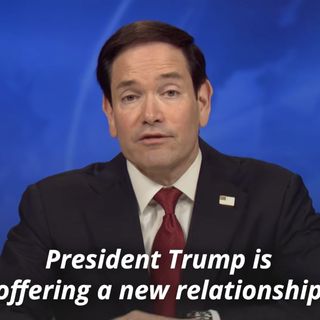
  15. Rubio offers "new relationship" to Cuban people

    Senator Marco Rubio delivered a video message to the Cuban people on Cuban Independence Day, criticizing the communist leadership for the island's hardships. He highlighted the economic control of the GAESA conglomerate, alleging it plunders national wealth instead of aiding citizens. Rubio contrasted this with the potential for a new relationship between the U.S. and the Cuban people, offering aid through non-governmental channels. AI

    Rubio offers "new relationship" to Cuban people
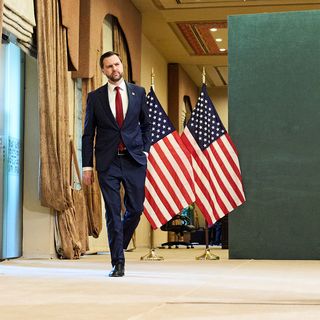
  16. Vance meets Qatari mediator as U.S. awaits peace plan response

    President Trump and Israeli Prime Minister Benjamin Netanyahu held a tense discussion regarding a new peace proposal aimed at resolving the conflict with Iran. Mediated by Qatar and Pakistan, the proposal seeks to bridge gaps between the U.S. and Iran, with Netanyahu expressing skepticism and a desire to continue military action. Trump, however, remains optimistic about a deal while also prepared for renewed conflict if negotiations fail. Iran has confirmed it is reviewing the updated proposal, but has not yet shown significant flexibility. AI

    Vance meets Qatari mediator as U.S. awaits peace plan response
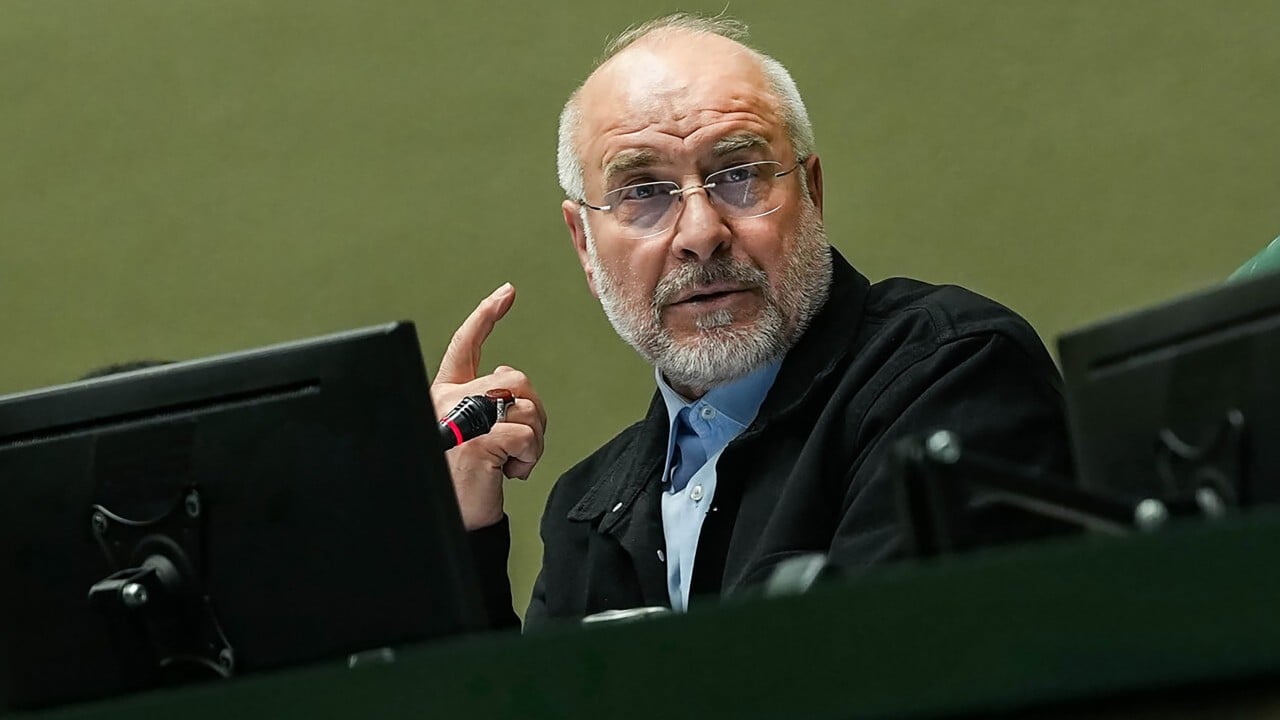
  17. Why Iran’s choice of Beijing envoy signals an ‘unprecedented’ commitment

    Iran is experiencing severe economic hardship, with inflation rates soaring by up to 100% on certain items in a matter of days due to ongoing conflict and a collapsing currency. The war has led to widespread job losses, with a million people reportedly out of work, and has damaged key industries like oil and manufacturing. Despite these challenges, the government is attempting to manage the crisis through measures like rationing, price controls, and financial aid, though these efforts further strain state finances and reconstruction costs are estimated to be astronomical. AI

    Why Iran’s choice of Beijing envoy signals an ‘unprecedented’ commitment

    IMPACT Confirms the devastating economic impact of geopolitical conflict and sanctions on national economies.