PulseAugur / Brief
EN
LIVE 16:08:26

Brief

last 24h
[36/36] 222 sources

Multi-source AI news clustered, deduplicated, and scored 0–100 across authority, cluster strength, headline signal, and time decay.

  1. The # Trump admin approved a secret $9 billion request to acquire cutting-edge # ComputerChips that # US ’ spy agencies need to tap into the full capabilities o

    The Trump administration secretly approved a $9 billion request for advanced computer chips to bolster U.S. spy agencies' capabilities with artificial intelligence. This funding aims to address concerns about a chip shortage hindering intelligence agencies' ability to test and deploy AI tools for espionage. The investment will also support infrastructure for specialized superchips like Nvidia's Grace Blackwell, requiring significant energy and cooling. AI

    IMPACT Bolsters U.S. intelligence agencies' AI capabilities, potentially impacting national security and espionage efforts.
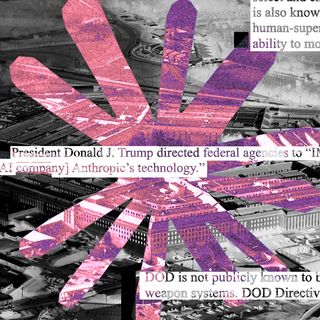
  2. Trump administration doubles down on Anthropic blacklisting in court arguments

    The Trump administration is defending its decision to classify Anthropic as a national security risk in federal court, despite seeking to use the company's AI models for cybersecurity. The Pentagon argues Anthropic's refusal to agree to an "all lawful use" standard and its safety-focused red lines make it an unreliable partner. However, judges expressed skepticism about the administration's "spectacular overreach" and lack of evidence of malicious intent, while also questioning Anthropic's ability to control its evolving AI models. AI

    Trump administration doubles down on Anthropic blacklisting in court arguments

    IMPACT Governmental classification of AI companies as security risks could impact their ability to secure defense contracts and their overall reputation.

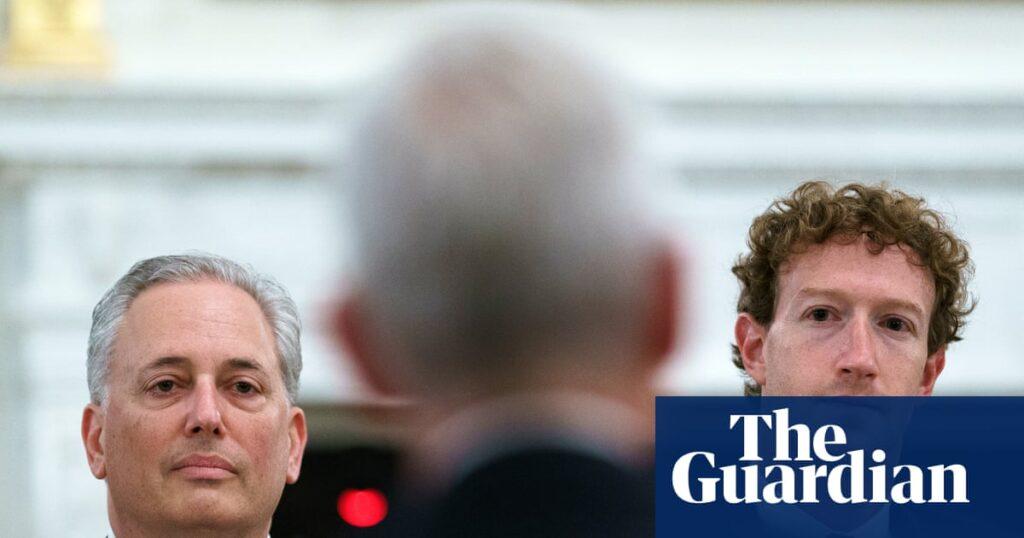
  3. How big tech got its way on Trump’s AI executive order | AI (artificial intelligence) https://www. byteseu.com/2046392/ # AI # ArtificialIntelligence

    Major technology companies successfully influenced the Trump administration's executive order on artificial intelligence, advocating for a less restrictive approach. Their lobbying efforts focused on shaping the order to align with their business interests, emphasizing innovation over stringent regulation. This outcome suggests that large tech firms played a significant role in defining the initial policy landscape for AI under the Trump administration. AI

    How big tech got its way on Trump’s AI executive order | AI (artificial intelligence) https://www. byteseu.com/2046392/ # AI # ArtificialIntelligence

    IMPACT Big Tech's successful lobbying on the Trump AI executive order may shape future regulatory approaches to AI development and deployment.

  4. The race for control over # AI Frontier Models is definitely in full swing. Now the Trump administration has prepared an Executive Order that #

    The Trump administration is reportedly preparing an executive order that would require AI companies to submit their most advanced models to the U.S. government for safety reviews up to 90 days before public release. This move aims to balance national security interests with the rapid advancement of AI technology. However, the order raises concerns about the blurred line between necessary safety evaluations and potential government overreach in accessing proprietary technology. AI

    IMPACT Potential government oversight could shape the pace and direction of frontier AI model development and deployment.

  5. ⚖️ Trump slows AI, but JPMorgan and Codex accelerate: between politics and the market, the race for artificial intelligence waits for no one. #AI #Fintech

    While Donald Trump's administration has reportedly slowed down certain AI initiatives, major financial players like JPMorgan and Codex are accelerating their efforts. This dynamic highlights the ongoing tension between political regulation and market-driven advancement in the artificial intelligence race. AI

    IMPACT Highlights the push-and-pull between regulatory actions and market investment in AI development.

  6. Brookings launches tracker on Trump-era regulatory changes affecting health and AI Brookings has published a regulatory tracker covering new, delayed, and repea

    Brookings has launched a new tracker to monitor regulatory changes enacted during the Trump administration, focusing on health and AI sectors. This initiative aims to provide clarity on new, delayed, and repealed rules, as well as related executive actions and court cases. While the direct impact is on the U.S., the tracker's insights are significant for African nations, influencing potential collaborations and compliance standards in health AI. AI

    IMPACT Provides insight into regulatory shifts that could impact AI development and deployment in the health sector.

  7. Trump's AI review order collapsed after industry pushed back on a 90-day pre-release requirement, seeking 14 days instead. The framing shifted to competitivenes

    The Trump administration's proposed executive order on AI pre-release review faced significant pushback from the tech industry. Companies argued for a shorter 14-day review period instead of the initially proposed 90 days, emphasizing competitiveness against China. This disagreement highlights an ongoing tension between regulatory agencies' need for evaluation time and industry demands for faster deployment. AI

    IMPACT Policy shifts around AI pre-release review could impact the speed of AI development and deployment, affecting competitiveness.

  8. Trump Administration and Anthropic finalizing deal to let US spy agencies use its AI tools

    The Trump administration is reportedly close to finalizing an agreement that would allow U.S. intelligence agencies to utilize Anthropic's AI tools. This potential deal comes amid ongoing discussions about the role of artificial intelligence in national security and the need for advanced AI capabilities within government agencies. AI

    Trump Administration and Anthropic finalizing deal to let US spy agencies use its AI tools

    IMPACT This potential agreement could significantly shape the integration of advanced AI tools within U.S. intelligence operations.

  9. Trump’s Justice Department scrubs its website of news releases about January 6 defendants

    The Trump administration has removed news releases concerning January 6th defendants from the Justice Department website, labeling them as "partisan propaganda." This action is part of an effort to reframe the narrative surrounding the Capitol riot. The administration also announced a fund to compensate individuals who believe they were unfairly investigated or prosecuted, a move that has drawn bipartisan criticism. AI

    Trump’s Justice Department scrubs its website of news releases about January 6 defendants
  10. The White House is reportedly forcing its official app onto all government employee phones

    The Trump administration is reportedly mandating the installation of its official White House app on all government-issued employee phones. This move aims to boost the app's download numbers and provide employees with "unfiltered, real-time upgrades." However, cybersecurity experts have raised concerns about potential privacy risks and security vulnerabilities due to the app's location tracking capabilities and its potential to share data with third parties. AI

    The White House is reportedly forcing its official app onto all government employee phones

    IMPACT This policy impacts government employees' digital security and data privacy, but has no direct impact on AI operations.

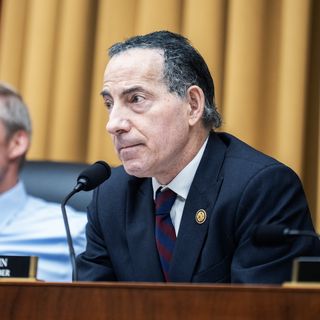
  11. Democrats move to shut down Trump's $1.8 billion "anti-weaponization" fund

    Democrats are pushing to block a $1.8 billion fund established by the Trump administration, intended to compensate individuals who claim to be victims of politically motivated prosecutions. Representative Jamie Raskin is leading the legislative effort, aiming to prevent any federal money from being used for this fund. This initiative has garnered bipartisan attention, with some Republicans expressing a desire to eliminate the fund, and legal challenges are already underway to dissolve it. AI

    Democrats move to shut down Trump's $1.8 billion "anti-weaponization" fund
  12. Nonprofit fraud isn’t surging. Enforcement is

    Federal enforcement actions related to nonprofit fraud have increased significantly, reaching a record $6.8 billion in settlements and judgments in 2025. While data on the prevalence of nonprofit fraud is limited, with an estimated 5% of annual revenue lost to fraud, organizations are less likely to receive fraud awareness training compared to private companies. This trend has raised concerns, particularly after the indictment of the Southern Poverty Law Center, suggesting a broader governmental shift towards more aggressive oversight of charitable activities. AI

    Nonprofit fraud isn’t surging. Enforcement is

    IMPACT Increased government scrutiny of nonprofits may impact funding and operations for organizations utilizing AI for their missions.

  13. We Need Unhobbled Donors

    The AI safety field is anticipating a significant influx of philanthropic capital, but this funding is expected to arrive slowly and unevenly. This creates a critical need for "unhobbled donors" who can deploy capital rapidly and support neglected early-stage projects before the larger wave of funding materializes. Acting now offers immense leverage due to closing political windows, developing talent pipelines, and the time required to build credibility and establish influential frameworks. AI

    IMPACT Urges AI safety stakeholders to adopt more agile funding strategies to maximize impact amidst anticipated capital influx.

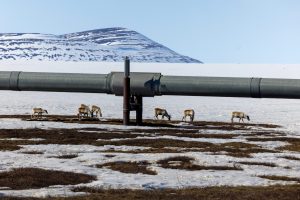
  14. Alaska’s oil revival sparks a new energy rush Into the Arctic

    Alaska is experiencing a resurgence in oil industry interest and investment, driven by new discoveries and more favorable policies. This revival has led to a rush of companies bidding on leases in the National Petroleum Reserve-Alaska, signaling renewed confidence in the region's crude potential. Environmental groups, however, are raising concerns about the impact of increased drilling on the Arctic's sensitive ecosystem and its role in global climate balance. AI

    Alaska’s oil revival sparks a new energy rush Into the Arctic
  15. Trump’s overseas application for US green card rule unnerves Asian workers

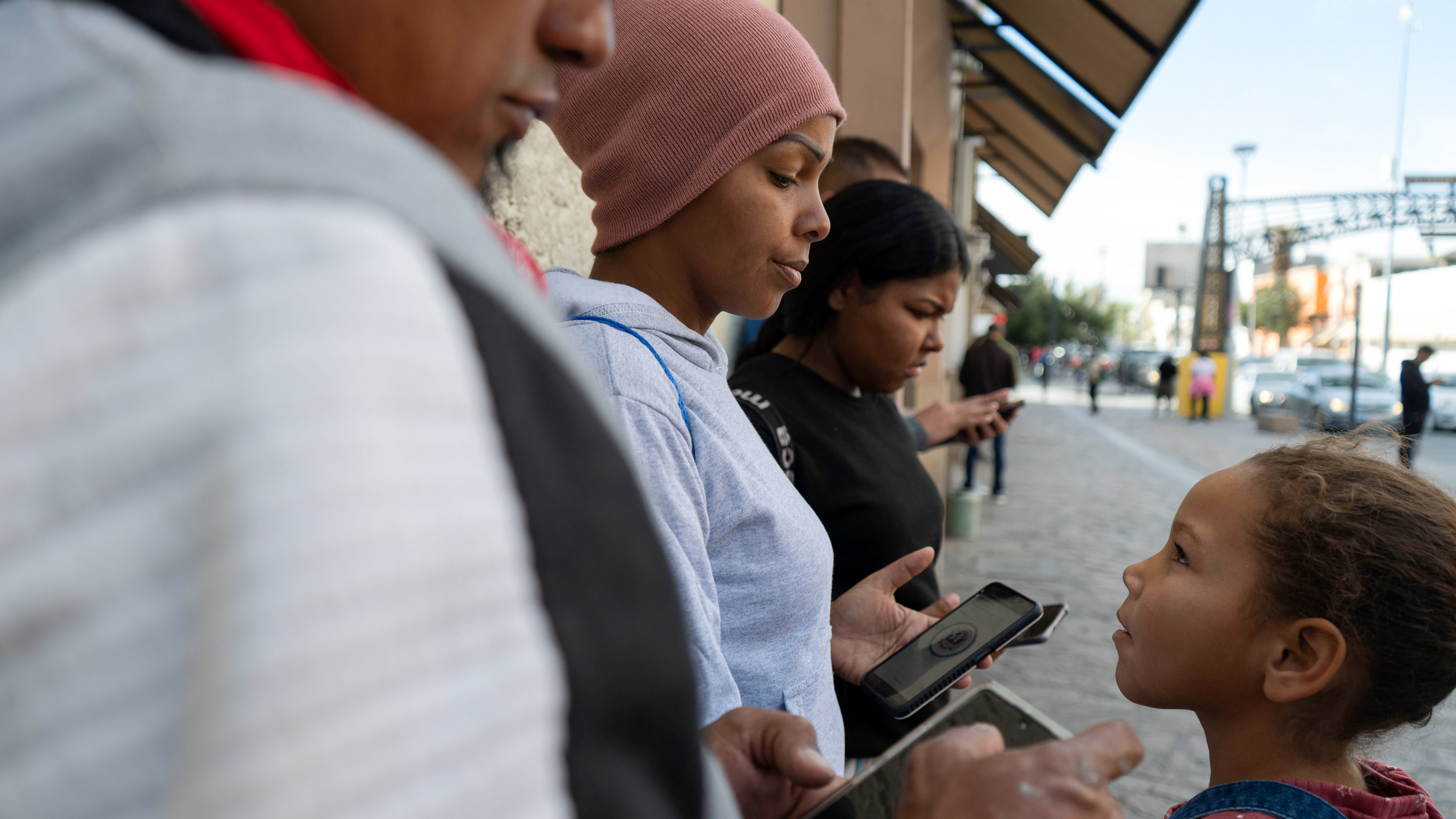
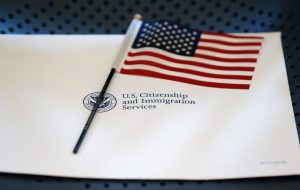
    The Trump administration's policy change regarding green card applications is causing concern among foreign workers in the US, particularly those from Asian countries. This new rule, announced by US Citizenship and Immigration Services, will restrict the ability for individuals already in the US to adjust their status to permanent residents, requiring most to undergo overseas consular processing. This shift is expected to disrupt the long-term plans and economic security of hundreds of thousands of families and individuals. AI

    Trump’s overseas application for US green card rule unnerves Asian workers
  16. America is suffering a shortage of construction workers and sabotaging its ability to fill vacancies by wiping out the industry’s immigrant backbone

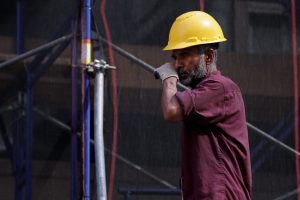
    A new working paper from the National Bureau of Economic Research indicates that the Trump administration's immigration policies have exacerbated a construction labor shortage in the U.S. The study found a 7.5% drop in employment among undocumented construction workers in areas with recent ICE raids. This shortage, coupled with an aging workforce and declining interest from younger generations, is leading to project delays and increased costs for homebuyers. AI

    America is suffering a shortage of construction workers and sabotaging its ability to fill vacancies by wiping out the industry’s immigrant backbone

    IMPACT This cluster has minimal direct impact on AI operators, focusing instead on labor economics and immigration policy.

  17. Trump reverses grocery, air conditioning pollution regulations because they’re too woke

    The Trump administration has reversed Biden-era regulations aimed at reducing greenhouse gas emissions from refrigerants used in grocery store and air conditioning equipment. President Trump stated this move would lower consumer costs by delaying restrictions on refrigerant types. However, industry groups and manufacturers expressed concern that this reversal could introduce market uncertainty and potentially increase prices, as they have already invested in retooling for newer, less harmful refrigerants. AI

    Trump reverses grocery, air conditioning pollution regulations because they’re too woke

    IMPACT Minimal direct impact on AI operators; focuses on regulatory policy affecting industrial cooling systems.

  18. The Download: online safety’s future and climate tech’s big pivot

    Researchers are suing the Trump administration over a visa policy that they claim restricts foreign-born workers studying online safety and content moderation. Separately, climate tech companies are shifting focus to critical minerals, with Boston Metal raising $75 million for this new strategy amid waning support for industrial decarbonization. The field of AI is seeing advancements in "world models," systems designed to understand the physical environment, with contributions from Google DeepMind, Fei-Fei Li's World Labs, and Yann LeCun's startup. AI

    The Download: online safety’s future and climate tech’s big pivot

    IMPACT Advancements in world models could lead to AI systems with a better understanding of the physical environment.

  19. Whose Voice Counts? Mapping Stakeholder Perspectives on AI Through Public Submissions to the U.S. Government

    A new paper analyzes public submissions regarding the U.S. AI Action Plan, revealing a disparity in concerns voiced by different stakeholder groups. While individuals expressed significant worries about AI's impact on daily life, other groups, particularly the private sector, focused more on AI development and policy. The research suggests the AI Action Plan primarily reflects the priorities of the private sector, with less representation of individual concerns. AI

    IMPACT Highlights how government AI policy may not fully represent diverse public concerns, impacting future AI regulation and adoption.

  20. 4 ways Trump is following the Venezuela playbook with Cuba, and one where he isn’t

    The Trump administration's foreign policy towards Cuba mirrors its past strategy for Venezuela, involving an oil blockade and threats of military intervention. However, experts note significant differences between the two countries that make a direct replication of the Venezuela playbook unlikely to succeed in Cuba. Unlike Venezuela, Cuba lacks an obvious successor government that would align with U.S. interests, and the scale of U.S. military presence and legal actions differ considerably. AI

    4 ways Trump is following the Venezuela playbook with Cuba, and one where he isn’t
  21. ‘Change the World’ idealism is dying in Silicon Valley. We’ll miss it when it’s gone

    Silicon Valley's foundational idealism, characterized by a belief in technology's power to improve the world, is waning. This shift is attributed to unfulfilled promises and a political climate that labels such values as 'woke.' A new wave of techno-optimism, championed by some right-wing executives, prioritizes nationalism and competition over humanist principles. However, the original internet-era ethos, which blended libertarianism with social tolerance and empowerment, fostered significant innovations and is argued to be essential for navigating the current discourse around AI. AI

    ‘Change the World’ idealism is dying in Silicon Valley. We’ll miss it when it’s gone

    IMPACT Argues that the original internet-era idealism is needed for current AI discussions.

  22. With aluminum prices up 20%, recycling startups bet on AI to cash in

    Aluminum recycling startups are increasingly using AI to improve recovery rates amidst a 20% price surge for the metal. Companies like Sortera and Amp Robotics employ AI-powered systems with advanced sensors to identify and sort aluminum scrap with high accuracy. This technological push aims to bolster domestic supply chains for aluminum, a critical material for industries such as electric vehicles and renewable energy. AI

    IMPACT Accelerates domestic supply chains for critical materials like aluminum, supporting EV and renewable energy sectors.

  23. Tech researchers are suing the Trump administration over the future of online safety

    A coalition of technology researchers is suing the Trump administration, alleging that a new immigration policy is being used to suppress free speech and hinder online safety research. The lawsuit, filed by the Coalition for Independent Technology Research (CITR), argues that the administration's visa restriction policy unconstitutionally targets foreign-born researchers studying content moderation and disinformation. The researchers' legal team contends that this policy creates a chilling effect, preventing vital work on the societal impacts of technology and AI. The government, however, argues the policy targets conduct that facilitates foreign censorship, not speech itself. AI

    IMPACT This lawsuit could impact the public's understanding of AI risks and the ability of researchers to study technology's societal effects.

  24. Scoop: Trump escalates citizenship crackdown

    The Trump administration is implementing new policies that require foreigners seeking U.S. green cards to return to their home countries for the application process, with limited exceptions. This move is expected to affect hundreds of thousands annually and potentially further reduce legal immigration. Additionally, immigration lawyers are being temporarily reassigned to the Justice Department to expedite efforts to strip citizenship from naturalized Americans, a priority for the administration aimed at rooting out fraud in the legal immigration system. AI

    Scoop: Trump escalates citizenship crackdown
  25. 📰 Climate tech companies are pivoting to critical minerals amid weak support for climate causes under the Trump administration, focusing on potential benefits b

    Climate tech companies are shifting their focus towards critical minerals due to reduced support for climate initiatives under the Trump administration. This pivot aims to capitalize on opportunities beyond simple decarbonization efforts. The move reflects a strategic adjustment in response to the political climate and perceived market opportunities. AI

    IMPACT Minimal direct impact on AI operators; discusses industry strategy shifts.

  26. The Pope, Anthropic, and the Weight of Rerum Novarum

    Pope Leo will release the first papal encyclical on artificial intelligence, titled "Magnifica Humanitas," on May 25th. The document, co-authored with Anthropic co-founder Christopher Olah, will focus on human dignity in the age of AI, drawing parallels to the Industrial Revolution. This initiative places the Vatican at the center of ethical AI discussions, potentially creating a new point of contention with the U.S. administration, which has had a contentious relationship with Anthropic. AI

    IMPACT Establishes a significant moral framework for AI ethics from a major global institution, potentially influencing policy and public discourse.

  27. The local hip-hop morning radio show is saying how the US robo # taxi service is a complete joke. It's worse than that. The entire US # EV market is essentially

    A social media post criticizes the US robo-taxi service and the broader electric vehicle market, attributing their struggles to the Trump administration's cancellation of EV tax subsidies and alleged diversion of funds. The post argues that this has led to a lack of competitive products and a market dominated by temporary trends rather than sustainable innovation. AI

  28. WHO raises risk assessment as DR Congo’s Ebola outbreak spreads ‘rapidly’

    An Ebola outbreak, caused by the rare Bundibugyo strain, is rapidly spreading across the Democratic Republic of Congo and has reached Uganda, prompting the World Health Organization to declare it a public health emergency of international concern. Contact tracing efforts are struggling to keep pace with the escalating number of cases, with only about 21% of monitored contacts being followed up daily. This situation has spurred a race to develop and test vaccines and treatments, though none are currently approved for this specific strain, and international bodies are mobilizing significant funding and resources to bolster response efforts. AI

    WHO raises risk assessment as DR Congo’s Ebola outbreak spreads ‘rapidly’

    IMPACT This outbreak highlights the critical need for robust global health infrastructure and rapid response mechanisms, underscoring the importance of international cooperation in managing infectious disease threats.

  29. DATE: May 18, 2026 at 11:00AM SOURCE: HEALTHCARE INFO SECURITY Direct article link at end of text block below. # AI Doctors? Lawsuits Say No, Some Doctors Say Y

    The Trump administration is considering an executive order to enhance cybersecurity and gain early government access to advanced AI models, particularly those with potential national security risks like Anthropic's Mythos. This marks a shift from their previous anti-regulation stance, influenced by concerns over AI's ability to exploit cyber vulnerabilities. Meanwhile, international bodies like the IMF and regulators in India are also issuing warnings and advisories about the escalating financial stability risks posed by AI-fueled cyber-attacks, urging greater resilience and coordination. AI

    DATE: May 18, 2026 at 11:00AM SOURCE: HEALTHCARE INFO SECURITY Direct article link at end of text block below. # AI Doctors? Lawsuits Say No, Some Doctors Say Y

    IMPACT Governments and financial institutions are increasing scrutiny and regulation of advanced AI models due to cybersecurity and financial stability risks.

  30. Dems weaponize Epstein in anti-GOP midterm ads

    Democratic candidates in the midterm elections are employing advertising strategies that link Republican opponents to the Jeffrey Epstein scandal. This tactic aims to capitalize on voter sentiment regarding the Trump administration's handling of the Epstein files. Specific examples include ads in the Ohio and Maine Senate races, as well as messaging in Georgia, which accuse Republicans of associating with or protecting individuals linked to Epstein. AI

    Dems weaponize Epstein in anti-GOP midterm ads
  31. Trump to force foreigners to apply for a green card abroad—but those who provide ‘economic benefit’ or serve ‘national interest’ may be able to stay

    The Trump administration has announced a significant policy shift requiring foreigners seeking a green card to apply from their home countries, reversing a long-standing practice that allowed in-country applications. This change, effective immediately, aims to reduce the number of people obtaining permanent residency in the U.S. Exceptions may be made for individuals deemed to provide an economic benefit or serve the national interest, though the criteria remain unclear. Immigration advocates and lawyers express concern that this will create insurmountable barriers for many, particularly those in unsafe home countries or regions without functioning embassies, potentially leading to indefinite family separations. AI

    Trump to force foreigners to apply for a green card abroad—but those who provide ‘economic benefit’ or serve ‘national interest’ may be able to stay
  32. US judge tosses case against wrongly deported Salvadorean man Abrego Garcia

    A U.S. federal judge has dismissed a criminal case against Kilmar Abrego Garcia, a Salvadoran man targeted during the Trump administration's migrant crackdown. The judge ruled the indictment was an abuse of prosecutorial power, citing an administrative error that led to Garcia's wrongful deportation and subsequent human smuggling charges. Garcia, who had protected legal status in the U.S. since 2019, argued the charges were vindictive due to his efforts to avoid deportation. AI

    US judge tosses case against wrongly deported Salvadorean man Abrego Garcia
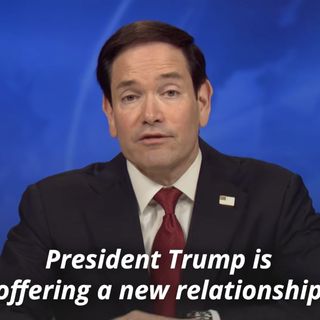
  33. Rubio offers "new relationship" to Cuban people

    Senator Marco Rubio delivered a video message to the Cuban people on Cuban Independence Day, criticizing the communist leadership for the island's hardships. He highlighted the economic control of the GAESA conglomerate, alleging it plunders national wealth instead of aiding citizens. Rubio contrasted this with the potential for a new relationship between the U.S. and the Cuban people, offering aid through non-governmental channels. AI

    Rubio offers "new relationship" to Cuban people
  34. US plans to charge Raul Castro increases Trump administration’s pressure on Cuba

    The US Justice Department has indicted former Cuban leader Raul Castro and five others over the 1996 downing of two civilian aircraft. The charges, unsealed in Miami, include conspiracy to kill US nationals and destruction of an aircraft, carrying a maximum penalty of life imprisonment. This action by the Trump administration represents a significant escalation of pressure on Cuba, aiming to bring justice for the four American victims. AI

    US plans to charge Raul Castro increases Trump administration’s pressure on Cuba
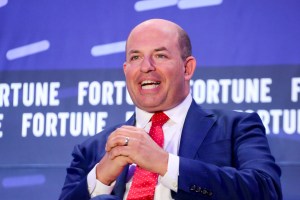
  35. CNN analyst and ‘The Morning Show’ producer says Stephen Colbert is a role model for his ‘positive’ outlook on his show ending

    Stephen Colbert is being lauded as a role model for his positive attitude as his 11-year run as host of The Late Show concludes. CNN analyst Brian Stelter highlighted Colbert's gratitude and grace during this transition, contrasting it with fear-based reactions. Colbert's tenure, which saw him become the top-rated late-night host and win an Emmy, is ending due to financial pressures and declining ad revenue in the late-night television landscape. AI

    CNN analyst and ‘The Morning Show’ producer says Stephen Colbert is a role model for his ‘positive’ outlook on his show ending