PulseAugur / Brief
EN
LIVE 10:31:10

Brief

last 24h
[29/29] 221 sources

Multi-source AI news clustered, deduplicated, and scored 0–100 across authority, cluster strength, headline signal, and time decay.

  1. Statistics Concept — Monty Hall Paradox: When Intuition Fails but Bayesian Reasoning Prevails

    This article explores the Monty Hall Paradox, a classic probability puzzle where intuition often leads to incorrect conclusions. It demonstrates how Bayesian reasoning, through a step-by-step probabilistic breakdown, graphical illustration, and Monte Carlo simulation using Python, can correctly solve the paradox. The piece highlights the power of formal statistical methods over common sense when dealing with complex probability scenarios. AI

    Statistics Concept — Monty Hall Paradox: When Intuition Fails but Bayesian Reasoning Prevails

    IMPACT Explains a core statistical concept relevant to AI model reasoning and decision-making.
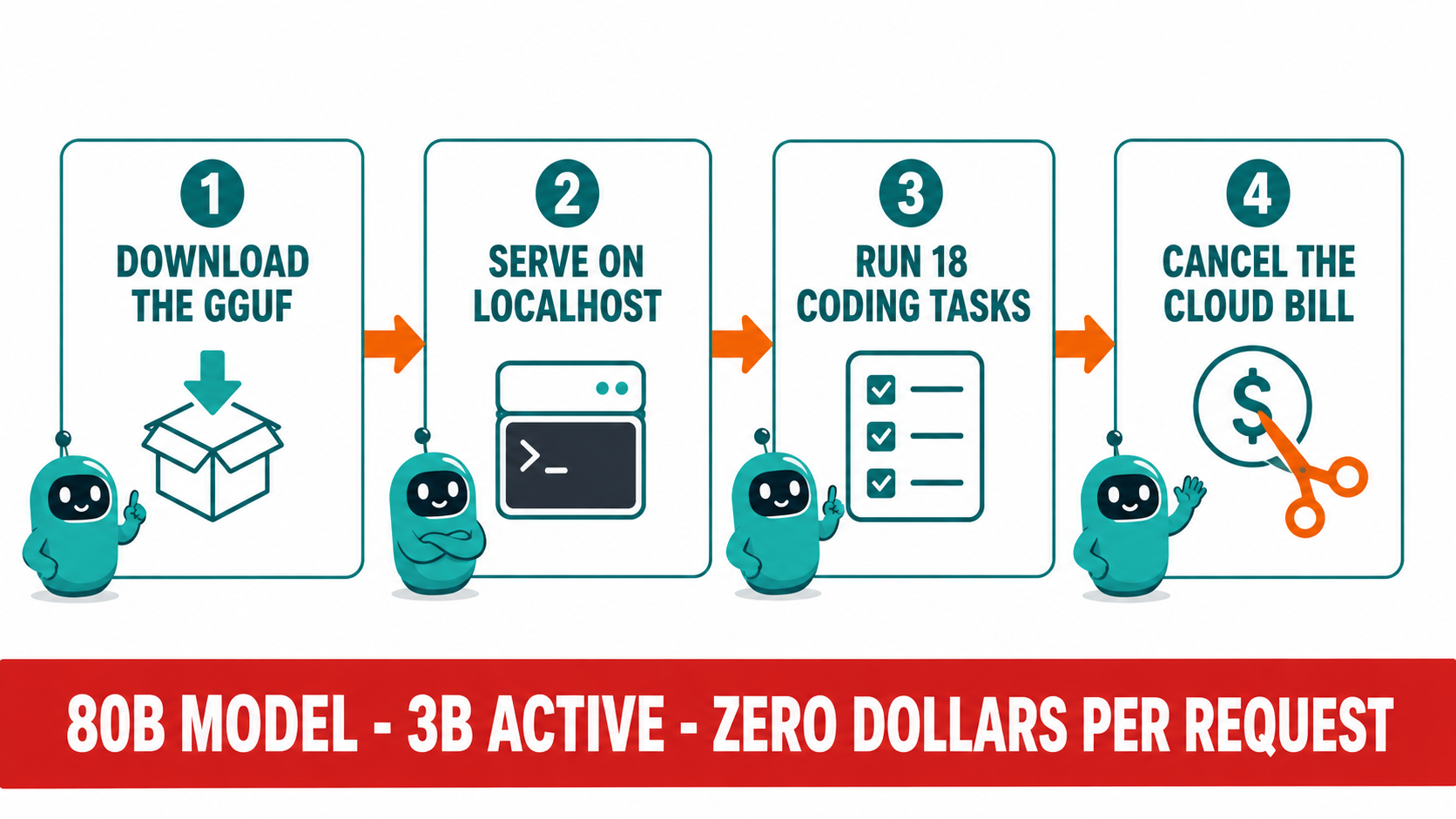
  2. I Tested the 80B Coding Model That Only Activates 3B Parameters — Qwen3-Coder-Next Killed My Cloud…

    A new coding-focused AI model, Qwen3-Coder-Next, has been released, boasting an 80 billion parameter size while only activating 3 billion parameters during operation. This innovative approach significantly reduces computational costs, with one user reporting a complete elimination of weekly cloud expenses for coding tasks. The model's efficiency suggests a potential shift in how developers interact with and deploy AI for coding assistance. AI

    I Tested the 80B Coding Model That Only Activates 3B Parameters — Qwen3-Coder-Next Killed My Cloud…

    IMPACT This model's efficient parameter activation could significantly lower operational costs for AI-powered coding tools.

  3. ASR Models Collapse in the Real World

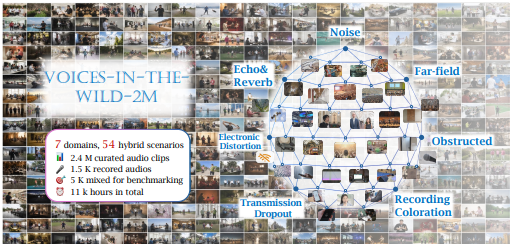
    A new study highlights a significant performance drop in Automatic Speech Recognition (ASR) models when they encounter real-world audio data, a stark contrast to their success in controlled environments. The research indicates that these models struggle with the complexities and variations present in natural speech, leading to a collapse in accuracy. To address this, the study proposes training ASR models on a vast dataset of simulated, challenging audio scenarios to improve their robustness and reliability in practical applications. AI

    ASR Models Collapse in the Real World

    IMPACT ASR models need robust training on diverse, real-world audio to be reliable in practical applications, impacting user experience across many AI-driven services.

  4. Personalizing Claude by Subtraction, Not Fine-Tuning

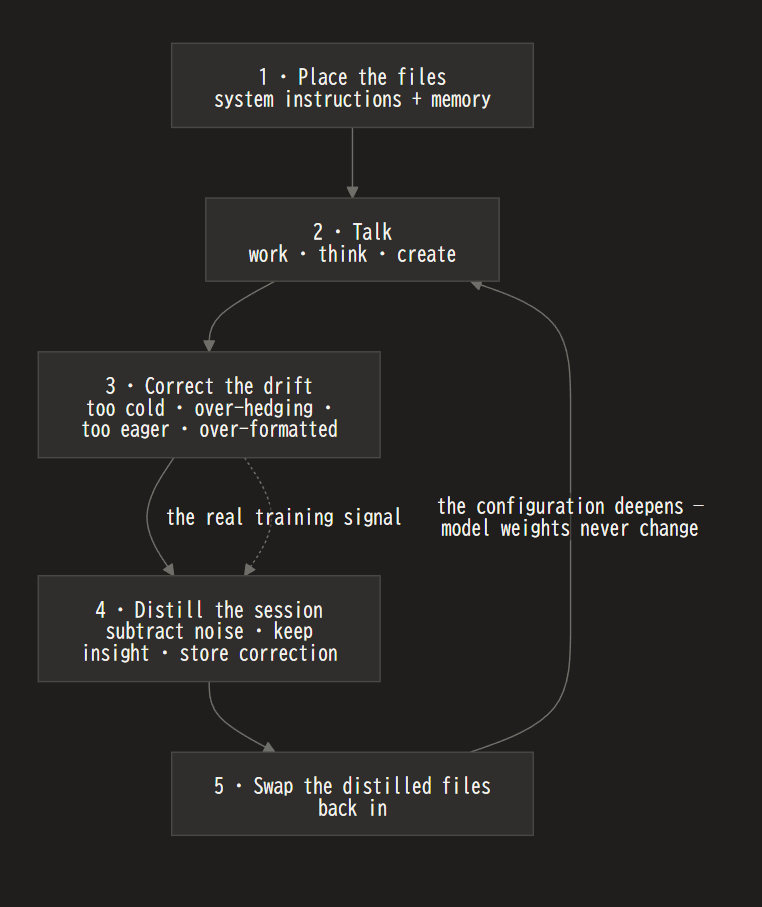
    An independent researcher has developed an open-source method to personalize the Claude AI model without traditional fine-tuning. This approach utilizes external memory, correction mechanisms, and distillation to tailor Claude's responses. The technique aims to create a personalized AI assistant by modifying its behavior through these external processes rather than altering its core model weights. AI

    Personalizing Claude by Subtraction, Not Fine-Tuning

    IMPACT This method offers a novel approach to AI personalization, potentially enabling more adaptable and customized AI assistants without the resource-intensive process of fine-tuning.

  5. How to Improve Claude Code Performance with Automated Testing

    This article explores methods for enhancing the performance of Anthropic's Claude AI model when used for coding tasks. It details how to implement automated testing strategies to identify and rectify issues, ultimately leading to more reliable and efficient code generation. The focus is on practical techniques for developers to better leverage Claude's capabilities in software development workflows. AI

    How to Improve Claude Code Performance with Automated Testing

    IMPACT Provides developers with practical strategies to improve AI coding assistant performance and reliability.

  6. Your Agentic AI Bill Is a Prompt Engineering Problem in Disguise

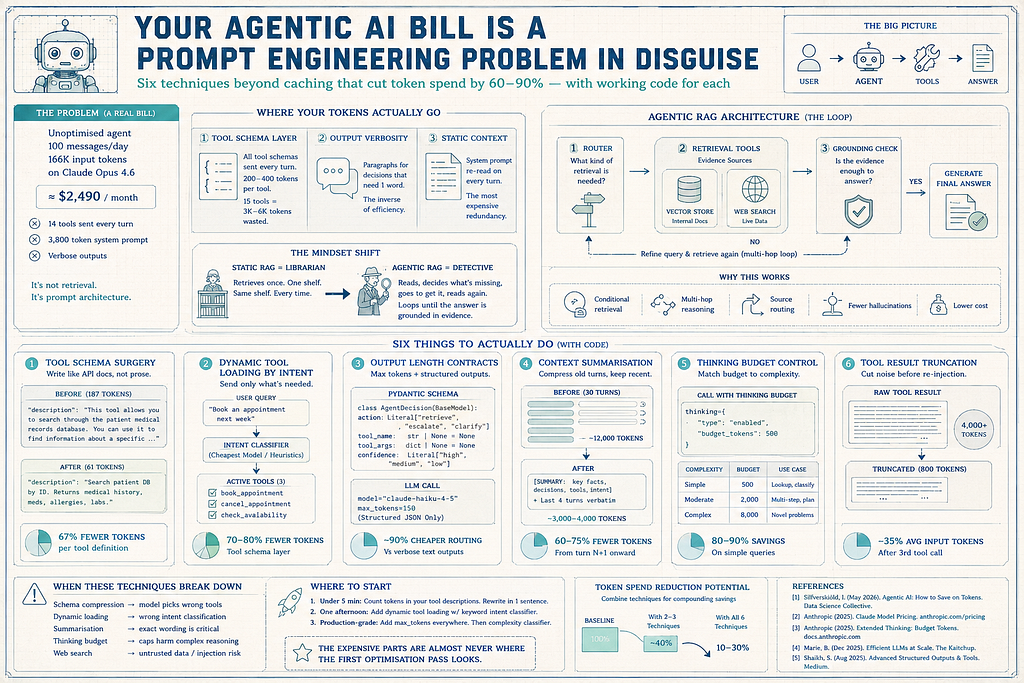
    Agentic AI systems can incur significant costs due to inefficient prompt architecture, with token spend often exceeding expectations. The primary drivers of this high cost are the verbose descriptions of tool schemas, overly detailed output formats, and the repeated re-reading of static context. Addressing these issues through techniques like concise tool schema writing and optimized output formatting can lead to substantial reductions in token consumption, potentially cutting costs by 60-90%. AI

    Your Agentic AI Bill Is a Prompt Engineering Problem in Disguise

    IMPACT Optimizing prompt architecture in AI agents can drastically reduce operational costs, making agentic AI more accessible for production use.

  7. SVM : 40 Must Visit Interview Questions (Part 1)

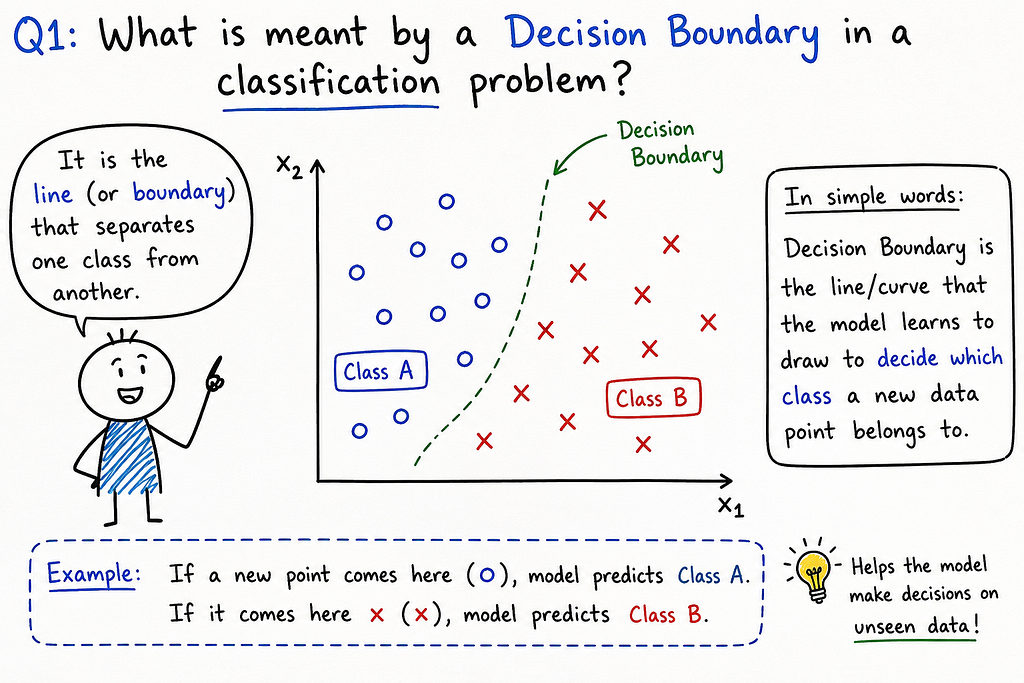
    This article series delves into Support Vector Machines (SVMs), a popular machine learning algorithm, by presenting a comprehensive list of interview-style questions. Part 1 covers foundational concepts like decision boundaries, hyperplanes, and the intuition behind maximizing margins, along with distinctions between hard-margin and soft-margin classifiers. Part 2 builds on this by exploring the kernel trick, its power, different kernel types, and challenges, as well as how SVMs handle multi-class problems and compare to other algorithms like Logistic Regression. AI

    SVM : 40 Must Visit Interview Questions (Part 1)

    IMPACT Provides foundational knowledge for machine learning practitioners and students preparing for interviews on core algorithms.

  8. I Tested Qwen 3.7-Max on 18 Agent Tasks — It Ran 1,000 Tool Calls Without Losing the Plot

    A test of Qwen 3.7-Max demonstrated its capability in handling complex agent tasks, successfully executing 1,000 tool calls without errors. The model was given a single instruction to reduce a reconciliation worker's p99 latency to below 400ms. Over a nine-hour period, Qwen 3.7-Max managed this complex task, indicating strong performance in autonomous agent operations. AI

    IMPACT Demonstrates advanced autonomous agent capabilities, potentially improving efficiency in complex operational tasks.

  9. Which RAG Works for You in Production?

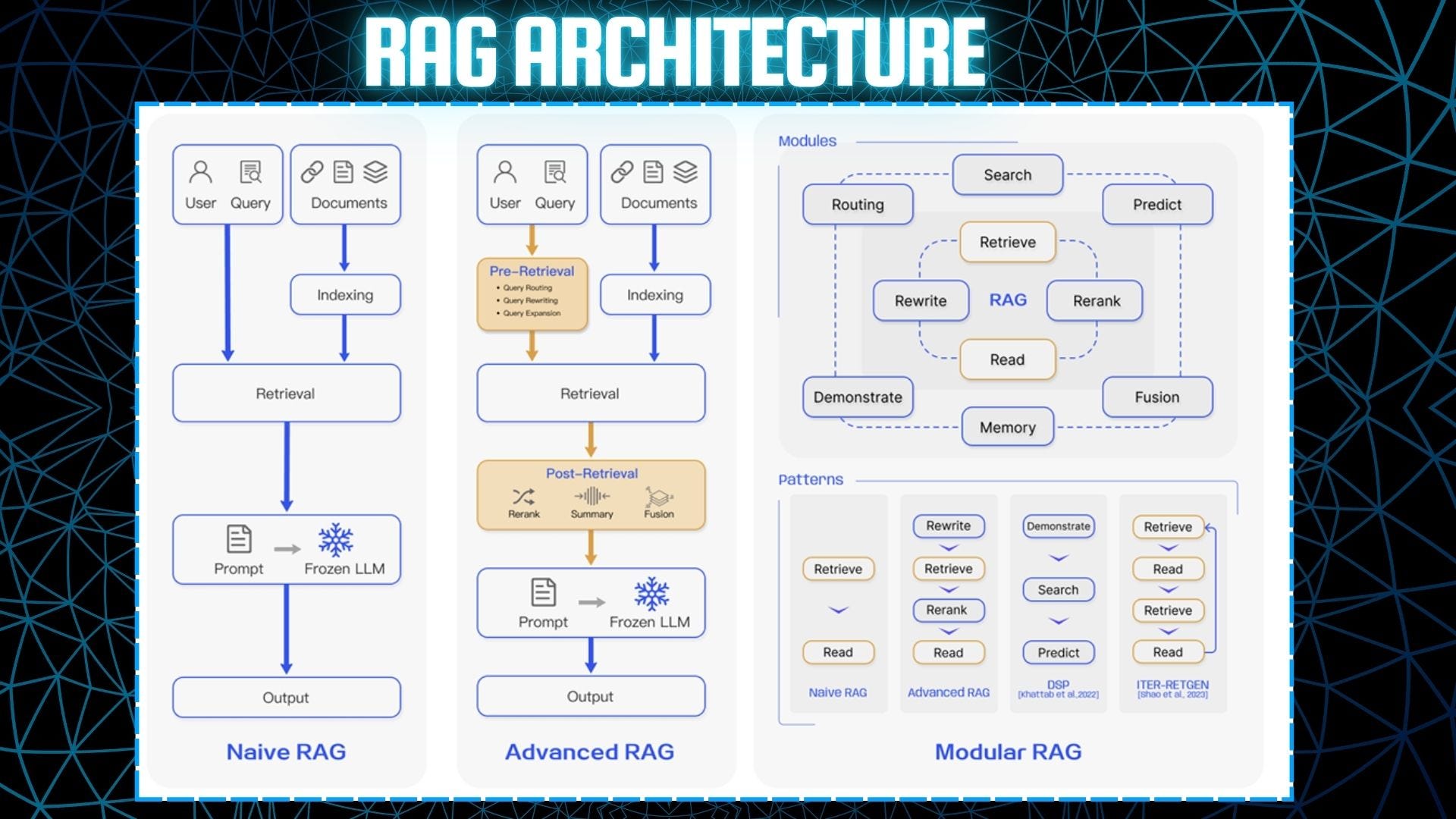
    This article explores various Retrieval-Augmented Generation (RAG) strategies for production environments. It details naive RAG, advanced retrieval techniques, and specialized approaches like Flare-RAG and GraphRAG. The piece aims to guide readers in architecting their own RAG systems. AI

    Which RAG Works for You in Production?

    IMPACT Provides a technical overview of RAG architectures for AI practitioners.

  10. Crack ML Interviews with Confidence: CatBoost (25 Q&A)

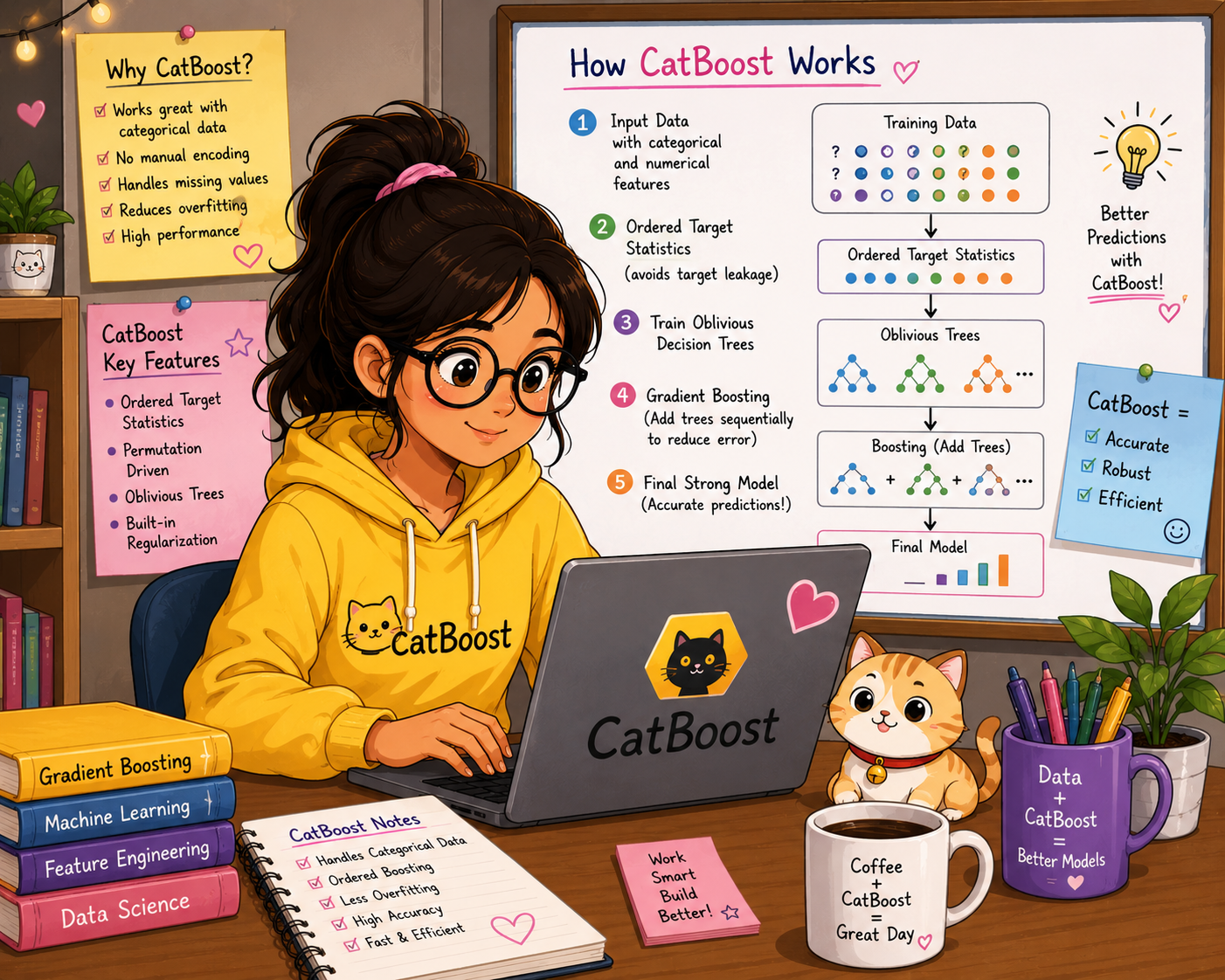
    This article provides a collection of 25 question-and-answer pairs designed to help individuals prepare for machine learning interviews, specifically focusing on the CatBoost algorithm. It aims to build confidence in candidates by covering key aspects of this popular gradient boosting framework. AI

    Crack ML Interviews with Confidence: CatBoost (25 Q&A)

    IMPACT Provides targeted preparation material for machine learning roles, potentially improving candidate performance in interviews.

  11. Build a Book Recommendation Engine with Python and FastAPI

    This article provides a detailed, step-by-step tutorial on constructing a book recommendation engine. It focuses on implementing a content-based filtering approach using Python and the FastAPI framework. The guide aims to equip readers with the practical skills to build such a system. AI

    Build a Book Recommendation Engine with Python and FastAPI

    IMPACT Provides a practical guide for developers to build recommendation systems, a common application of AI.

  12. How to Run OpenClaw with Open-Source Models

    This article provides a guide on how to integrate the OpenClaw assistant with various open-source large language models. It details the steps and configurations necessary to run OpenClaw using alternative LLMs, offering flexibility beyond proprietary solutions. The guide aims to empower users to leverage OpenClaw's capabilities with a wider range of AI models. AI

    How to Run OpenClaw with Open-Source Models

    IMPACT Enables users to integrate a specific assistant with a broader range of open-source AI models, offering more flexibility.

  13. 7 Obsidian + Claude Code Commands for Your AI Second Brain

    This article explores how to leverage Claude code commands within Obsidian to enhance an AI second brain. It provides seven specific commands designed to integrate AI capabilities into note-taking and knowledge management workflows. The author highlights one command as a personal favorite, suggesting practical applications for users. AI

    7 Obsidian + Claude Code Commands for Your AI Second Brain

    IMPACT Provides practical tips for integrating AI tools into personal knowledge management systems.

  14. Some More Linear Algebra But With Functions

    This article introduces Hermite Polynomials and Polynomial Chaos Expansion (PCE) as advanced mathematical tools for AI applications. It explores how these concepts extend linear algebra to function spaces, enabling more sophisticated modeling of complex systems. The piece aims to provide a deeper understanding of the underlying mathematical principles that power modern AI. AI

    Some More Linear Algebra But With Functions

    IMPACT Introduces advanced mathematical techniques that could enable more sophisticated AI modeling.

  15. Tokenizing the Continuous: How Patch-Based Architectures Unlocked Zero-Shot Time Series at 200M…

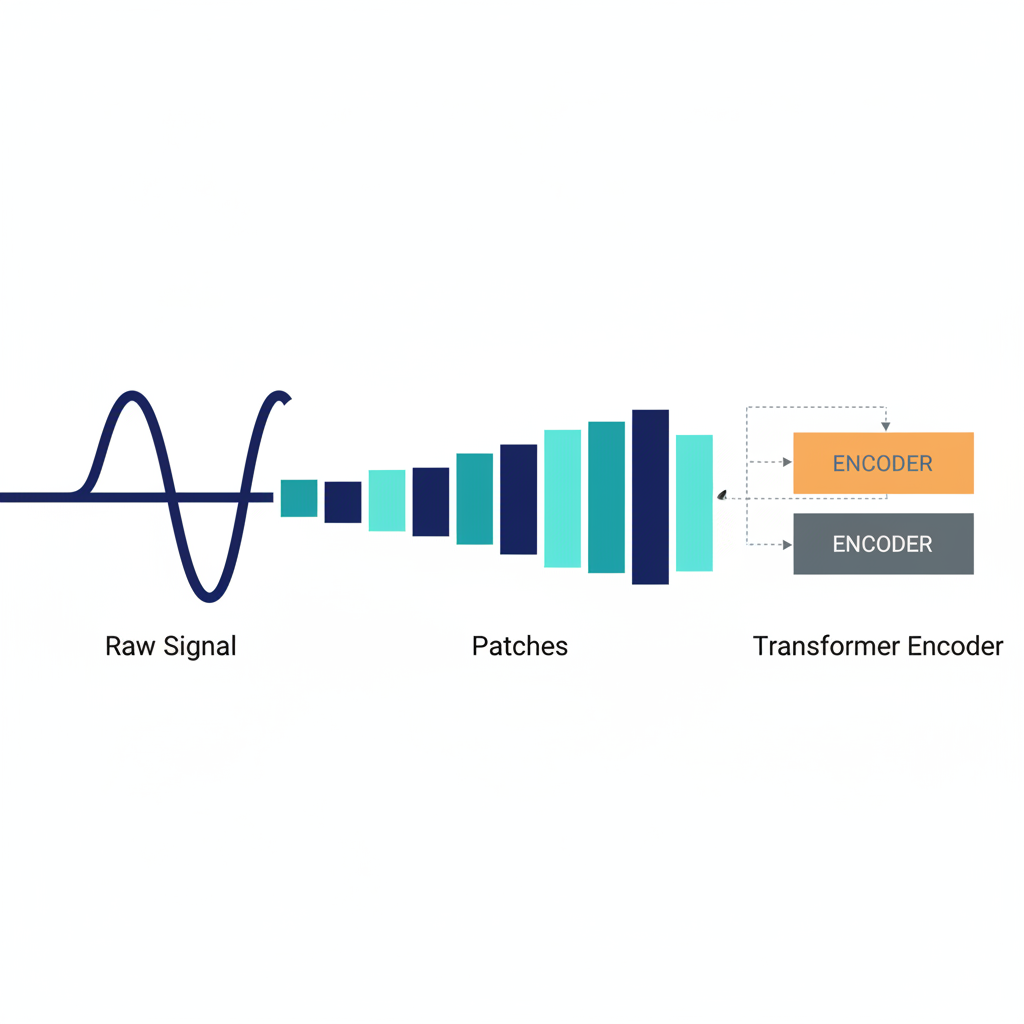
    A new approach called patch-based architectures has overcome limitations in previous time series forecasting methods. This technique, detailed in a Towards AI article, enables zero-shot forecasting for continuous time series data. The method has demonstrated success in handling large datasets, processing up to 200 million data points. AI

    Tokenizing the Continuous: How Patch-Based Architectures Unlocked Zero-Shot Time Series at 200M…

    IMPACT Introduces a novel architectural approach that could improve the accuracy and efficiency of time series forecasting models.

  16. Detecting Join Duplication

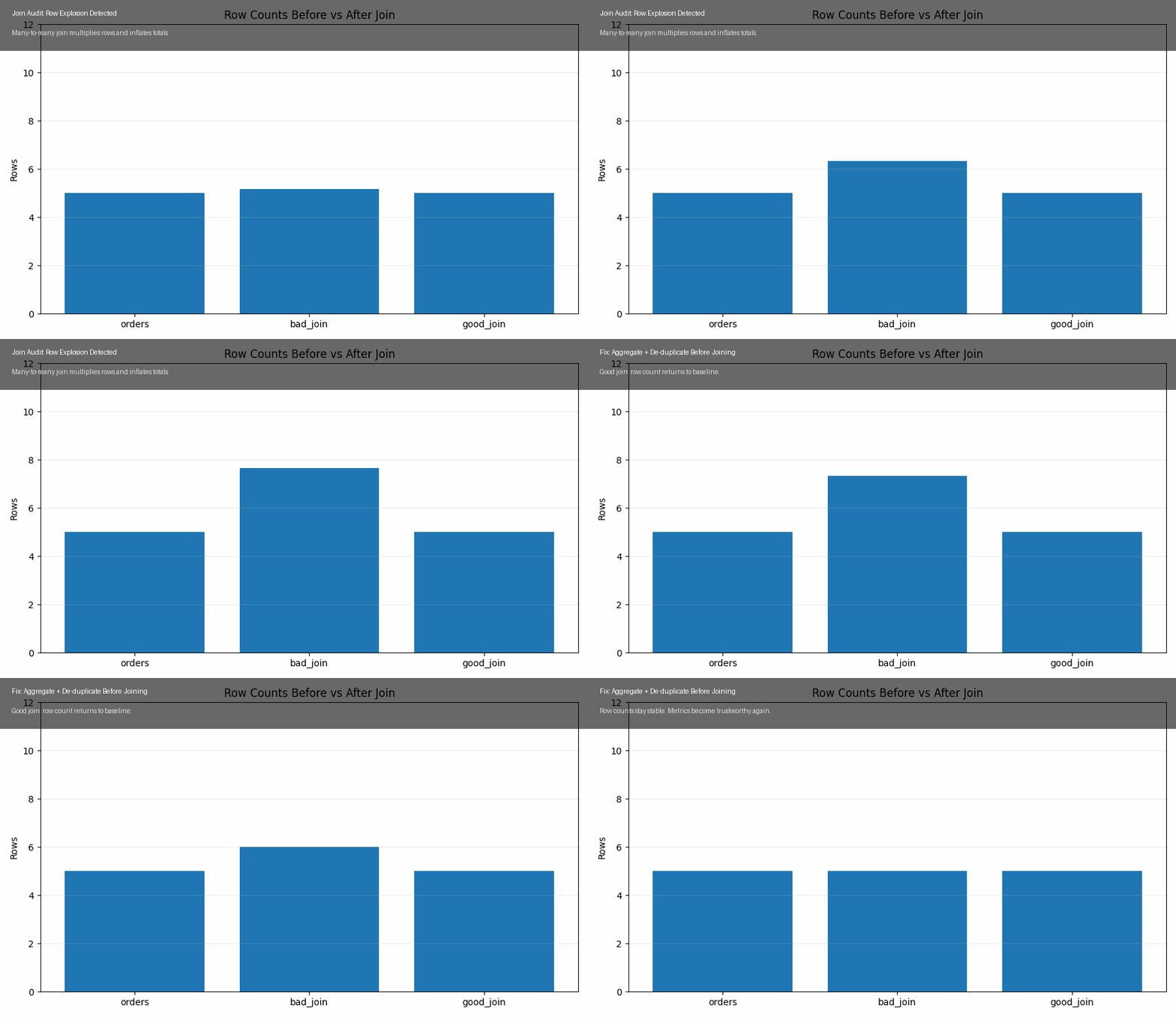
    This article addresses the common data pipeline issue of join duplication, where joining tables with duplicate keys can lead to a "row explosion." It proposes a practical join-audit function with three checks: key uniqueness, row explosion ratio, and anti-join coverage. The author illustrates how this problem can manifest in various use cases, including feature engineering, finance, and product analytics, by creating sample data that demonstrates the many-to-many join scenario. AI

    Detecting Join Duplication

    IMPACT Provides a method for improving data quality, which is foundational for reliable AI model training and feature engineering.

  17. The Ultimate Guide to Feature Scaling in Machine Learning

    Feature scaling is a crucial preprocessing step in machine learning that addresses issues arising from features with vastly different magnitudes. Without scaling, algorithms like gradient descent can struggle to converge efficiently, taking a zig-zag path towards the minimum due to distorted cost function contours. This can lead to significantly more iterations or even divergence if the learning rate is not carefully tuned. Common techniques like Min-Max scaling transform features into a standardized range, ensuring that all features contribute more equally to the model's learning process and improving convergence speed and stability. AI

    The Ultimate Guide to Feature Scaling in Machine Learning

    IMPACT Ensures efficient and stable model training by standardizing feature magnitudes, preventing performance degradation.

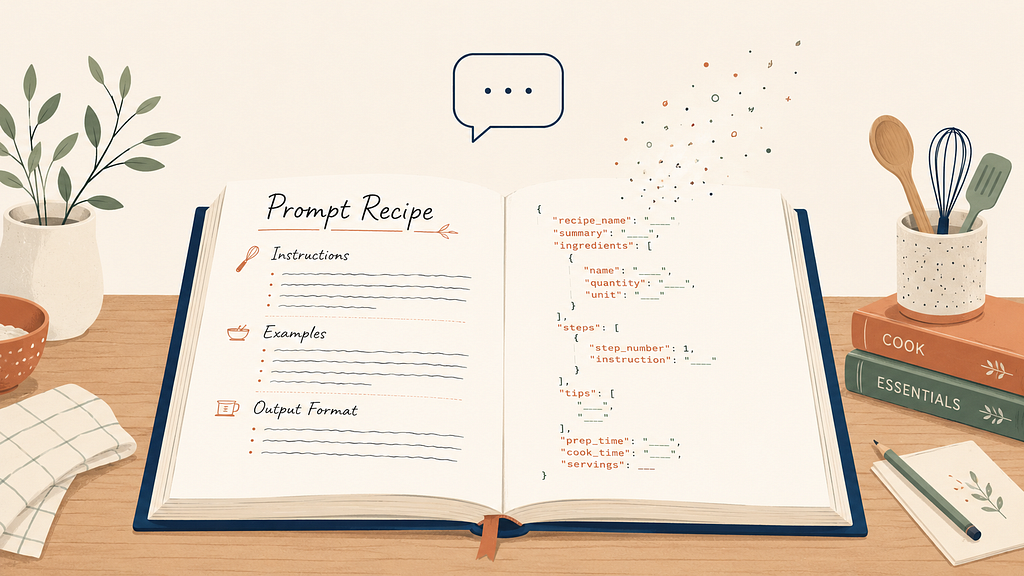
  18. The Prompt Engineering Cookbook: Principles, Tactics, and Patterns That Actually Work.

    This article provides a practical guide to prompt engineering for large language models, emphasizing clear and specific instructions over brevity. It introduces principles, tactics, and patterns for effectively interacting with models like ChatGPT and Claude. The guide includes a Python helper function for generating model completions and details techniques such as using delimiters and providing context to achieve reliable and structured outputs for various applications. AI

    The Prompt Engineering Cookbook: Principles, Tactics, and Patterns That Actually Work.

    IMPACT Provides practical techniques for users to better leverage existing LLMs for applications.

  19. The Benchmark Delusion

    The author argues that current AI benchmarks are misleading, as they fail to measure crucial aspects like factual accuracy and the tendency to hallucinate plausible but false information. Despite high scores on benchmarks like MMLU, models can still generate fabricated content, as demonstrated by a multi-agent workflow where a generator model hallucinated a quote and its fact-checking counterpart failed to detect it. This disconnect between benchmark performance and real-world reliability is exacerbated by the rapid pace of model releases and the convergence of scores on leaderboards, making it difficult for deployers to understand what 'better' truly means in their specific environments. AI

    The Benchmark Delusion

    IMPACT Critiques the limitations of current AI benchmarks, suggesting that high scores do not guarantee real-world reliability or factual accuracy.

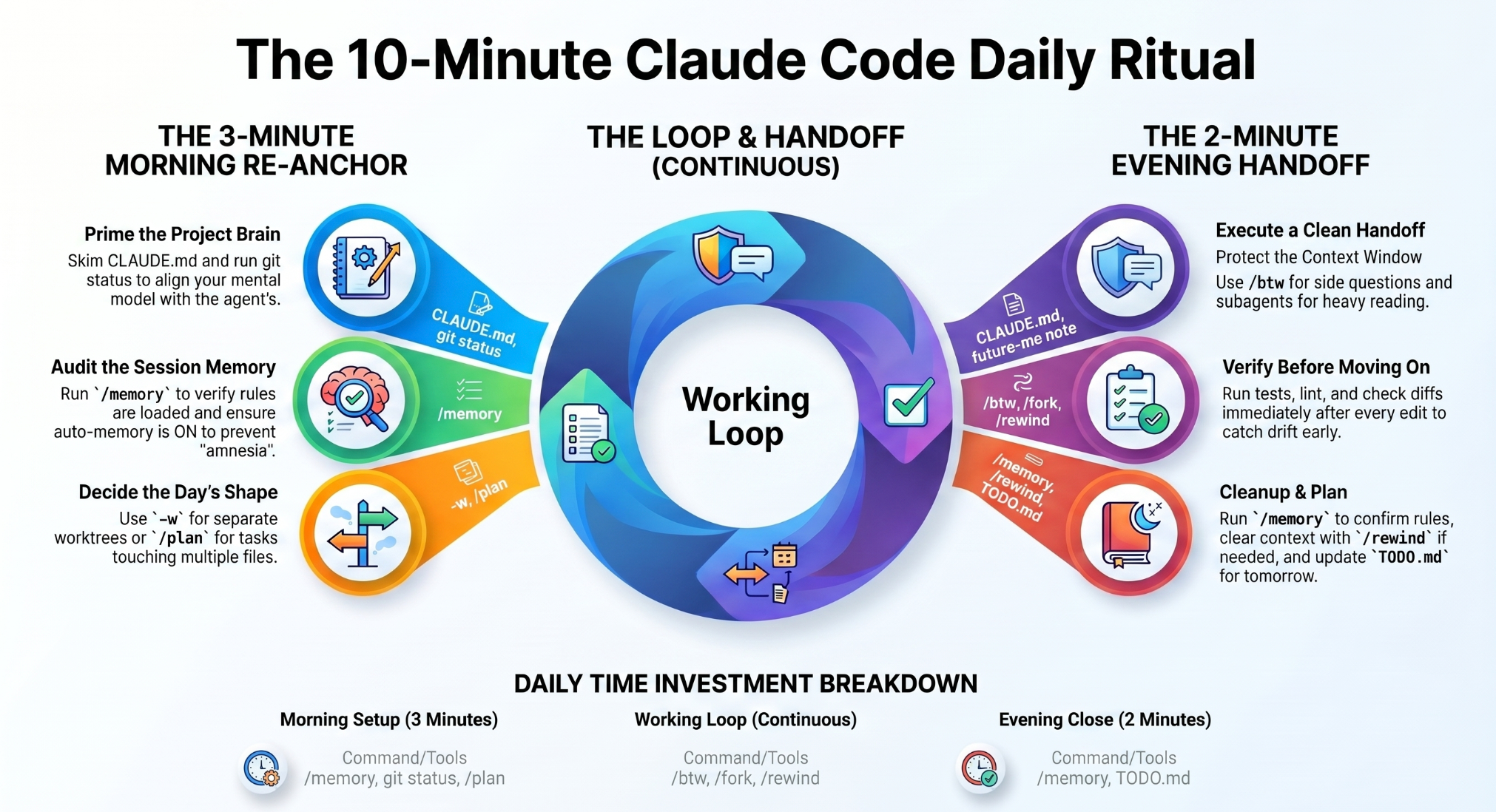
  20. The Ten-Minute Ritual That Decides Whether Claude Code Actually Helps You

    This article discusses how to effectively use Claude Code as an AI agent by structuring your day. It suggests that the agent itself is not underpowered, but rather the user's daily routine may be unstructured. A ten-minute ritual is proposed as a solution to improve daily organization and maximize the agent's utility. AI

    The Ten-Minute Ritual That Decides Whether Claude Code Actually Helps You

    IMPACT Offers advice on optimizing the use of AI agents like Claude Code by improving user workflow.

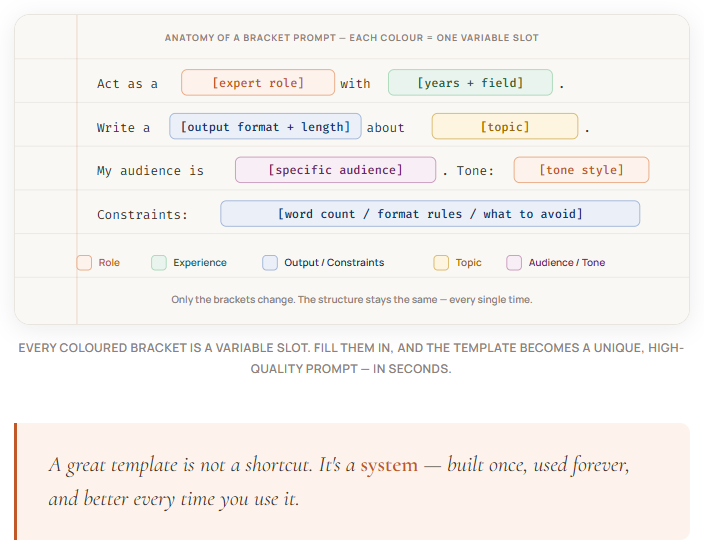
  21. The Bracket Framework: Fill-in-the-Blank Prompts That Always Work — Prompt to Profit · Day 5 of 30

    This article introduces the "Bracket Framework" for AI prompting, a method that uses reusable prompt templates with placeholders (brackets) for variable information. This approach transforms prompting from an improvised skill into a repeatable system, allowing users to build a personal library of assets for faster and more consistent AI output. The framework emphasizes saving and reusing effective prompts by identifying fixed and variable components, thereby streamlining the process of generating high-quality AI-generated content. AI

    The Bracket Framework: Fill-in-the-Blank Prompts That Always Work — Prompt to Profit · Day 5 of 30

    IMPACT Streamlines AI interaction by providing a structured method for prompt creation and reuse.

  22. Sharing Your .env With LLMs Is Relatively Safe. Is It Really? Here’s Why.

    Sharing .env files with large language models (LLMs) is generally considered safe due to training data policies. However, a new analysis suggests that the agentic attack surface presents a distinct and potentially more significant risk. This perspective highlights that while LLMs are trained not to retain sensitive information, their ability to act on instructions could still expose credentials or other private data. AI

    Sharing Your .env With LLMs Is Relatively Safe. Is It Really? Here’s Why.

    IMPACT Highlights potential security vulnerabilities in LLM interactions, urging caution beyond standard training data policies.

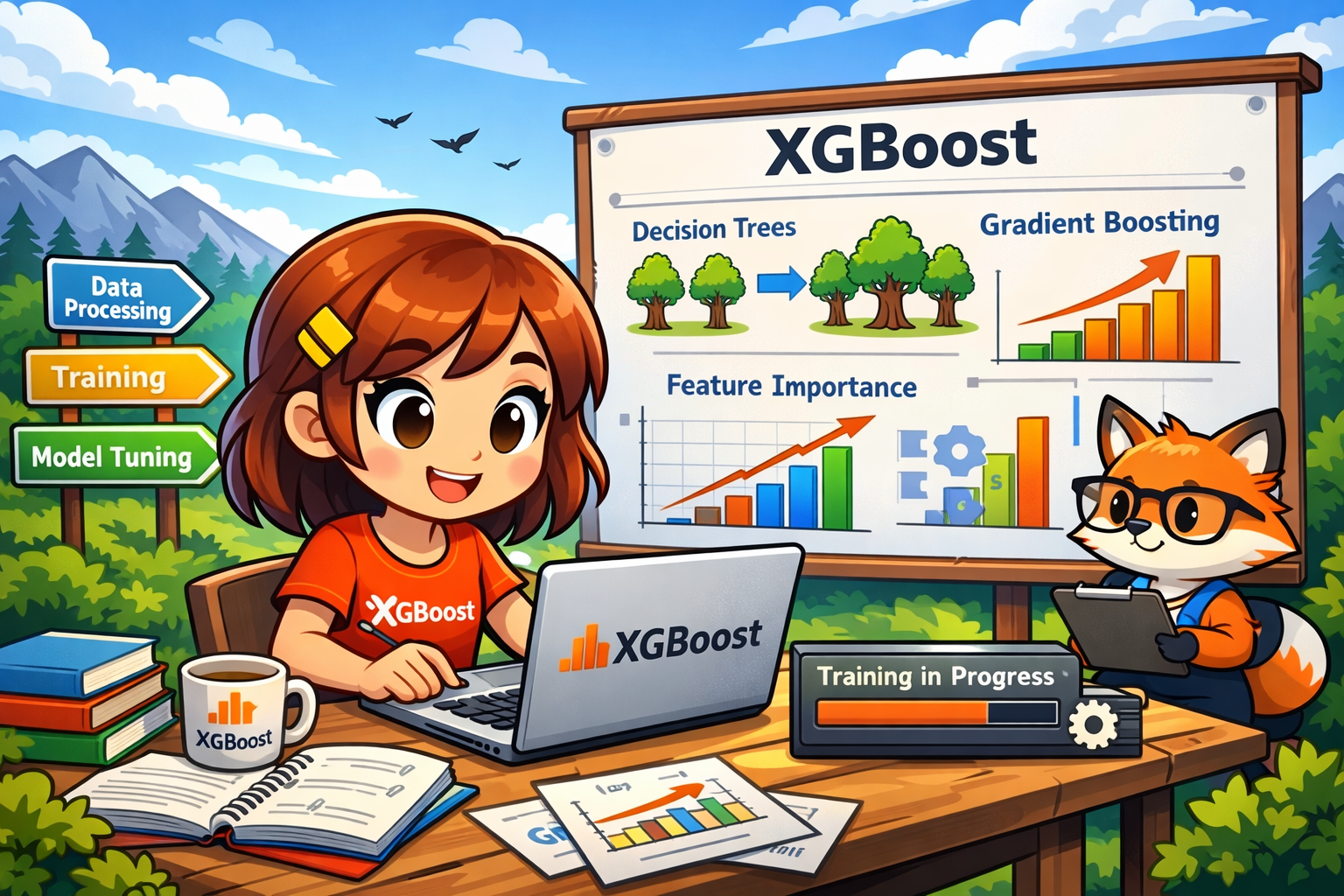
  23. Top 30 XGBoost Interview Questions and Answers (Part 1 of 2)

    This article presents the first half of a list of 30 common interview questions and answers related to XGBoost. It is intended as a resource for individuals preparing for machine learning interviews, specifically focusing on this popular gradient boosting algorithm. The content is part of a broader series on machine learning interview preparation. AI

    Top 30 XGBoost Interview Questions and Answers (Part 1 of 2)

    IMPACT Provides practical guidance for machine learning job seekers.

  24. Role Prompting: How to Assign Personas to Get Expert Results — Prompt to Profit · Day 3 of 30

    This article explains the technique of role prompting, which involves assigning specific personas to AI models to elicit more expert and tailored results. By defining a detailed persona with a title, experience, and lens, users can guide the AI to access specific knowledge domains and thinking frameworks, moving beyond generic outputs. The piece provides examples of effective role prompts and outlines common mistakes to avoid when implementing this strategy. AI

    Role Prompting: How to Assign Personas to Get Expert Results — Prompt to Profit · Day 3 of 30

    IMPACT Enhances user control over AI outputs by enabling more specific and expert-level responses through detailed persona assignment.

  25. RisingWave Unleashed: Building Real-Time AI Pipelines with Structured Output and MCP

    This article details the creation of a real-time AI analytics pipeline using a combination of technologies. It highlights how migrating from a nightly batch process to a real-time dashboard significantly reduced the time to gain insights. The process involved integrating tools like RisingWave, Arrow ADBC, and Data. AI

    RisingWave Unleashed: Building Real-Time AI Pipelines with Structured Output and MCP

    IMPACT Enables faster insights from AI data streams, potentially improving decision-making speed for organizations.

  26. 📈 Data to start your week: The cost of tokenmaxxing

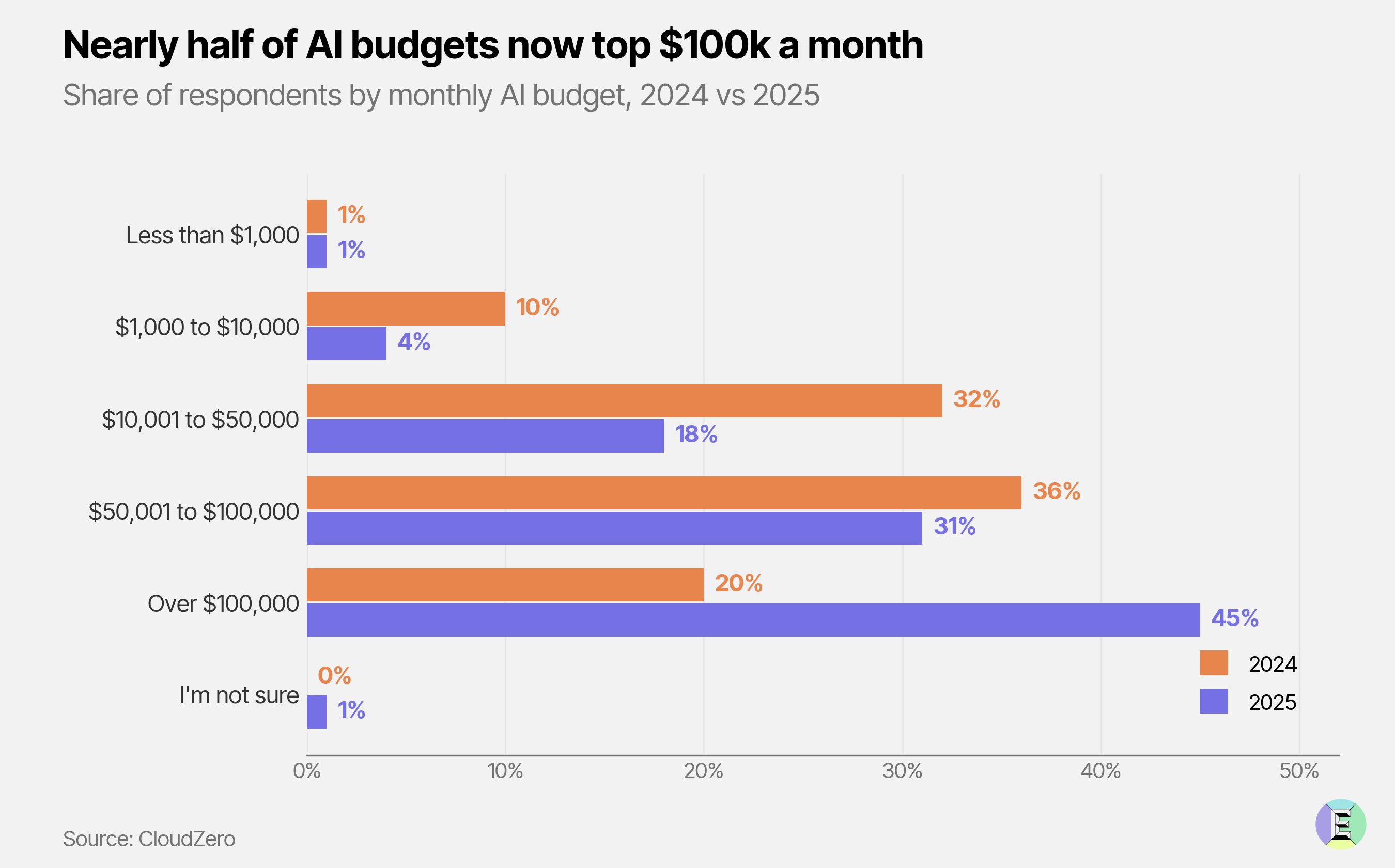
    Companies are facing unexpected and rapidly escalating costs associated with AI tokens, with many exceeding their initial budgets. This surge in token usage is driven by the adoption of agentic AI systems, which require extensive context to function effectively. Consequently, CFOs are experiencing significant budget overruns, as the variable nature of token costs makes them difficult to predict and manage, unlike traditional fixed-cost SaaS models. AI

    📈 Data to start your week: The cost of tokenmaxxing

    IMPACT Companies are grappling with unpredictable and escalating AI token expenses, impacting budgets and requiring new cost management strategies.

  27. Vector RAG vs LLM-Compiled Wiki: A Preregistered Comparison on a Small Multi-Domain Research

    A new research paper compares Vector Retrieval-Augmented Generation (RAG) against an LLM-compiled wiki for answering questions over a small corpus of 24 research papers. While the wiki excelled at synthesizing information across multiple documents, RAG performed better on single-fact lookups and overall groundedness. Exploratory analyses revealed the wiki offered stronger claim-level citation support, but a modified RAG approach could match the wiki's cross-paper synthesis capabilities at a lower cost. The study concludes that effective research synthesis involves distinct capabilities like evidence organization, citation accuracy, and cost-efficiency, with no single architecture excelling in all areas. AI

    Vector RAG vs LLM-Compiled Wiki: A Preregistered Comparison on a Small Multi-Domain Research

    IMPACT Compares RAG and LLM-compiled wikis for research synthesis, highlighting trade-offs in cost, accuracy, and synthesis capabilities.

  28. I built the npm audit for MCP servers

    The Model Context Protocol (MCP) is gaining traction as a way for AI models to interact with external tools and services. Several developers are building MCP servers to integrate with LLMs like Claude, enabling functionalities such as web searching, security scanning, and managing cloud infrastructure. These efforts highlight the growing ecosystem around MCP, with a focus on creating production-ready, secure, and specialized tools for various applications, from cybersecurity to infrastructure management. AI

    I built the npm audit for MCP servers

    IMPACT MCP servers are enabling new integrations and functionalities for AI models, expanding their capabilities in areas like security, data analysis, and infrastructure management.

  29. A new batch of modules in the Statistics Globe Hub is about to start. You can find more information about the Statistics Globe Hub, along with the full list of

    Two recent surveys explore the application of AI and deep learning in distinct fields. One paper focuses on explainable AI for detecting mental disorders through social media, emphasizing the need for transparency in healthcare AI. Another survey reviews deep learning techniques for crops, fisheries, and livestock, highlighting challenges and future directions like multimodal data integration and edge-device deployment. Additionally, several articles discuss the distinctions between AI, Machine Learning, and Deep Learning, often with practical Python examples, while others highlight AI's role in agriculture and data science education. AI

    A new batch of modules in the Statistics Globe Hub is about to start. You can find more information about the Statistics Globe Hub, along with the full list of

    IMPACT Clarifies distinctions between AI, ML, and DL, and surveys their applications in mental health and agriculture.