PulseAugur / Brief
EN
LIVE 08:00:11

Brief

last 24h
[2/2] 221 sources

Multi-source AI news clustered, deduplicated, and scored 0–100 across authority, cluster strength, headline signal, and time decay.

  1. Tom Steyer Wants to Save California From Billionaires. But Also Doesn’t Want Them to Leave

    Tom Steyer, a billionaire hedge fund manager turned climate activist and California gubernatorial candidate, is navigating a complex political landscape. He aims to tax the state's wealthiest residents and regulate the burgeoning AI industry, while simultaneously trying to retain the very billionaires and tech companies he seeks to influence. Steyer's campaign faces the challenge of balancing these competing interests, particularly concerning AI development and affordability, without alienating key economic players. AI

    Tom Steyer Wants to Save California From Billionaires. But Also Doesn’t Want Them to Leave

    IMPACT Candidates are beginning to articulate nuanced positions on AI regulation and its economic impact, signaling potential future policy directions.
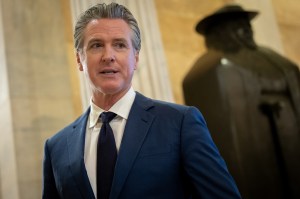
  2. Gavin Newsom takes rare step of telling Californians to avoid Chevron: ‘Big Oil is already making billions off Trump’s Iran War’

    California Governor Gavin Newsom is urging residents to avoid Chevron gas stations due to high prices, suggesting unbranded alternatives are cheaper and meet the same standards. Newsom's office claims Chevron is charging 60-80 cents more per gallon than unbranded options, contributing to the state's average gas price of $6.14. This dispute follows Chevron's signs blaming state climate policies for high costs, while Newsom's administration has previously enacted laws aimed at curbing oil company profits and stabilizing fuel prices. AI

    Gavin Newsom takes rare step of telling Californians to avoid Chevron: ‘Big Oil is already making billions off Trump’s Iran War’

    IMPACT This dispute highlights the complex interplay between state policy, corporate pricing strategies, and consumer costs in energy markets, with potential implications for regulatory approaches to pricing.