PulseAugur / Brief
EN
LIVE 07:29:07

Brief

last 24h
[2/2] 221 sources

Multi-source AI news clustered, deduplicated, and scored 0–100 across authority, cluster strength, headline signal, and time decay.

  1. A (Slightly) Mechanistic Theory for Exponentially Increasing AI Time Horizons?

    A recent analysis on LessWrong proposes a mechanistic theory for the observed exponential increase in AI time horizons, as depicted in the METR graph. The author argues that the 'time horizon' metric primarily reflects the number of challenging subtasks within a given task, rather than the AI's operational speed. This perspective suggests that longer tasks, which require more distinct requirements, are more likely to expose an AI's limitations, thus influencing the measured 'time horizon'. AI
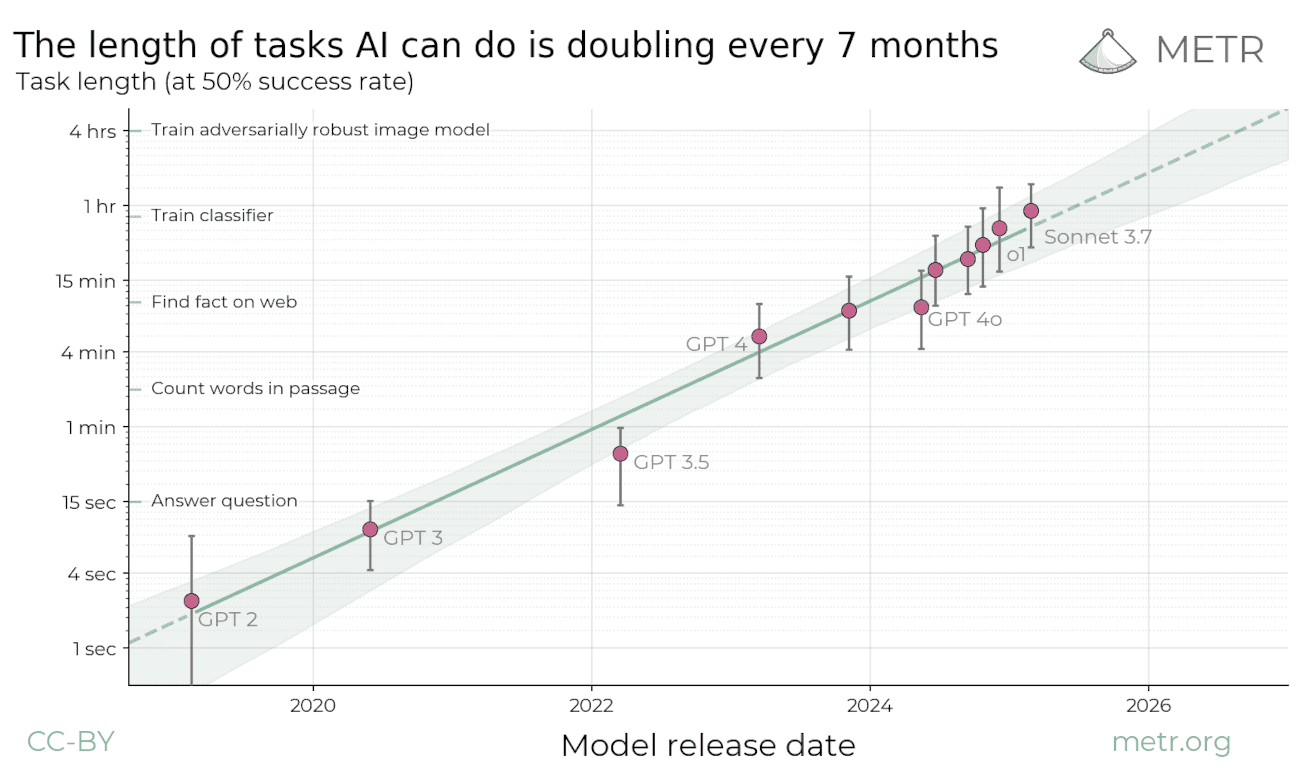
    A (Slightly) Mechanistic Theory for Exponentially Increasing AI Time Horizons?

    IMPACT This analysis reframes understanding of AI progress metrics, suggesting task complexity, not just speed, is key to predicting future capabilities.
  2. If AI is normal technology, history is not reassuring.

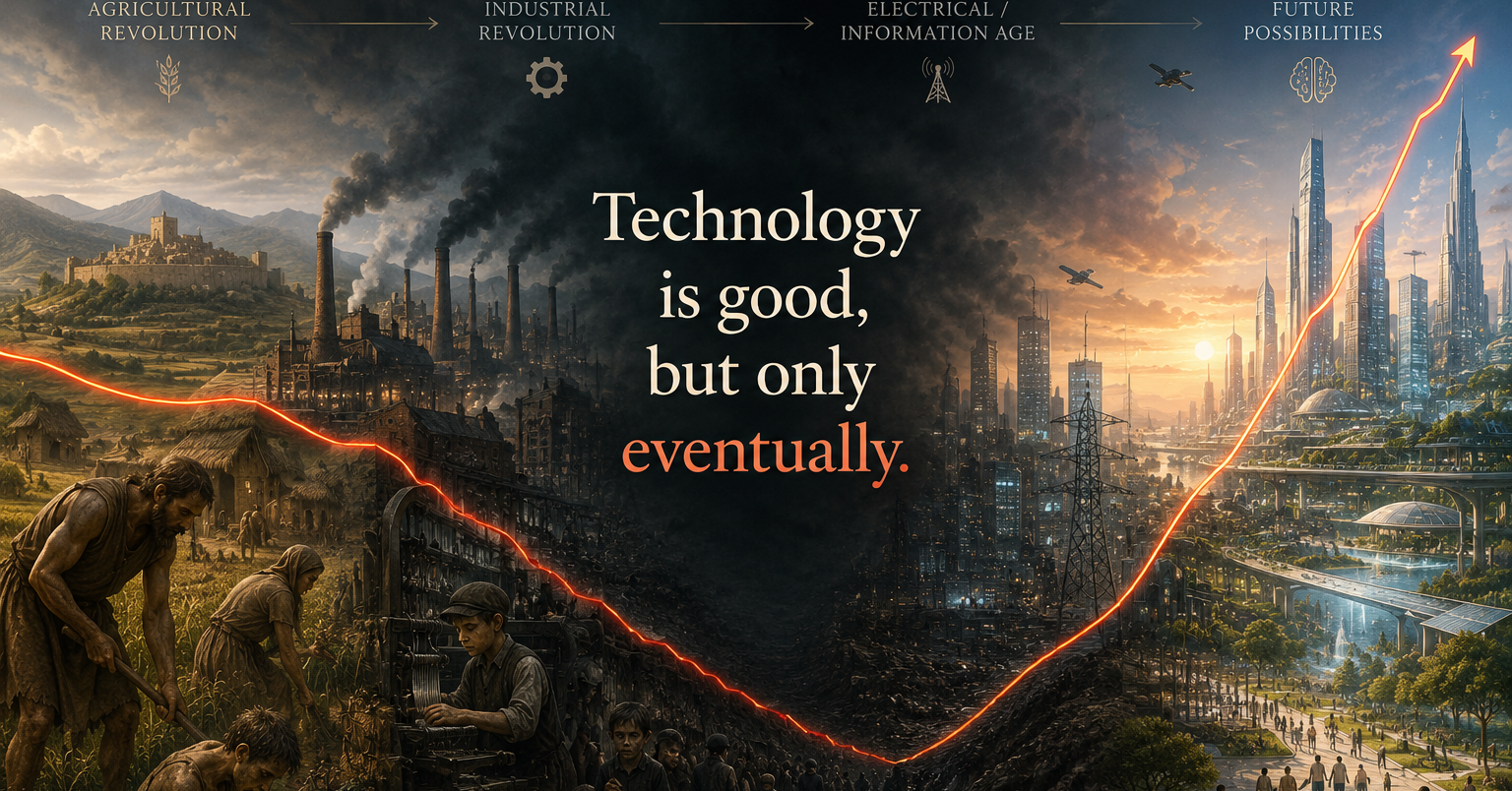
    A LessWrong post argues that AI is fundamentally different from "normal" technologies like electricity or the internet, challenging the view presented by Narayanan and Kapoor. The author contends that AI's potential for superintelligence and its profound impact on human existence necessitate urgent governance and alignment efforts. Historical examples of major technological shifts, such as the agricultural and industrial revolutions, are cited to illustrate that while long-term benefits may exist, the immediate transition periods often involve significant harm and societal disruption. AI

    If AI is normal technology, history is not reassuring.

    IMPACT Challenges the framing of AI as a 'normal' technology, urging a re-evaluation of governance and alignment strategies.