PulseAugur / Brief
EN
LIVE 20:33:01

Brief

last 24h
[20/20] 221 sources

Multi-source AI news clustered, deduplicated, and scored 0–100 across authority, cluster strength, headline signal, and time decay.

  1. Huawei claims it will make cutting-edge semiconductors by 2031

    Huawei has announced its ambition to produce cutting-edge semiconductors by 2031, aiming for transistor density comparable to the 1.4-nanometer processes expected from competitors like TSMC and Samsung. The company's head of chip development stated that this advanced manufacturing process will be both feasible and affordable. This development is significant given the ongoing US trade sanctions that have previously hindered Huawei's access to advanced chip-making equipment. AI

    Huawei claims it will make cutting-edge semiconductors by 2031

    IMPACT Huawei's pursuit of advanced chip manufacturing could impact the AI hardware supply chain and competition.
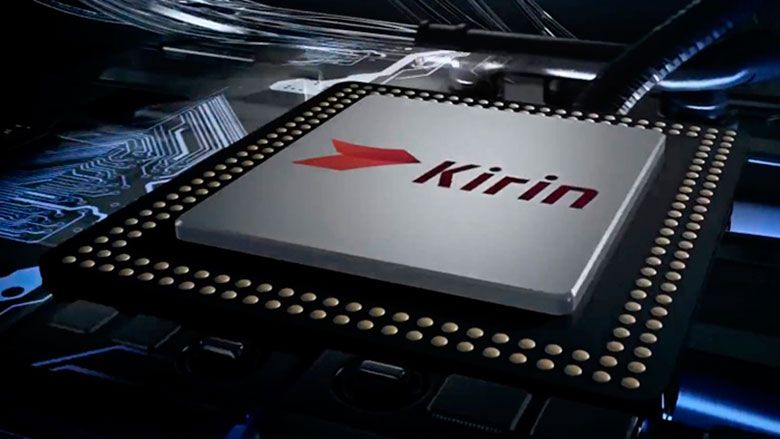
  2. Huawei claims sanctions-busting breakthrough with 1.4nm-class chips by 2031, claims 55% higher transistor density — firm claims new LogicFolding chip architecture can bypass EUV restrictions, introduces 'Tau Scaling Law' to replace Moore's Law

    Huawei has announced a new chip architecture called 'LogicFolding' that aims to bypass US sanctions and achieve '1.4nm-class' transistor density by 2031. This new design, based on a 'Tau Scaling Law' that prioritizes signal speed over component size, allows for stacked logic circuits to increase transistor density by 55%. The technology is expected to debut in upcoming Kirin smartphone processors and later be applied to AI and data center chips, potentially offering alternatives to restricted foreign hardware. AI

    Huawei claims sanctions-busting breakthrough with 1.4nm-class chips by 2031, claims 55% higher transistor density — firm claims new LogicFolding chip architecture can bypass EUV restrictions, introduces 'Tau Scaling Law' to replace Moore's Law

    IMPACT This development could provide China with domestic alternatives for AI and data center chips, potentially impacting global supply chains and competition.

  3. Chip prodigy Da Bo returns to China after his role in TSMC’s 3nm plant in Japan

    Acclaimed researcher Da Bo, known for his contributions to TSMC's 3nm plant in Japan, has returned to China with his research team. Da, who previously worked at Japan's National Institute for Materials Science, aims to elevate China's semiconductor equipment, materials, and components to global standards. His return signifies a potential boost to China's domestic semiconductor industry capabilities. AI

    Chip prodigy Da Bo returns to China after his role in TSMC’s 3nm plant in Japan

    IMPACT Strengthens China's domestic semiconductor infrastructure, potentially impacting future AI hardware development and supply chains.

  4. AMD plans to fully expand its data center CPU product roadmap to TSMC's 2nm process technology

    AMD is planning to extend its data center CPU product roadmap to TSMC's 2nm process technology. The company also intends to broaden its strategic partnerships to enhance advanced packaging capabilities. Separately, a new entity, Fosun Hanlin (Nanjing) Biotechnology Co., Ltd., has been established with a registered capital of 50 million RMB, wholly owned by Fosun Hanlin. AI

    IMPACT AMD's adoption of advanced process nodes for its CPUs will impact the performance and efficiency of AI workloads.

  5. AMD is cooperating with TSMC to increase the production capacity of the next generation of CPUs

    AMD is collaborating with TSMC to increase production capacity for its upcoming generation of CPUs. This partnership aims to bolster the manufacturing of next-generation processors. The report also touches upon broader market movements, including a widening decline in the Hang Seng Tech Index. AI

    IMPACT Enhances foundational compute infrastructure, potentially enabling more powerful AI hardware.

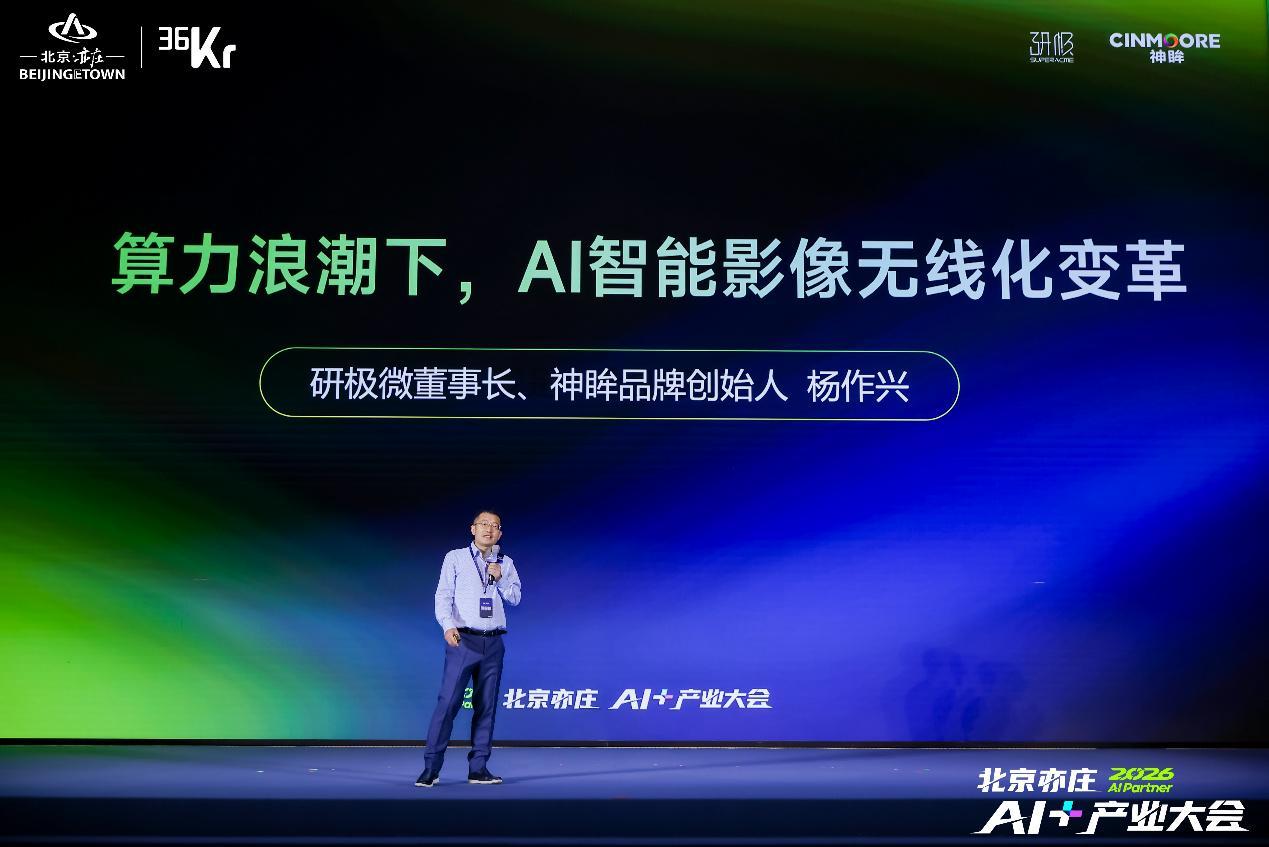
  6. The Wireless Revolution of AI Intelligent Imaging Under the Computing Power Wave | 2026 AI Partner · Beijing Yizhuang AI+ Industry Conference

    Shenmou, led by Yang Zuoxing, is developing ultra-low-power chip designs to free cameras from wires, envisioning a future with billions of smart visual terminals. Their first-generation chip achieves one-third the industry's power consumption, while the second generation reaches one-tenth, enabling all-weather smart cameras powered by a single watt of solar energy. Yang predicts a massive increase in camera demand, from hundreds of millions annually to potentially 100 billion by 2045, to feed real-time data into world-scale AI models. AI

    The Wireless Revolution of AI Intelligent Imaging Under the Computing Power Wave | 2026 AI Partner · Beijing Yizhuang AI+ Industry Conference

    IMPACT Enables massive scaling of real-world data input for AI models, potentially reducing hardware costs and expanding AI applications.

  7. Krypton Evening News | Musk's SpaceX Launches Largest IPO Plan in History; First Comprehensive Driver Service Map Launched Nationwide; General Administration of Customs Releases Several Measures to Support the Construction of the Guangdong-Hong Kong-Macao Greater Bay Area in Guangdong

    Alibaba's flagship Qwen3.7-Max model has achieved the top spot among Chinese large language models and ranks fifth globally, demonstrating performance comparable to leading models like GPT and Claude. This advancement is part of Alibaba's broader strategy to integrate AI into its e-commerce platforms for user acquisition and engagement. Meanwhile, AMD has begun mass production of its next-generation EPYC processors using TSMC's 2nm process, marking a significant step in high-performance computing. AI

    IMPACT Sets a new benchmark for Chinese LLMs, potentially driving further competition and development in the domestic AI sector.

  8. Intel reportedly urges PC manufacturers to switch to 18A high-end chips

    Intel is reportedly urging its major PC partners to increase their adoption of CPUs manufactured using its 18A process, which began mass production late last year. The company has informed clients that older chips, such as those from the 12th to 14th generation Core series using the Intel 7 process, and chips manufactured by external foundries like TSMC's N3B process, will not receive additional supply quotas or expedited shipments. AI

    IMPACT This shift in chip manufacturing focus could influence the performance and availability of future AI-enabled PCs.

  9. Alibaba Aims for Independence with New AI Chips, Model

    Alibaba has launched its new Zhenwu M890 AI chip, designed for AI agents and optimized for long context windows and inter-model communication. This move signifies Alibaba's strategy to reduce reliance on Nvidia GPUs and build a comprehensive, independent AI ecosystem. The chip was unveiled alongside the updated Qwen 3.7-Max large language model, which is engineered to run on the M890 and handle complex tasks with a 1-million token context window. AI

    Alibaba Aims for Independence with New AI Chips, Model

    IMPACT Accelerates China's push for AI independence and signals a shift towards specialized hardware for agentic AI workloads.

  10. Three major indices collectively turn green in the afternoon

    The Shanghai Stock Exchange's SSE Composite Index and Shenzhen Component Index both turned negative in the afternoon, after the ChiNext Index had initially risen over 2% in morning trading. In other news, AMD is planning to utilize TSMC's 2nm process technology for its future data center CPU roadmap and expand its advanced packaging capabilities through strategic partnerships. Additionally, Nvidia reported a first-quarter net profit of $5.83 billion, and Google CEO Sundar Pichai stated that Gemini has reached 900 million monthly active users. AI

    IMPACT Nvidia and Google's earnings and Gemini's user numbers are relevant to the AI industry's growth and adoption.

  11. China Construction Bank Stock Price Reaches All-Time High

    The banking sector experienced a significant surge, with China Construction Bank's stock price reaching an all-time high, marking a notable increase of over 2%. Several other banks, including Chongqing Bank, Qingdao Bank, Bank of China, and Jiangsu Bank, also saw their stock prices rise. In parallel, AMD is collaborating with TSMC to boost production capacity for their upcoming CPUs. AI

    IMPACT This cluster touches on AI indirectly through mentions of Nvidia and Google's Gemini, but the primary news is financial and business-related.

  12. Harvard sold off its entire $87 million Ethereum stake just one quarter after buying it

    Harvard University's endowment fund has divested its entire $87 million stake in Ethereum ETFs, marking a significant shift in its cryptocurrency investment strategy. This move follows a trend of reducing its overall crypto holdings, which saw a peak in late 2025. While the endowment still maintains a substantial position in Bitcoin ETFs, the decision to exit Ethereum highlights a re-evaluation of its digital asset portfolio amidst market fluctuations. AI

    Harvard sold off its entire $87 million Ethereum stake just one quarter after buying it

    IMPACT Minimal direct impact on AI operators; reflects broader institutional investor sentiment towards digital assets.

  13. Xi Jinping Cannot Touch 'Japan's Semiconductors'... The Names of Japanese Companies Holding Key Points of NVIDIA and TSMC's Manufacturing Lines [April 2026 BEST] | PRESIDENT Online https://www.yayafa.com/2806920/ # # Re-distribution # AgenticAi # AI # Arti

    Japan holds a critical position in the global semiconductor supply chain, particularly in advanced manufacturing processes. Chinese President Xi Jinping cannot easily interfere with this sector due to Japan's control over key elements of production lines operated by major companies like NVIDIA and TSMC. This strategic importance is highlighted by Japanese firms that are indispensable to the manufacturing capabilities of these global semiconductor giants. AI

    Xi Jinping Cannot Touch 'Japan's Semiconductors'... The Names of Japanese Companies Holding Key Points of NVIDIA and TSMC's Manufacturing Lines [April 2026 BEST] | PRESIDENT Online https://www.yayafa.com/2806920/ # # Re-distribution # AgenticAi # AI # Arti

    IMPACT Discusses geopolitical factors influencing the AI hardware supply chain.

  14. Intel kicks off development on next-decade 10A and 7A process technologies — 14A node remains on track for critical October PDK release

    Intel has initiated development on its 10A and 7A semiconductor manufacturing process technologies, targeting deployment in the 2030s. The company confirmed that its 14A node, which will utilize High-NA EUV lithography, is on schedule with a critical process design kit (PDK) release planned for October. Risk production for the 14A node is anticipated in 2028, with volume production slated for 2029, positioning it to compete with TSMC's upcoming A14 technology. AI

    Intel kicks off development on next-decade 10A and 7A process technologies — 14A node remains on track for critical October PDK release

    IMPACT Intel's advancements in manufacturing technology are crucial for enabling future AI hardware, impacting the performance and efficiency of AI chips.

  15. AMD Announces Next-Generation EPYC Processor "Venice" to be Mass-Produced Using TSMC's 2nm Process

    AMD has officially begun production of its next-generation EPYC processor, codenamed Venice. This chip is notable for being the first high-performance computing product to utilize TSMC's advanced 2nm process technology. The Venice processor is designed to offer a significant performance increase over its predecessors and is expected to ship later this year, potentially widening AMD's lead in the server CPU market. AI

    IMPACT This launch signifies a leap in processing power for data centers, crucial for scaling AI and agentic workloads.

  16. JSR to build first Taiwan photoresist plant to co-develop advanced resists with TSMC — multi-million dollar plant could come online as early as 2028

    Samsung Electronics has averted a potential strike by reaching a tentative wage agreement with its union, which represents nearly 48,000 workers. The deal, which is subject to a worker vote, was struck just hours before planned industrial action was set to begin. The dispute centered on performance bonuses, with the union seeking a larger share of annual profits and the removal of salary caps, while Samsung cited differing performance across its divisions. Meanwhile, JSR, a major photoresist maker, is building its first production facility in Taiwan to collaborate with TSMC on advanced materials, aiming to be operational by 2028. AI

    JSR to build first Taiwan photoresist plant to co-develop advanced resists with TSMC — multi-million dollar plant could come online as early as 2028

    IMPACT Potential disruption to AI memory chip supply is averted, while investment in advanced photoresist production supports future AI hardware development.

  17. 🔥 TRENDING 📢 هل عملة Taiwan Semiconductor Manufacturing Tokenized Stock (Ondo) (TSMON) استثمار جيد في عام 2026؟ - WEEX 🔗 https:// news.google.com/rss/articles/C

    The article discusses the potential of Taiwan Semiconductor Manufacturing Tokenized Stock (Ondo) (TSMON) as an investment in 2026. It appears to be a speculative piece exploring the financial prospects of a tokenized stock related to TSMC, a major semiconductor manufacturer. AI

  18. Nvidia's exposure to Asian supply chains for components hits 90% of its production costs — marked increase from 65% could intensify as physical AI adds even more exposure

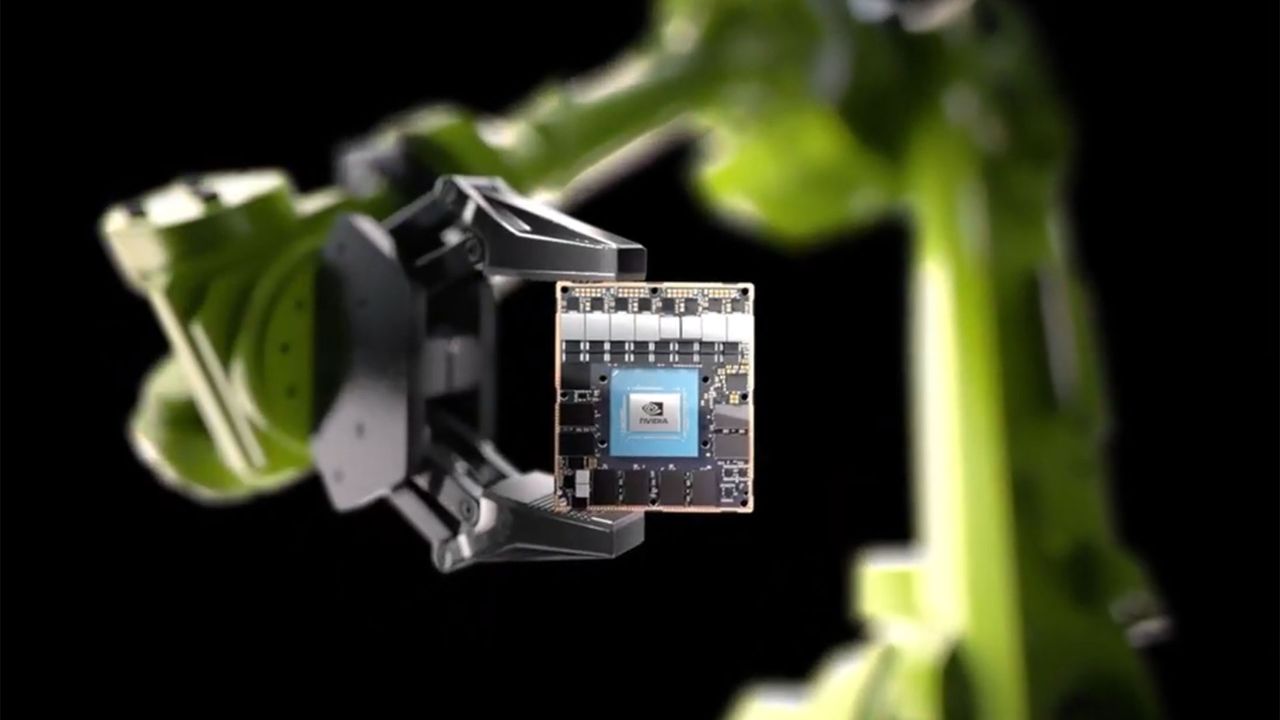
    Nvidia's reliance on Asian supply chains for components has increased to 90% of its production costs, up from 65% a year ago. This dependency impacts both its data center GPUs and newer physical AI products like the Jetson Thor robotics platform, which compete for constrained resources such as TSMC's 3nm wafer capacity and LPDDR5X memory. The company is also increasing its dividend and facing rising investor expectations, with some predicting it could join the $1 trillion market cap club by year-end. AI

    Nvidia's exposure to Asian supply chains for components hits 90% of its production costs — marked increase from 65% could intensify as physical AI adds even more exposure

    IMPACT Nvidia's increased supply chain costs and competition for resources could impact the availability and price of AI hardware, potentially affecting the pace of AI adoption.

  19. Arm Steps Deeper into Silicon: Implications for the Semiconductor Value Chain

    Arm Holdings has announced its first complete production chip, the Arm AGI CPU, designed for AI data center workloads and manufactured by TSMC on a 3nm process. This move marks a significant shift for Arm, moving beyond its traditional IP licensing model to offer turnkey chip solutions, aiming to accelerate time-to-market and reduce costs for customers like Meta and OpenAI. The AGI CPU is expected to be available in the second half of 2026, positioning Arm to capture more value in the rapidly growing AI semiconductor market. AI

    Arm Steps Deeper into Silicon: Implications for the Semiconductor Value Chain

    IMPACT Arm's entry into full chip production with its AGI CPU could accelerate AI deployment by reducing time-to-market and development costs for major tech players.

  20. When Models Eat the World: Supply Chain Quality for AI-Dependent Systems

    Databricks has developed a new monitoring platform called Hydra, built on its Lakehouse architecture, to handle the massive scale of its operations, ingesting over 10 trillion samples daily and managing 5 billion active timeseries. This platform addresses challenges with high-cardinality metrics and aims for a more hands-off, self-healing infrastructure. Meanwhile, nOps has rebuilt its cloud optimization platform using Databricks Lakebase, integrating its application and analytics for a simpler, faster architecture. Additionally, several companies are launching tools and platforms aimed at simplifying cloud infrastructure management and AI application deployment across AWS, GCP, and Azure, with a focus on security and developer experience. AI

    When Models Eat the World: Supply Chain Quality for AI-Dependent Systems

    IMPACT New infrastructure and tools are emerging to support large-scale AI deployments and multi-cloud management, indicating a maturing ecosystem for AI operations.