PulseAugur / Brief
EN
LIVE 10:47:03

Brief

last 24h
[4/4] 223 sources

Multi-source AI news clustered, deduplicated, and scored 0–100 across authority, cluster strength, headline signal, and time decay.

  1. Chinese beauty brands flock to Southeast Asia as their first step in going global

    Chinese beauty brands are increasingly expanding into Southeast Asia as their primary global market, driven by intense domestic competition and a growing acceptance of Chinese products in the region. Companies like Joy Group, behind brands Judydoll and Joocyee, are establishing regional hubs and seeing significant overseas sales, particularly in Vietnam. This trend is supported by China's substantial investment in R&D and a government push to enhance cultural influence, alongside brands learning to better market themselves through storytelling and heritage. AI
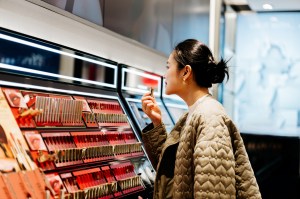
    Chinese beauty brands flock to Southeast Asia as their first step in going global

    IMPACT Confirms a growing trend of Chinese companies leveraging R&D and cultural influence for global market penetration.
  2. Trump’s forced-labour tariffs put Southeast Asia in the firing line

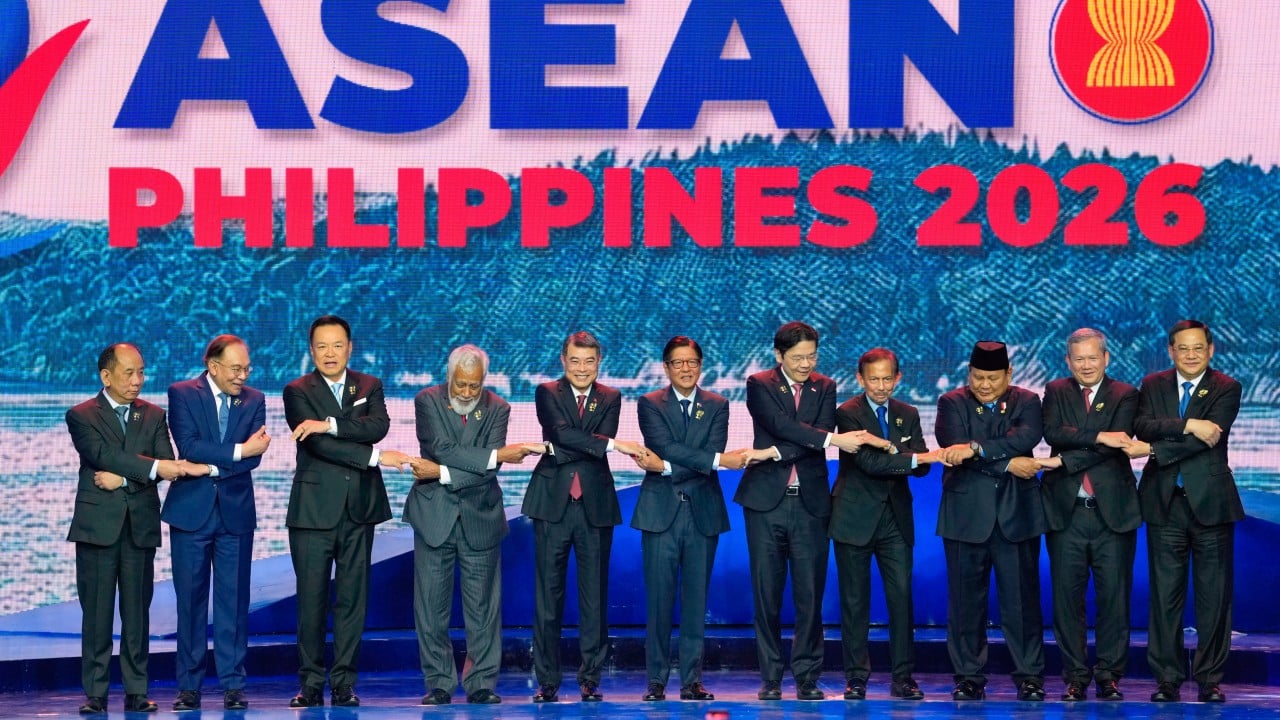
    The US is proposing new tariffs on goods from Southeast Asian countries, citing concerns over forced labor. These tariffs, ranging from 10% to 12.5%, could significantly disrupt regional supply chains and push countries towards greater economic integration. The US Trade Representative's office stated that these measures are intended to ensure fair competition for American workers. AI

    Trump’s forced-labour tariffs put Southeast Asia in the firing line
  3. Southeast Asian families' "new three essentials": Energy storage battery merchants sell out on Lazada

    Household energy storage is becoming a new essential appliance in Southeast Asia, akin to air conditioners and refrigerators. Factors like rising electricity prices, frequent typhoons, and geopolitical instability have driven a surge in demand for energy storage solutions. E-commerce platforms like Lazada are capitalizing on this trend, supporting Chinese merchants in expanding their reach and meeting consumer needs. AI

    IMPACT This trend highlights a growing demand for reliable energy solutions, potentially influencing the development and deployment of smart grid technologies and AI-driven energy management systems.

  4. As Putin courts Southeast Asia, does ‘Russia need Asean more’?

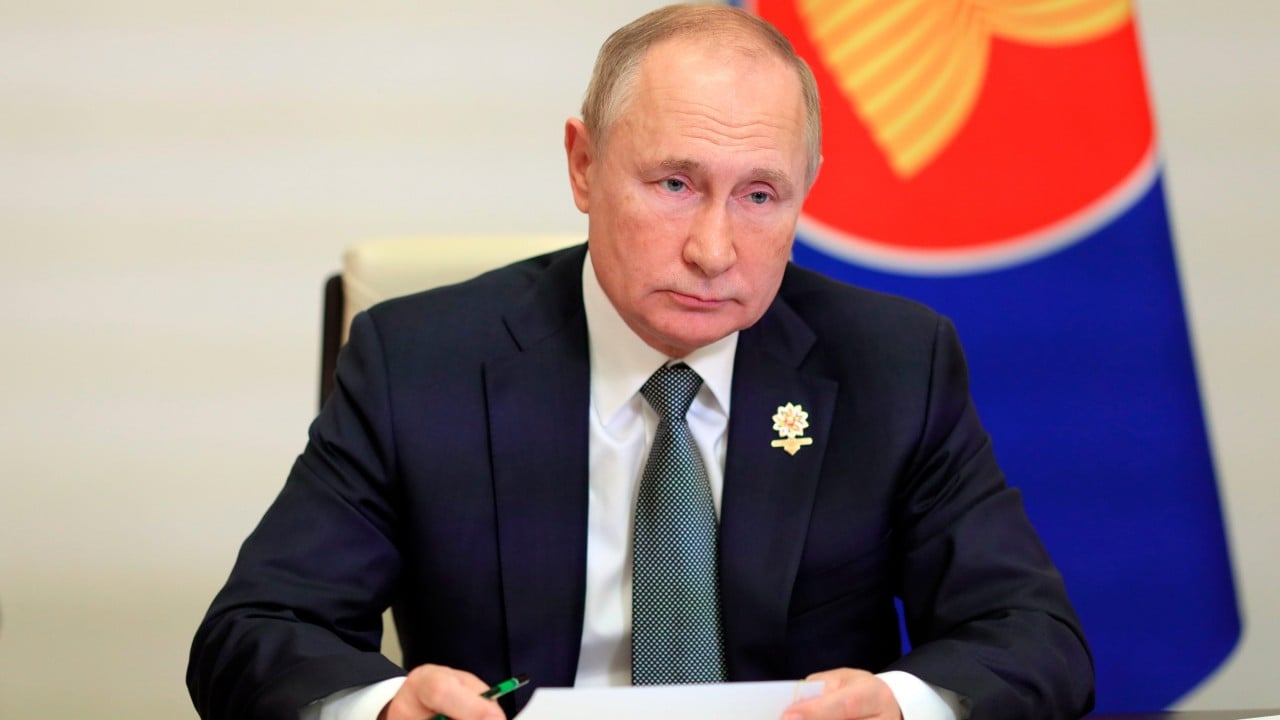
    Russian President Vladimir Putin is seeking to strengthen ties with Southeast Asian nations, particularly by addressing their energy needs. The upcoming summit in Kazan, celebrating 35 years of Russia-ASEAN relations, presents an opportunity for both sides to engage. However, countries like the Philippines face competing pressures between potential energy cooperation with Russia and their existing security alliances with the US and Japan. AI

    As Putin courts Southeast Asia, does ‘Russia need Asean more’?