PulseAugur / Brief
EN
LIVE 14:21:16

Brief

last 24h
[11/11] 224 sources

Multi-source AI news clustered, deduplicated, and scored 0–100 across authority, cluster strength, headline signal, and time decay.

  1. Sci-Rho: A Multilingual Visually-Grounded Symbolic Benchmark for STEM Problems

    Researchers have introduced Sci-Rho, a new multilingual benchmark designed to test the robustness of visual-language models (VLMs) on STEM problems. This benchmark includes over 4,200 problem templates across five subjects and seven languages, generating more than 42,000 unique instances. Evaluations of 17 state-of-the-art VLMs revealed a significant gap between average and worst-case accuracy, with smaller models showing more performance degradation across languages compared to larger, proprietary models. AI

    IMPACT Highlights the need for more robust evaluation methods for VLMs, particularly across different languages and visual contexts.
  2. As AI upends humanity, we must focus on what makes us human

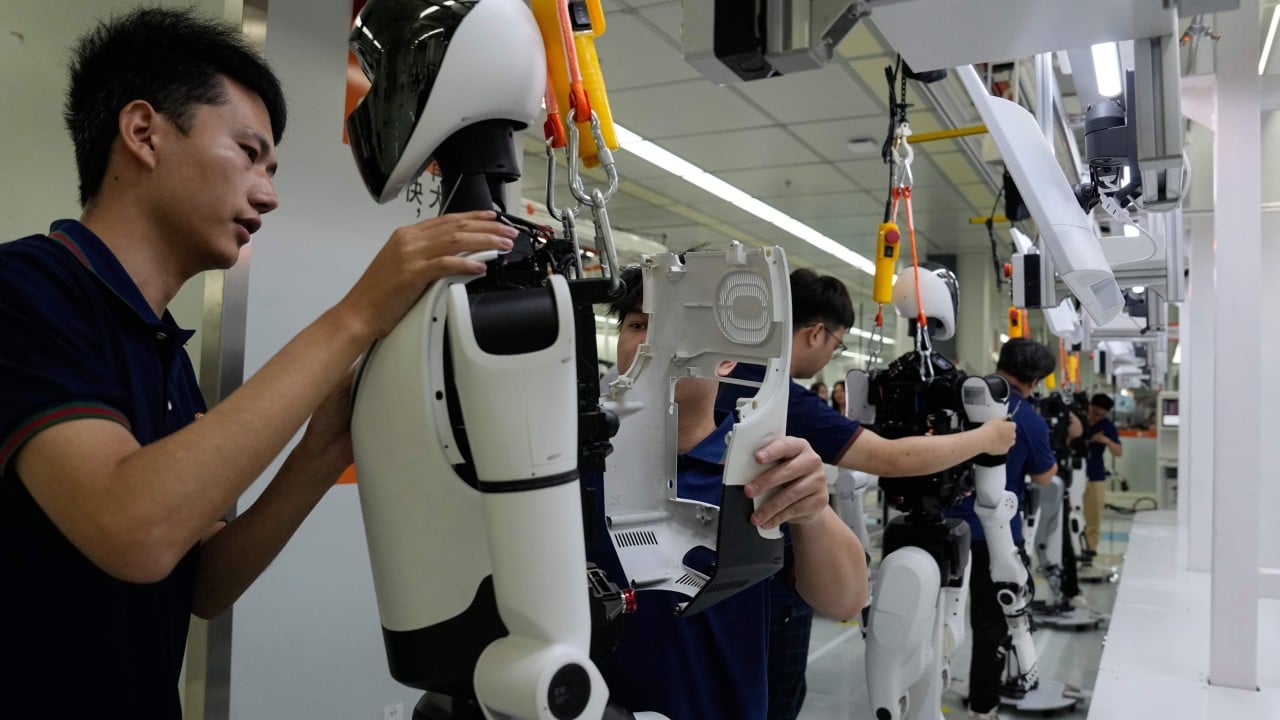
    The increasing integration of AI into various sectors, including employment and decision-making, necessitates a re-evaluation of educational priorities. While STEM and machine learning are crucial, a sole focus on these fields is insufficient. The humanities, encompassing subjects like literature, history, and philosophy, are essential for cultivating uniquely human skills that AI cannot replicate, thereby preparing individuals to thrive in an AI-augmented future. AI

    As AI upends humanity, we must focus on what makes us human

    IMPACT Emphasizes the need for humanities to complement STEM education, fostering uniquely human skills in an AI-driven world.

  3. Code-Driven Visual Perception: Why "Understanding Code" is the Real Key for Large Models to Conquer STEM Problems | CVPR 2026

    Researchers from Shanghai Jiao Tong University and the Qwen team have introduced CodePercept, a novel approach to enhance large language models' visual perception capabilities, particularly for STEM tasks. Their research suggests that improving visual perception, rather than just reasoning, is the key bottleneck for models tackling science and math problems. CodePercept leverages code as a precise language for visual understanding, enabling models to generate executable code that accurately represents image content, thereby overcoming the inherent ambiguity of natural language descriptions. AI

    Code-Driven Visual Perception: Why "Understanding Code" is the Real Key for Large Models to Conquer STEM Problems | CVPR 2026

    IMPACT This approach could significantly improve LLMs' ability to understand and solve complex STEM problems by enhancing their visual perception through precise code-based representations.

  4. Intelligent CCTV for Urban Design: AI-Based Analysis of Soft Infrastructure at Intersections

    Oregon State University has developed LaTA, a FERPA-compliant local LLM autograder designed to streamline STEM education. This system allows for secure, zero-cost grading on campus hardware without altering existing LaTeX workflows, significantly reducing grading time. Additionally, intelligent CCTV systems utilizing AI are showing promise in urban safety, with one study indicating a 23% reduction in vehicle speeds in Minneapolis. Meanwhile, the Chinese AI ecosystem is gaining attention, with DeepSeek being praised for its collaborative approach, contrasting with Western models. AI

    Intelligent CCTV for Urban Design: AI-Based Analysis of Soft Infrastructure at Intersections

    IMPACT New tools like LaTA could significantly reduce educator workload, while AI-powered CCTV offers potential for improved urban safety and traffic management.

  5. TeachMaster: Generative Teaching via Code

    Researchers have developed MAIC-UI, a system designed to simplify the creation of interactive STEM courseware. This zero-code platform allows educators to generate and rapidly edit educational materials from existing documents like textbooks and PDFs. MAIC-UI utilizes a structured knowledge analysis and a generate-verify-optimize pipeline to ensure pedagogical accuracy and offers sub-10-second editing cycles. A study involving high school students showed that MAIC-UI improved learning outcomes and reduced disparities compared to traditional methods. AI

    TeachMaster: Generative Teaching via Code

    IMPACT Streamlines educational content creation, potentially lowering barriers for educators and improving student learning outcomes.

  6. STEM: Structure-Tracing Evidence Mining for Knowledge Graphs-Driven Retrieval-Augmented Generation

    Researchers have introduced STEM, a new framework designed to enhance knowledge graph-based question answering. This approach tackles challenges related to the structural heterogeneity of knowledge graphs and the lack of global perspective in existing reasoning path retrieval methods. STEM reframes multi-hop reasoning as a schema-guided graph search, improving accuracy and evidence completeness in retrieval tasks. AI

    STEM: Structure-Tracing Evidence Mining for Knowledge Graphs-Driven Retrieval-Augmented Generation

    IMPACT Improves accuracy and evidence completeness for multi-hop reasoning in knowledge graph question answering.

  7. Locating acts of mechanistic reasoning in student team conversations with mechanistic machine learning

    Researchers have developed an interpretable machine learning model to identify instances of mechanistic reasoning within student team conversations. This tool analyzes individual utterances and group contributions to output probabilities of students engaging in such reasoning over time. The model incorporates a specific inductive bias designed to align probabilistic dynamics with domain-specific behavior, which experiments show improves generalization and interpretability. AI

    Locating acts of mechanistic reasoning in student team conversations with mechanistic machine learning

    IMPACT Provides a new interpretable tool for STEM education researchers to analyze student reasoning in conversations.

  8. Forget the STEM safety net. Peter Thiel warns AI is a bigger threat to technical roles than to creative thinkers

    Billionaire Peter Thiel suggests that artificial intelligence poses a greater threat to technical roles than to creative or communication-focused positions. He argues that skills like storytelling and strong communication are becoming increasingly valuable in the job market, with some companies offering substantial salaries for these roles. While technical skills like AI prompt engineering remain in demand, they often require linguistic and creative abilities to optimize AI outputs, indicating a shift in the most sought-after proficiencies. AI

    Forget the STEM safety net. Peter Thiel warns AI is a bigger threat to technical roles than to creative thinkers

    IMPACT Suggests a significant shift in valued job skills, potentially impacting career choices and educational focus towards creative and communication roles over traditional STEM.

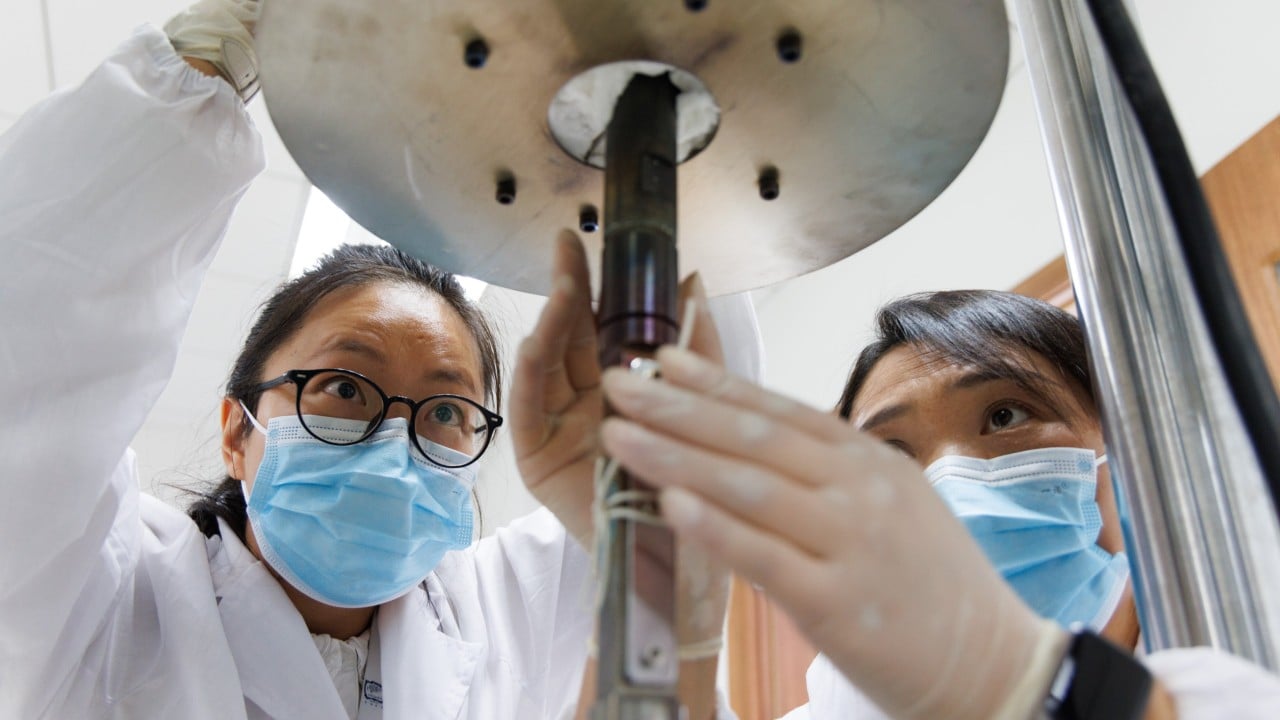
  9. Young, frustrated Chinese STEM PhDs turn to publishing satirical journals

    Junior researchers in China's STEM fields are creating satirical journals to cope with academic pressures. These publications, often humorously named after prestigious scientific journals like Science and Nature, serve as an outlet for frustration stemming from the 'publish or perish' culture and intense competition. The researchers feel their work is often driven by external demands for material gain rather than genuine scientific inquiry, leading to low-quality output and a sense of drudgery. AI

    Young, frustrated Chinese STEM PhDs turn to publishing satirical journals
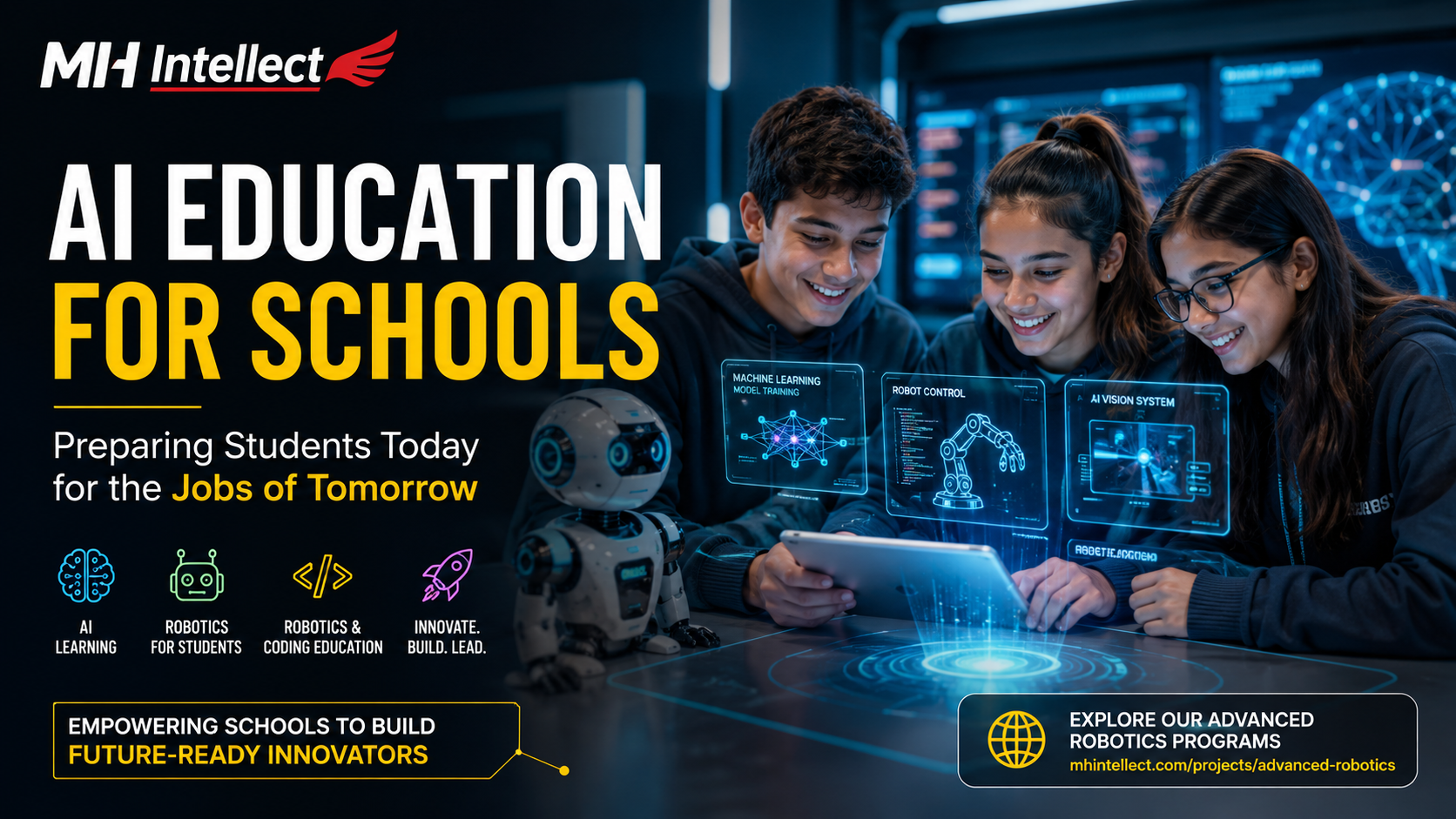
  10. Schools across the UAE are increasingly implementing AI-powered STEM learning systems focused on robotics engineering, coding education, automation learning, an

    Schools in the UAE are adopting AI-driven STEM education platforms, emphasizing robotics, coding, and automation. These programs aim to enhance students' creativity, technical skills, and analytical abilities. The initiative prepares students for future careers in AI-influenced industries. AI

    Schools across the UAE are increasingly implementing AI-powered STEM learning systems focused on robotics engineering, coding education, automation learning, an

    IMPACT AI-driven STEM tools are being integrated into UAE schools to enhance student learning and prepare them for future industries.

  11. ArguAgent: AI-Supported Real-Time Grouping for Productive Argumentation in STEM Classrooms

    Researchers have developed ArguAgent, a generative AI system designed to improve collaborative learning in STEM classrooms. The system uses AI to group students in real-time based on their argumentation stances and quality, aiming to foster more inclusive and productive discussions. Testing with OpenAI models like GPT-4o-mini and GPT-5.2 demonstrated that prompt engineering significantly improved scoring accuracy, with model upgrades providing a smaller boost. Simulations showed ArguAgent achieved its grouping criteria in 95.4% of cases, a substantial improvement over random assignment. AI

    ArguAgent: AI-Supported Real-Time Grouping for Productive Argumentation in STEM Classrooms

    IMPACT Enables more equitable and effective group discussions in educational settings through AI-driven student grouping.