PulseAugur / Brief
EN
LIVE 21:50:55

Brief

last 24h
[3/3] 221 sources

Multi-source AI news clustered, deduplicated, and scored 0–100 across authority, cluster strength, headline signal, and time decay.

  1. i vibe coded a #lisp machine (well, scheme) it compiles to wasm and runs in the browser. took about a week of work. #programming #ai

    A developer created a Lisp dialect, specifically Scheme, that compiles to WebAssembly and runs within a web browser. This project, which involved approximately one week of development, aims to provide a functional Lisp environment accessible through a web interface. AI
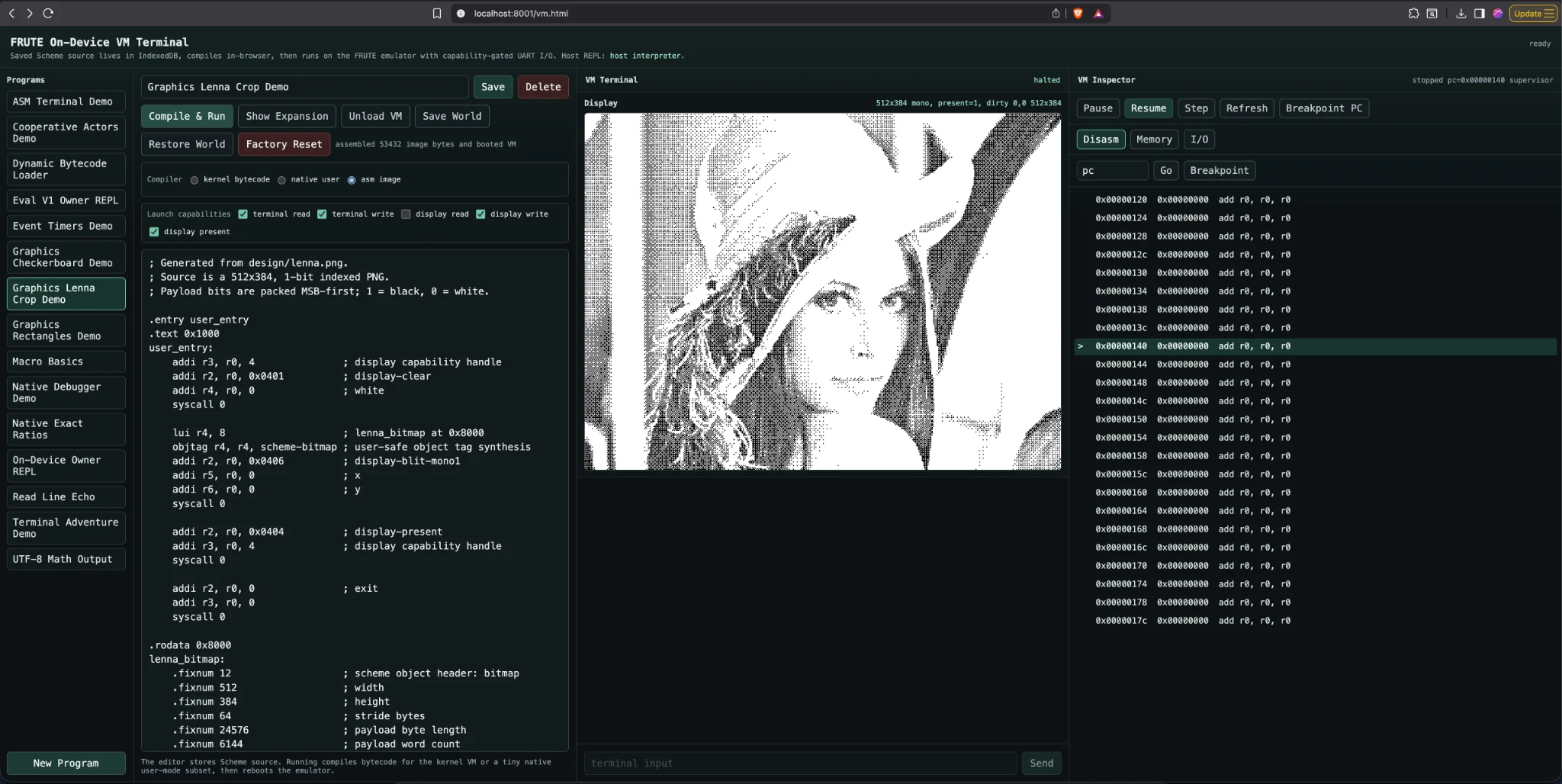
    i vibe coded a #lisp machine (well, scheme) it compiles to wasm and runs in the browser. took about a week of work. #programming #ai

    IMPACT Provides a new tool for developers interested in Lisp and WebAssembly environments.

  2. (Reposting a blog post by @ zyd copy-pasted in full from: this webpage ) Can you Lisp without being strapped in to the Torment Nexus Machine? As of 2026-05-18 …

    A recent survey of Lisp and Scheme programming projects reveals varying stances on the use of AI-generated code. As of May 2026, many projects have established policies, with some strictly prohibiting LLM contributions and others hesitantly accepting them. A few projects are still awaiting official policies or have nuanced approaches, such as allowing LLM use for core developers but not external contributions. AI

    IMPACT Developers of Lisp and Scheme dialects are establishing policies on AI-generated code, indicating a growing need to address AI's role in software development.

  3. The Neural Compiler: Program-to-Network Translation for Hybrid Scientific Machine Learning

    Researchers have developed "The Neural Compiler," a system that translates symbolic programs into differentiable PyTorch modules for scientific machine learning. This approach allows for the exact encoding of known physics within hybrid models, with learned components handling unknown aspects. The compiler demonstrated high accuracy and composability, significantly outperforming standard physics-informed neural networks (PINNs) in recovering physical constants and handling complex equation chains. AI

    IMPACT Enables more accurate and composable scientific machine learning models by integrating symbolic physics with neural networks.