PulseAugur / Brief
EN
LIVE 17:48:15

Brief

last 24h
[3/3] 222 sources

Multi-source AI news clustered, deduplicated, and scored 0–100 across authority, cluster strength, headline signal, and time decay.

  1. Finding Success in Industry as a Chip Designer

    An experienced ASIC designer reflects on the significant differences between academic and industry chip design, highlighting the shift from demonstrating novel concepts to ensuring reliable, scalable, and on-schedule production. The author notes that industry prioritizes risk minimization and proven solutions, contrasting with academia's exploration of unproven territory. This divergence has widened with advanced technologies like FinFET and chiplets, increasing development costs and complexity. AI

    Finding Success in Industry as a Chip Designer
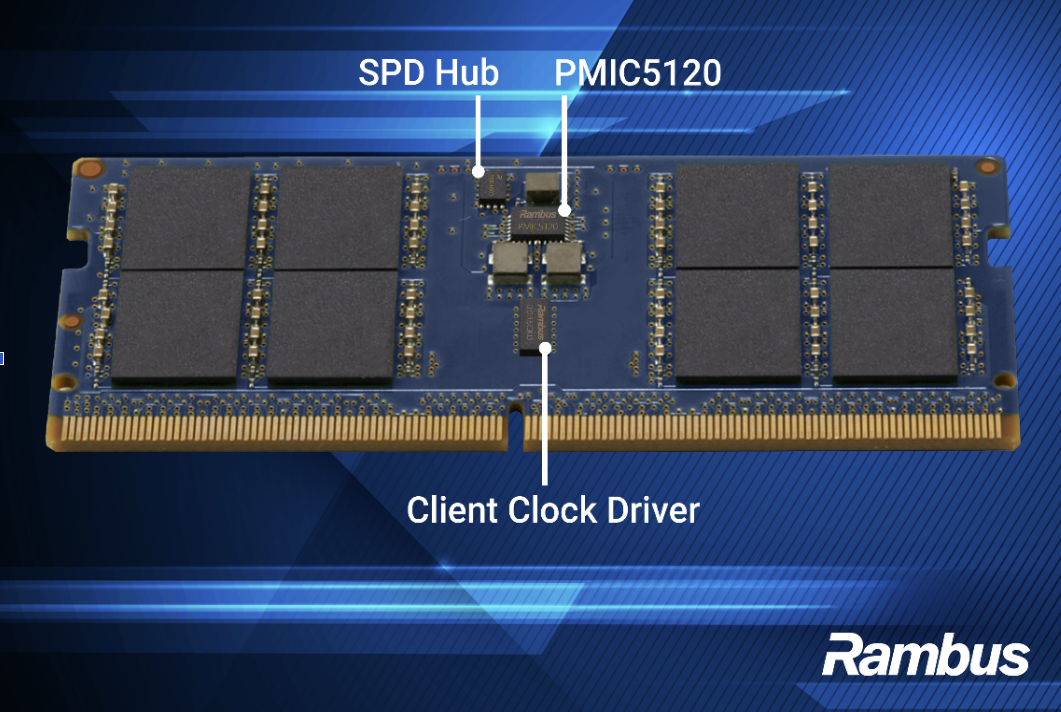
  2. https://www. europesays.com/3019472/ Rambus targets agentic AI workloads with faster client memory chipset # AgenticAI # AgenticArtificialIntelligence # AI # Ar

    Rambus has introduced a new chipset designed to accelerate agentic AI workloads. This new memory solution aims to enhance the performance of AI systems that operate autonomously and perform complex tasks. The development focuses on providing faster client memory to meet the increasing demands of advanced AI applications. AI

    https://www. europesays.com/3019472/ Rambus targets agentic AI workloads with faster client memory chipset # AgenticAI # AgenticArtificialIntelligence # AI # Ar

    IMPACT This new memory chipset could improve the efficiency and speed of AI agents, potentially accelerating the development and deployment of autonomous AI systems.

  3. Post-Quantum Cryptography: How To Prepare Your Organization Now

    Organizations must prepare for the advent of post-quantum cryptography, as quantum computers capable of breaking current encryption are on the horizon. While NIST has released initial standards, migrating systems requires a strategic approach. Key steps include classifying data by its confidentiality lifespan, centralizing visibility of cryptographic assets, and automating the discovery of legacy encryption. Leveraging AI can accelerate risk assessment and prioritization, while strengthening end-to-end encryption practices and building in multiple verification options are crucial for future security. AI

    Post-Quantum Cryptography: How To Prepare Your Organization Now

    IMPACT AI is highlighted as a tool to accelerate cryptographic discovery and risk prioritization in the context of post-quantum security.