PulseAugur / Brief
EN
LIVE 03:05:02

Brief

last 24h
[7/7] 221 sources

Multi-source AI news clustered, deduplicated, and scored 0–100 across authority, cluster strength, headline signal, and time decay.

  1. Best GPU for Llama 4 Scout (109B MoE) in 2026 Ranked

    Meta's Llama 4 Scout, a 109 billion parameter mixture-of-experts model, requires approximately 25GB of VRAM for usable performance at Q4_K_M quantization. The RTX 5090 with 32GB of VRAM is presented as the sole single consumer GPU capable of running the model locally. For a more cost-effective local solution, a dual RTX 3090 setup offers comparable performance and more VRAM for a similar price, though it involves greater complexity. Cloud GPU instances are recommended for users who only need to run the model occasionally. AI

    IMPACT Provides crucial hardware guidance for running advanced LLMs locally, impacting AI operators and researchers.
  2. Your Team Is Paying $3,600 a Year for ChatGPT. Here’s How to Replace It for $75/Month.

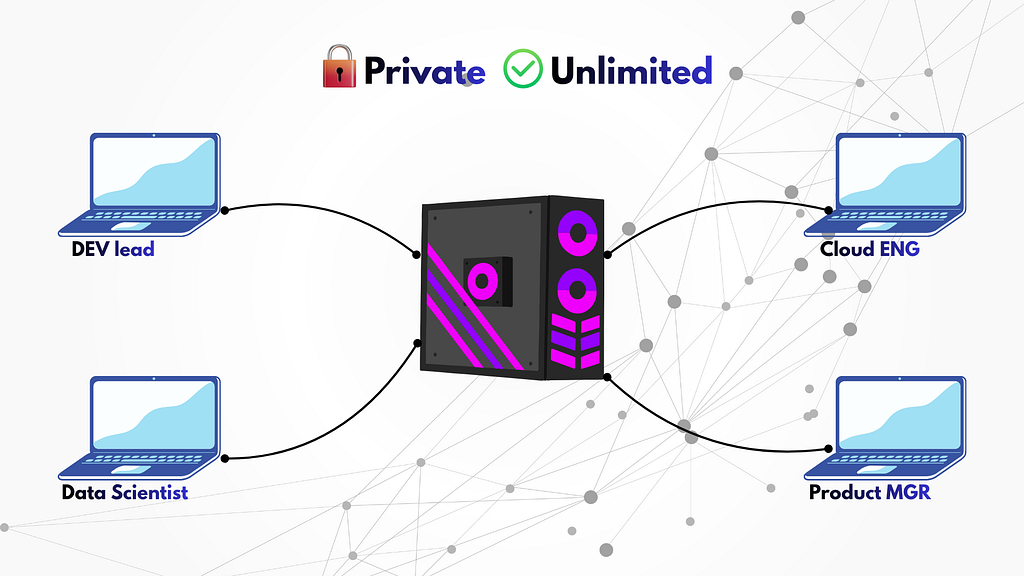
    Teams can significantly reduce their AI costs by self-hosting an AI server instead of paying for services like ChatGPT Team. This approach offers unlimited usage and enhanced data privacy by keeping all prompts and data on the company's own network. The setup involves open-source tools like Ollama for model running, Open WebUI for a ChatGPT-like interface, Qdrant for document search, and Tailscale for secure remote access, with hardware requirements centered around a GPU with 24GB of VRAM. AI

    Your Team Is Paying $3,600 a Year for ChatGPT. Here’s How to Replace It for $75/Month.

    IMPACT Enables teams to reduce AI operational costs and enhance data privacy by self-hosting models.

  3. The Complete Guide to Running LLMs Locally in 2026: From Ollama to Production

    This guide details how to run advanced large language models locally on personal hardware in 2026, bypassing expensive API costs. It emphasizes that VRAM is the primary hardware bottleneck, not raw compute power, and suggests specific GPU configurations for different budgets. The guide recommends using Ollama as the standard tool for managing local LLMs and highlights several Chinese models, such as Qwen 2.5 and DeepSeek-R1, for their strong performance relative to their size. AI

    IMPACT Enables cost-effective local LLM deployment, democratizing access to advanced AI capabilities.

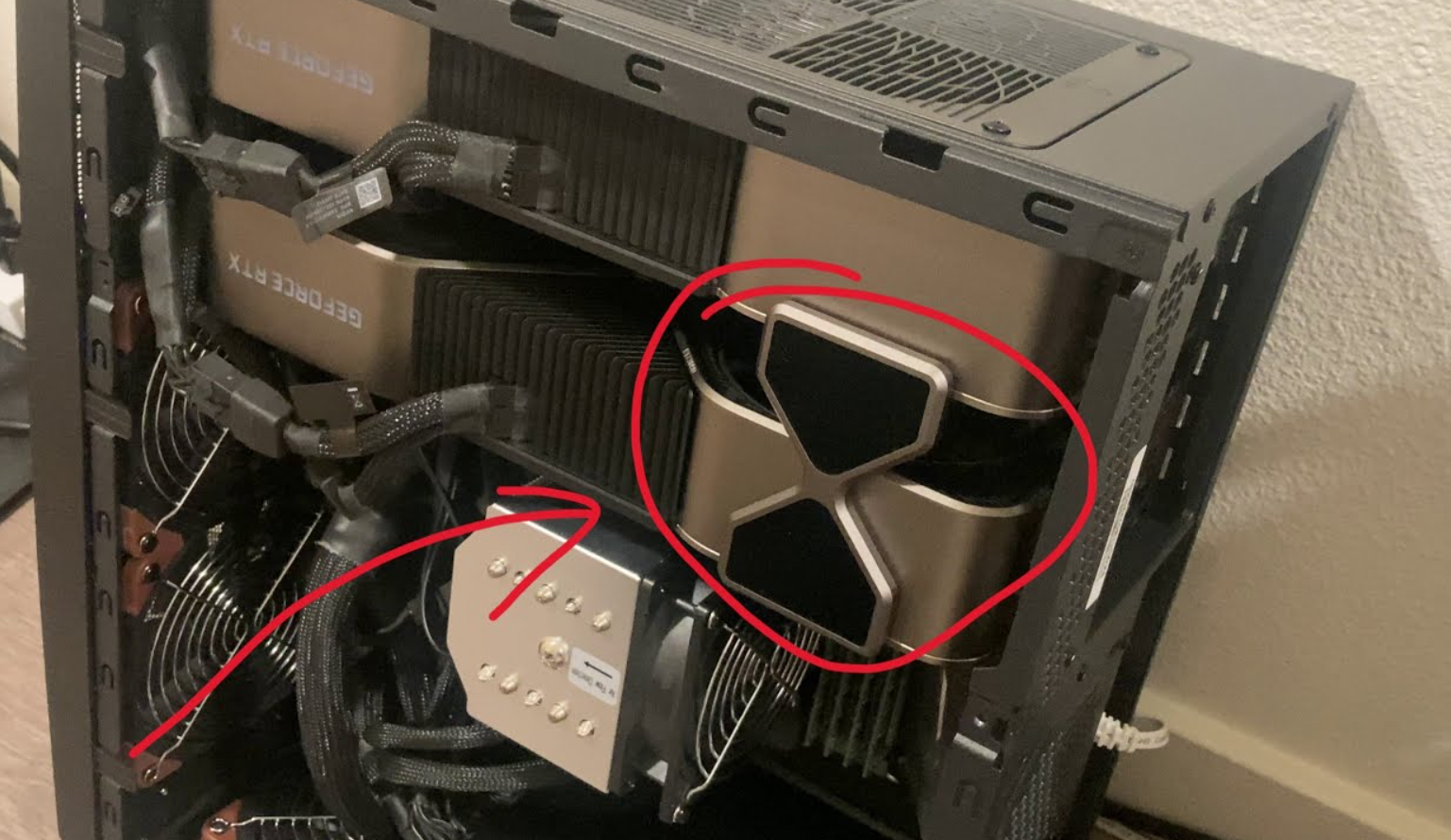
  4. How to Build an Opus 4.5 at Home AI Setup With 2 RTX 3090s

    This article provides a guide for individuals looking to set up their own AI environment at home using two RTX 3090 graphics cards. It aims to demystify the process, making advanced AI capabilities accessible beyond large corporations. The guide focuses on practical steps for building a personal AI setup. AI

    How to Build an Opus 4.5 at Home AI Setup With 2 RTX 3090s

    IMPACT Enables individuals to run advanced AI models locally, reducing reliance on cloud services.

  5. Choosing an abliterated version of Gemma 4 31B and 26B-A4B

    New developments in local LLM inference are enhancing performance on consumer hardware. The BeeLlama v0.2.0 release, utilizing a DFlash update, significantly boosts token generation speeds for models like Qwen and Gemma on GPUs such as the RTX 3090, offering up to a 5x speedup. Additionally, ByteShape quantizations are improving Qwen model performance on laptops with limited VRAM, providing a notable speed increase. These advancements aim to make larger, more capable open-weight models practical for everyday local use. AI

    IMPACT Enhances local LLM inference performance, making larger models more accessible on consumer hardware.

  6. Hot To Run LLMs Locally

    This series of guides provides comprehensive instructions for setting up and running large language models (LLMs) locally on Linux systems. It details hardware and software prerequisites, recommends using llama.cpp for its balance of performance and ease of use, and covers model selection, quantization, and API integration. The guides also include steps for setting up systemd services for 24/7 operation, monitoring performance, and optimizing for various hardware constraints. AI

    IMPACT Enables developers to run and experiment with LLMs locally, reducing reliance on cloud services and facilitating custom application development.