PulseAugur / Brief
EN
LIVE 05:14:45

Brief

last 24h
[3/3] 221 sources

Multi-source AI news clustered, deduplicated, and scored 0–100 across authority, cluster strength, headline signal, and time decay.

  1. MCP Is the New API and Most PMs Have No Idea

    The MCP (Model Communication Protocol) is emerging as a foundational technology for building AI products, akin to how APIs revolutionized software development. This protocol enables seamless interaction between different AI models and services, simplifying the development process. Many product managers are reportedly unaware of its significance and potential impact on the future of AI product creation. AI
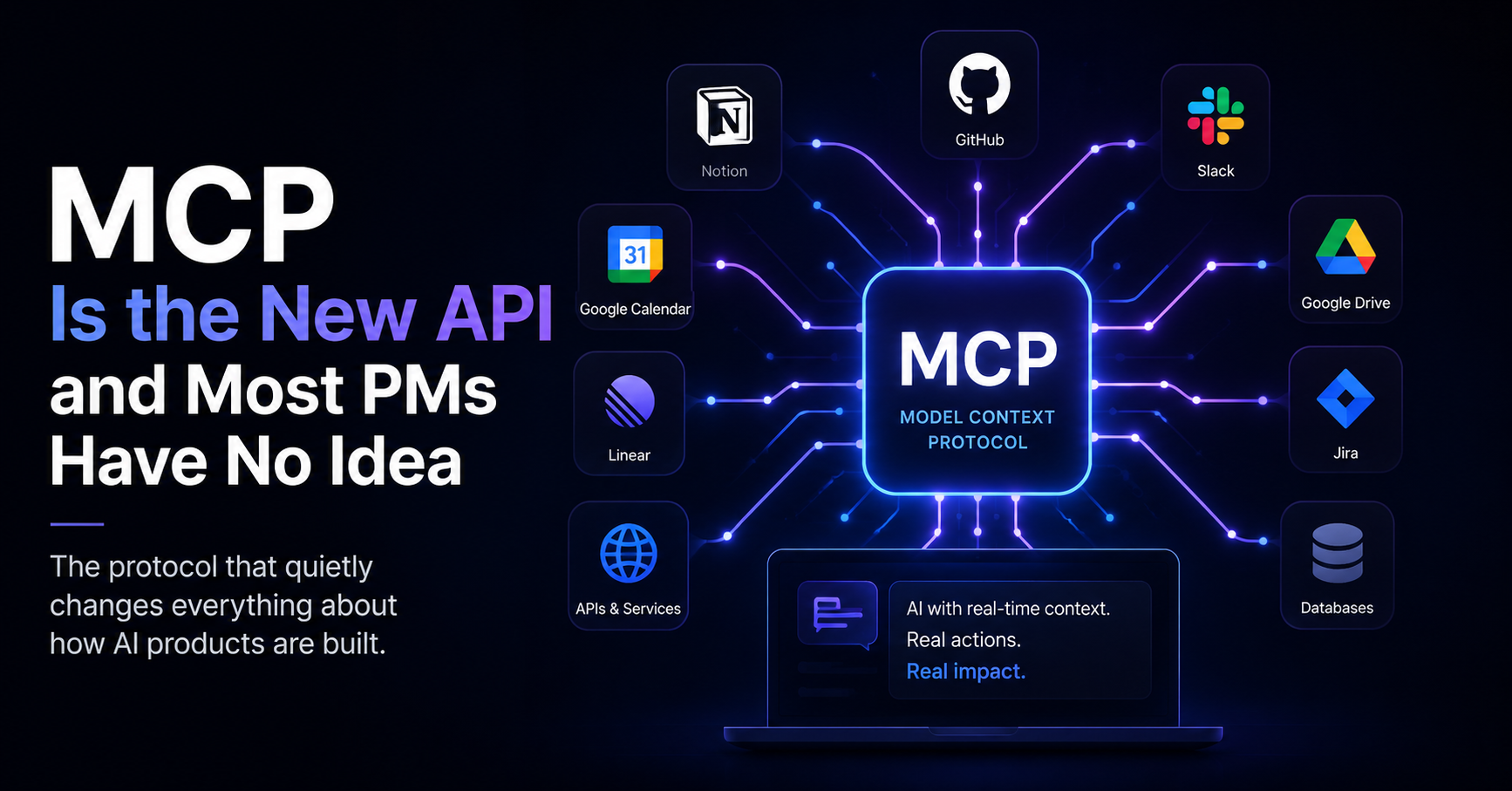
    MCP Is the New API and Most PMs Have No Idea

    IMPACT This protocol could streamline AI product development, making it more accessible and efficient for builders.
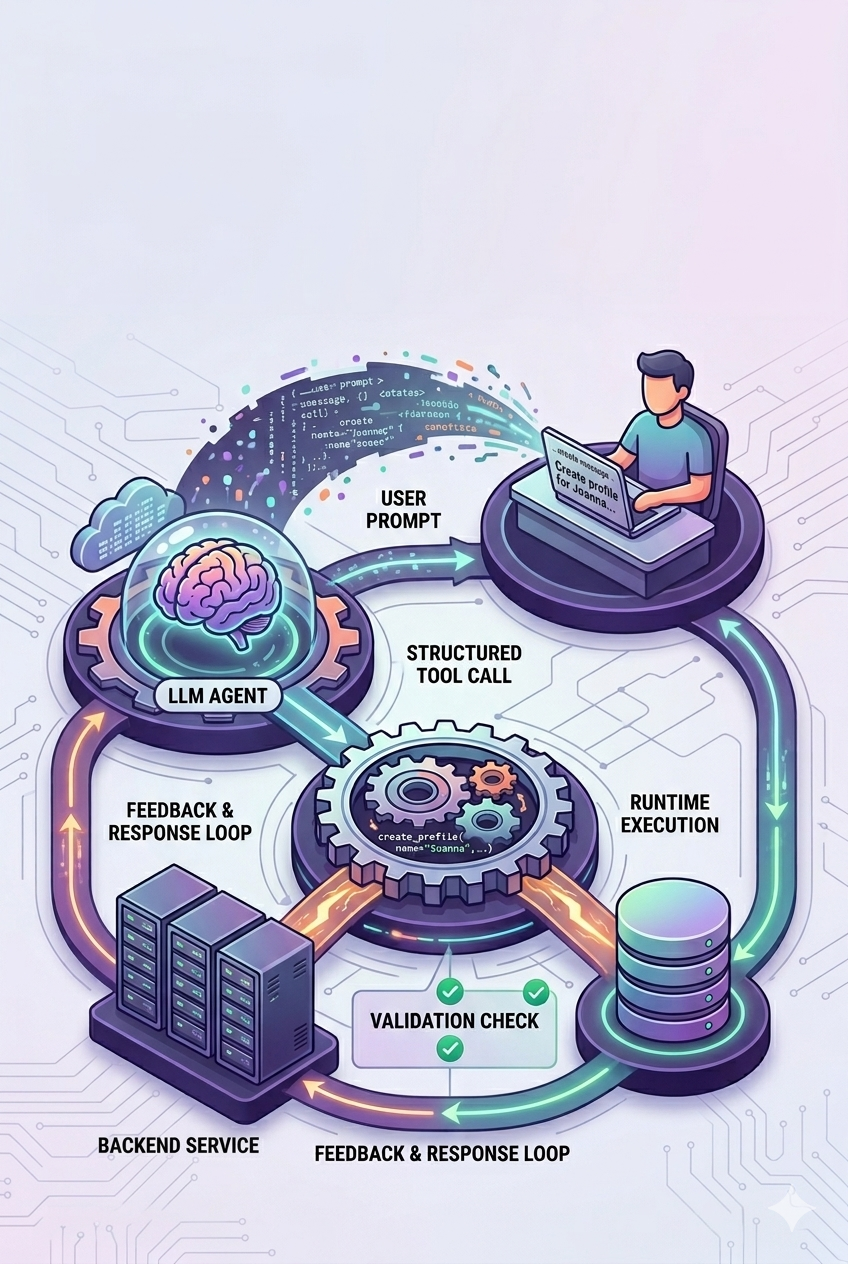
  2. From Configuration Form to Prompt-Based App: What PMs Need to Know Before Making the Switch

    Product managers are increasingly exploring the shift from traditional configuration forms to prompt-based applications. This transition offers a more dynamic and user-friendly approach to software development. The article advises product managers on the key considerations and strategies needed to successfully navigate this change. AI

    From Configuration Form to Prompt-Based App: What PMs Need to Know Before Making the Switch

    IMPACT Offers guidance for product managers on adopting new application development paradigms.

  3. What is Vibe Coding?

    Replit is expanding its "vibe coding" capabilities, allowing users to generate complex applications and launch assets using natural language prompts. New features include separate development and production databases for safer deployment and a "Plan Mode" for AI collaboration without immediate code changes. The platform is also integrating with enterprise data solutions like Databricks and Snowflake, enabling users to build governed data apps and dashboards directly from existing company data. AI

    What is Vibe Coding?

    IMPACT Enables non-technical users to build complex applications and launch assets, democratizing software development and accelerating product launches.