PulseAugur / Brief
EN
LIVE 20:17:23

Brief

last 24h
[13/13] 221 sources

Multi-source AI news clustered, deduplicated, and scored 0–100 across authority, cluster strength, headline signal, and time decay.

  1. Defining AI Fatigue in Academic Contexts: Dimensions, Indicators, and a Stage-Based Model Using Grounded Theory

    A new study published on arXiv introduces the concept of "AI fatigue" as a distinct form of strain experienced by university students using AI tools for academic work. Through grounded theory analysis of over a thousand student responses, researchers identified five dimensions of AI fatigue: cognitive overload, motivational disengagement, moral unease, physical strain, and attentional drift. The findings propose a stage-based model illustrating how these pressures accumulate with repeated AI interaction, offering a new framework for understanding and addressing this phenomenon in educational settings. AI

    IMPACT Establishes a new conceptual framework for understanding the psychological and physical toll of AI tools on students, potentially informing educational policies and tool design.
  2. Trump’s overseas application for US green card rule unnerves Asian workers

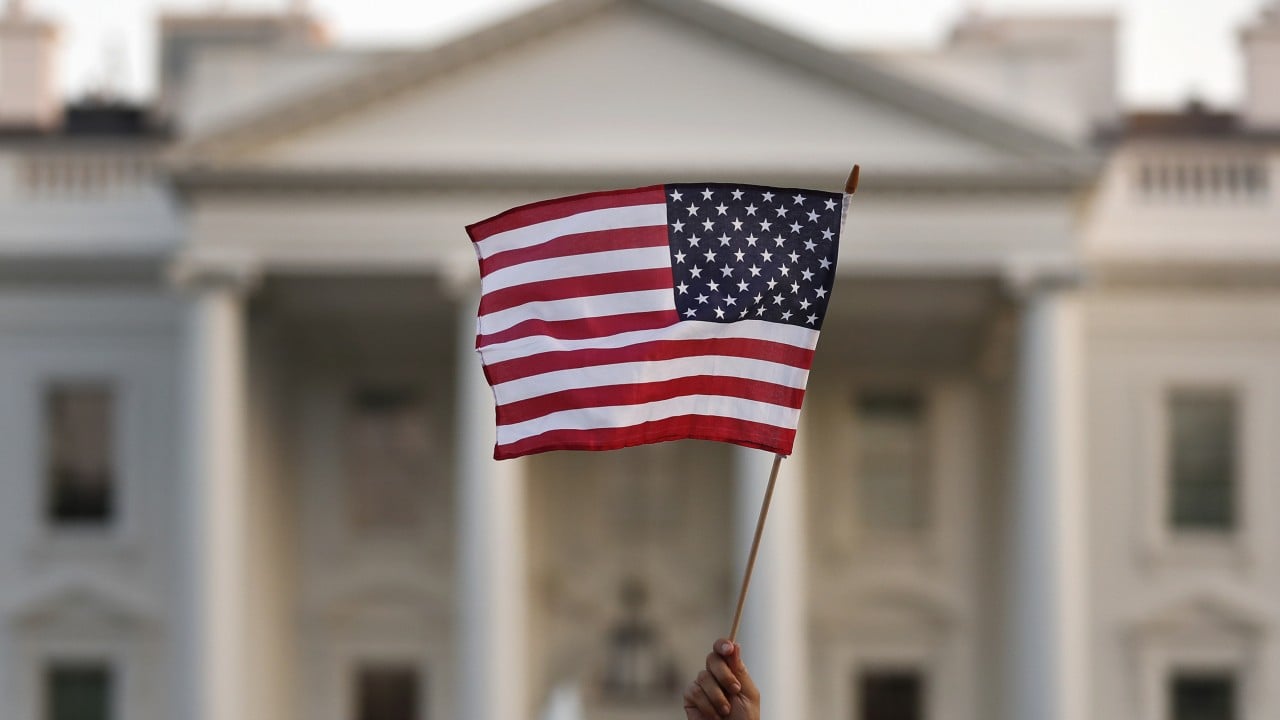
    The Trump administration's policy change regarding green card applications is causing concern among foreign workers in the US, particularly those from Asian countries. This new rule, announced by US Citizenship and Immigration Services, will restrict the ability for individuals already in the US to adjust their status to permanent residents, requiring most to undergo overseas consular processing. This shift is expected to disrupt the long-term plans and economic security of hundreds of thousands of families and individuals. AI

    Trump’s overseas application for US green card rule unnerves Asian workers
  3. US Pax Silica hub plan hits Philippine sovereignty wall: ‘no special arrangement’

    The Philippines has rejected a US proposal to place a US-backed AI industrial hub under American jurisdiction and diplomatic protections. This dispute highlights broader challenges for the Philippines in attracting foreign investment while maintaining its sovereignty. The proposed hub, part of a larger economic corridor project involving the US, Japan, and the Philippines, aims to significantly boost the local economy. AI

    US Pax Silica hub plan hits Philippine sovereignty wall: ‘no special arrangement’

    IMPACT Highlights geopolitical challenges in establishing AI infrastructure and attracting investment in developing nations.

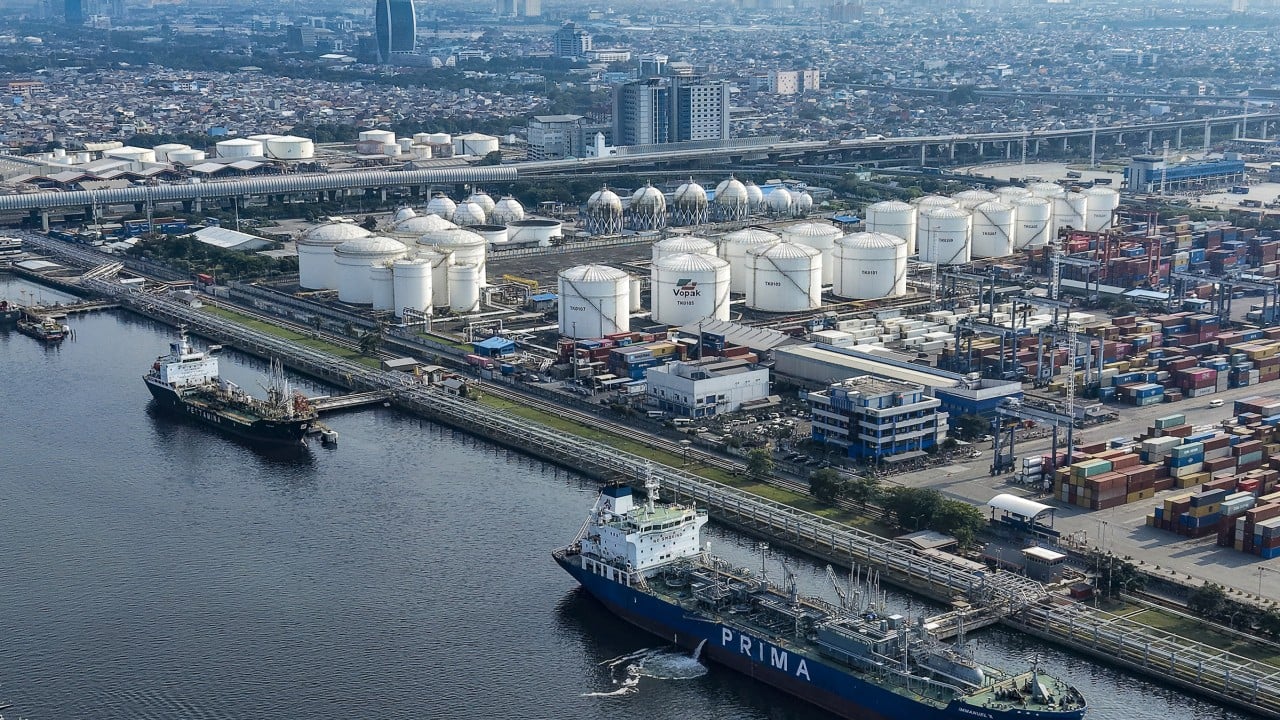
  4. Indonesia’s oil hub plan collides with Asean’s trust deficit

    Indonesia has proposed establishing a shared oil storage hub for the Association of Southeast Asian Nations (Asean) to bolster regional energy security amidst concerns over supply disruptions. The plan, which would potentially involve partners like Malaysia, Brunei, and the Philippines, aims to provide emergency fuel reserves. However, analysts suggest that political distrust and a history of underutilized regional frameworks within Asean may hinder the initiative's implementation. AI

    Indonesia’s oil hub plan collides with Asean’s trust deficit
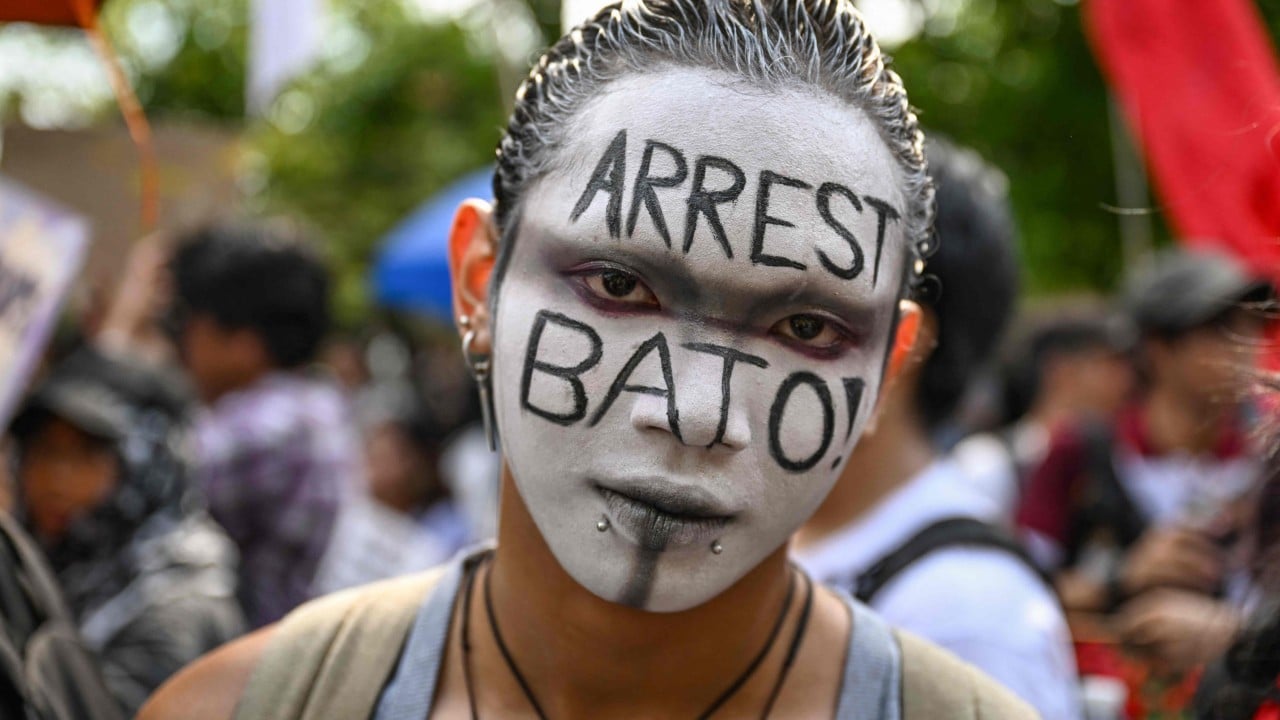
  5. Philippines’ top court rejects Dela Rosa’s bid to block ICC arrest warrant

    The Supreme Court of the Philippines has denied Senator Ronald Dela Rosa's request to block an arrest warrant issued by the International Criminal Court (ICC). This decision allows for Dela Rosa's potential apprehension related to accusations of crimes against humanity, specifically murder, during the former administration's war on drugs. The ruling follows an ICC unsealing of the warrant and an incident where government agents attempted to arrest Dela Rosa, but were prevented by Senate leadership. AI

    Philippines’ top court rejects Dela Rosa’s bid to block ICC arrest warrant
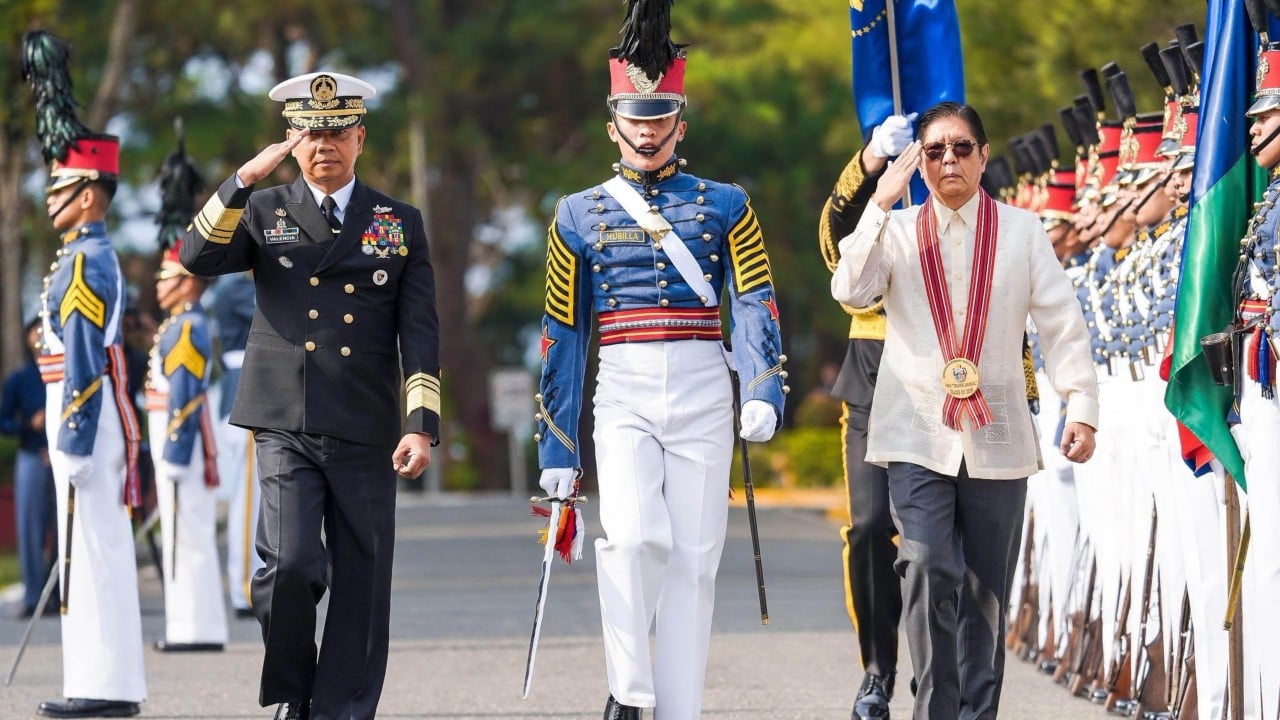
  6. Philippine President says taking measures to prevent stagflation

    The Philippines' President Ferdinand Marcos Jr. has expressed concerns about stagflation, noting his administration's efforts to control inflation and maintain economic activity. Specific measures include setting price caps on imported rice to combat food price increases. Separately, the Shanghai and Shenzhen stock markets have seen trading volumes exceed 1.5 trillion yuan, and a new "stock king" has emerged in the A-share market, surpassing Moutai. AI

    IMPACT OpenAI's announcement of free ChatGPT Plus access for an entire country could accelerate AI adoption and highlight the digital divide.

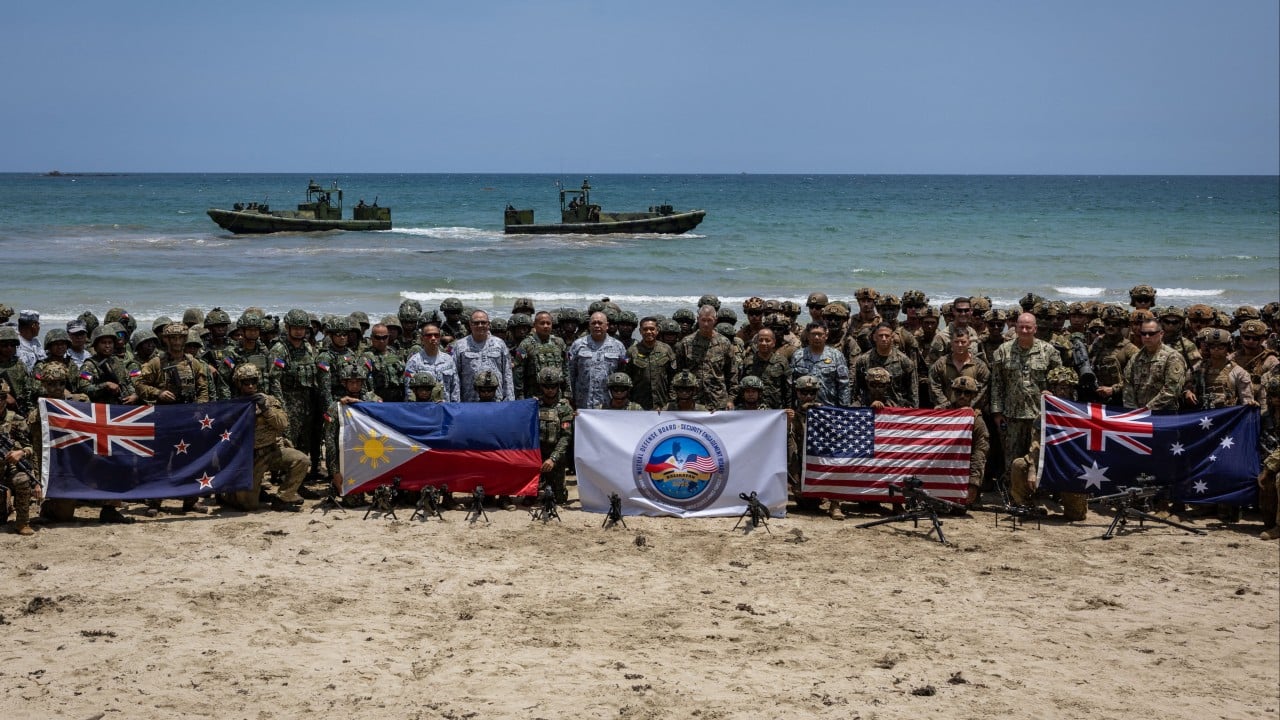
  7. Why the largest-ever US-Philippine drill, and Japan’s role in it, is making China uneasy

    The largest-ever US-Philippine military exercise, Balikatan, has expanded this year with Japan's participation, raising concerns in China. Chinese experts believe the drill's increasing scale and complexity will exacerbate regional instability. They also noted that while the exercise may not alter regional power balances, it will likely provoke further responses from China's People's Liberation Army. AI

    Why the largest-ever US-Philippine drill, and Japan’s role in it, is making China uneasy
  8. Marcos says Philippines, because of proximity to Taiwan, likely involved in any conflict

    Philippine President Ferdinand Marcos Jr. stated that due to the country's geographical proximity to Taiwan, the Philippines would likely be drawn into any potential conflict over the island. While Manila wishes to avoid involvement, Marcos acknowledged that the northern Philippines would inevitably be affected or become part of such a conflict. He expressed confusion over Beijing's negative response to his earlier remarks on the matter. AI

    Marcos says Philippines, because of proximity to Taiwan, likely involved in any conflict
  9. The Filipino virtual assistants behind LinkedIn’s “thought leadership” content mill

    A growing industry of low-paid virtual assistants in the Philippines is using AI tools to generate "thought leadership" content and engagement for executives on LinkedIn. These workers, often paid $4 to $7 an hour, use AI like ChatGPT to create posts and comments, impersonating thought leaders. LinkedIn is reportedly attempting to curb this practice, which leverages the Philippines' large English-speaking population and established offshore labor market. AI

    The Filipino virtual assistants behind LinkedIn’s “thought leadership” content mill

    IMPACT Highlights the misuse of AI for generating inauthentic online engagement and the rise of AI-assisted low-wage labor.

  10. India brings back COVID-era work-from-home rules and asks farmers to halve fertilizer use as the Iran war chokes its oil lifeline

    Iran's ongoing conflict has led to significant geopolitical and economic disruptions, impacting global internet infrastructure and national economies. The country is demanding fees from major tech companies for the use of undersea internet cables that pass through the Strait of Hormuz, potentially forcing a shift to overland fiber routes. Meanwhile, India is implementing austerity measures, including encouraging work-from-home policies and reducing fertilizer use, to mitigate the impact of choked oil supplies. These global events are occurring alongside major tech conferences like Google I/O, where updates on AI products are expected. AI

    India brings back COVID-era work-from-home rules and asks farmers to halve fertilizer use as the Iran war chokes its oil lifeline

    IMPACT The cluster mentions Google I/O and expected AI updates, but the primary focus is on geopolitical and economic disruptions.

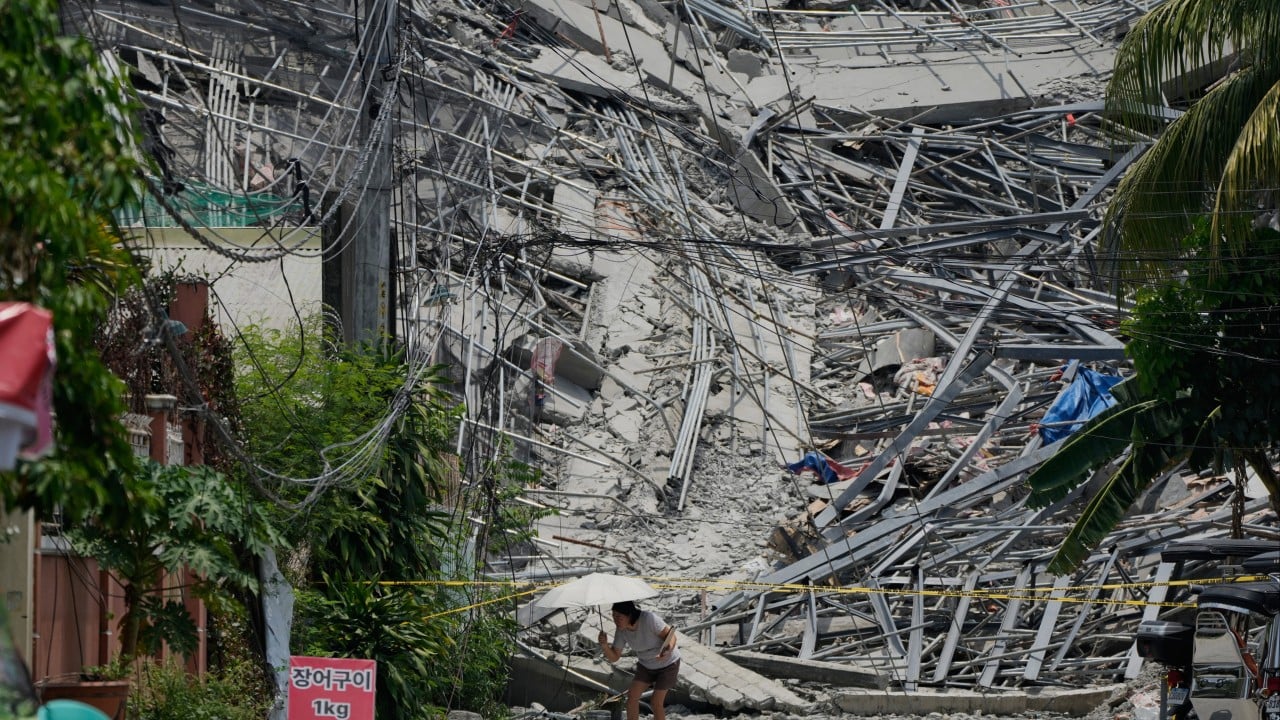
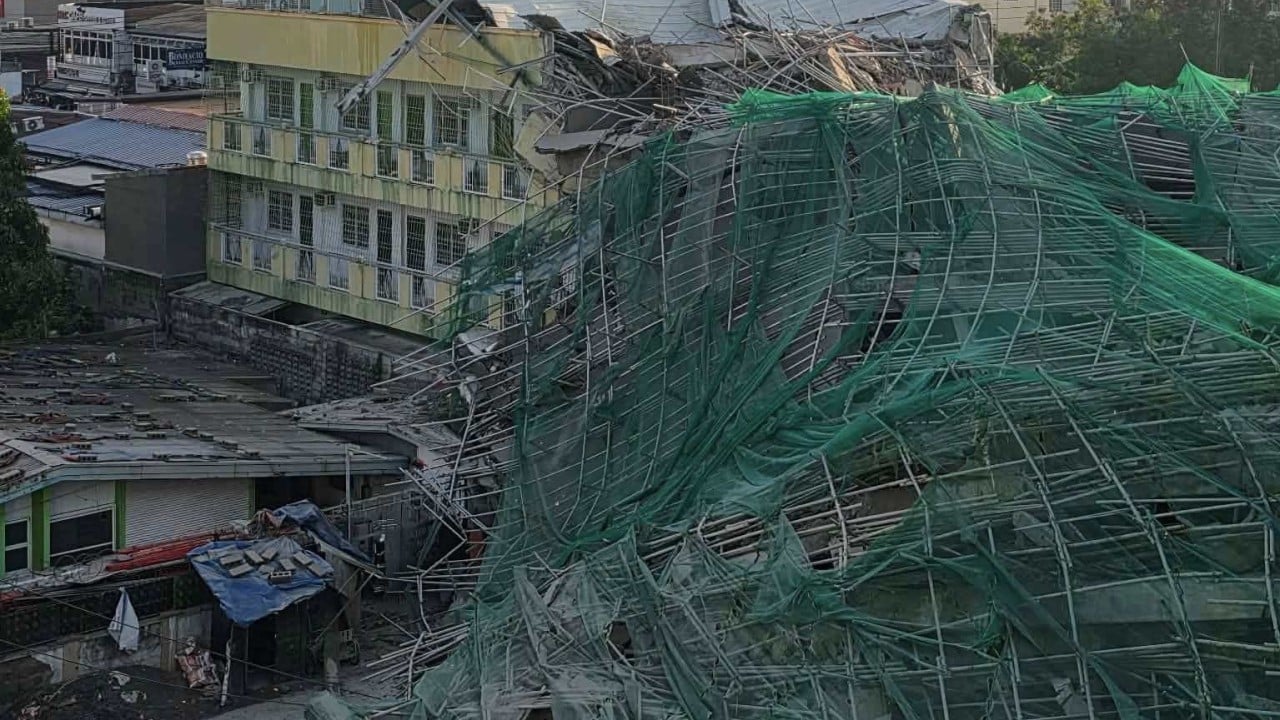
  11. Philippine rescuers race to free workers trapped after hotel collapse

    Rescuers in the Philippines are working tirelessly to save construction workers trapped after a building collapse in Angeles City. The operation is extremely delicate, with crews using manual methods to remove debris to avoid further shifting of the unstable structure. Search teams, aided by K9 units and thermal scans, are attempting to provide air to survivors and locate signs of life. AI

    Philippine rescuers race to free workers trapped after hotel collapse
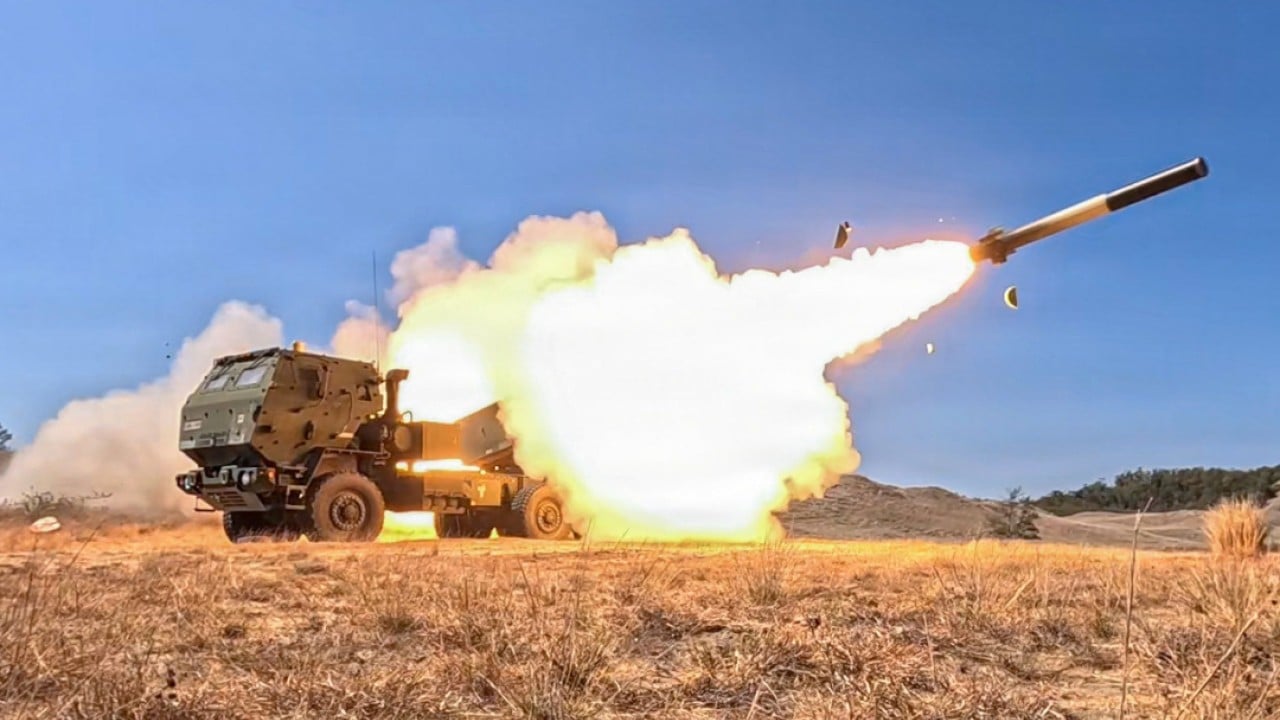
  12. Balikatan 2026: US, Japan, Philippines flex military muscle amid China tensions

    The Philippines has expressed interest in acquiring Japan's retired Type 88 surface-to-ship missiles, a move that follows Japan's recent easing of arms export restrictions. This potential transfer of older military hardware is part of a broader trend of deepening defense cooperation between the two nations, driven by shared concerns over China's territorial claims in the South China Sea. The Type 88 missiles were recently test-fired by Japan from Philippine territory during joint military exercises, highlighting the growing military ties and strategic alignment between the US, Japan, and the Philippines. AI

    Balikatan 2026: US, Japan, Philippines flex military muscle amid China tensions