PulseAugur / Brief
EN
LIVE 08:19:59

Brief

last 24h
[7/7] 221 sources

Multi-source AI news clustered, deduplicated, and scored 0–100 across authority, cluster strength, headline signal, and time decay.

  1. Norway's 2 petabytes of Huawei flash storage and LLM training https://www.blocksandfiles.com/flash/2026/05/22/norways-2-petabytes-of-huawei-flash-storage-and-ll

    Norway's national data infrastructure, Norstore, has acquired 2 petabytes of Huawei OceanStor flash storage. This significant investment is intended to bolster the country's capabilities in large language model (LLM) training and other AI research. The new storage system aims to provide the necessary high-performance computing resources for advanced scientific endeavors. AI

    IMPACT Enhances national AI research capacity by providing substantial high-performance storage for LLM training.

  2. If Australia is home to an AI gold rush, let’s not squander it. Let’s fjord a different path | Peter Lewis

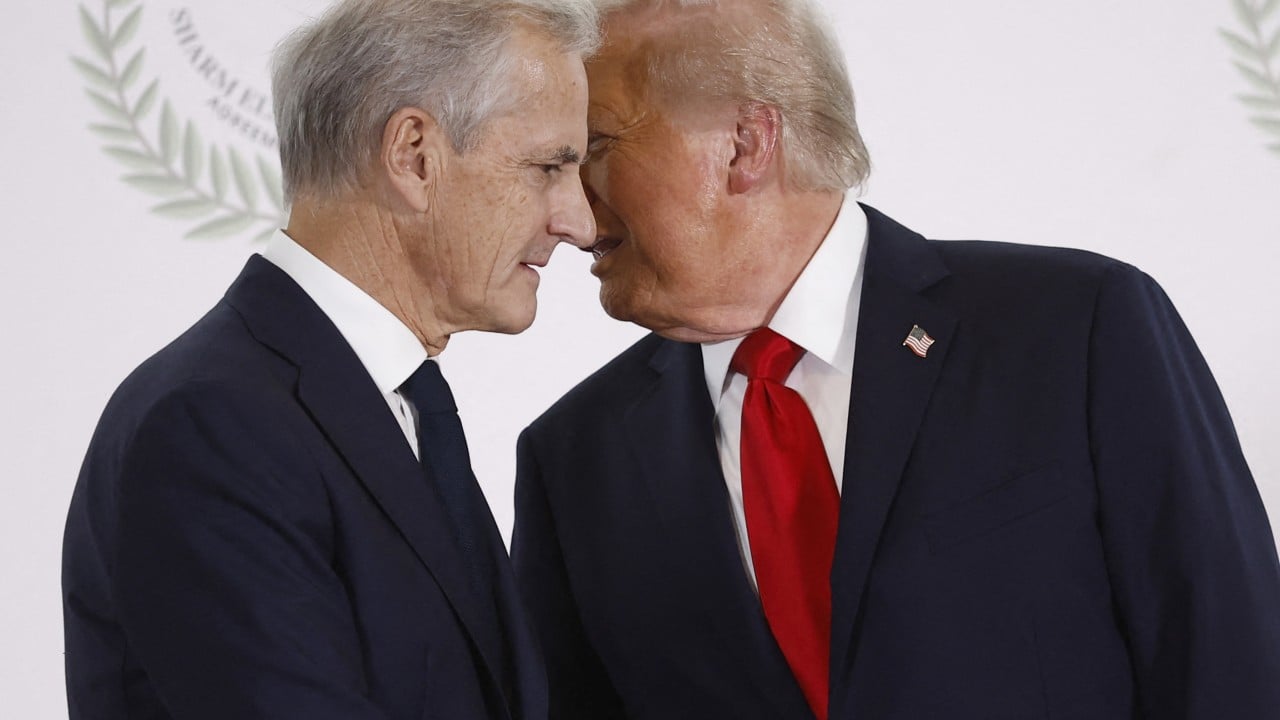
    Major AI companies like Microsoft and Anthropic are seeking locations in Australia to build large-scale data centers for AI model training, attracted by the country's potential for renewable energy and political stability. The author suggests Australia should leverage this opportunity to establish its own sovereign wealth fund, similar to Norway's model from its oil discoveries, to ensure the nation benefits from the AI boom. This fund could provide reparations to creators whose work was used without permission to train AI models and support workers displaced by AI technologies. AI

    If Australia is home to an AI gold rush, let’s not squander it. Let’s fjord a different path | Peter Lewis

    IMPACT Australia could establish a sovereign wealth fund to capture AI industry profits and support creators and displaced workers.

  3. Bordering Russia, Norway adopts ‘total defence’ mode with focus on civil readiness

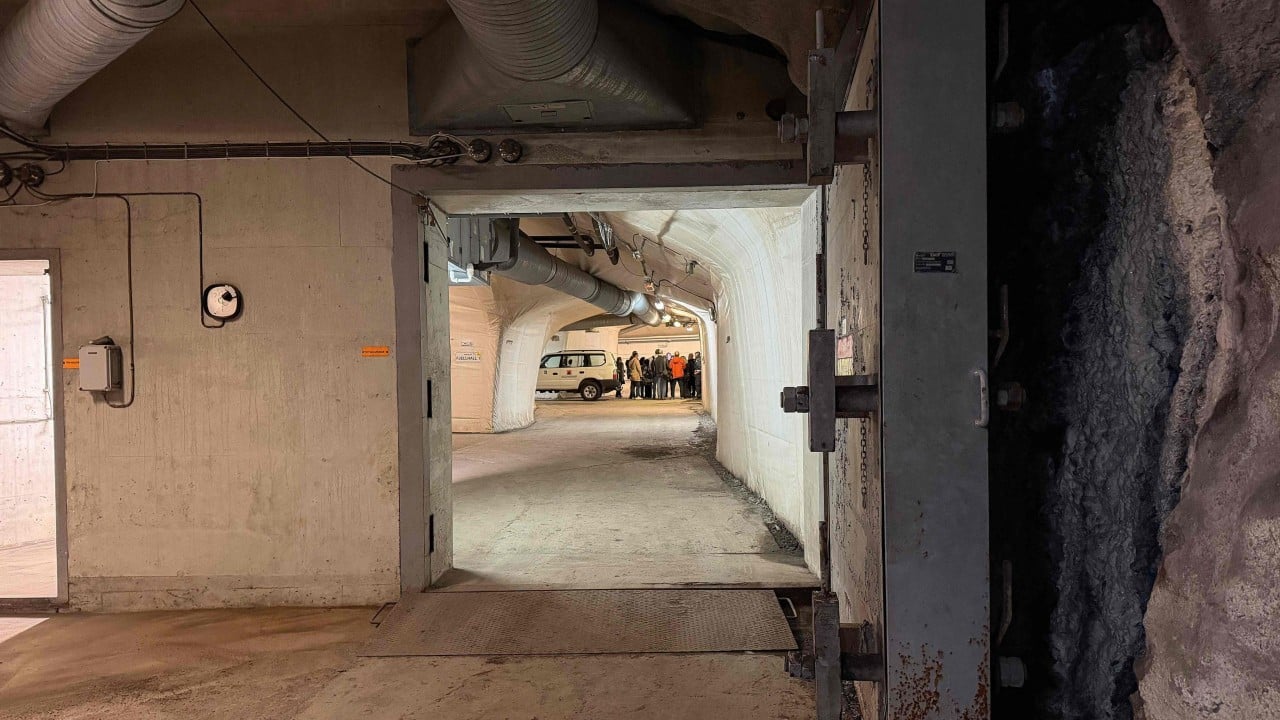
    Norway is enhancing its civil defense preparedness, including upgrading its network of 18,600 air raid shelters, which currently can accommodate less than half of the nation's population. The government aims to reintroduce mandatory air raid shelters in new large buildings, a policy that was discontinued after the Cold War. This move reflects concerns about potential threats, with the Prime Minister having previously stated that war could return to Norway. AI

    Bordering Russia, Norway adopts ‘total defence’ mode with focus on civil readiness
  4. US suspected of forcing Norway to cancel Malaysia’s US$147 million missile order

    Malaysia is pursuing a compensation claim exceeding $251 million after Norway cancelled a €126 million (US$146.4 million) contract for Naval Strike Missiles. The missiles, built by Norway's Kongsberg Defence & Aerospace, contained US-made parts, leading to suspicions that the US government influenced the cancellation due to export restrictions. Malaysia's defense minister warned other nations to reconsider purchasing Norwegian missiles, citing the potential for similar disruptions. AI

    US suspected of forcing Norway to cancel Malaysia’s US$147 million missile order
  5. Norway reports Europe’s first case of bird flu in a polar bear

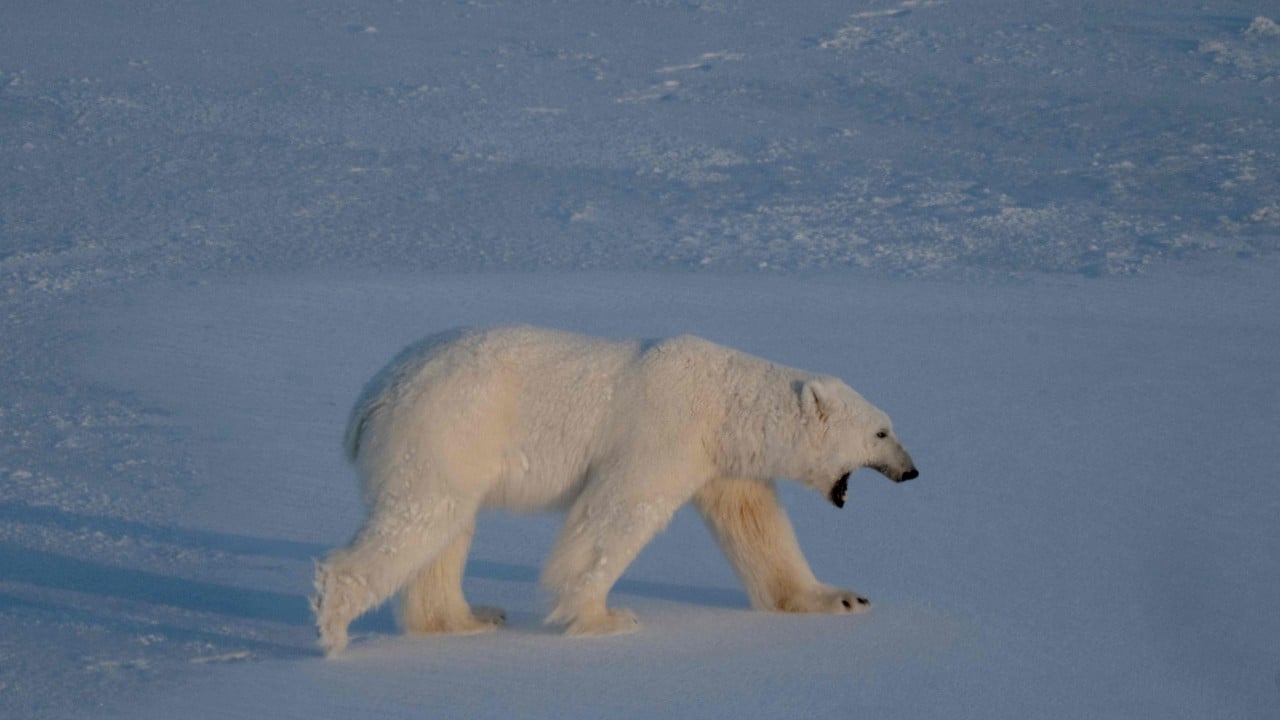
    Norwegian authorities have confirmed the first European case of bird flu in a polar bear, detected in the Arctic Svalbard region. The H5N5 virus variant was also found in a walrus that died in mid-May, with both cases suspected to be the cause of death. This finding is part of a broader trend of avian influenza spreading to mammals and reaching new regions like the Arctic, potentially impacting vulnerable populations and ecosystems. AI

    Norway reports Europe’s first case of bird flu in a polar bear
  6. Norway's Statkraft plans to invest $8.6 billion in domestic power industry

    Norway's state-owned energy company, Statkraft, has announced a significant investment of approximately $8.6 billion over the next decade into its domestic power sector. This substantial funding will primarily be directed towards upgrading and modernizing Norway's large hydroelectric power stations. The initiative aims to boost generation capacity and ensure a more reliable power supply, especially during peak demand periods. AI