PulseAugur / Brief
EN
LIVE 06:11:41

Brief

last 24h
[5/5] 221 sources

Multi-source AI news clustered, deduplicated, and scored 0–100 across authority, cluster strength, headline signal, and time decay.

  1. Micron's Virginia fab begins producing America's most advanced DRAM memory — fab expansion to quadruple output, easing DDR4 shortage for automotive and defense sectors

    Micron has initiated production of its most advanced DDR4-compatible DRAM at its Manassas, Virginia facility, marking the first time this technology is manufactured in the U.S. This expansion, a $2 billion investment supported by CHIPS Act funding, is set to quadruple the site's DDR4 wafer output. The move aims to alleviate a critical shortage of the older memory standard, which is essential for long-lifecycle industries like automotive and defense, as major DRAM producers shift capacity towards AI-driven demand for newer memory types. AI
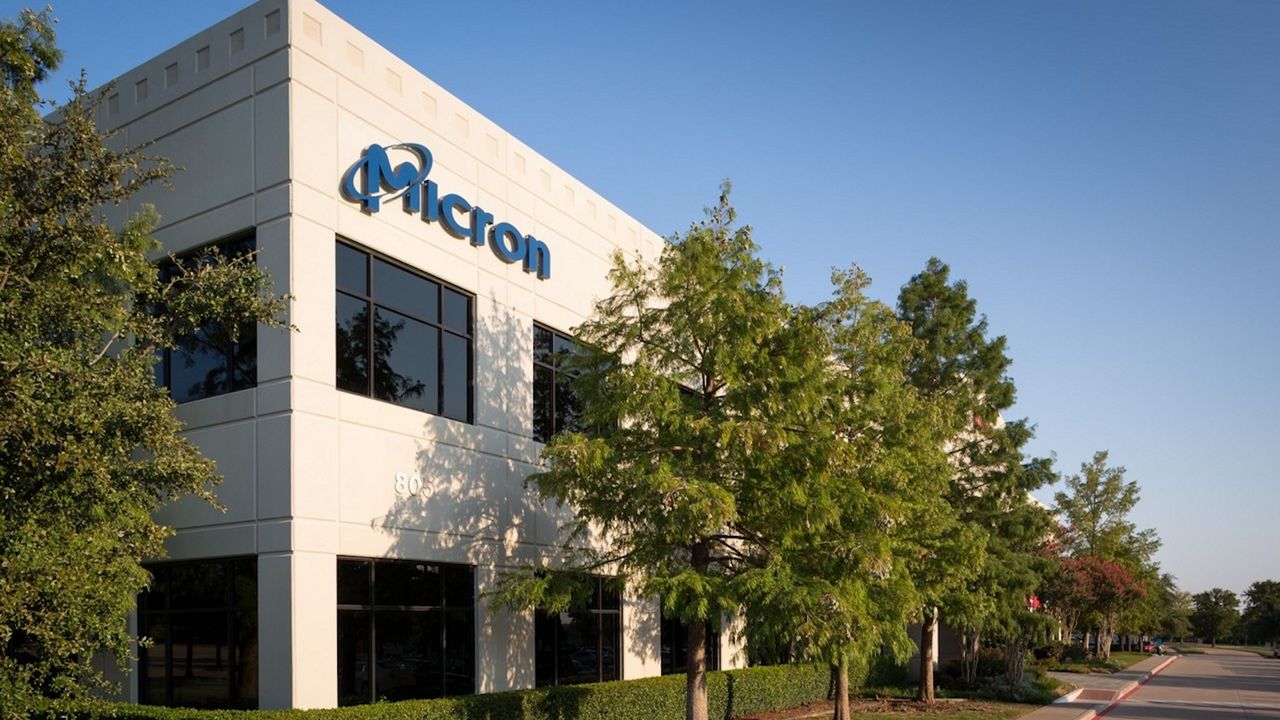
    Micron's Virginia fab begins producing America's most advanced DRAM memory — fab expansion to quadruple output, easing DDR4 shortage for automotive and defense sectors

    IMPACT Secures supply of older memory for non-AI sectors, freeing up advanced memory production for AI workloads.
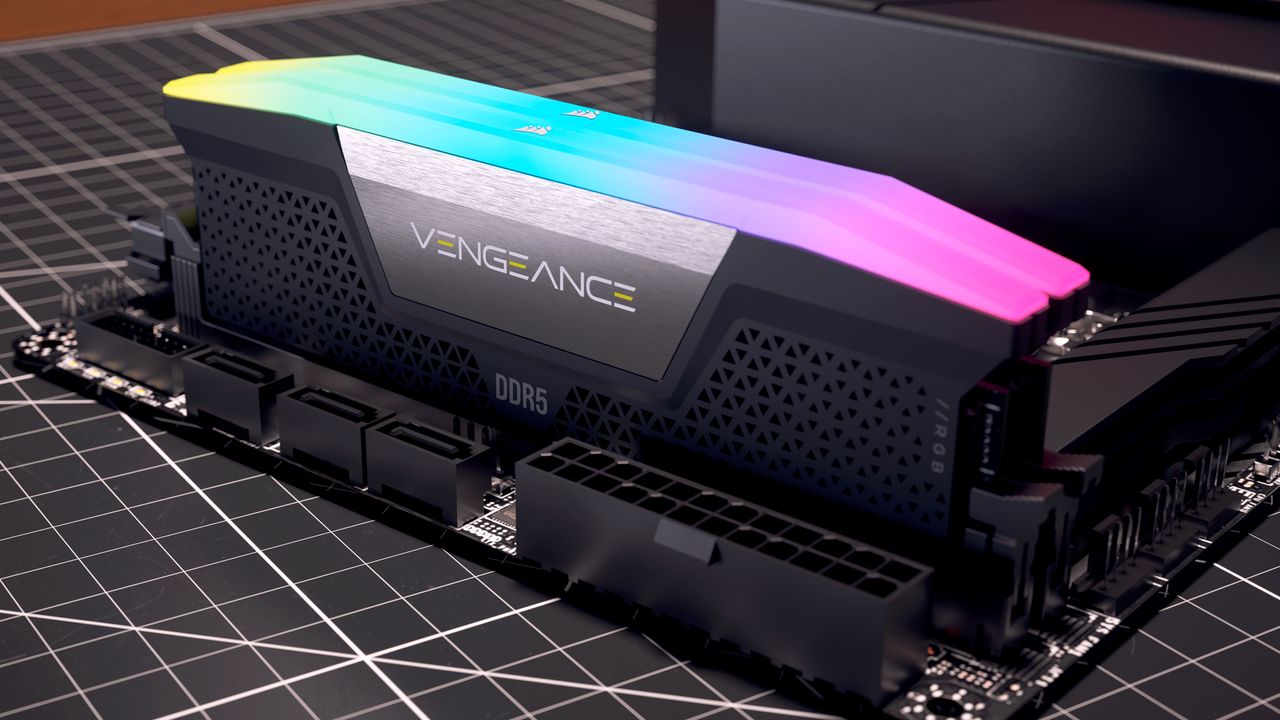
  2. Chinese memory maker CXMT enters the mainstream consumer memory with Corsair Vengeance DDR5 kit — Chinese-made DRAM emerges as an antidote for crushing shortages

    Chinese memory manufacturer CXMT has entered the mainstream consumer market by supplying DDR5 RAM modules for a Corsair Vengeance kit. This move is significant as major memory suppliers like Micron, Samsung, and SK Hynix are prioritizing data center demand, creating shortages for consumers. While the initial Corsair kit featuring CXMT DRAM is exclusive to China, it signals a potential shift in the memory supply chain and could offer an alternative for consumers facing high prices and limited availability. AI

    Chinese memory maker CXMT enters the mainstream consumer memory with Corsair Vengeance DDR5 kit — Chinese-made DRAM emerges as an antidote for crushing shortages

    IMPACT Potentially alleviates consumer RAM shortages driven by data center demand, impacting PC build costs.

  3. US Top News and Analysis | Beware the boom and bust cycle of memory stocks, investors warn amid AI boom AI generated summary, Read the full article for complete

    Samsung's memory chip employees have negotiated a tentative deal that could provide average annual bonuses of $340,000, with some workers potentially earning up to $416,000. This agreement comes after threats of a strike and follows a boom in AI component demand that has benefited rival SK Hynix. The deal includes a regular bonus of 50% of annual salary and a share of operating profits, though a significant portion is tied to stock and conditional on company profit milestones, making it potentially more favorable to Samsung than SK Hynix's offerings. AI

    IMPACT Record bonuses for AI chip workers highlight the immense profitability and demand in the semiconductor sector, potentially influencing labor negotiations across the industry.

  4. Google's TurboQuant: The Memory Stock Crash Google's TurboQuant algorithm reduces LLM memory needs by 6x. Samsung, SK Hynix, and Micron got hammered. The trilli

    Google Research has developed an algorithm called TurboQuant that significantly reduces the memory requirements for large language models. This new method can decrease memory needs by up to six times, potentially impacting the memory chip industry. Companies like Samsung, SK Hynix, and Micron, which are major players in memory production, have seen their stock prices affected by this development. AI

    IMPACT Reduces memory demands for LLMs, potentially lowering hardware costs and enabling more efficient AI deployment.

  5. AMD expects 20% decline in gaming revenue from 'higher memory and component costs' in the second half of the year — CEO Lisa Su warns of further memory crunch

    AMD anticipates a significant downturn in its gaming revenue for the latter half of the year, projecting a decline of over 20%. This forecast is attributed to escalating memory and component costs impacting consumer demand. Despite this, the company expects substantial year-over-year growth in its data center segment, driven by increased AI demand. AI

    AMD expects 20% decline in gaming revenue from 'higher memory and component costs' in the second half of the year — CEO Lisa Su warns of further memory crunch

    IMPACT Increased AI demand is a bright spot for AMD's data center business amidst consumer market challenges.