PulseAugur / Brief
EN
LIVE 23:19:23

Brief

last 24h
[22/22] 221 sources

Multi-source AI news clustered, deduplicated, and scored 0–100 across authority, cluster strength, headline signal, and time decay.

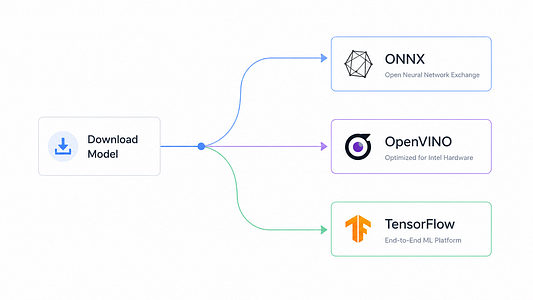
  1. Spark NLP 6.4.1: Context-Aware Retrieval, Engine Control, and Multimodal Indexing

    Spark NLP has released version 6.4.1, introducing several new features for its MLOps pipelines. The update includes context-aware chunk embeddings for improved retrieval, reproducible engine selection for consistent results, and image-native vector indexing to enhance multimodal capabilities. These advancements aim to streamline and optimize the deployment of NLP models in production environments. AI
    Spark NLP 6.4.1: Context-Aware Retrieval, Engine Control, and Multimodal Indexing

    IMPACT Enhances MLOps pipelines with new retrieval and indexing capabilities for NLP applications.


  2. Workflow Distillation with LangChain: 5 Stages to a Specialized Fine-Tuned Model

    This article outlines a five-stage process for distilling complex agentic workflows from LangChain into specialized, fine-tuned models. It details how to identify starting thresholds and progressively refine these models for specific tasks. The approach aims to create more efficient and tailored AI solutions by condensing broad functionalities into focused applications. AI

    Workflow Distillation with LangChain: 5 Stages to a Specialized Fine-Tuned Model

    IMPACT Provides a practical methodology for creating more efficient and specialized AI models from existing complex frameworks.

  3. Docker Layer Caching Is Broken in Your ML Project

    This article highlights a common inefficiency in MLOps workflows where Docker layer caching fails during model updates. This leads to lengthy CI rebuild times, wasting significant developer time with each iteration. The author aims to explain why this caching mechanism breaks and how to address it. AI

    Docker Layer Caching Is Broken in Your ML Project

    IMPACT Addresses a common inefficiency in ML development workflows, potentially saving significant time in CI/CD pipelines.

  4. Day 12: Configuring S3-Compatible Remote Storage with DVC

    This article details how to configure DVC (Data Version Control) to use S3-compatible remote storage. It serves as a practical guide for MLOps practitioners looking to manage large datasets and models efficiently. The post is part of a 100-day challenge focused on MLOps practices. AI

    IMPACT Provides practical guidance for MLOps practitioners on managing data and models with DVC and S3-compatible storage.

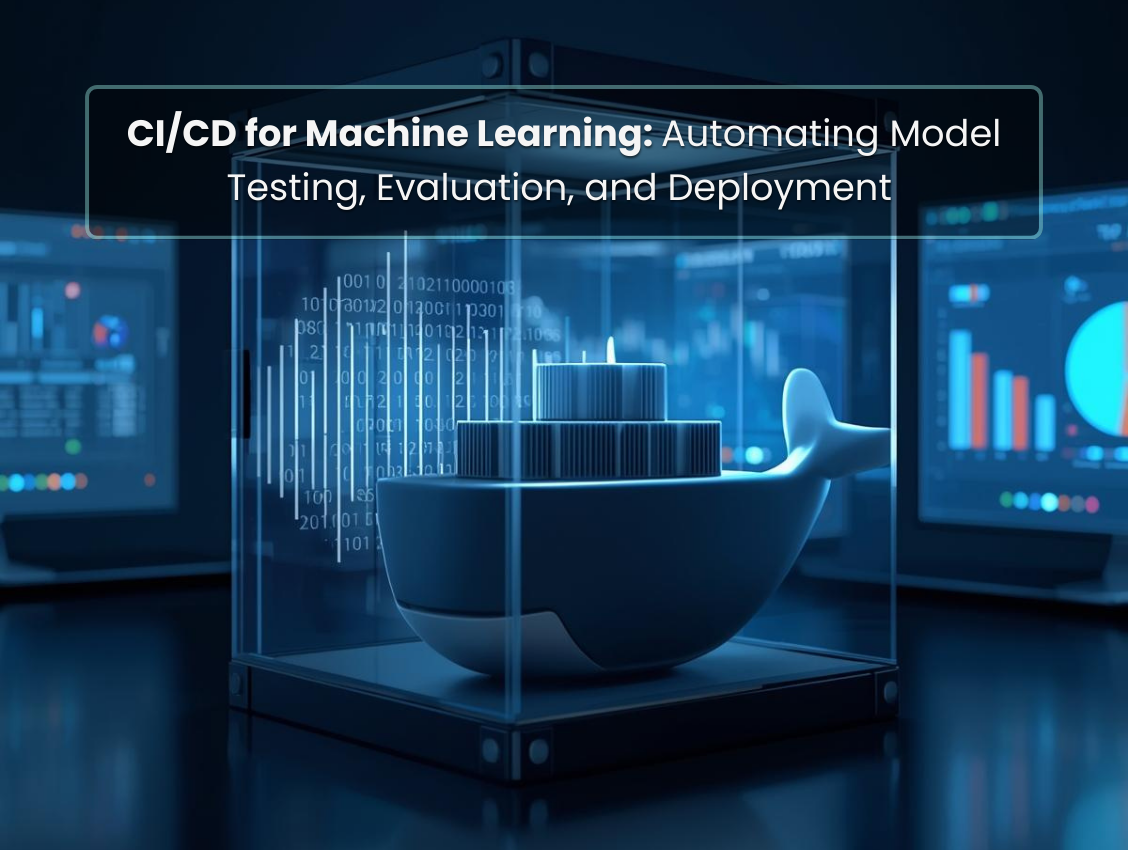
  5. CI/CD for Machine Learning: Automating Model Testing, Evaluation, and Deployment

    This article discusses the implementation of Continuous Integration and Continuous Deployment (CI/CD) practices within Machine Learning (ML) workflows. It highlights the unique challenges of deploying ML models compared to traditional software, emphasizing the need for automated testing, evaluation, and deployment pipelines. The piece suggests that adopting CI/CD can streamline the ML lifecycle and improve model reliability. AI

    CI/CD for Machine Learning: Automating Model Testing, Evaluation, and Deployment

    IMPACT Streamlines the ML development lifecycle by automating testing, evaluation, and deployment processes.

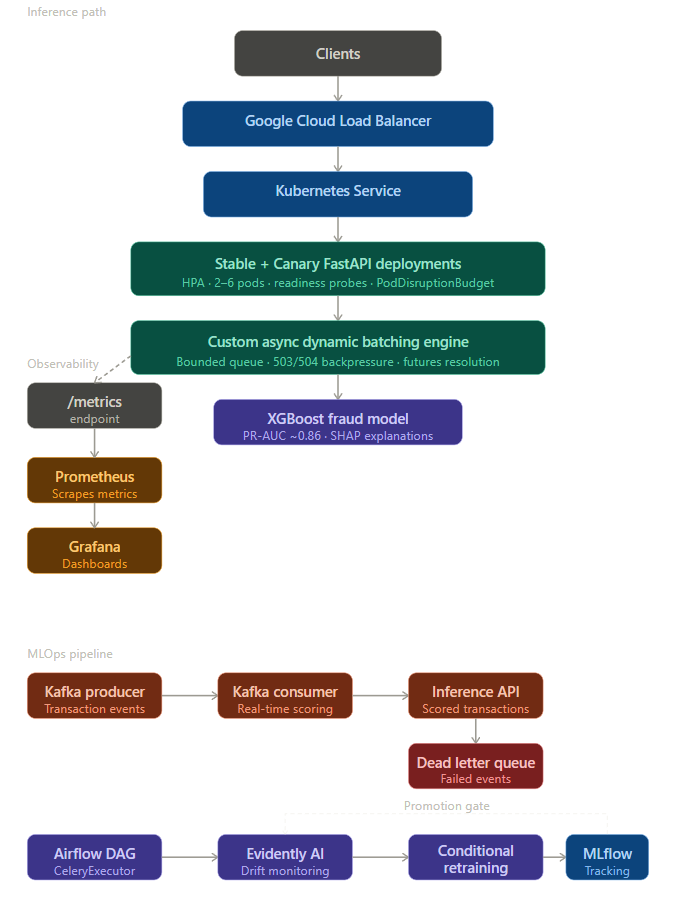
  6. Building a Production Fraud Inference Platform: Dynamic Batching, Kubernetes, and Canary…

    This article details the construction of a production-ready fraud inference platform, emphasizing MLOps best practices. It covers key technical components such as dynamic batching for efficient processing, Kubernetes for container orchestration, and canary deployments to ensure smooth rollouts of new model versions. The focus is on creating a robust and scalable system for real-time fraud detection. AI

    Building a Production Fraud Inference Platform: Dynamic Batching, Kubernetes, and Canary…

    IMPACT Provides a technical blueprint for deploying ML models in production, relevant for MLOps engineers and teams building real-time inference systems.

  7. Day 7: Packaging ML Models as Python Distributions

    This article details the process of packaging machine learning models as Python distributions. It covers the essential steps and considerations for making models easily shareable and deployable within Python environments. The focus is on creating robust and reusable model packages. AI

    IMPACT Provides practical guidance for developers on model deployment and integration within Python ecosystems.

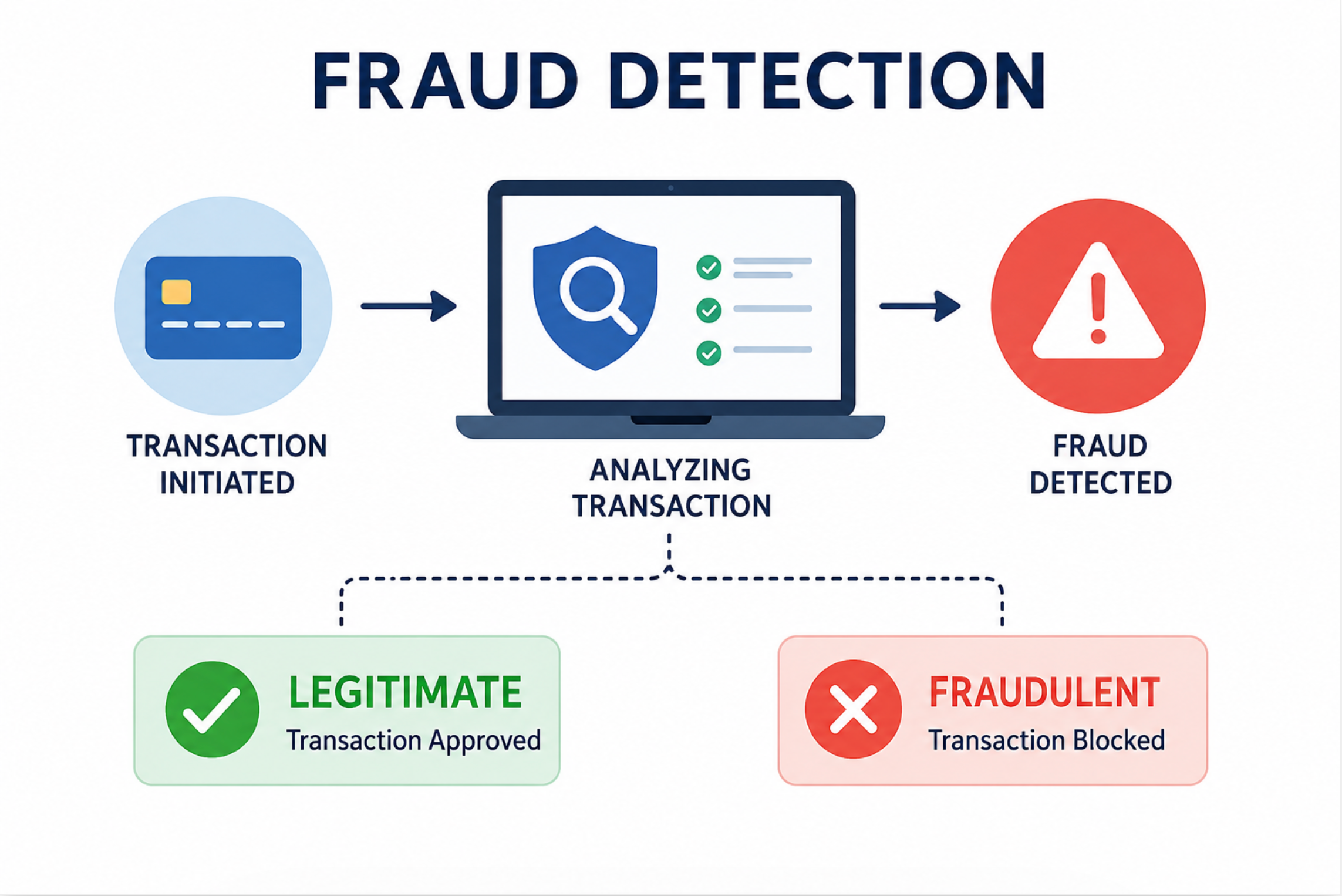
  8. Building an Enterprise Fraud Detection & Credit Risk Platform from Scratch

    This article details the creation of an enterprise-level platform for fraud detection and credit risk assessment. It outlines a modular system design incorporating graph features, BERT-style embeddings, and XGBoost ensembles for robust scoring. The approach emphasizes production readiness and scalability for financial applications. AI

    Building an Enterprise Fraud Detection & Credit Risk Platform from Scratch

    IMPACT Details a practical application of ML models like BERT and XGBoost in financial risk assessment, showcasing integration strategies.

  9. Day 8: Automating Code Quality with Pre-Commit Hooks

    This article details how to implement pre-commit hooks to automate code quality checks within an MLOps workflow. It explains the benefits of using these hooks, such as ensuring consistent code standards and catching errors early in the development process. The guide provides practical steps for setting up and configuring pre-commit hooks to integrate seamlessly into a developer's routine. AI

    IMPACT Provides practical guidance for developers working on AI/ML projects, improving code quality and workflow efficiency.

  10. Turning LLM Outputs Into Production Systems

    This article details the practical steps and considerations required to transition a Large Language Model (LLM) demonstration into a reliable production system. It emphasizes the challenges and necessary infrastructure beyond initial impressive outputs, focusing on building trust and robustness for real-world applications. The piece likely covers aspects of MLOps tailored for LLMs, ensuring their outputs are consistently usable and dependable in a business context. AI

    Turning LLM Outputs Into Production Systems

    IMPACT Provides practical guidance for deploying and managing LLMs in production environments, crucial for operationalizing AI.

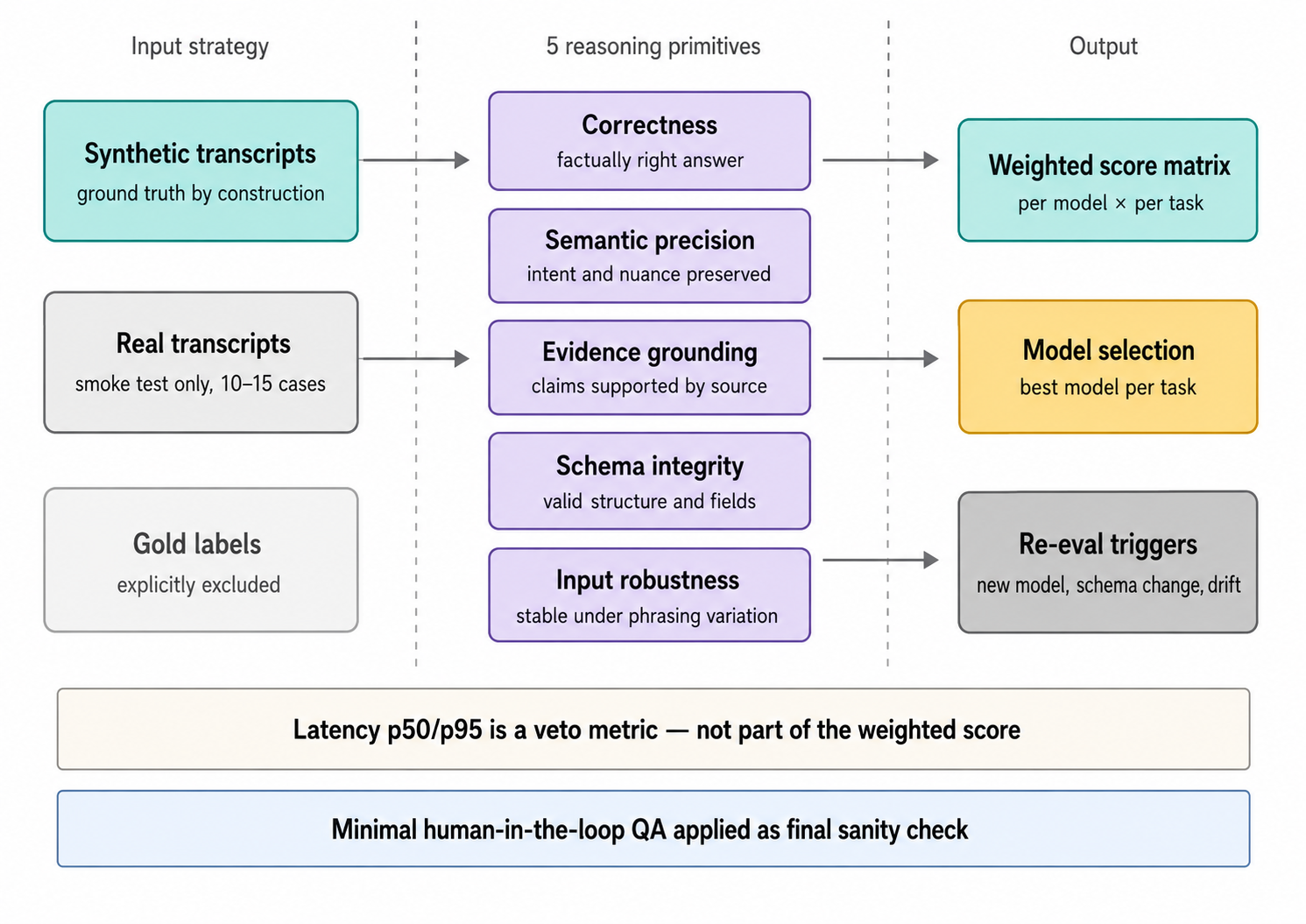
  11. Which Open-Source Model Wins?

    This article explores the landscape of open-source large language models, focusing on their performance and suitability for on-premises deployments. It aims to guide users in selecting the best model for their specific needs within a rigorous, privacy-conscious framework. The discussion likely delves into various models and their respective strengths and weaknesses for enterprise applications. AI

    Which Open-Source Model Wins?

    IMPACT Provides guidance for selecting and deploying open-source LLMs in private environments.

  12. Day 9: Standardizing ML Projects at Scale with Cookiecutter

    This article discusses the importance of standardizing Machine Learning Operations (MLOps) projects to manage them effectively at scale. It highlights the use of Cookiecutter, a tool that creates reproducible project structures, as a key solution for achieving this standardization. The author frames this as part of a 100-day MLOps challenge, emphasizing practical application and best practices in the field. AI

    IMPACT Provides insights into best practices for managing AI/ML projects, relevant for MLOps practitioners.

  13. Day 3 of Learning AI/ML Engineering

    This article is the third in a series about learning AI/ML engineering, focusing on the practical aspects of setting up and managing machine learning operations. It delves into the tools and workflows necessary for deploying and monitoring ML models in production environments. The content aims to provide a foundational understanding for aspiring ML engineers. AI

    Day 3 of Learning AI/ML Engineering

    IMPACT Provides foundational knowledge for individuals learning about AI/ML engineering and MLOps practices.

  14. Untitled

    Machine learning models used for fraud detection can fail silently in production due to issues like data drift or concept drift. These failures often go unnoticed because the models continue to produce outputs without explicit error signals. Addressing this requires robust MLOps practices, including continuous monitoring, automated retraining, and anomaly detection to ensure model performance and reliability. AI

    Untitled

    IMPACT Highlights critical MLOps challenges for maintaining reliable AI systems in production environments.

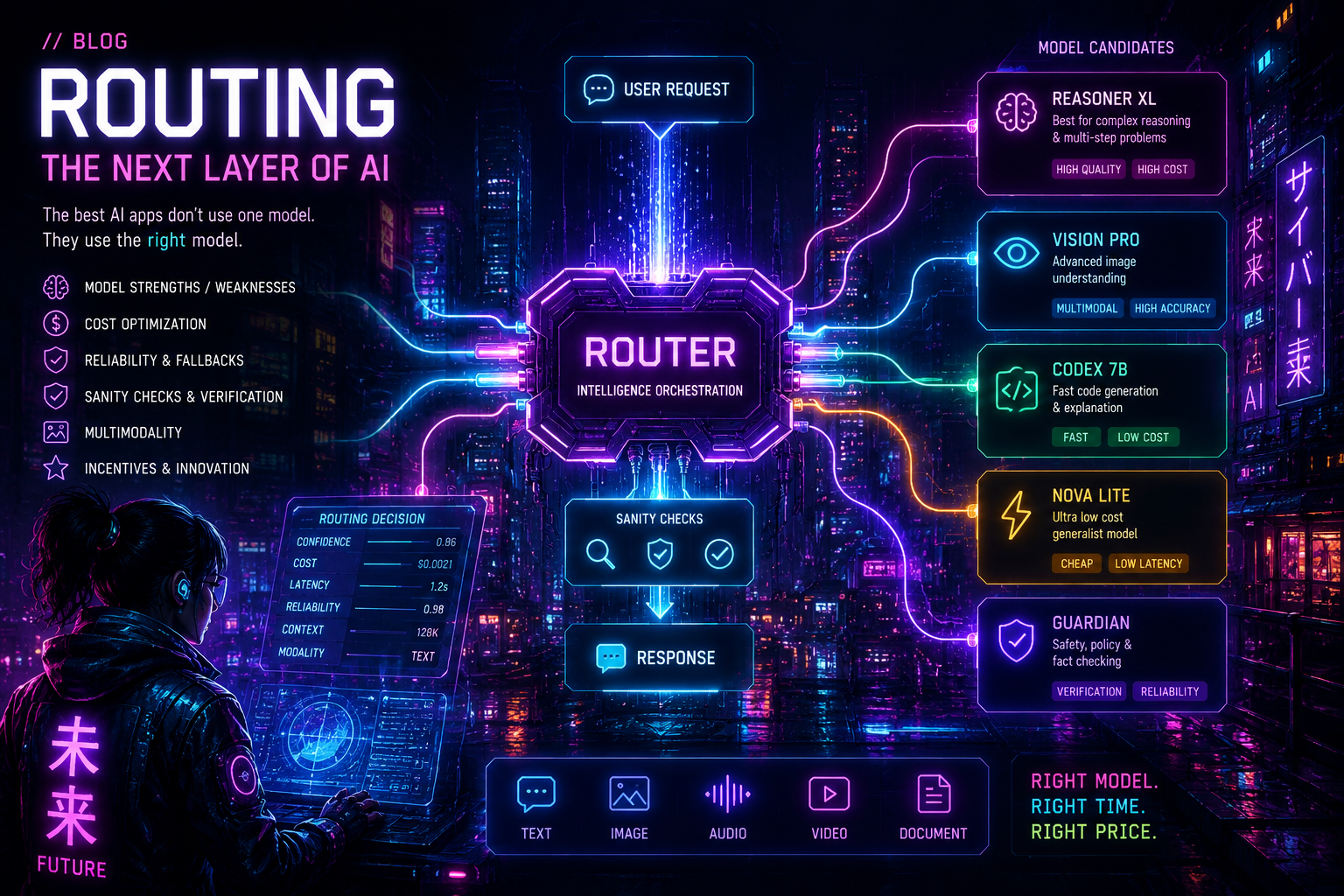
  15. An Emerging Market Created By AI: Routing

    The AI industry has developed a new infrastructure layer focused on routing, which is becoming increasingly important. This routing layer manages the flow of data and requests to different AI models, optimizing performance and cost. As AI models become more specialized and numerous, efficient routing is essential for their effective deployment and utilization. AI

    An Emerging Market Created By AI: Routing

    IMPACT Efficient AI model routing is becoming crucial for managing specialized models and optimizing performance and costs.

  16. ML System Development and Redundancy: Stop Rebuilding the Wheel

    This article discusses the Machine Learning Development Lifecycle (MLDLC), emphasizing the importance of standardized processes in ML system development. It highlights the need to avoid redundant efforts by leveraging existing frameworks and tools. The piece aims to guide practitioners through the complexities of building and deploying machine learning systems efficiently. AI

    ML System Development and Redundancy: Stop Rebuilding the Wheel

    IMPACT Provides guidance on best practices for developing and deploying ML systems, aiming to improve efficiency.

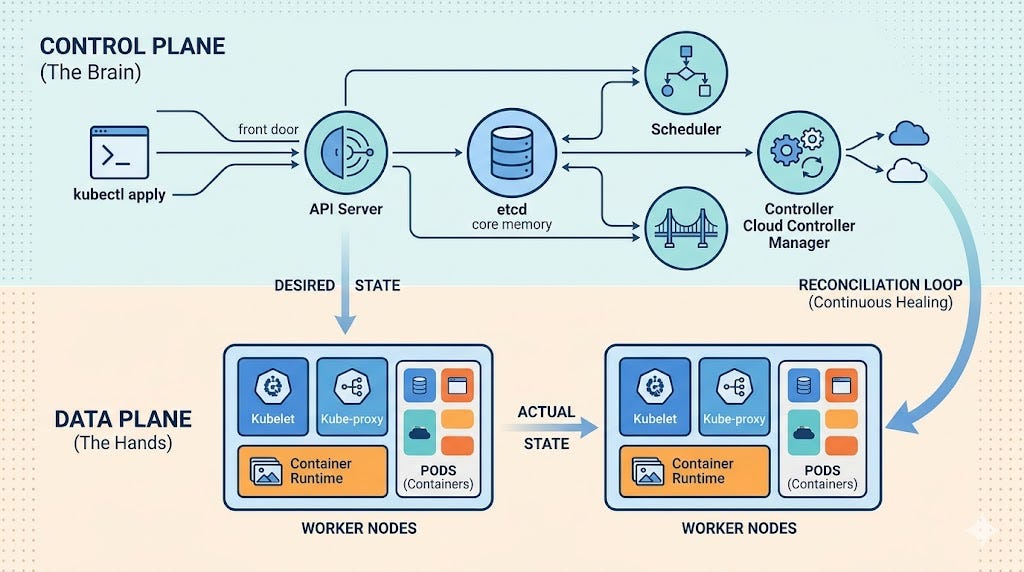
  17. Kubernetes Without the Buzzwords: Control Plane vs. Data Plane

    This article clarifies the distinction between Kubernetes' control plane and data plane, explaining their respective roles in managing containerized applications. The control plane handles cluster operations like scheduling and API requests, while the data plane executes the actual application workloads. Understanding this separation is crucial for effective MLOps and managing complex cloud-native environments. AI

    Kubernetes Without the Buzzwords: Control Plane vs. Data Plane

    IMPACT Clarifies fundamental infrastructure concepts relevant to deploying and managing AI/ML workloads.

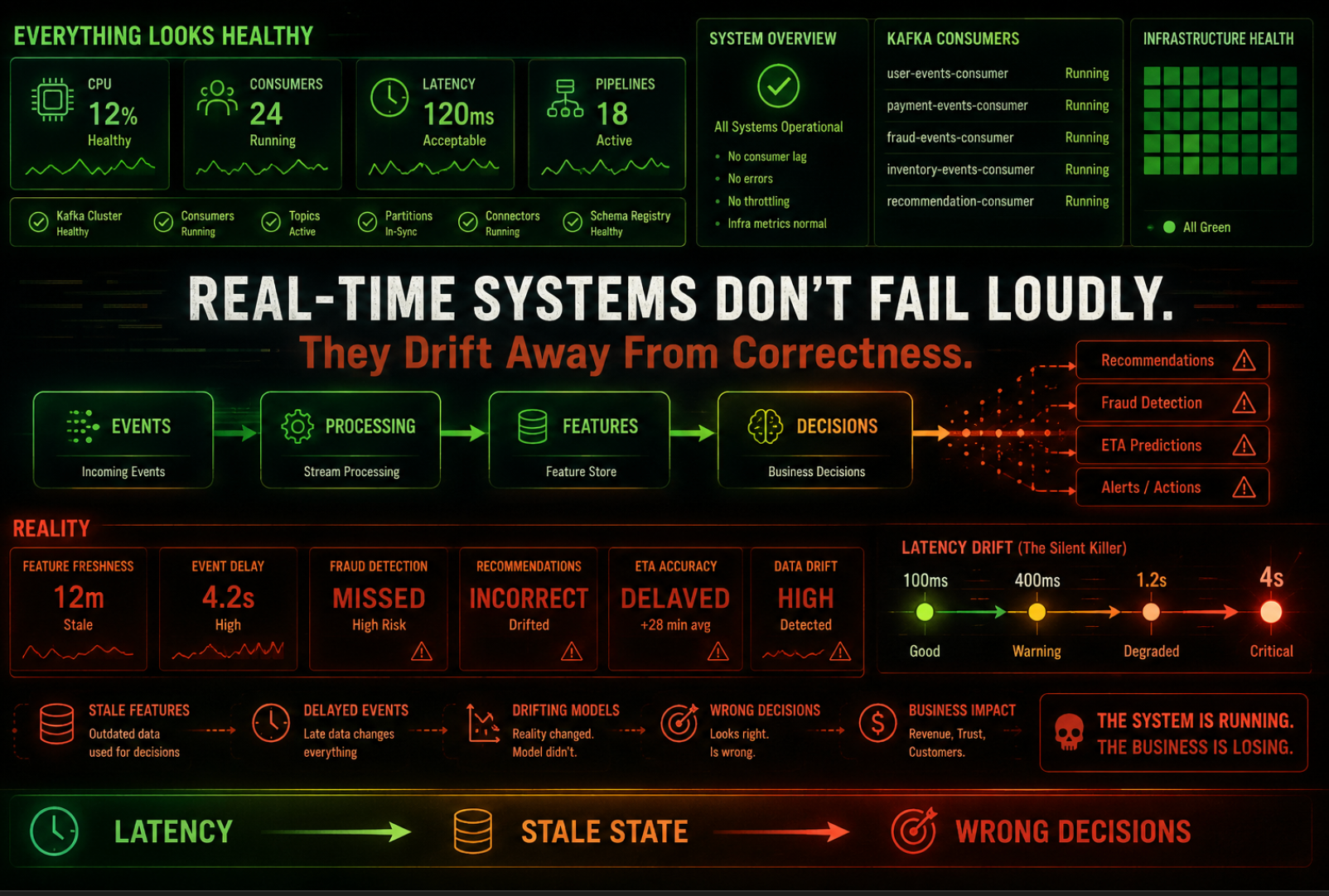
  18. ⚠️Real-Time System Failures - Latency, Drift, and Chaos

    Real-time AI systems can fail silently due to latency and data drift, leading to incorrect decisions. These issues, often overlooked in "healthy" systems, can significantly impact performance and reliability. Addressing these challenges requires robust monitoring and maintenance strategies to ensure system accuracy and trustworthiness. AI

    ⚠️Real-Time System Failures - Latency, Drift, and Chaos

    IMPACT Highlights critical operational challenges for AI systems, emphasizing the need for better monitoring and maintenance.

  19. Master AI Modules Training with Hands-On Real-Time Skills!

    Visualpath is offering a free demo for its AI Modules training program, focusing on industry-relevant skills. The program aims to equip participants with hands-on, real-time capabilities in areas such as MLOps. This initiative is designed to enhance professional development in the AI and machine learning fields. AI

    Master AI Modules Training with Hands-On Real-Time Skills!

    IMPACT Offers a pathway for professionals to acquire practical AI and MLOps skills through a free demo program.

  20. Day 10: Versioning Data with DVC

    This series details the process of migrating large datasets from Git to Data Version Control (DVC) as part of a 100 Days of MLOps challenge. The articles focus on the practical steps and benefits of using DVC for data versioning in machine learning projects. The goal is to streamline data management and improve reproducibility in MLOps workflows. AI

    IMPACT Details practical MLOps workflows for data management, relevant for practitioners managing ML projects.

  21. Understanding MCP (Model Context Protocol) with a Simple Analogy ️

    The Model Context Protocol (MCP) is a framework designed to help AI systems manage and interact with increasingly complex information. Early explanations of MCP often dive directly into technical details and code, which can be a barrier to understanding. Analogies and simpler explanations are being developed to make the protocol more accessible. AI

    IMPACT Simplifies understanding of AI system interaction frameworks.

  22. MLOps in Plain English: What It Is, What It Actually Looks Like, and Why Most Teams Get It Wrong

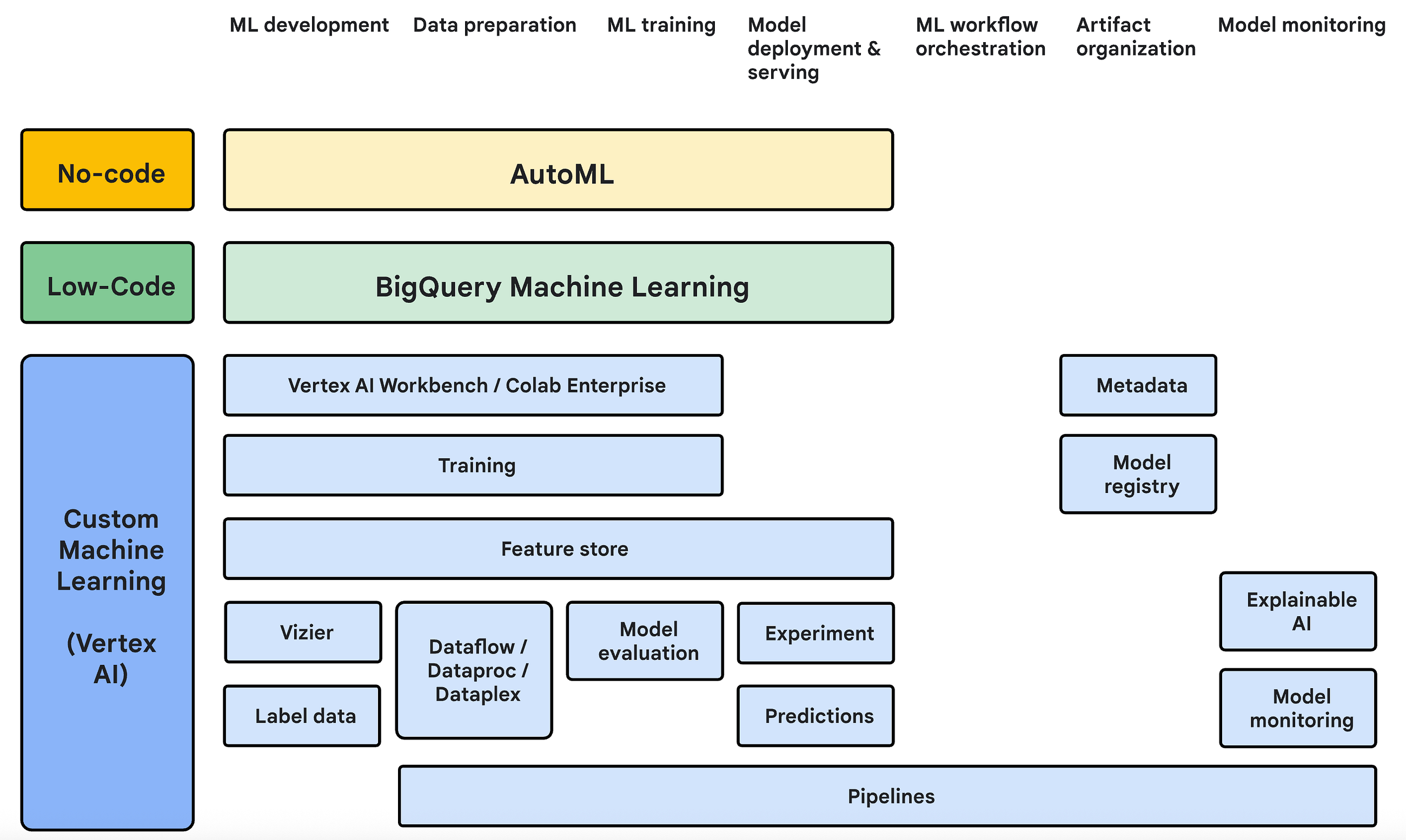
    MLOps is gaining prominence as the critical discipline for deploying and maintaining machine learning models in production. While model training was once the primary focus, the operational aspects of MLOps are now considered more vital for real-world AI applications. This includes strategies for deployment, serving, and managing models, with specific attention to the unique challenges of Large Language Models (LLMs) compared to traditional ML models. Various tools and architectures, such as those utilizing Docker, Flask, AWS, and MLflow, are essential for building robust MLOps pipelines. AI

    MLOps in Plain English: What It Is, What It Actually Looks Like, and Why Most Teams Get It Wrong

    IMPACT Highlights the growing importance of operationalizing AI models, emphasizing the need for robust deployment and maintenance strategies.