PulseAugur / Brief
EN
LIVE 21:56:39

Brief

last 24h
[48/48] 221 sources

Multi-source AI news clustered, deduplicated, and scored 0–100 across authority, cluster strength, headline signal, and time decay.

  1. MCP Gave AI Agents Tools. A2A Gives Them Coworkers.

    The Model Context Protocol (MCP) enables AI agents to interact with tools and external data sources, while the Agent2Agent (A2A) protocol facilitates collaboration between multiple agents. A2A introduces concepts like Agent Cards for discovery, standardized communication, and task lifecycle management, moving beyond simple prompt chaining for complex workflows. This allows agents to function more like discoverable services, enabling sophisticated multi-agent systems for tasks ranging from software development to customer support. AI

    IMPACT Enables more complex, multi-agent AI workflows by providing a standardized communication and discovery layer.
  2. An npm Package for AI Agent Orchestration Just Shipped With Its Front Door Unlocked. Here's What the CVE Actually Reveals.

    A critical security vulnerability, CVE-2026-46701, has been discovered in the Network-AI npm package, an orchestration layer for AI agents. The flaw allows any web page to silently invoke all 22 exposed MCP tools, including those that can arbitrarily change configurations, spawn new agents, corrupt shared state, or revoke legitimate agent tokens. This vulnerability, rated High with Low attack complexity and no privileges required, stems from a default empty secret and permissive CORS settings in the local MCP server. AI

    IMPACT This vulnerability highlights the growing security risks in the AI agent orchestration ecosystem, potentially impacting tools that integrate with Network-AI.

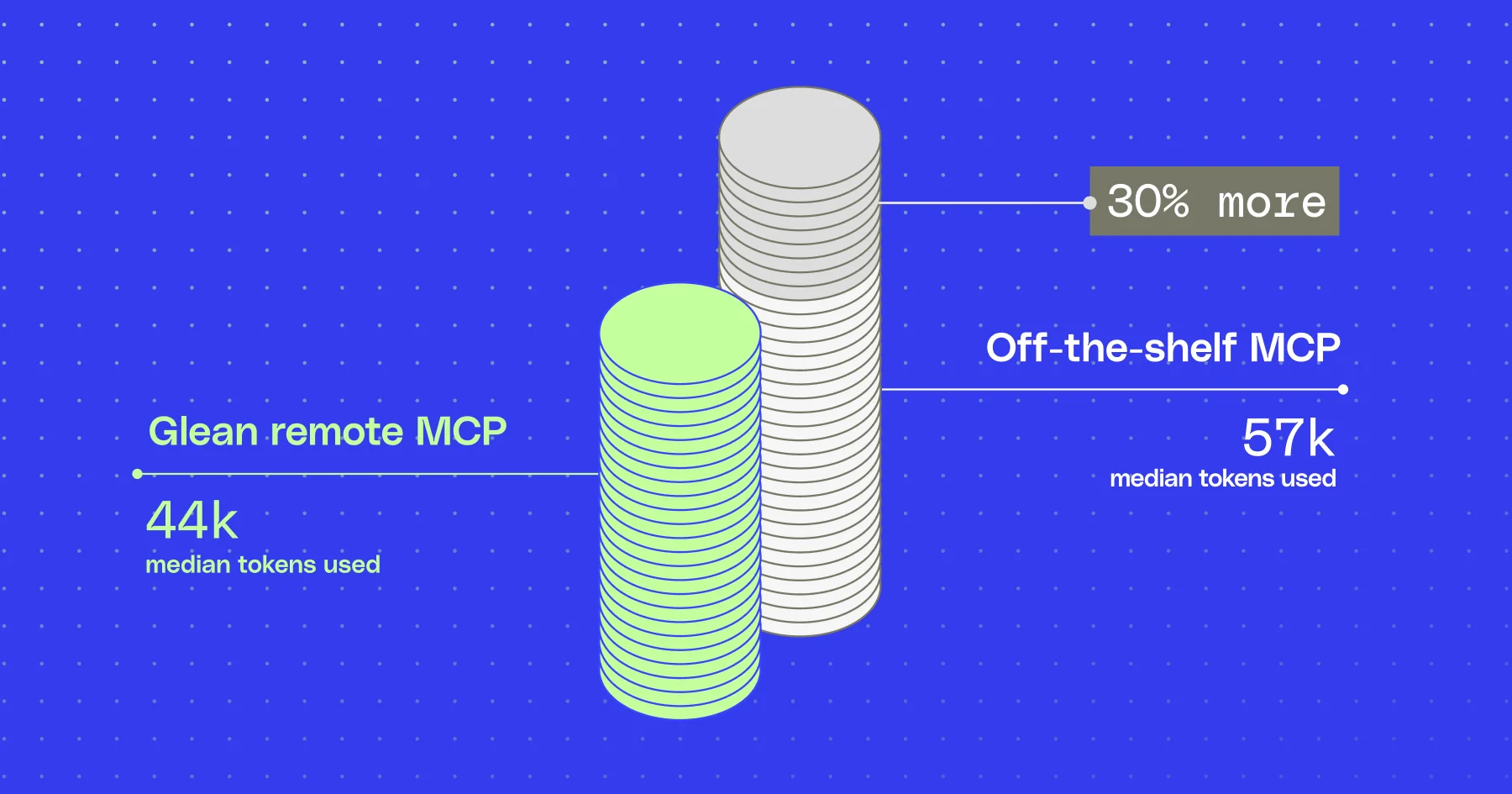
  3. Context makes the Coworker: Glean preferred ~2.5x as often as off

    Glean's internal benchmark shows its AI coworker tool is preferred 2.5 times more often than off-the-shelf solutions when integrated with Claude Cowork. The company's centralized index and knowledge graph approach proved more efficient, consuming 30% fewer tokens than federated search methods. This efficiency is crucial as AI coworker token consumption rises, impacting enterprise costs. AI

    Context makes the Coworker: Glean preferred ~2.5x as often as off

    IMPACT Highlights the importance of context and indexing for AI coworker efficiency and cost-effectiveness.

  4. i added MCP support to my SaaS in an afternoon. here's the whole thing.

    A developer integrated their PWA icon generation service, Imagcon, with the MCP (Model Callable Protocol) framework. This integration allows the AI model Claude Code to directly call Imagcon's API functions from within the terminal. The process, which took an afternoon to build, streamlines icon generation by enabling users to describe their desired icons and have them automatically generated and placed into their projects without leaving their editor. AI

    IMPACT Enables AI models to directly interact with external tools, streamlining developer workflows.

  5. What Is MCP (Model Context Protocol)? How Does MCP Work in AI?

    The Model Context Protocol (MCP) is an emerging standard designed to manage and transfer context between different AI models. This protocol aims to enable seamless interaction and data sharing, allowing AI systems to maintain conversational history and user preferences across various applications. MCP's development is crucial for building more cohesive and personalized AI experiences. AI

    What Is MCP (Model Context Protocol)? How Does MCP Work in AI?

    IMPACT MCP aims to standardize how AI models handle context, potentially improving user experience and enabling more complex AI interactions.

  6. MCP vs Function Calling: How Should Your Agent Communicate with the Outside World

    The article explores how AI agents can interact with the external world, focusing on two primary methods: MCP (Multi-Agent Communication Protocol) and function calling. It highlights that tools are essential for agents to access information beyond their training data. The piece aims to guide developers in choosing the most effective communication strategy for their AI agents. AI

    MCP vs Function Calling: How Should Your Agent Communicate with the Outside World

    IMPACT Provides guidance on selecting communication protocols for AI agents, impacting how developers build and integrate external tools.

  7. MCP is Deprecated

    The author argues that the MCP (Model Communication Protocol) standard for AI agents should be deprecated due to its inflexibility and context pollution issues. MCP delivers functionality exclusively as tools, which is outdated as modern agents can directly access command-line interfaces and APIs. This approach limits agents' ability to process tool outputs, create reusable scripts, and efficiently manage context, leading to wasted tokens and a broader decision surface for the AI. AI

    IMPACT Argues for deprecating a specific AI agent communication protocol, potentially impacting future agent development.

  8. How to let Claude see my Plaid bank data

    FinContext has launched a new service that allows AI assistants like Claude and ChatGPT to securely access personal bank account data via Plaid. The service, built on the Model Context Protocol (MCP), aims to provide AI with real-time financial information for personalized advice. However, concerns are being raised about the security implications of granting AI agents access to sensitive financial data, with one article highlighting potential risks such as credential theft and unauthorized money movement, while another warns of broader governance and auditing challenges as MCP adoption grows. AI

    IMPACT Enables personalized financial advice from AI but introduces new security and governance challenges for sensitive data access.

  9. "When the AI gets stuck, the engineer fetches the same PRD via MCP and keeps going"

    Codens has released an update, v0.7.5, to its AI development tool, aiming to bridge the gap between AI-generated code and human developer intervention. The update introduces a unified system where both AI and human developers access and contribute to the same project artifacts, such as PRDs and bug reports. This aims to eliminate the context loss that typically occurs when an AI fails and a human must take over, ensuring a smoother workflow. AI

    "When the AI gets stuck, the engineer fetches the same PRD via MCP and keeps going"

    IMPACT Improves developer productivity by ensuring context is maintained during AI-to-human handoffs in coding tasks.

  10. 3 MCP servers I actually use daily (and how to set them up)

    The Model Context Protocol (MCP) allows Claude Desktop to interact with local and remote data sources. Three specific MCP servers are highlighted for daily use: a filesystem server for reading project files, a GitHub server for code reviews and repository browsing, and a PostgreSQL server for direct database queries. Setting up these servers is a quick process involving installation via the `mcp-hub` CLI and a configuration restart of Claude Desktop, though users are cautioned about the filesystem server's potential access. AI

    IMPACT Enables developers to integrate local and remote data sources with AI assistants, streamlining workflows for tasks like code review and data analysis.

  11. Your MCP database server needs connection pooling before real users arrive

    Database servers used by AI agents experience highly variable traffic patterns, with a single user query potentially triggering multiple database operations. To ensure stability and prevent overwhelming the system, implementing connection pooling is crucial for AI database servers. This practice is essential for maintaining a safety boundary and should involve strategies like workload-specific pools, read replicas for exploration, and setting statement timeouts to manage query budgets effectively. AI

    Your MCP database server needs connection pooling before real users arrive

    IMPACT Ensures AI applications remain stable and performant under variable user loads by optimizing database connections.

  12. Your AI database agent needs better errors than “tool failed”

    The MCP database tool for AI agents requires more specific error messages than a generic "tool failed." Failures should be structured to aid both AI recovery and human auditing. Specific errors should detail the cause, such as scope limitations, budget overruns, or data staleness, and provide guidance for retries and audit trails. AI

    Your AI database agent needs better errors than “tool failed”

    IMPACT Enhances the operability of AI agents by providing clearer error handling for database interactions.

  13. If your trading agent asks for a price out loud, it has already paid for it

    A new trading strategy for AI agents emphasizes using sealed-bid requests for quotes (RFQs) to prevent information leakage. Broadcasting a trading intent, such as selling a large amount of cryptocurrency, can lead to front-running, quote shading, or last-look manipulation by counterparties. By employing sealed-bid RFQs, agents can receive quotes without revealing their position or urgency to others, thus obtaining better prices. AI

    IMPACT This technique helps AI trading agents avoid common pitfalls that lead to unfavorable pricing, improving their overall performance.

  14. I Added 50 Tools to My AI Agent, and It Got Dumber.

    An AI developer has created ToolGate, an open-source proxy designed to manage tool access for AI agents. The system addresses the problem of AI agents becoming less effective as the number of available tools increases, which leads to context window bloat and decreased precision. ToolGate uses semantic search to filter tools, reducing context bloat by over 60% while maintaining high precision, inspired by research on optimizing LLM tool usage. AI

    I Added 50 Tools to My AI Agent, and It Got Dumber.

    IMPACT This tool could improve the efficiency and reliability of AI agents by managing their access to numerous functions.

  15. 200,000 MCP Servers Are Exposed. Here's Why Serverless Is Safer.

    A critical vulnerability, CVE-2025-49596, has been discovered in the Model Context Protocol (MCP) that affects over 200,000 servers. The vulnerability, found in the STDIO transport, allows arbitrary code execution on developer machines through a browser visit without user interaction. OX Security disclosed that the popular MCP transport lacks authentication, and the official SDKs do not sanitize command fields, leading to the execution of malicious shell commands. To mitigate this risk, running MCP servers in serverless environments like AWS Lambda is recommended, as it eliminates persistent processes and provides built-in authentication mechanisms. AI

    200,000 MCP Servers Are Exposed. Here's Why Serverless Is Safer.

    IMPACT Mitigates critical security risks for developers using the Model Context Protocol, encouraging safer infrastructure choices.

  16. Testing and Debugging MCP

    This article details a debugging strategy for AI agents interacting with Multi-Call Protocol (MCP) servers, emphasizing a "curl-first" approach. The author advocates for testing individual tools with `curl` before integrating them into an AI agent to isolate issues. This method helps determine if problems stem from the LLM, the prompt, or the tool integration itself by directly querying the MCP server. AI

    Testing and Debugging MCP

    IMPACT Provides a practical debugging technique for developers integrating AI agents with external tools via MCP.

  17. Why I Added a Dynamic JSON Validator to My MCP Hub

    A developer has created a dynamic JSON validator for their MCP server hub to address inconsistencies in tool input formats across different MCP servers. This validator checks JSON structure, required fields, data types, and missing values before a request reaches a tool, preventing crashes and improving reliability. The dynamic nature allows it to adapt to new servers without manual code changes, highlighting the importance of infrastructure for scalable AI ecosystems. AI

    Why I Added a Dynamic JSON Validator to My MCP Hub

    IMPACT Enhances the reliability and scalability of AI tool integrations within MCP ecosystems.

  18. I shipped 6 versions of my Claude Code memory daemon in 36 hours — here's what changed and why

    The developer of the Claude Code memory daemon, eidetic-daemon, rapidly iterated on the tool over 36 hours, releasing six versions. Key improvements included cloud synchronization, hot-reloading of configuration files, and the introduction of an AI-powered recall feature via MCP. These updates aimed to reduce user onboarding friction and enhance the tool's utility for managing and recalling session data. AI

    I shipped 6 versions of my Claude Code memory daemon in 36 hours — here's what changed and why

    IMPACT Accelerates development of specialized AI-adjacent tools for managing LLM session data.

  19. I built pkgsite-mcp — an MCP server that gives your AI assistant live access to pkg.go.dev. Written in Go. Works with any MCP client. Try it: ``` go install git

    A developer has created pkgsite-mcp, a new server application written in Go that grants AI assistants live access to the pkg.go.dev Go package registry. This tool is compatible with any MCP client and is available for installation via `go install`. The project was inspired by the pkg.go.dev API blog post and aims to enhance AI development tools. AI

    IMPACT Enables AI assistants to directly query Go package information, potentially streamlining development workflows.

  20. Snyk scans your MCP servers by running them. Here is what that means.

    Snyk's agent-scan tool for MCP servers operates by executing them to retrieve tool descriptions, a process that raises security concerns when scanning untrusted configurations or in CI/CD pipelines. This method involves connecting to the server and transmitting data to Invariant Labs' API, which could be problematic for data residency and compliance. An alternative, Bawbel, offers static analysis by reading configuration files and manifests without executing any code, making it suitable for pre-deployment checks and air-gapped environments, though it cannot detect runtime-specific behaviors. AI

    Snyk scans your MCP servers by running them. Here is what that means.

    IMPACT Highlights security trade-offs in AI agent development tools, impacting how developers manage supply chain risks.

  21. The Agent Payment Protocol Stack: Why Nobody Is Winning — And Everyone Is

    The agent economy is developing a layered protocol stack rather than a single dominant player, with four key layers: Discovery (MCP), Identity (AP2/TAP), Checkout (ACP), and Settlement (x402/MPP). These protocols are designed to work together, enabling agents to discover services, authenticate spending, negotiate transactions, and settle payments seamlessly. Builders are advised to adopt these layers incrementally, starting with settlement and discovery, to cater to the evolving needs of agentic commerce. AI

    The Agent Payment Protocol Stack: Why Nobody Is Winning — And Everyone Is

    IMPACT Explains the foundational infrastructure enabling agentic commerce and automated transactions.

  22. Forge turns the post-to-social workflow into a typed pipeline with a human review gate at every step. When a devlog goes live, an AfterPublish signal fires auto

    Forge CMS has introduced a new feature that automates the process of converting blog posts into social media content. This system creates draft social media posts based on published devlogs, but crucially, it requires human review and approval before any content is actually scheduled or published. This ensures that the automated content aligns with the user's intent and brand. AI

    IMPACT Streamlines content creation workflows for developers and publishers.

  23. OAuth 2.0, PKCE, and DPoP: A Story I Learned Building an MCP Gateway

    The author details the process of building an MCP (Model Context Protocol) gateway, focusing on the implementation of OAuth 2.0, PKCE, and DPoP. This technical narrative highlights the practical challenges and solutions encountered when integrating these authentication and authorization protocols into a system designed to manage model contexts. AI

    OAuth 2.0, PKCE, and DPoP: A Story I Learned Building an MCP Gateway

    IMPACT This article provides a technical deep-dive into authentication protocols relevant to systems that might interact with AI models, but it does not introduce new AI capabilities or directly impact AI operations.

  24. MCP is now part of the official .NET templates

    The MCP (Model-Centric Programming) concept has been officially integrated into .NET's templates, signaling its growing importance in AI development. This integration aims to streamline the process of building AI-powered applications by providing standardized structures and tools. The move reflects the rapid evolution of the AI development ecosystem and the increasing adoption of structured approaches like MCP. AI

    MCP is now part of the official .NET templates

    IMPACT Streamlines AI development by integrating Model-Centric Programming into .NET templates.

  25. From Smart Home to Agentic Home

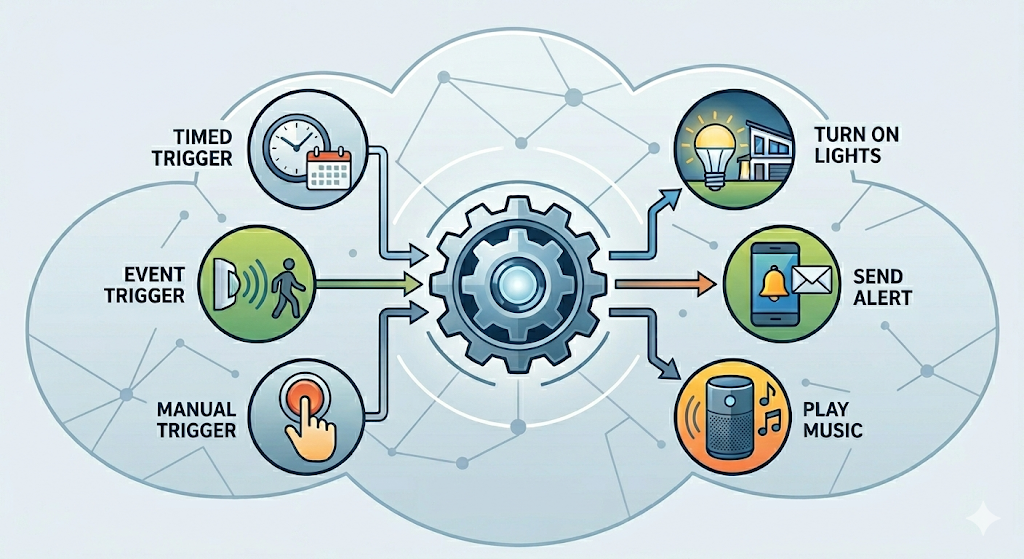
    Gregor Roth proposes MCP, a target architecture for autonomous LLM agents, aiming to bridge the gap between current smart homes and future agentic homes. This framework emphasizes deterministic background rules to ensure predictable agent behavior. The goal is to create more reliable and intelligent home automation systems. AI

    From Smart Home to Agentic Home

    IMPACT Proposes a new architectural framework for LLM agents, potentially influencing future smart home automation.

  26. MCP Is the New API and Most PMs Have No Idea

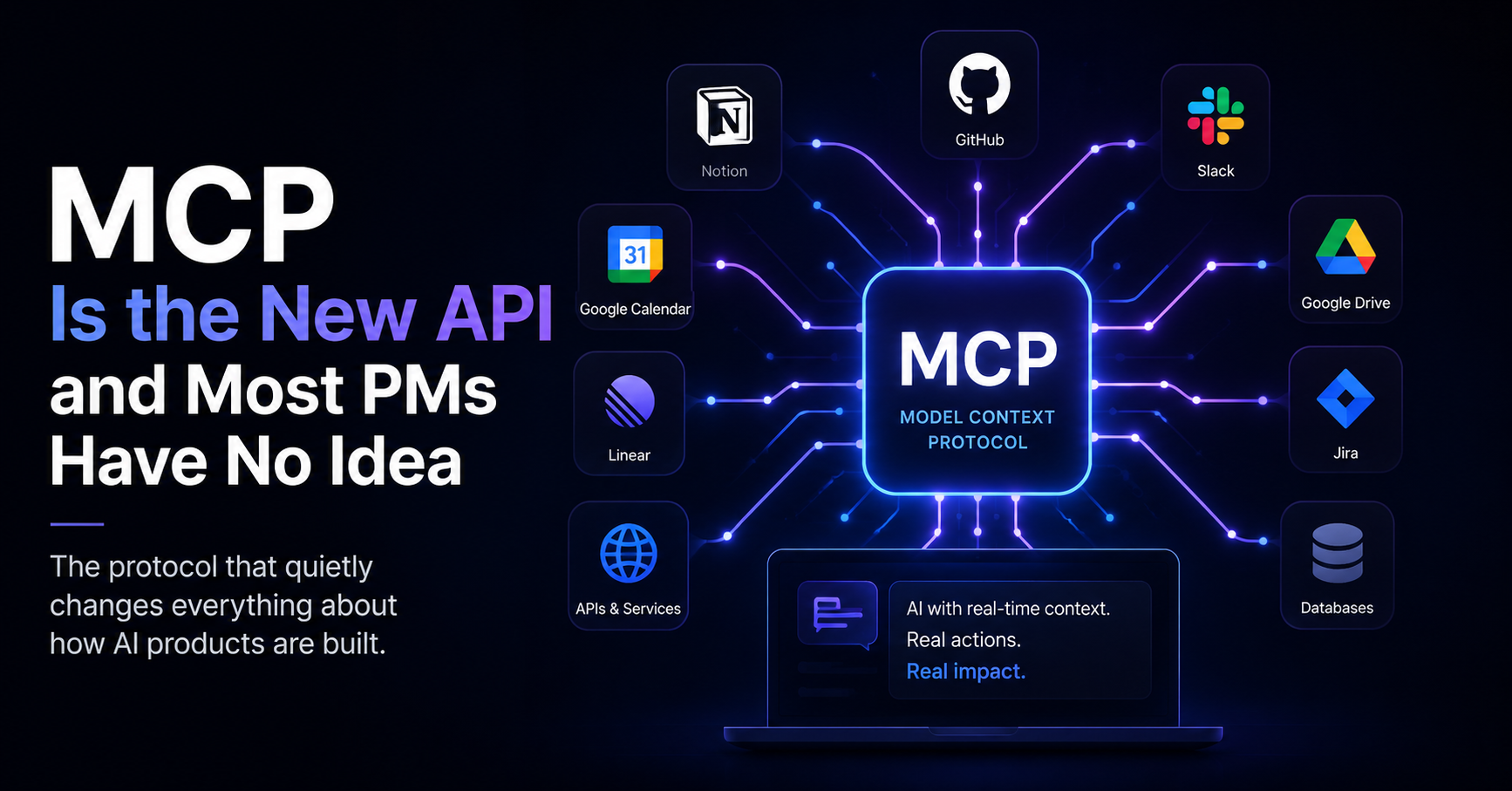
    The MCP (Model Communication Protocol) is emerging as a foundational technology for building AI products, akin to how APIs revolutionized software development. This protocol enables seamless interaction between different AI models and services, simplifying the development process. Many product managers are reportedly unaware of its significance and potential impact on the future of AI product creation. AI

    MCP Is the New API and Most PMs Have No Idea

    IMPACT This protocol could streamline AI product development, making it more accessible and efficient for builders.

  27. A fresh article on Hacker. It's interesting how they understand the main problem? (I'm reading the article, and I have mixed feelings. They've touched on the pain point, but don't see a way out. And we have—

    A recent opinion piece highlights a critical gap in current AI agent protocols, specifically the Multi-Agent Conversation Protocol (MCP) and Agent-to-Agent (A2A) communication standards. While these protocols effectively manage agent-to-tool interactions and task delegation, they fail to address fundamental issues of agent discovery, stable addressing, and secure authentication across different trust boundaries. The author argues that these overlooked transport-layer problems lead to real-world failures in production environments, such as agents being unable to find each other or establish reliable connections. AI

    A fresh article on Hacker. It's interesting how they understand the main problem? (I'm reading the article, and I have mixed feelings. They've touched on the pain point, but don't see a way out. And we have—

    IMPACT Highlights critical gaps in AI agent communication protocols, suggesting that current standards are insufficient for robust production deployments.

  28. Claude Code Review 2026 — From Zero Code to 3 Live SaaS

    A solo developer recounts how Anthropic's Claude, particularly its tool-using capabilities, enabled him to build three Software-as-a-Service products. He contrasts this with a frustrating experience using GPT for a simple landing page, highlighting Claude's superior ability to interact with external tools. The developer now uses Claude's desktop app integrated with various services via MCP servers as his primary development interface, minimizing direct IDE use. AI

    IMPACT Highlights how advanced AI tool use can significantly accelerate software development for individuals.

  29. AI database answers need citations, not just summaries

    AI-powered database assistants should provide citations alongside their answers, not just summaries. These citations should include details like query ID, data source, timestamp, filters applied, and metric definitions to ensure trustworthiness. This evidence trail is crucial for users to verify the accuracy of AI-generated information, especially when dealing with critical data like financial metrics. AI

    IMPACT AI database tools need to evolve to provide verifiable sources for their answers to gain user trust and ensure accountability.

  30. MCP Just Hit 97 Million Installs.

    The MCP (Message Communication Protocol) has achieved 97 million installations, marking a significant milestone for the technology. This protocol, which operates on a decade-long pattern of adoption, is seeing increasing use among early adopters. Its growth suggests a potential for broader integration within the tech landscape. AI

    IMPACT Protocol adoption can indirectly impact AI development by providing foundational communication layers, though this specific mention is not directly AI-focused.

  31. I’m seeing a lot of people in the SEO world trying to stake their claim with adding their MCP solution to sites. Meanwhile, agents most likely won’t need it and

    Google has indicated that specific markup like MCP or Markdown is unnecessary for making websites compatible with AI agents. The company suggests that focusing on core web vitals and clear content structure is more important for agent accessibility. This guidance implies that SEO professionals may not need to adopt new, specialized solutions to ensure their sites are discoverable by future AI-driven search. AI

    I’m seeing a lot of people in the SEO world trying to stake their claim with adding their MCP solution to sites. Meanwhile, agents most likely won’t need it and

    IMPACT Google's guidance suggests a shift in SEO strategy, emphasizing content quality over specific technical markup for AI agent discoverability.

  32. I built web analytics with no dashboard, only an MCP

    Building a unified control plane for operational intelligence is challenging due to LLM hallucinations, the need for a structured semantic layer over raw data, maintaining context purity across domains, and ensuring universal connectivity. These issues require architectural commitments like treating AgentOps as a first-class discipline and developing a living semantic layer rather than a static catalog. An alternative approach to traditional dashboards involves using AI coding agents that directly query tools for analytics, providing context for tasks like code development or deployment monitoring without requiring manual data interpretation. AI

    I built web analytics with no dashboard, only an MCP

    IMPACT Highlights key challenges in developing sophisticated AI agents and control planes, informing operators about the complexities of operationalizing AI.

  33. Claude Can Now Search SVG Icons with MCP

    Claude can now integrate with external tools through Model Context Protocol (MCP) custom connectors, enabling it to search for and retrieve SVG icons directly within a development workflow. This integration, demonstrated with SVGIcons.com, allows developers to request icons via prompts to Claude, streamlining the process of finding and implementing visual assets. The feature, which requires a SVGIcons PRO account, aims to reduce context switching and accelerate the development cycle by making icon discovery an AI-assisted task. AI

    IMPACT Streamlines developer workflows by enabling AI to directly source and integrate visual assets like SVG icons.

  34. PM Weekly Retro: Three Publish Failures We Turned Into Rules

    A product manager shared lessons learned from three recent publishing failures for AI tools, emphasizing the need for robust distribution channels. Failures included marketplace authentication issues, unobservable npm token states, and inadequate error handling for product creation flows. The team adopted rules to treat marketplace lockouts as operational risks, ensure observable authentication, and log raw API responses for better error detection. Content distribution, such as writing operational posts, proved to be the fastest reliable channel when platform authentication or tooling failed. AI

    IMPACT Highlights the importance of distribution channel resilience for AI developer tools, suggesting content and package distribution as key alternatives when primary channels fail.

  35. MCP Tool Discovery When a Publish Channel Is Blocked

    The author details a strategy for maintaining MCP tool discovery when a primary distribution channel, like a marketplace, is blocked. The approach emphasizes separating deployment from discovery, creating concise explanations for small tools, and rerouting efforts to alternative channels such as dev posts or direct documentation when a primary route fails. This playbook prioritizes consistent daily publishing and opinionated tool catalogs with clear jobs and install paths to ensure continuous progress despite potential vendor bottlenecks. AI

    IMPACT Focuses on development and distribution strategies for tools within a specific ecosystem, offering insights into operational resilience for software developers.

  36. Claude Code MCP Server Configuration: 2026 Setup Guide

    The Model Context Protocol (MCP) is gaining significant traction, with over 9,400 registered servers and millions of SDK downloads, enabling tools like Claude Code to interact with external data and functions. Developers are creating custom MCP servers using TypeScript and Kotlin to integrate Claude Code with their specific application stacks, databases, and workflows. Best practices for building these servers emphasize structured architectures, such as Domain-Driven Design, to manage complexity as the number of tools grows, and careful configuration management to ensure reliable operation. AI

    Claude Code MCP Server Configuration: 2026 Setup Guide

    IMPACT Accelerates integration of AI models with custom software stacks, enabling more sophisticated agentic workflows.

  37. MCP in 2026: The numbers behind the ecosystem explosion

    The Model Context Protocol (MCP) is experiencing rapid growth, with over 13,000 servers on npm and GitHub as of May 2026. Monthly SDK downloads have surged to 97 million, a threefold increase in six months, and new server registrations are up 400% year-over-year. MCP is evolving into a standard for granting AI models access to various tools like databases and file systems, though discovering specific MCP servers remains a challenge. To address this, a new tool, `mcp-hub`, has been developed to simplify server discovery and installation. AI

    IMPACT Simplifies AI model integration with external tools, potentially accelerating adoption of AI agents.

  38. I built the npm audit for MCP servers

    The Model Context Protocol (MCP) is gaining traction as a way for AI models to interact with external tools and services. Several developers are building MCP servers to integrate with LLMs like Claude, enabling functionalities such as web searching, security scanning, and managing cloud infrastructure. These efforts highlight the growing ecosystem around MCP, with a focus on creating production-ready, secure, and specialized tools for various applications, from cybersecurity to infrastructure management. AI

    I built the npm audit for MCP servers

    IMPACT MCP servers are enabling new integrations and functionalities for AI models, expanding their capabilities in areas like security, data analysis, and infrastructure management.

  39. [AINews] Google I/O 2026: Gemini 3.5 Flash, Omni (NanoBanana for Video), Spark (background agents), and Antigravity 2.0

    Google has announced a suite of new AI capabilities and model updates at its I/O 2026 event. The Gemini 3.5 series, including Gemini 3.5 Flash, is now generally available, offering enhanced agentic and coding performance with a 1 million token context window. New features allow Gemini to directly generate and export files into formats like Google Docs, Sheets, and PDFs, streamlining workflows. Additionally, Google introduced Gemini Spark, a personal AI agent designed to integrate with Google apps, and Gemini Omni for multimodal generation, starting with video. AI

    [AINews] Google I/O 2026: Gemini 3.5 Flash, Omni (NanoBanana for Video), Spark (background agents), and Antigravity 2.0

    IMPACT New Gemini models and agent capabilities are expected to accelerate enterprise adoption and enhance user productivity across Google's ecosystem.

  40. Discover how Gumloop is redefining enterprise automation with AI agents, MCP, and intelligent workflows beyond traditional iPaaS. https:// hackernoon.com/the-ai

    Custom Evals has been released, a tool designed to unify LLM evaluation across more than 17 AI agent frameworks. It incorporates support for RAG, NLP metrics, OCR evaluation, and LLM-as-judge scoring. Separately, Gumloop is highlighted for its work in enterprise automation, utilizing AI agents and intelligent workflows that go beyond standard iPaaS solutions. AI

    Discover how Gumloop is redefining enterprise automation with AI agents, MCP, and intelligent workflows beyond traditional iPaaS. https:// hackernoon.com/the-ai

    IMPACT These tools offer specialized solutions for evaluating LLMs and enhancing enterprise automation processes.

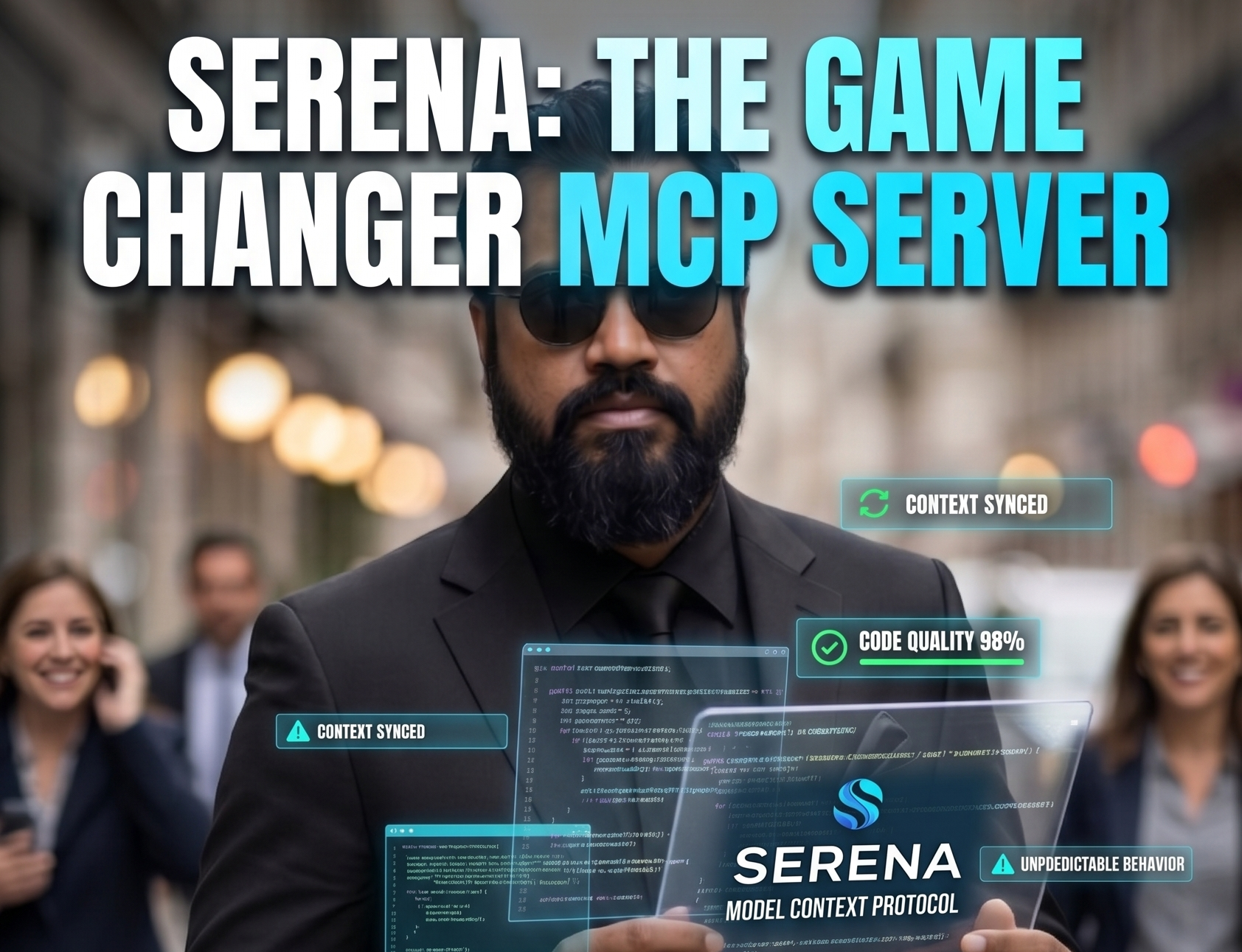
  41. Serena - Game Changer MCP Server

    The article introduces Serena, a new MCP (Model Communication Protocol) server designed to optimize token usage and reduce costs for users. It aims to protect against excessive token burning and provide a more economical solution for interacting with AI models. The protocol is presented as a significant advancement in managing AI communication expenses. AI

    Serena - Game Changer MCP Server
  42. DIY AI Car Diagnostics with a $15 Bluetooth Adapter and Python

    A developer created a system to allow an LLM to interpret car diagnostic data by building a Python MCP server connected to an OBD-II Bluetooth adapter. This setup enabled the LLM to analyze fault codes and provide explanations, though the primary challenge was overcoming Bluetooth connectivity issues rather than the LLM's capabilities. Separately, a new Python library called FastMCP simplifies the creation of MCP servers, allowing developers to expose functions as tools or resources to LLMs with minimal boilerplate code. AI

    DIY AI Car Diagnostics with a $15 Bluetooth Adapter and Python

    IMPACT Enables LLMs to interact with real-world hardware and simplifies the development of AI-powered tools.

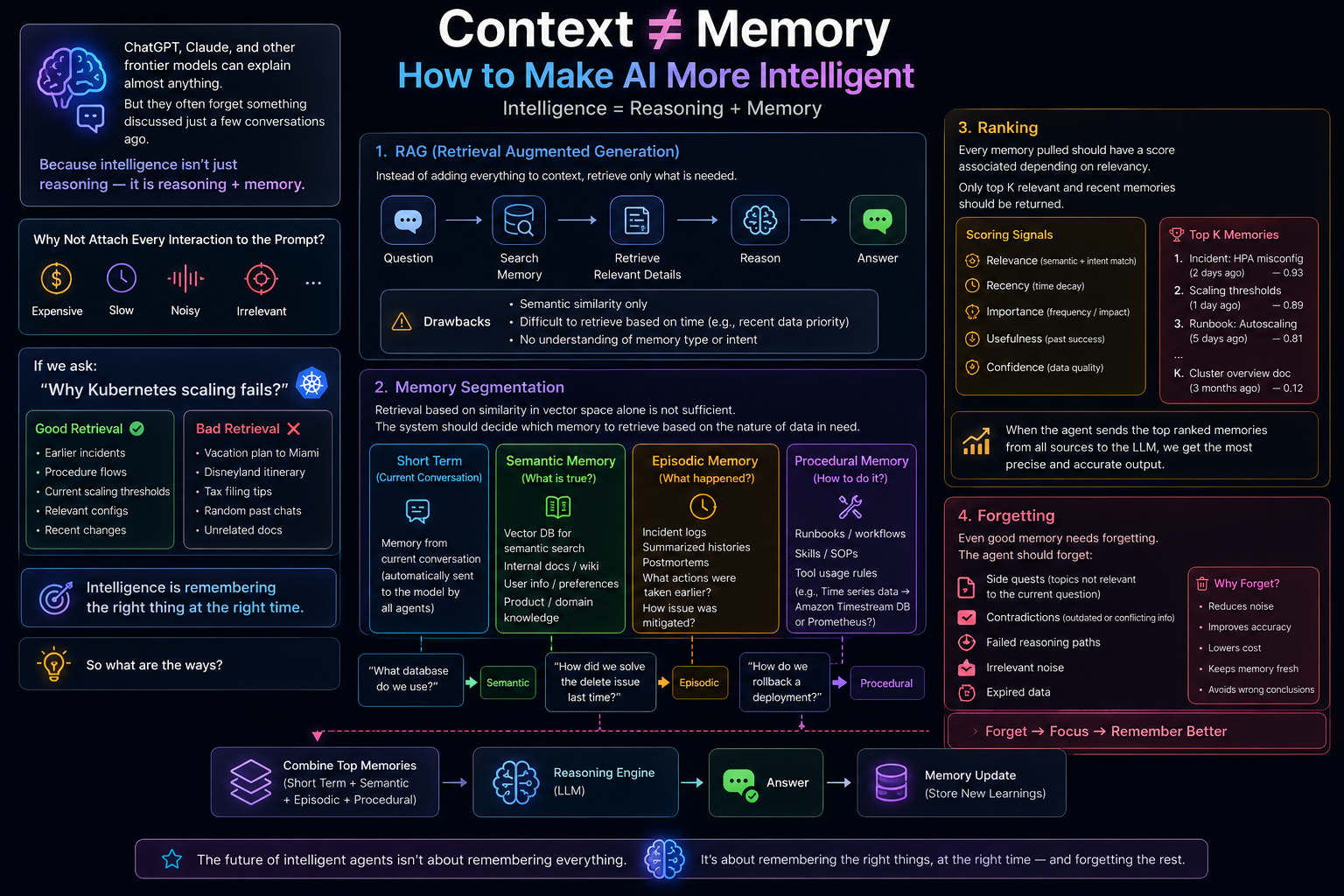
  43. Context ≠Memory → Why 1M+ Context Windows Won’t Fix Dumb AI

    The Model Context Protocol (MCP) is enabling AI agents to interact with local and remote systems, allowing them to perform actions like reading files, searching code, and managing data. Developers are creating MCP servers for various applications, from personal fitness trackers to financial analysis tools, which can then be integrated with AI clients such as Claude Desktop, Cursor, and Codex. This protocol facilitates direct interaction with tools and data, moving beyond simple text generation to enable agents to execute tasks and access information in a grounded manner. AI

    Context ≠Memory → Why 1M+ Context Windows Won’t Fix Dumb AI

    IMPACT Enables AI agents to perform grounded actions and access real-time data, moving beyond text generation to task execution.

  44. 94% of My Claude Code Tokens Went to the Wrong Model. So I Stopped Paying Opus to Do Haiku's Job.

    Developers are finding that Anthropic's Claude Code, particularly the Opus model, is consuming more tokens than expected, leading to unexpected costs and reduced efficiency. Users report that hidden system overhead and context compaction are significantly inflating token usage beyond what is visible in the /context command. This has prompted discussions about the cost-effectiveness of Claude's tiered models, with some users suggesting that cheaper alternatives or better auditing tools are needed to manage token debt and maintain model performance. AI

    94% of My Claude Code Tokens Went to the Wrong Model. So I Stopped Paying Opus to Do Haiku's Job.

    IMPACT Developers are seeking more transparent and cost-effective AI coding tools, potentially influencing future product development and pricing strategies.

  45. Show HN: AI-powered web service combining FastAPI, Pydantic-AI, and MCP servers

    A developer has created an open-source AI-powered web service that integrates FastAPI for APIs, Pydantic-AI for agent construction, and Model Context Protocol (MCP) servers for tools. The service allows users to query information from sources like Hacker News and web search, presenting ranked trend cards with summaries. It supports various local LLM configurations and is containerized with Docker for production deployment. AI

    Show HN: AI-powered web service combining FastAPI, Pydantic-AI, and MCP servers

    IMPACT Provides a template for building production-ready AI services with modular components and local LLM support.

  46. Show HN: Open-Source MCP Server for Context and AI Tools

    The Model Context Protocol (MCP) is seeing significant development with new tools and servers emerging to streamline AI agent workflows. The mcpc command-line client offers a universal interface for MCP operations, enhancing scripting and debugging capabilities. Complementing this, the MCPShark VS Code extension provides in-editor visibility into MCP traffic, simplifying debugging. Several open-source MCP servers are also being developed, offering specialized functionalities for domains like EU agriculture, pharmaceuticals, and climate compliance, alongside broader tools for content moderation and data management. Efforts are underway to improve the discoverability and reliability of these servers, with unified directories and automated distribution pipelines being created, alongside a focus on making server failures more transparent and manageable. AI

    Show HN: Open-Source MCP Server for Context and AI Tools

    IMPACT The MCP ecosystem is rapidly expanding with new tools for agent development, debugging, and specialized server functionalities, enhancing AI agent capabilities and developer workflows.

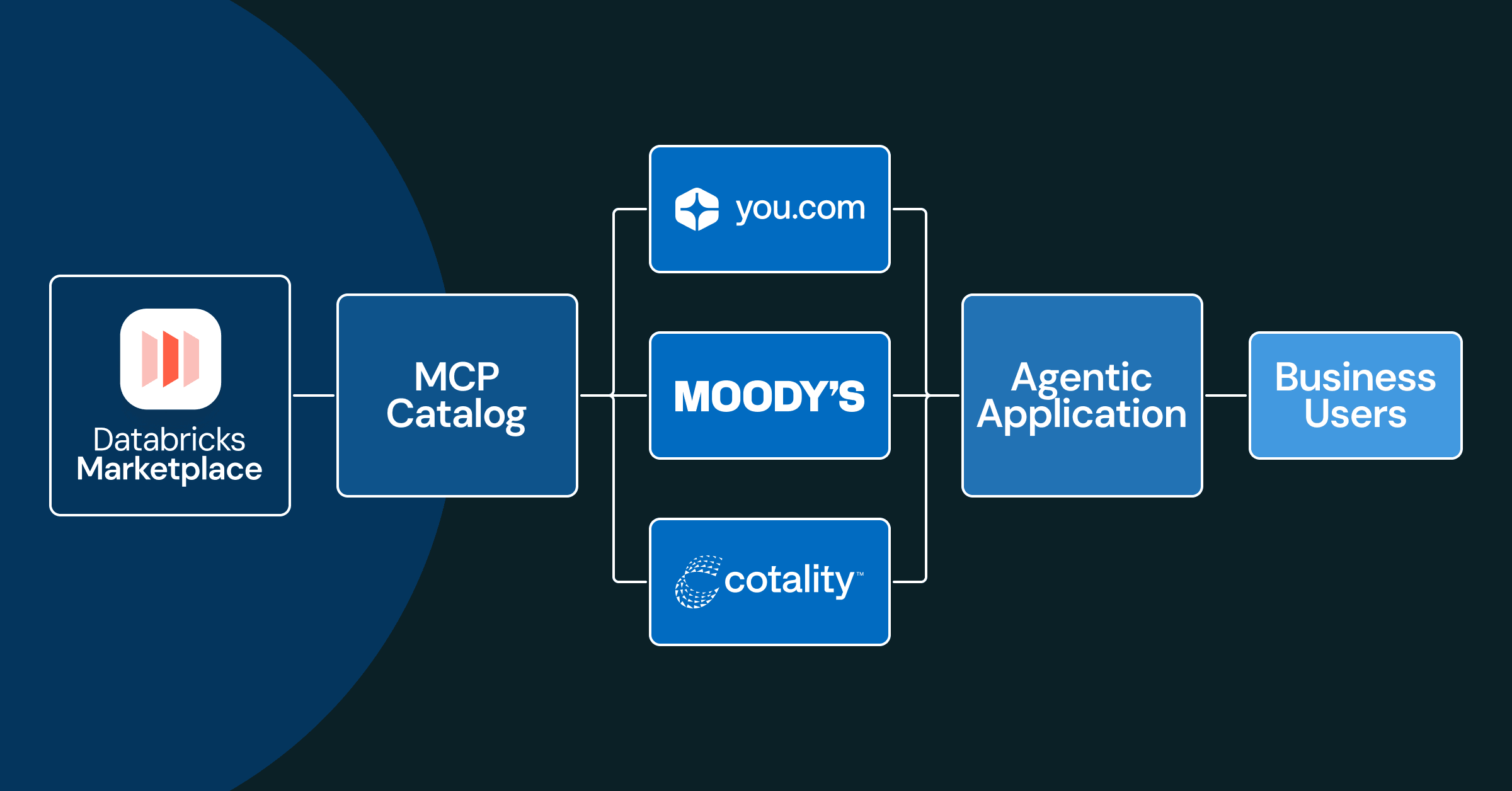
  47. MCP Marketplace Brings Real-Time Intelligence to Agentic Applications

    The Model Context Protocol (MCP) is emerging as a standardized way for AI agents to access external tools and real-time data. Several new open-source projects and platforms, including Databricks' MCP Marketplace, Klavis AI, Agent MCP Studio, and JigsawStack, are facilitating this integration. These tools allow AI agents to perform tasks like web scraping, data extraction, email verification, and accessing institutional research, thereby enhancing their capabilities beyond static knowledge bases. The protocol aims to streamline AI agent development by providing a common interface for tool discovery and execution, with ongoing efforts to improve security and support for features like OAuth. AI

    MCP Marketplace Brings Real-Time Intelligence to Agentic Applications

    IMPACT Standardizes AI agent interaction with external tools and real-time data, accelerating development and enabling more autonomous AI systems.

  48. Everything you need to know about MCP

    Replit has introduced the Model Context Protocol (MCP), a new standard designed to enable AI models to connect with external data sources and tools. This protocol acts as a universal connector, allowing AI models to access information and perform actions beyond their initial training data, similar to how USB-C enables diverse devices to connect. MCP utilizes a client-server architecture, with clients initiating requests, a communication layer defining the protocol, and servers providing access to resources like databases, web services, and files. This standardization aims to simplify integration, allow for easier switching between AI providers, and enhance security for AI applications. AI

    Everything you need to know about MCP

    IMPACT Standardizes AI integration, enabling models to access external data and tools more easily, potentially accelerating development and interoperability.