PulseAugur / Brief
EN
LIVE 23:21:35

Brief

last 24h
[4/4] 221 sources

Multi-source AI news clustered, deduplicated, and scored 0–100 across authority, cluster strength, headline signal, and time decay.

  1. What the China-US stability pact means for Southeast Asia

    Taiwan has initiated its first formal crackdown on the illicit export of AI chips, raiding 12 locations and seeking three fugitives accused of document forgery and fraudulent declarations. This action is part of a broader effort to prevent restricted NVIDIA hardware, particularly from Super Micro Computer Inc. servers, from reaching China and other restricted regions, in direct violation of US trade restrictions. The crackdown signifies a major policy shift by Taiwan's government under President Lai Ching-te, aimed at securing the global AI supply chain and responding to pressure from Washington. AI
    What the China-US stability pact means for Southeast Asia

    IMPACT Tightens restrictions on AI chip exports, potentially impacting supply chains and increasing costs for restricted markets.
  2. Taiwan soldiers on through Xi's threats and Trump's ambivalence

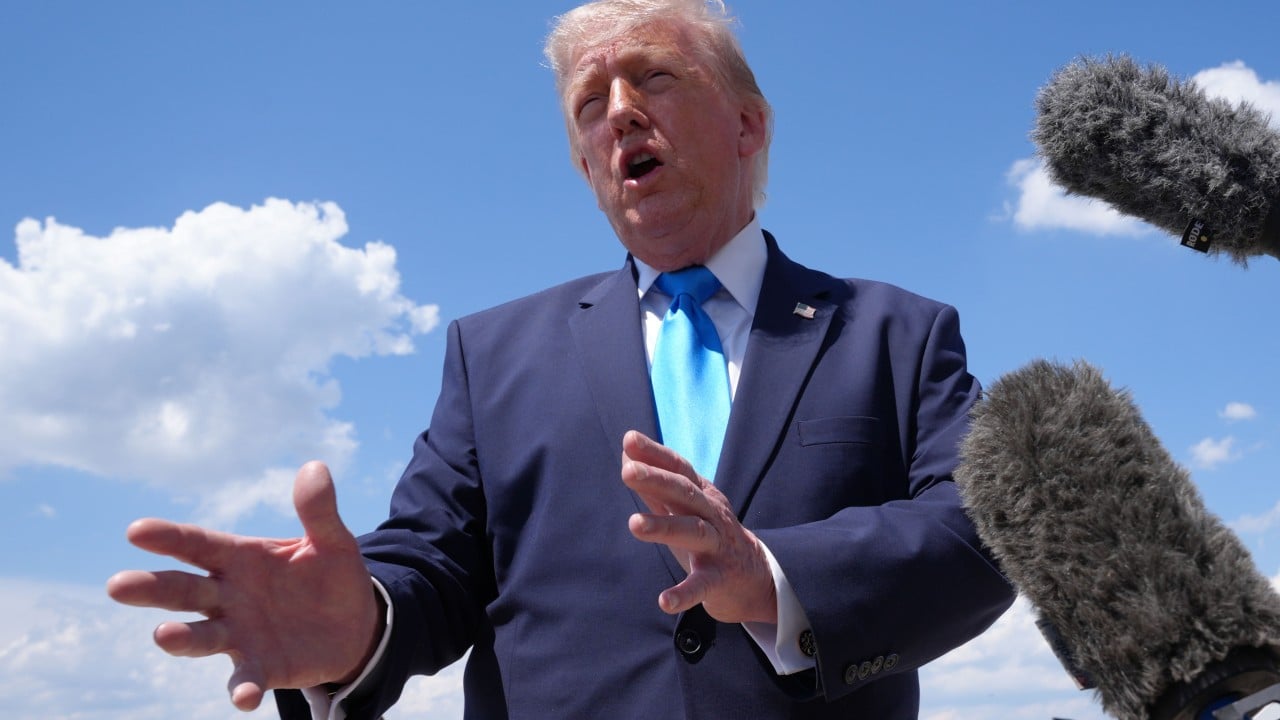
    Taiwanese officials and citizens are accustomed to living under the threat of Chinese aggression, maintaining a calm demeanor despite recent remarks from Xi Jinping and Donald Trump regarding the island's security. While acknowledging the sensitivity to information warfare and military threats, daily life in Taiwan remains largely unaffected. Officials emphasize strengthening self-defense and indigenous capabilities, asserting that Taiwan will neither provoke China nor allow itself to be subjugated. AI

    Taiwan soldiers on through Xi's threats and Trump's ambivalence
  3. Why a call from Trump to Taiwan’s Lai could trigger ‘turbulence’ between US and Beijing

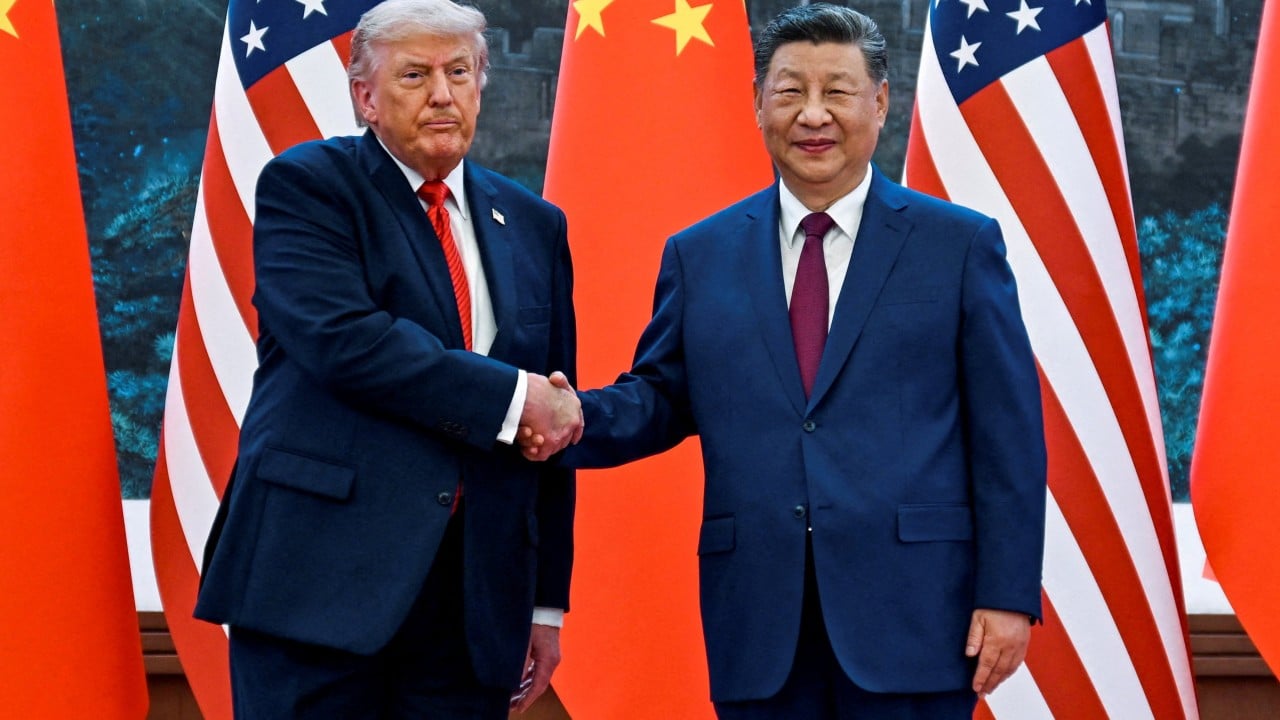
    A Chinese state think tank, the China Institutes of Contemporary International Relations (Cicir), has proposed a framework for peaceful coexistence between China and the United States amidst escalating strategic competition. The paper, published on May 13, introduces the concept of "constructive strategic stability" as a means to manage the rivalry. This diplomatic approach was subsequently echoed by Chinese President Xi Jinping in his discussions with then-US President Donald Trump, signaling Beijing's vision for navigating the complex relationship. AI

    Why a call from Trump to Taiwan’s Lai could trigger ‘turbulence’ between US and Beijing
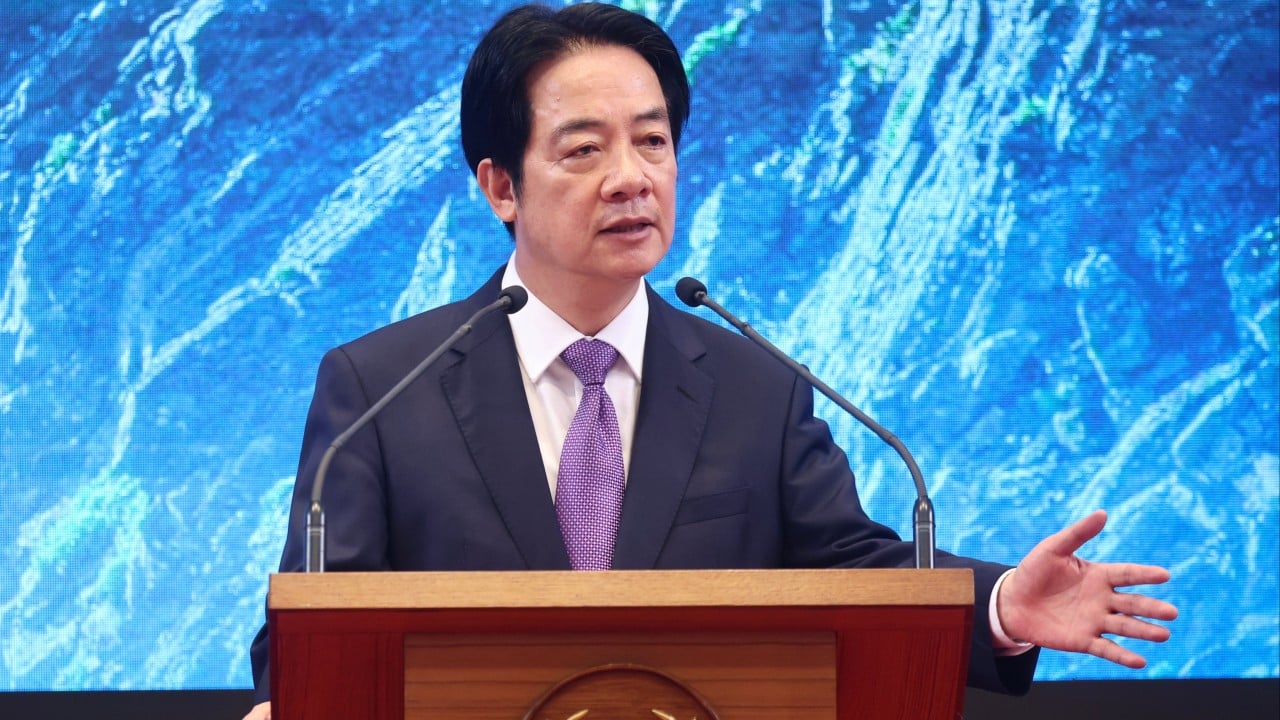
  4. Beijing slams Lai as ‘destroyer’ of peace after leader’s anniversary speech

    Beijing has accused Taiwanese leader William Lai Ching-te of undermining peace across the Taiwan Strait. This condemnation follows Lai's speech marking his second anniversary in power, during which he asserted Taiwan's firm stance against mainland pressure. Beijing's Taiwan Affairs Office criticized Lai's remarks as deceptive and confrontational, labeling him a "destroyer of cross-strait peace." AI

    Beijing slams Lai as ‘destroyer’ of peace after leader’s anniversary speech