PulseAugur / Brief
EN
LIVE 23:02:01

Brief

last 24h
[4/4] 221 sources

Multi-source AI news clustered, deduplicated, and scored 0–100 across authority, cluster strength, headline signal, and time decay.

  1. Micron's Virginia fab begins producing America's most advanced DRAM memory — fab expansion to quadruple output, easing DDR4 shortage for automotive and defense sectors

    Micron has initiated production of its most advanced DDR4-compatible DRAM at its Manassas, Virginia facility, marking the first time this technology is manufactured in the U.S. This expansion, a $2 billion investment supported by CHIPS Act funding, is set to quadruple the site's DDR4 wafer output. The move aims to alleviate a critical shortage of the older memory standard, which is essential for long-lifecycle industries like automotive and defense, as major DRAM producers shift capacity towards AI-driven demand for newer memory types. AI
    Micron's Virginia fab begins producing America's most advanced DRAM memory — fab expansion to quadruple output, easing DDR4 shortage for automotive and defense sectors

    IMPACT Secures supply of older memory for non-AI sectors, freeing up advanced memory production for AI workloads.
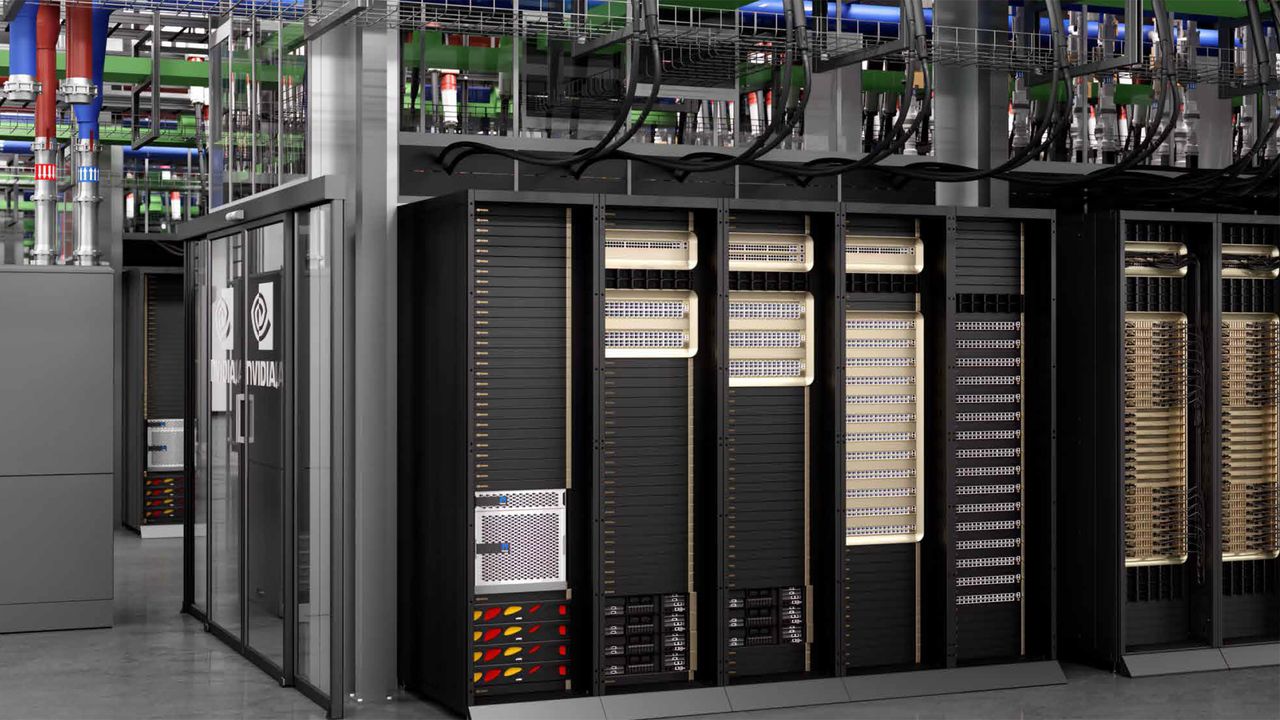
  2. Nvidia's memory costs soar 485%, latest AI systems now cost $7.8 million to build — memory now comprises 25% of the total cost, Rubin GPUs a mere $50,000 apiece

    Nvidia's next-generation AI systems, particularly those utilizing the Vera Rubin VR200 NVL72 configuration, are projected to cost hyperscalers approximately $7.8 million each. A significant driver of this cost increase is the memory components, which now constitute about 25% of the total system price, amounting to roughly $2 million per unit. This surge in memory expense is attributed to a threefold increase in LPDDR5X memory capacity and the addition of substantial 3D NAND storage, alongside onboard HBM4 memory on the Rubin GPUs. AI

    Nvidia's memory costs soar 485%, latest AI systems now cost $7.8 million to build — memory now comprises 25% of the total cost, Rubin GPUs a mere $50,000 apiece

    IMPACT Confirms escalating hardware costs as a major constraint for AI infrastructure scaling.

  3. Intel leans on LPDDR5X to dodge global HBM crisis, leaked Crescent Island AI GPU pics reveal massive Xe3P core — chip sidesteps HBM shortage with 160GB of cheaper memory

    Intel's upcoming Crescent Island data center GPU, codenamed Xe3P, will reportedly use LPDDR5X memory instead of the industry-standard HBM. This decision appears to be a strategic move to circumvent the ongoing HBM shortage and reduce production costs. While this choice may lead to lower memory bandwidth compared to HBM-equipped competitors, Intel plans to begin sampling the air-cooled GPU to customers in the latter half of 2026. AI

    Intel leans on LPDDR5X to dodge global HBM crisis, leaked Crescent Island AI GPU pics reveal massive Xe3P core — chip sidesteps HBM shortage with 160GB of cheaper memory

    IMPACT Intel's choice of LPDDR5X over HBM for its upcoming AI GPU could impact performance benchmarks and cost-effectiveness in the competitive AI hardware market.

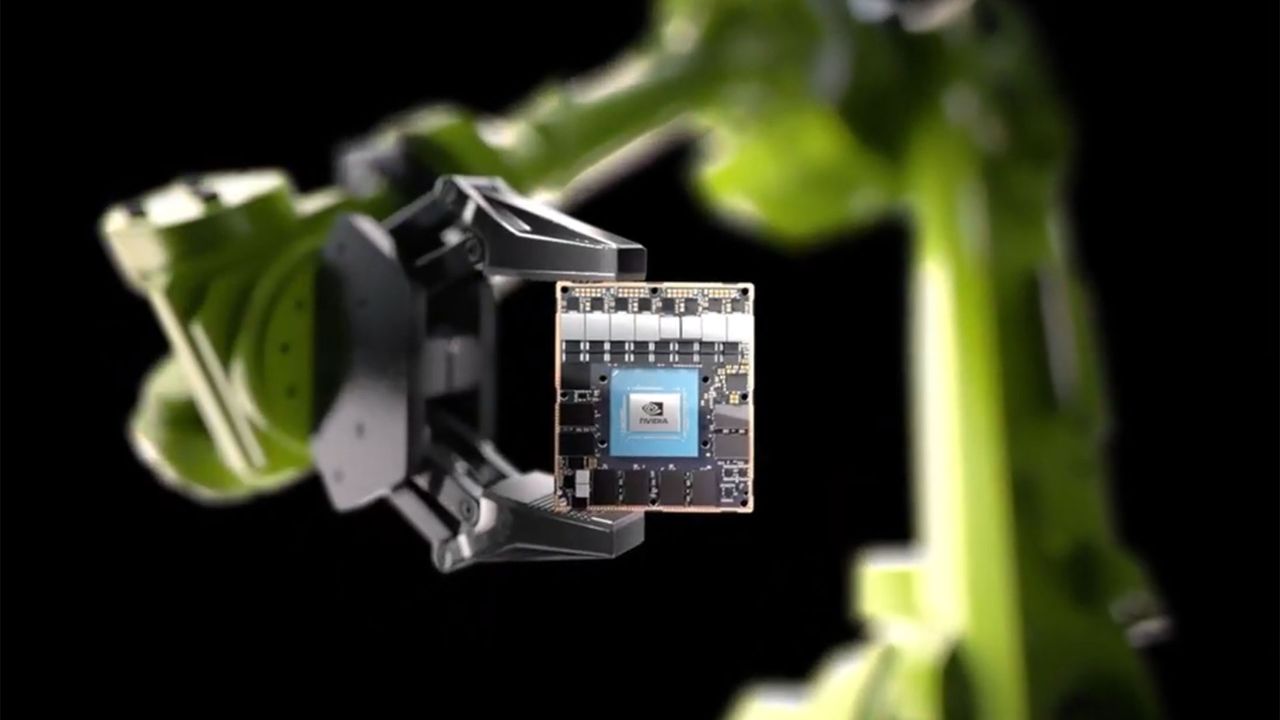
  4. Nvidia's exposure to Asian supply chains for components hits 90% of its production costs — marked increase from 65% could intensify as physical AI adds even more exposure

    Nvidia's reliance on Asian supply chains for components has increased to 90% of its production costs, up from 65% a year ago. This dependency impacts both its data center GPUs and newer physical AI products like the Jetson Thor robotics platform, which compete for constrained resources such as TSMC's 3nm wafer capacity and LPDDR5X memory. The company is also increasing its dividend and facing rising investor expectations, with some predicting it could join the $1 trillion market cap club by year-end. AI

    Nvidia's exposure to Asian supply chains for components hits 90% of its production costs — marked increase from 65% could intensify as physical AI adds even more exposure

    IMPACT Nvidia's increased supply chain costs and competition for resources could impact the availability and price of AI hardware, potentially affecting the pace of AI adoption.