PulseAugur / Brief
EN
LIVE 23:04:46

Brief

last 24h
[8/8] 221 sources

Multi-source AI news clustered, deduplicated, and scored 0–100 across authority, cluster strength, headline signal, and time decay.

  1. Local LLMs Accelerated. LM Studio's "MTP" Reaches Stable Version - PC Watch # ai # Business # Other # Business # Market

    LM Studio has released a stable version of its "MTP" (Model Transfer Protocol) feature, designed to accelerate the performance of local Large Language Models (LLMs). This update aims to improve the speed and efficiency of running LLMs directly on personal hardware. The protocol is now available for general use, offering enhanced capabilities for local AI model deployment. AI
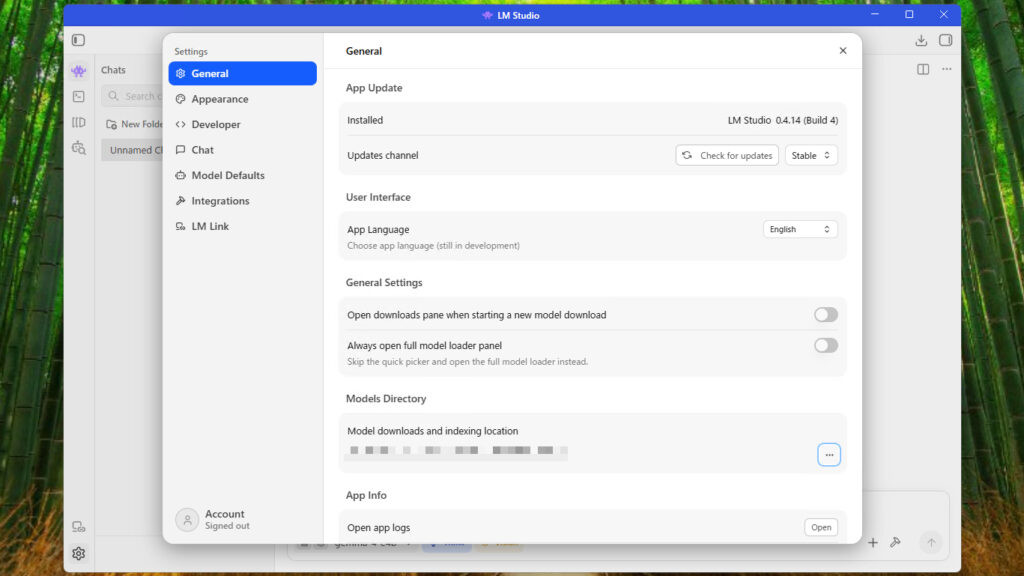
    Local LLMs Accelerated. LM Studio's "MTP" Reaches Stable Version - PC Watch # ai # Business # Other # Business # Market

    IMPACT Improves the performance and accessibility of running large language models locally on user hardware.
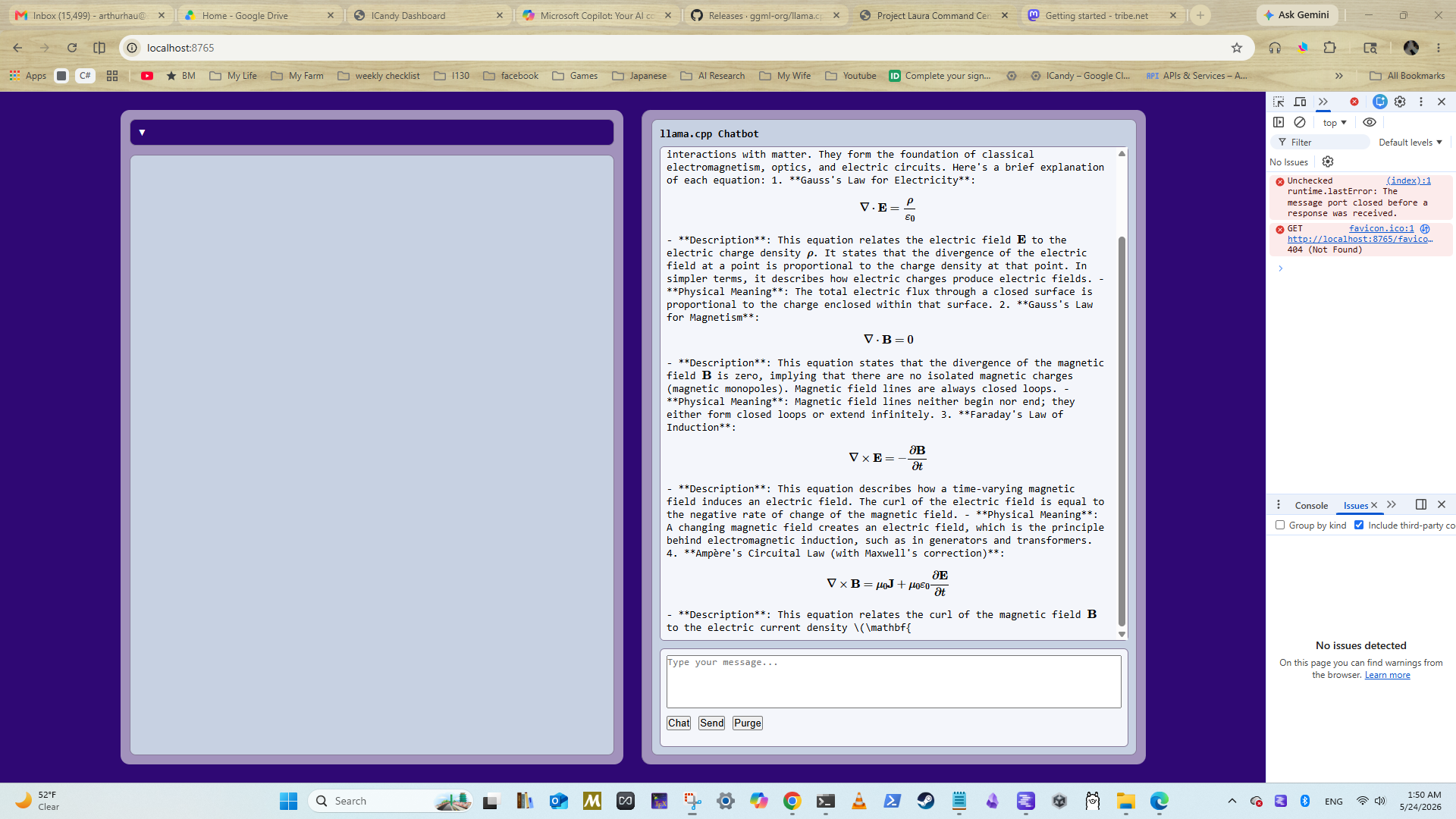
  2. # Copilot and I finally decided to drop LM studio and go for llama.cpp. I don't like to be bound by one company. We are in the process of moving our # AI Brower

    A user is migrating their AI browser application cluster from LM Studio to llama.cpp. This move is motivated by a desire to avoid being tied to a single company's offerings. The application is intended for chatting with IBM's Granite 4.1 8B model and will also host over 20 other AI applications to support future research. AI

    # Copilot and I finally decided to drop LM studio and go for llama.cpp. I don't like to be bound by one company. We are in the process of moving our # AI Brower

    IMPACT User-level migration of AI tooling; minimal industry-wide impact.

  3. I read the 33-comment Reddit fight about Google Spark vs OpenClaw and the real debate is way weirder

    A Reddit discussion reveals that the competition between Google Spark and OpenClaw is not about which AI model is smarter, but rather about control over user workflows. Google Spark leverages its ecosystem of cloud services like Gmail and Docs for convenience, while OpenClaw focuses on providing users with control through local model support, inspectable memory stored in Markdown files, and the ability to integrate with custom stacks. The debate highlights a fundamental trade-off for users: convenience versus control, and the associated costs of cloud subscriptions versus hardware investments for running AI agents. AI

    I read the 33-comment Reddit fight about Google Spark vs OpenClaw and the real debate is way weirder

    IMPACT Highlights the trade-offs between convenience and control in AI agent development, influencing user choices and infrastructure investments.

  4. LM Studio Adds MTP Speculative Decoding; Qwen 3.6 GGUF Quants, Ollama Insights

    LM Studio has updated to version 0.4.14 Build 2 (Beta), integrating MTP Speculative Decoding to accelerate local large language model inference. This feature allows for faster text generation by predicting multiple tokens simultaneously, making local AI interactions more fluid. Additionally, new GGUF quantizations for the Qwen 3.6 35B model have been released, with benchmarks comparing MTP and NTP performance across various hardware, providing users with data to optimize their local LLM deployments. AI

    LM Studio Adds MTP Speculative Decoding; Qwen 3.6 GGUF Quants, Ollama Insights

    IMPACT Enhances local LLM inference speed and accessibility for users running models on their own hardware.

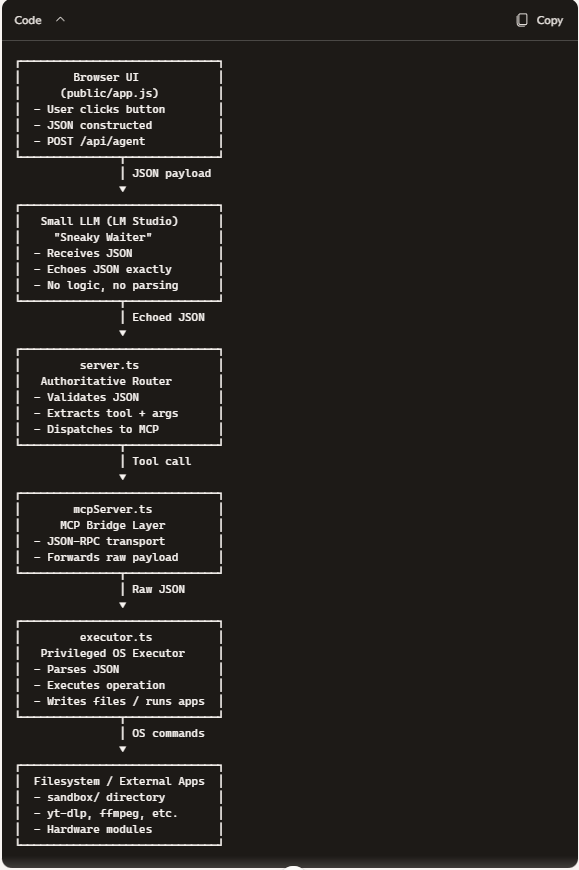
  5. # Copilot and I successfully tested this Small # LLM Waiter Browser Bypass model. We used a small LLM "waiter" hosted by LM studio's local app as a browser wait

    A user has developed a "Small LLM Waiter Browser Bypass" model that leverages local LLMs to overcome browser security restrictions. This model allows browser applications to interact with the local file system and execute programs, which is typically outside their sandbox. The system packages data into JSON objects and sends them to a local LLM waiter, which then forwards them to a chain of local servers for execution. AI

    # Copilot and I successfully tested this Small # LLM Waiter Browser Bypass model. We used a small LLM "waiter" hosted by LM studio's local app as a browser wait

    IMPACT Enables new forms of browser automation and local file system interaction via LLMs.

  6. Need Help Choosing a Harness for Qwen 3.6 27B

    A user on Reddit's r/LocalLLaMA subreddit is seeking recommendations for an open-source harness to manage multiple local AI agents. They are currently using Qwen 3.5/3.6 27B models on a Windows 10 machine with an RTX 3090 Ti and 96GB RAM, with LM Studio as their server. The user needs a tool that can easily spawn sub-agents, manage their system prompts and tools, and provide a dashboard to monitor all agent outputs, including their thought processes and tool usage. They also want to integrate a prefill mechanism to pass context from smaller agents to the main agent before message processing. AI

    IMPACT Niche tooling improvement; minimal industry-wide impact.

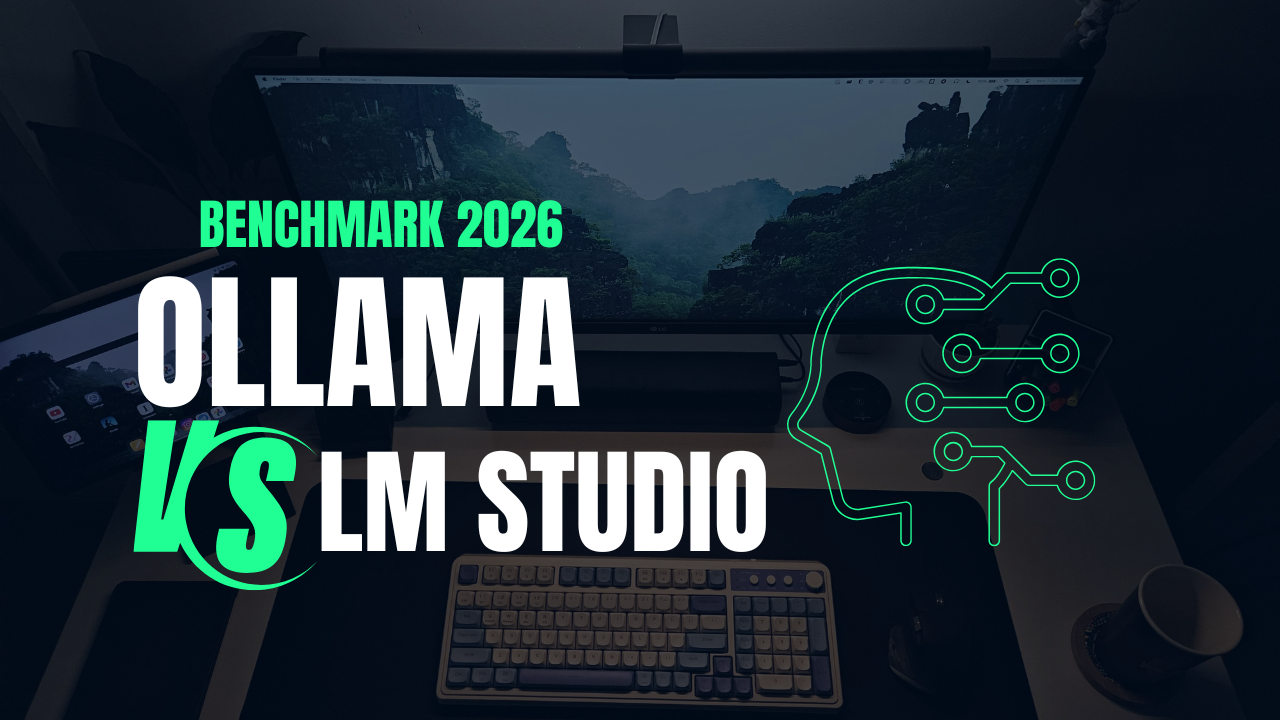
  7. Thinking about running AI models like Llama 3, Qwen, or Mistral on your own computer? Two of the best local AI tools in 2026 are Ollama and LM Studio. Both tool

    Creators are increasingly adopting local AI solutions in 2026, moving away from cloud-based services for benefits like unlimited usage, enhanced privacy, faster workflows, and lower long-term costs. Tools such as Ollama, LM Studio, and Open-WebUI are making it easier for beginners to run powerful open-source models like Llama 3, Qwen, and Mistral directly on their personal computers. This shift offers users full control over their data and content creation processes, with some even developing portable AI solutions that run entirely offline from a USB stick. AI

    Thinking about running AI models like Llama 3, Qwen, or Mistral on your own computer? Two of the best local AI tools in 2026 are Ollama and LM Studio. Both tool

    IMPACT Accelerates adoption of personal AI infrastructure, offering cost-effective and private alternatives to cloud-based LLM services.

  8. froggeric/Qwen-Fixed-Chat-Templates

    A Hugging Face model repository, froggeric/Qwen-Fixed-Chat-Templates, has been updated with significant improvements to its chat templates for Qwen 3.5 and 3.6 models. These updates address issues such as "empty think" poisoning, system prompt logic traps, and KV cache inconsistencies. The changes aim to enhance the model's ability to use tools, transition between thinking and conversational responses, and maintain a consistent memory during multi-step processes. AI

    IMPACT Fixes to chat templates improve Qwen model reliability and tool usage, potentially enhancing agentic capabilities.