PulseAugur / Brief
EN
LIVE 21:01:45

Brief

last 24h
[2/2] 223 sources

Multi-source AI news clustered, deduplicated, and scored 0–100 across authority, cluster strength, headline signal, and time decay.

  1. We were told the machine lived in the cloud. The cloud, it turns out, drinks. A new UN report has weighed the glass: data centers burned 448 terawatt-hours last

    A new United Nations report highlights the significant environmental impact of data centers, which consumed 448 terawatt-hours of energy and could require 9.3 trillion liters of water by 2030. The report warns that AI's physical infrastructure demands are substantial, contributing to carbon emissions and straining water resources, especially in drought-prone regions. Lead author Kaveh Madani emphasizes the need for efficient resource use in computing. AI
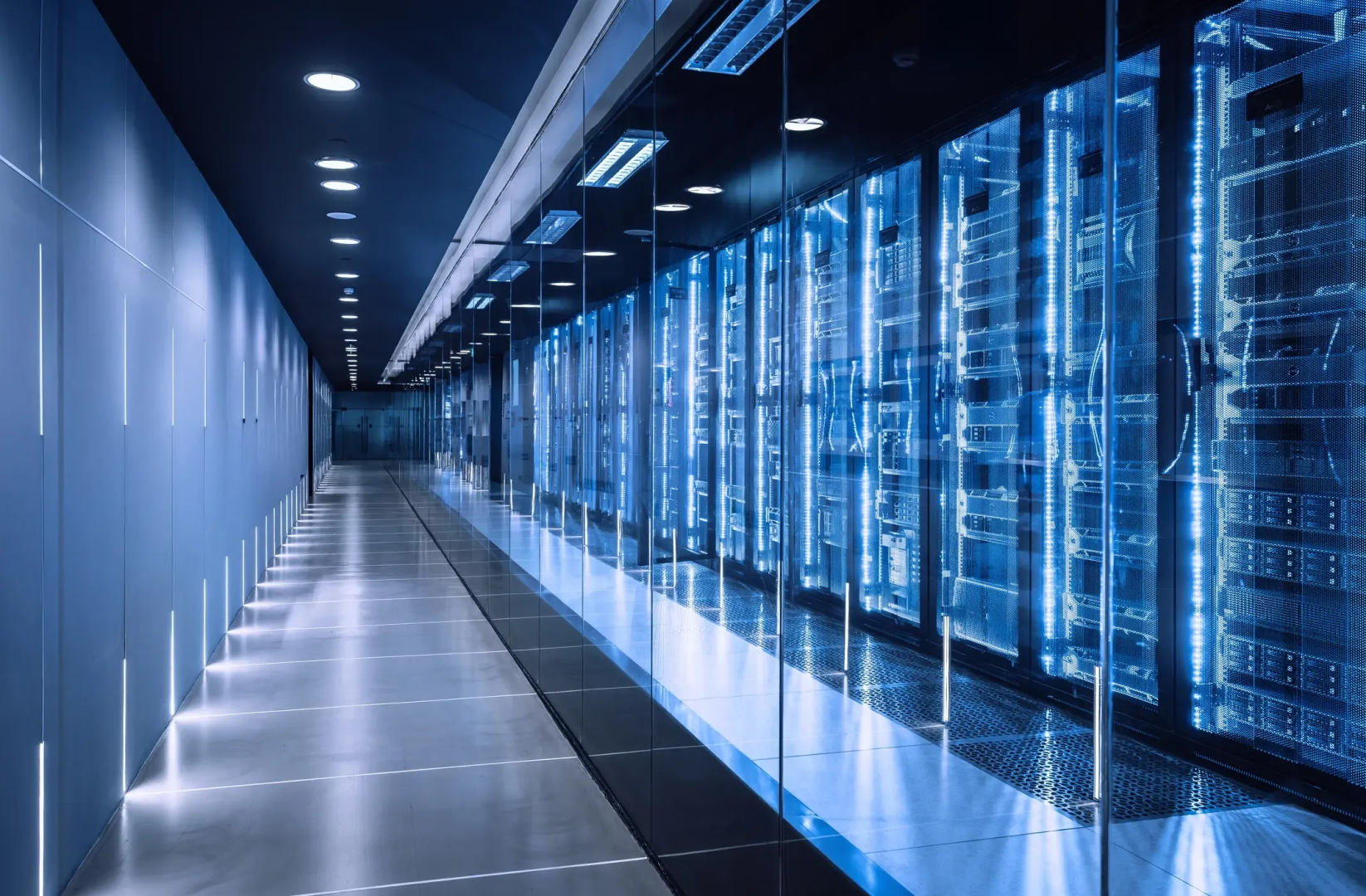
    We were told the machine lived in the cloud. The cloud, it turns out, drinks. A new UN report has weighed the glass: data centers burned 448 terawatt-hours last

    IMPACT Data center energy and water consumption are critical constraints for scaling AI, necessitating more efficient infrastructure and usage patterns.

  2. UN report warns AI could soon use 3% of world's electricity and more water than we need to drink. Data centres may require 9.3 trillion liters of water by 2030,

    A United Nations report indicates that artificial intelligence could double data center power and water consumption by 2030. Researchers highlight that AI is not just software but also physical infrastructure, requiring significant energy and resources. The report estimates that data centers might consume 3% of the world's electricity and necessitate over 9.3 trillion liters of water annually by 2030, a quantity equivalent to the global population's drinking water needs. AI

    IMPACT AI's rapid growth poses significant environmental challenges, necessitating sustainable infrastructure and resource management strategies.