PulseAugur / Brief
EN
LIVE 08:01:04

Brief

last 24h
[13/13] 222 sources

Multi-source AI news clustered, deduplicated, and scored 0–100 across authority, cluster strength, headline signal, and time decay.

  1. What’s the best tech stack for AI app development?

    Developing AI applications requires a specialized tech stack that differs from traditional web development due to the non-deterministic nature of LLMs. Python and JavaScript/TypeScript are recommended for AI workflows as they align better with how models are trained, leading to more predictable outcomes. Stacks built on less common ecosystems like Flutter or Swift can introduce friction and errors because models struggle to understand their project structures and build systems. AI

    What’s the best tech stack for AI app development?

    IMPACT Guides developers on selecting appropriate tech stacks to optimize AI application performance and development efficiency.
  2. CSS :has() in Production: 6 Selectors That Replaced JavaScript Across My Sites

    The CSS :has() pseudo-class, now widely supported, allows developers to style parent elements based on their children's states. This capability has enabled the removal of JavaScript for common UI tasks like form validation styling and navigation highlighting. By leveraging :has() with other CSS features such as :user-invalid and aria-current, developers can achieve dynamic styling with pure CSS, leading to faster and more efficient user interfaces. AI

    IMPACT Enables more efficient web development by reducing reliance on JavaScript for dynamic styling.

  3. Mad House — Usborne Creepy Computer Games

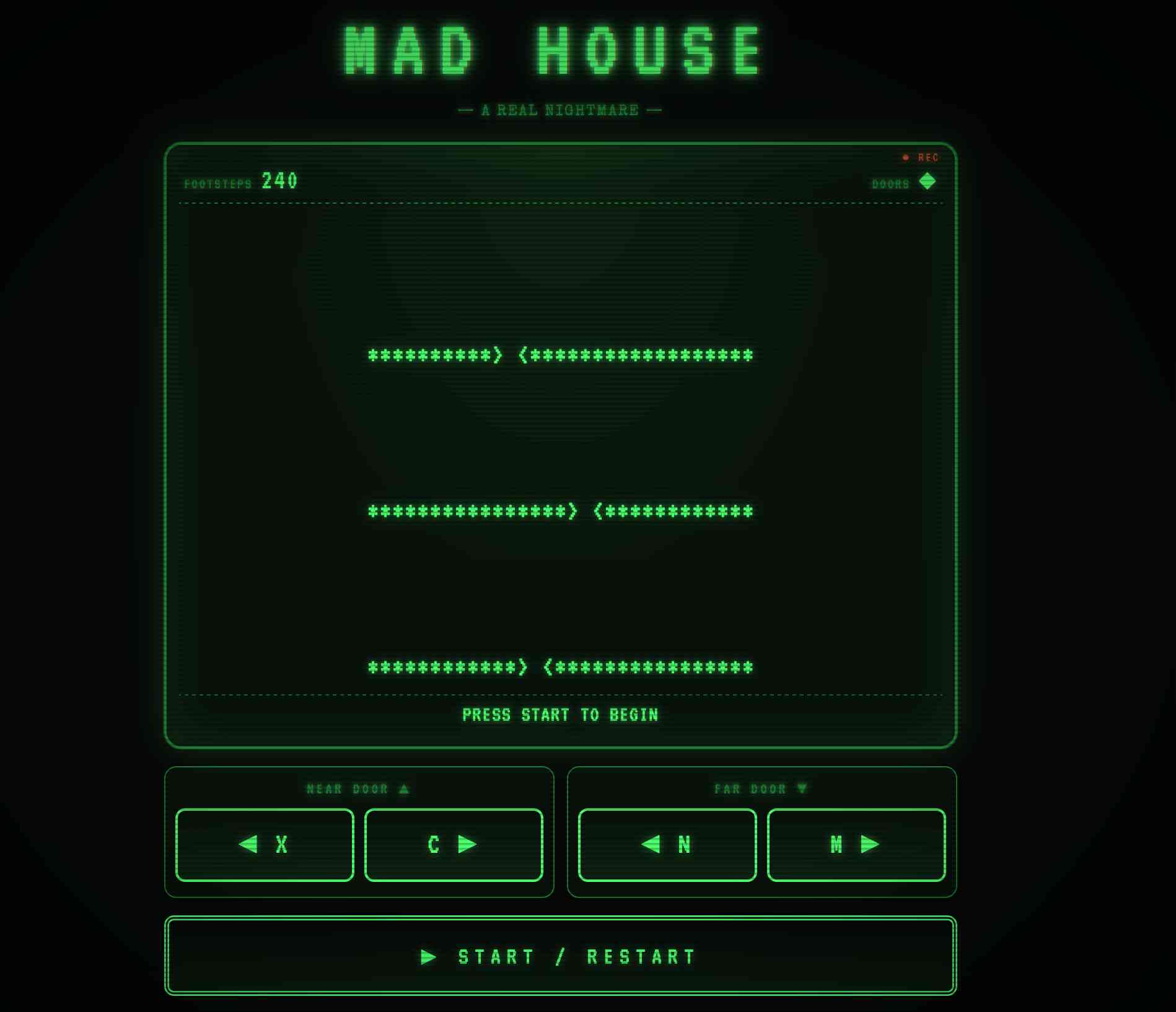
    Simon Willison recreated a classic 1980s computer game, "Mad House," using Claude. The game, originally from Usborne's "Creepy Computer Games" book, was typed into a Commodore 64 by Willison as a child. He fed the book's PDF into Claude, which then generated interactive JavaScript and HTML code for a mobile-friendly, retro-styled version of the game. AI

    Mad House — Usborne Creepy Computer Games

    IMPACT Demonstrates LLMs' ability to generate functional code from scanned documents, enabling recreation of classic software and interactive experiences.

  4. CSS Scroll-Driven Animations: 6 Patterns I Ship in 2026

    Developers can now leverage CSS Scroll-Driven Animations to create smoother, more performant web experiences without relying on JavaScript. This feature allows animations to be tied directly to scroll progress, eliminating the need for event listeners and reducing bundle sizes. Key patterns include scroll progress bars, reveal-on-scroll cards, and staggered list reveals, all achievable with minimal CSS. AI

    IMPACT Enables developers to create more performant and visually engaging web interfaces with less code.

  5. Modern JavaScript assumes cancellation stops async work. But retries, queues, and workers often continue after requests die. https:// hackernoon.com/your-worker

    Modern JavaScript's assumption that canceling an asynchronous operation also halts related processes like retries or queue processing is flawed. In reality, these background tasks can continue to run even after the initial request has been canceled. This behavior can lead to unexpected outcomes and resource waste, as work proceeds without a user or system actively waiting for it. AI

    IMPACT This technical detail impacts how developers build and manage asynchronous processes, potentially affecting the reliability and efficiency of AI applications that rely on such operations.

  6. Dew Drop Weekly Newsletter 484 - Week Ending May 20, 2026 https://zc.vg/h6WSi?m=0 #dewdrop #newsletter #javascript #aspnetcore #azure #css #cpp #window

    The Dew Drop Weekly Newsletter, issue 484, covers a range of topics for the week ending May 20, 2026. It includes updates on JavaScript, ASP.NET Core, Azure, and various other development areas. The newsletter also touches upon artificial intelligence, DevOps, and data-related subjects. AI

    IMPACT This newsletter covers AI as one of many topics, offering a broad overview rather than specific industry impact.

  7. Ah, the irony! 🤖📱 # AI , the omnipotent overlord of # tech , is allegedly slaying # budget # smartphones , yet here we are, blocked by a humble request for # Ja

    The claim that AI is eliminating budget smartphones is presented with irony, as a user encountered a website blocking access due to JavaScript and cookie requirements. This situation humorously suggests that basic web technologies, rather than AI, might be the true barrier for users. AI

  8. Make a Multiplayer Game with Kaboom.js and Heroic Labs

    This tutorial demonstrates how to create a multiplayer game using the Kaboom.js JavaScript library within the Replit in-browser IDE. It leverages Heroic Labs' Nakama, an open-source game server, to manage user sessions and real-time communication between players. The guide covers setting up the Nakama server via Docker and integrating it with the Replit environment to enable features like match creation and player updates. AI

    Make a Multiplayer Game with Kaboom.js and Heroic Labs

    IMPACT Provides a guide for developers on integrating existing tools for game development, with no direct AI advancement.

  9. Introducing the Python package cache

    Replit has introduced a Python package cache to significantly speed up dependency installation for its users. This new feature, called the Universal Package Manager (UPM), pre-populates popular Python packages into pip's cache, reducing download and compilation times. By using an Overlay Filesystem, Replit ensures that the shared cache is read-only and each repl has an independent, copy-on-write view, preventing cache pollution. This optimization has led to an average reduction of approximately 40% in package installation time for Python repls. AI

    IMPACT Improves developer experience for coding projects, indirectly supporting AI development workflows.

  10. Replit + Codex - Beta Release

    Replit has partnered with OpenAI to integrate advanced AI models into its coding platform. The company is launching a new course on LLMs and GPT, and has introduced beta features powered by OpenAI's Codex model for code explanation. Additionally, Replit is exploring the use of GPT-3 for generating blog content, highlighting the growing synergy between AI and software development environments. AI

    Replit + Codex - Beta Release

    IMPACT Enhances developer productivity and accessibility through AI-powered coding assistance and educational tools.

  11. Skip the README, let us install for you

    Replit has launched a Universal Package Manager designed to simplify software development by automatically handling system dependencies for various programming languages. Initially supporting Python and JavaScript, the manager detects and installs necessary system packages, eliminating the need for developers to manually scour documentation for commands like `apt install` or `brew install`. This new system streamlines the setup process, allowing developers to focus more on coding and less on configuration, and Replit plans to expand its support to more languages and packages. AI

    Skip the README, let us install for you

    IMPACT Streamlines development workflows by automating package management, potentially increasing developer productivity.

  12. A Few Updates in the Workspace

    Replit has introduced several new features to its workspace, including an automatic code formatter for JavaScript that utilizes Prettier. The platform now also supports uploading any file type, such as images, directly into the workspace for use in projects. Additionally, users can now download any file from their Replit projects to their local computer, facilitating external work or deployment. AI

    IMPACT Enhances developer workflow and integration capabilities within the Replit environment.

  13. Infinite Loops

    Replit has addressed two critical issues within its code execution service that could cause user programs to crash or freeze their browsers. The platform has implemented a rate-limiting mechanism to prevent excessive output from overwhelming the browser, capping data transmission at 20 messages per second. Additionally, for JavaScript programs that run directly in the browser, Replit has developed a solution to prevent infinite loops from freezing the user interface, a challenge that required careful consideration to maintain access to essential browser APIs. AI

    IMPACT Improves the stability and user experience of a coding platform, enabling more complex interactive applications.