PulseAugur / Brief
EN
LIVE 03:06:40

Brief

last 24h
[5/5] 221 sources

Multi-source AI news clustered, deduplicated, and scored 0–100 across authority, cluster strength, headline signal, and time decay.

  1. 27 countries seek access to World Bank funds since Iran war

    Twenty-seven countries have requested access to World Bank funds following the onset of the Iran war. These nations are reportedly turning to the World Bank over the IMF due to the latter's stringent austerity requirements. While specific countries and amounts remain undisclosed, Kenya and Iraq have confirmed their applications for financial aid to mitigate the war's economic impacts, such as increased fuel prices and reduced oil revenues. AI

    27 countries seek access to World Bank funds since Iran war
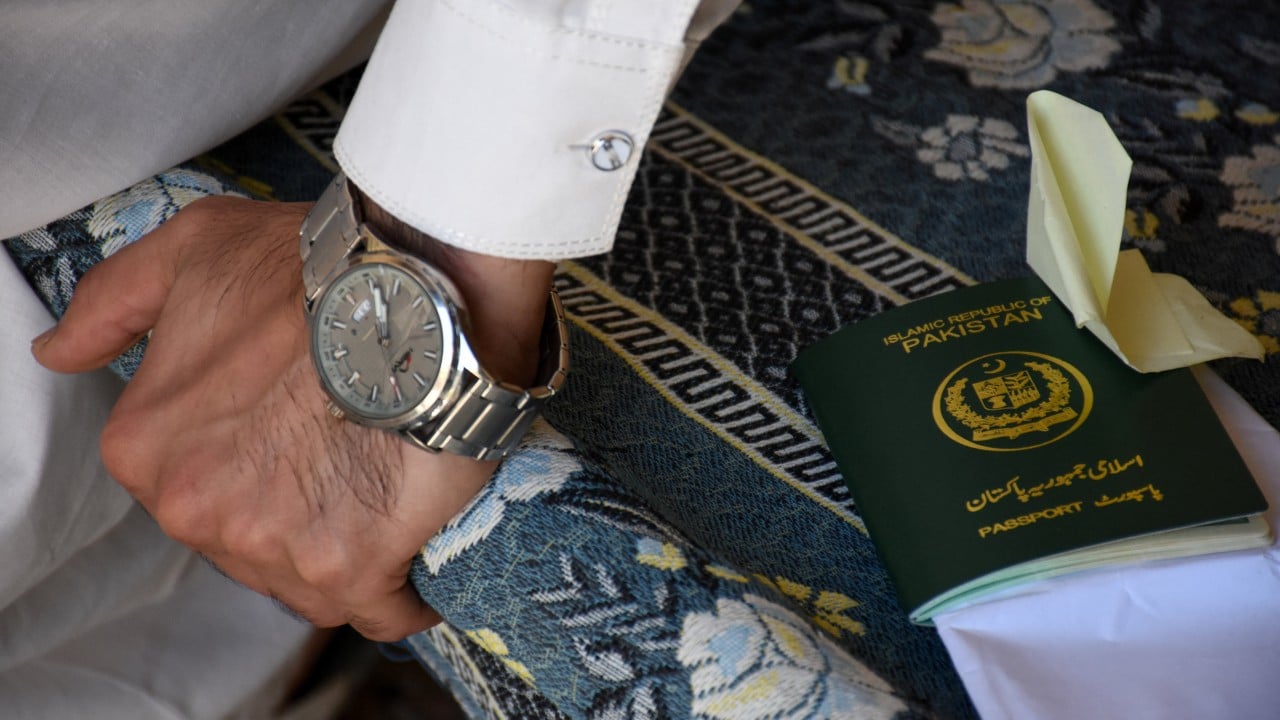
  2. UAE deports Pakistani Shiites: jobs lost and savings frozen amid Iran war

    The United Arab Emirates has deported over 7,500 Pakistani Shiite Muslims since late February, coinciding with the escalation of the Iran war. These individuals report being unable to retrieve their belongings or savings before deportation, leading to significant financial and personal distress. While Pakistani officials acknowledge receiving thousands of deportees and are reviewing the situation, they have not openly addressed the issue with the UAE due to diplomatic sensitivities. The UAE Ministry of Foreign Affairs declined to comment on the deportations, and Pakistan's interior ministry stated that deportations are based on regulatory violations, not religious sect. AI

    UAE deports Pakistani Shiites: jobs lost and savings frozen amid Iran war
  3. Not even a quick end to Iran war can save AI stock bubble now

    The current AI stock market bubble is at risk of bursting due to rising global inflation, exacerbated by the Iran war's impact on oil and fertilizer supplies. This inflationary pressure is expected to drain liquidity from financial markets, potentially leading to a significant increase in bond yields. The article suggests that this scenario could mirror past financial crises, where central bank interventions like quantitative easing inflated asset bubbles. AI

    Not even a quick end to Iran war can save AI stock bubble now

    IMPACT The AI stock market faces significant risk from geopolitical inflation, potentially leading to a bubble burst and broader financial instability.

  4. The Fed’s worst inflation fears may be coming true as consumers lose faith in long-term prices—and even Trump supporters doubt he can bring relief

    Consumers' long-term inflation expectations have significantly increased, reaching 3.9% in May, a worrying sign for the Federal Reserve. This rise, driven by factors like the Iran war and high energy prices, suggests a potential loss of faith in the central bank's ability to control inflation. Fed Governor Chris Waller indicated a willingness to raise interest rates if these expectations become unanchored, shifting his focus from labor market stability to inflation concerns. AI

    The Fed’s worst inflation fears may be coming true as consumers lose faith in long-term prices—and even Trump supporters doubt he can bring relief
  5. Most Fed officials see rate hikes if inflation stays high, minutes show

    A majority of Federal Reserve officials indicated a willingness to raise interest rates if inflation persists above the 2% target, according to minutes from the April policy meeting. This sentiment suggests a potential shift towards tighter monetary policy, influenced by factors like the Iran war and rising energy prices. Meanwhile, Fed Chair Jerome Powell announced he will remain a governor for an undetermined period, citing concerns about political interference and the Fed's independence, a move that deviates from modern tradition and denies President Trump an immediate board vacancy. AI

    Most Fed officials see rate hikes if inflation stays high, minutes show

    IMPACT Potential for tighter monetary policy could impact tech sector investment and AI development funding.