PulseAugur / Brief
EN
LIVE 10:30:53

Brief

last 24h
[11/11] 221 sources

Multi-source AI news clustered, deduplicated, and scored 0–100 across authority, cluster strength, headline signal, and time decay.

  1. ZTE Day Indonesia 2026 strengthens AI innovation and digital infrastructure collaboration to accelerate Indonesia's digital transformation

    ZTE Day Indonesia 2026 focused on advancing AI innovation and digital infrastructure through collaboration. The event showcased next-generation AI, cloud solutions, and ICT advancements. It aimed to unite ecosystem partners to establish a strong foundation for Indonesia's AI era. AI

    ZTE Day Indonesia 2026 strengthens AI innovation and digital infrastructure collaboration to accelerate Indonesia's digital transformation

    IMPACT Highlights a company's focus on AI integration within digital infrastructure, indicating a trend in enterprise technology adoption.
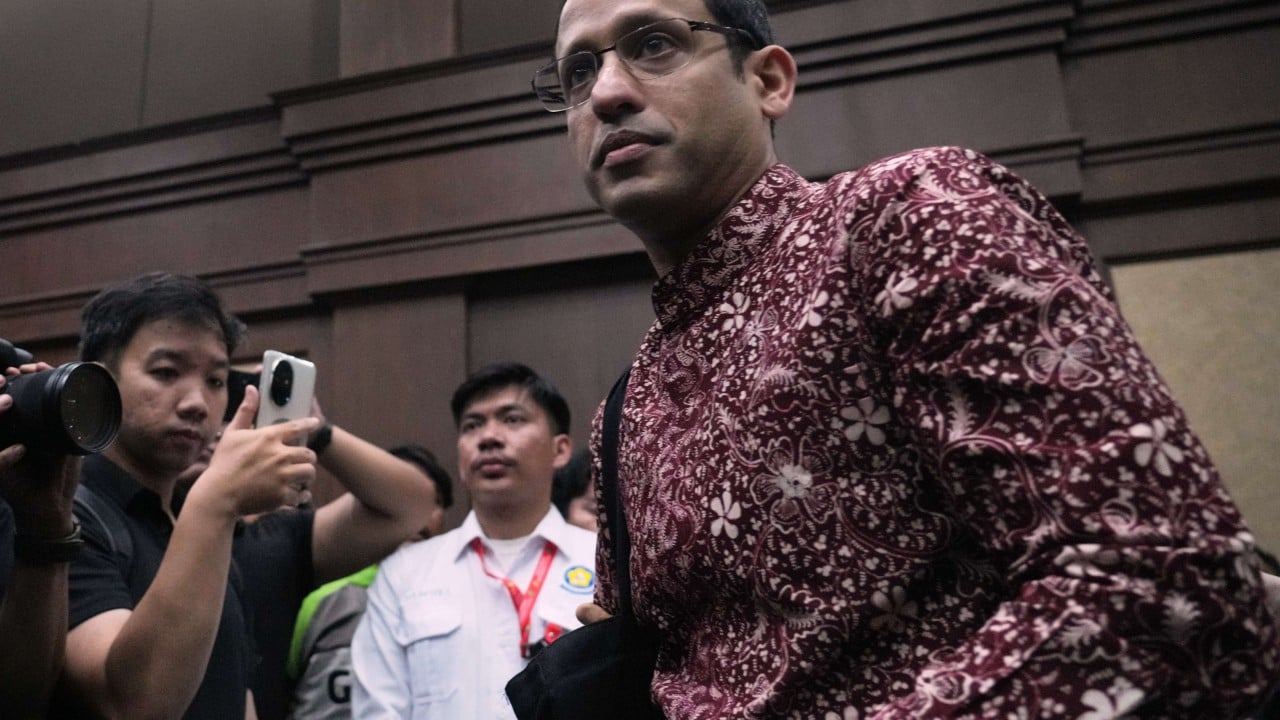

  2. Why Gojek co-founder’s trial is alarming Indonesians overseas

    Indonesian prosecutors are seeking an 18-year prison sentence for Nadiem Makarim, the co-founder of Gojek and former education minister, on corruption charges related to school laptop procurement. Makarim denies the allegations, with his defense team stating there is no evidence of criminal intent, financial gain, or state losses. The case has raised concerns among the Indonesian diaspora about the potential legal risks associated with public service in their home country. AI

    Why Gojek co-founder’s trial is alarming Indonesians overseas

    IMPACT This legal case involving a former minister and tech figure may raise concerns for individuals in public service but has minimal direct impact on AI operations.

  3. Singapore Surpasses Indonesia to Become Southeast Asia's Largest Stock Market

    Singapore has surpassed Indonesia to become the largest stock market in Southeast Asia, with its total market capitalization reaching $645 billion compared to Indonesia's $618 billion. This shift is attributed to Singapore's economic and political stability, along with government-led market reforms, which have attracted capital flows amid global uncertainty. Indonesia's market has faced headwinds, including a potential reclassification to frontier markets and negative credit rating outlooks, causing its stock benchmark to underperform. AI

    IMPACT This shift in market leadership may influence investment flows and economic policy within Southeast Asia, potentially impacting tech and AI sector growth in the region.

  4. Indonesian Ministry of Trade: Commodity Export Rules to be Released on Friday

    Indonesia's Ministry of Trade will release detailed regulations for the export of commodities like palm oil, coal, and ferroalloys on Friday. This follows a decision to shift export operations to the state-owned enterprise Danantara Sumber Daya Indonesia. The government will maintain the Domestic Market Obligation (DMO) rule, requiring exporters to allocate a portion of their supply to the domestic market. Separately, Shandong Province in China has launched an action plan to boost "AI+Manufacturing" by 2028, aiming for over 250 billion yuan in AI industry revenue and breakthroughs in industrial large models. AI

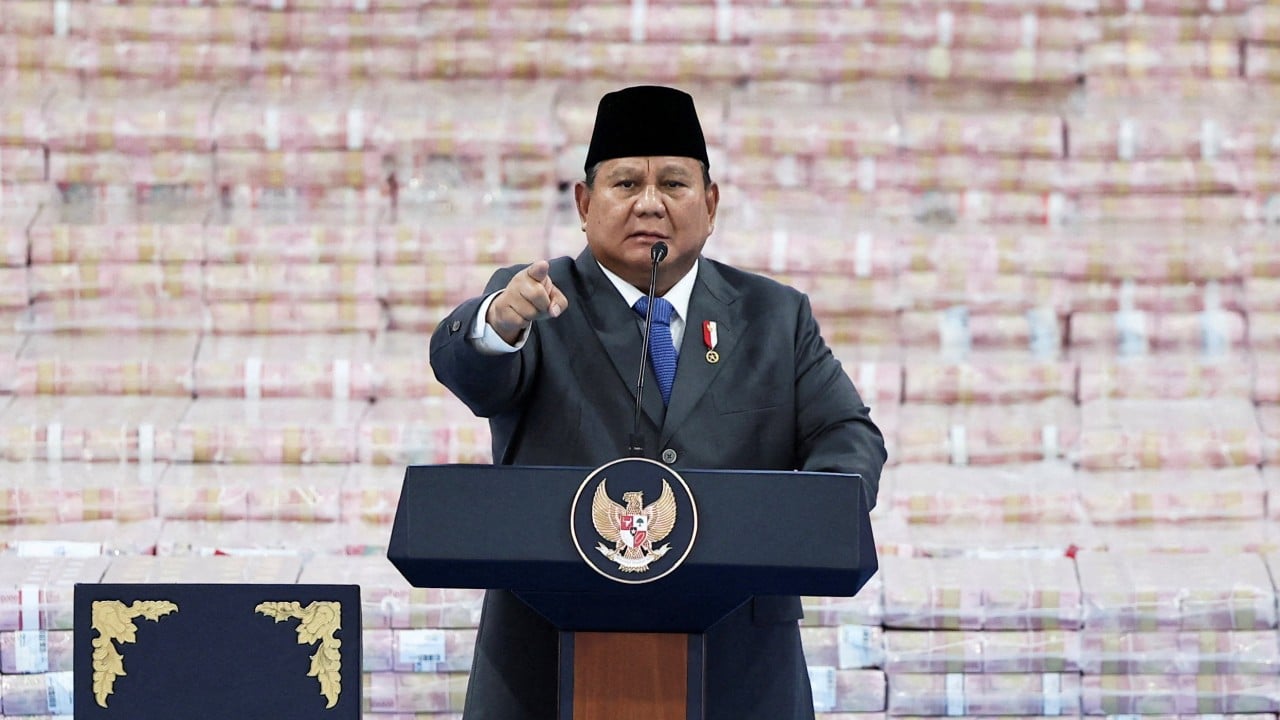
  5. Indonesia’s Prabowo tightens state grip on palm oil, coal amid monopolistic fears

    Indonesia's President Prabowo is consolidating state control over key commodity exports, including palm oil and coal. This move aims to combat under-invoicing and revenue loss, which Prabowo claims have drained billions from the economy and hindered public services. However, critics warn that the plan could lead to a state monopoly, disrupt existing trade agreements, and negatively impact Indonesia's global market access. AI

    Indonesia’s Prabowo tightens state grip on palm oil, coal amid monopolistic fears
  6. Indonesia plans to tighten control over commodity exports

    Indonesia is planning to tighten controls on exports of major commodities like coal and palm oil. The government aims to combat tax evasion and support the weakening Indonesian rupiah. A new state-run entity will be established to oversee commodity exports and address the issue of underreporting export invoice values, with oversight from the sovereign wealth fund Danantara. AI

  7. Sustainable Chocolate Can’t Fix Cocoa’s Climate Problem Alone

    Cocoa production faces significant volatility due to climate change, with regions like West Africa projected to lose up to 50% of suitable farming land by 2050. Extreme weather events, including droughts and unseasonal rains, have severely impacted yields and increased prices. While chocolate brands are enhancing sustainability efforts and supply chain transparency through methods like GPS mapping, these initiatives alone are insufficient to address the core problem of climate-induced volatility. Prioritizing resilience in cocoa farming systems is crucial for stabilizing the market and supporting farmer livelihoods. AI

    Sustainable Chocolate Can’t Fix Cocoa’s Climate Problem Alone
  8. Indonesia's current account deficit widened to $4 billion in the first quarter, the largest since 2019.

    Indonesia's current account deficit widened to $4 billion in the first quarter, the largest in over six years, putting further pressure on the Indonesian rupiah. Separately, Nomura Securities now forecasts the US Federal Reserve will hold rates steady through 2026 due to rising inflation and a decreased willingness among Fed officials to cut rates. The report suggests that while the incoming Fed chair may wish to ease policy, recent data and statements cast doubt on their ability to convince the FOMC. AI

  9. Hong Kong hardest hit as cross-border scam crackdown uncovers US$752m losses

    A cross-border crackdown on scams across 10 jurisdictions has uncovered US$752 million in losses, with Hong Kong bearing the largest financial impact. The operation, involving 3,200 officers from March 10 to May 7, targeted various fraud schemes including online shopping, employment, investment, and telephone scams. Authorities arrested 3,018 individuals in connection with 138,000 cases, with Hong Kong alone accounting for over 40% of the total losses. AI

    Hong Kong hardest hit as cross-border scam crackdown uncovers US$752m losses
  10. Indonesia’s rupiah sinks to record low as Prabowo shrugs off rout fears

    Indonesia's rupiah has hit a record low against the US dollar, making it one of Asia's worst-performing currencies this year. The Jakarta Composite Index also experienced a significant drop, partly due to Indonesian companies being removed from major global indices. President-elect Prabowo Subianto has dismissed fears of an economic collapse, stating that ordinary Indonesians are not directly affected by dollar fluctuations and that the country's economic fundamentals remain strong. AI

    Indonesia’s rupiah sinks to record low as Prabowo shrugs off rout fears
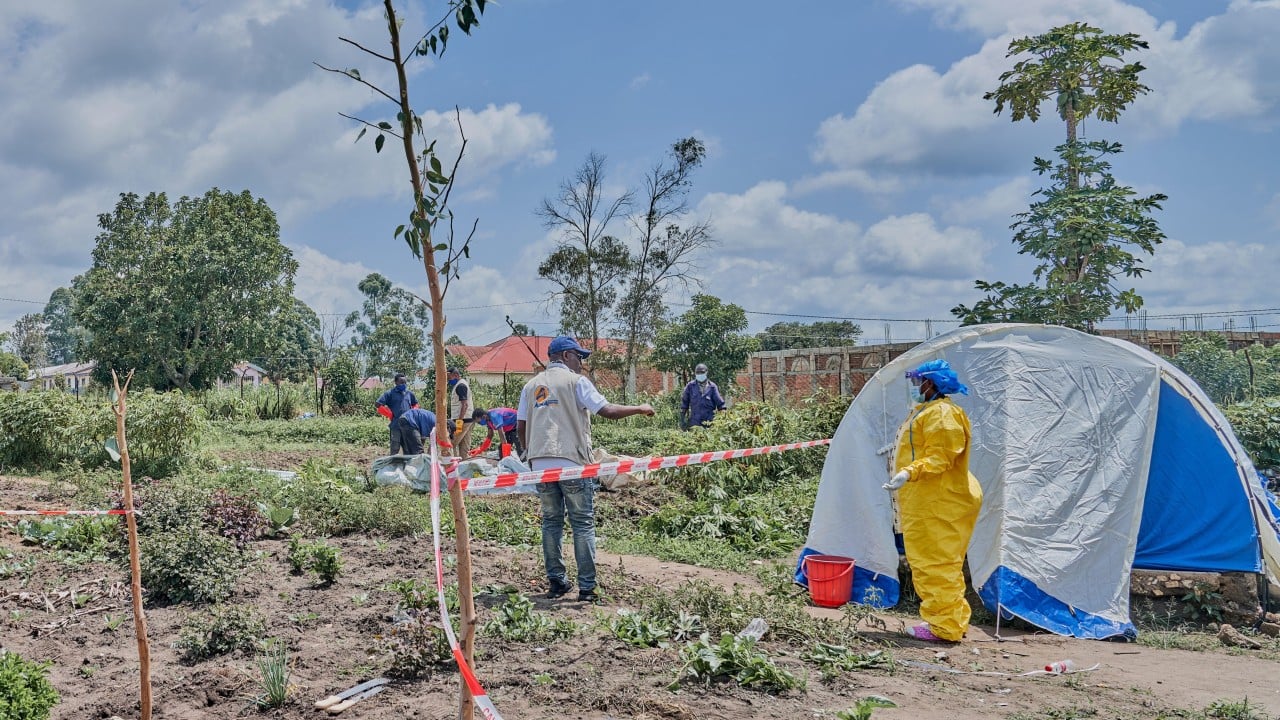
  11. Singapore, Japan, South Korea boost Ebola screening after WHO alert

    Several Asian nations, including Singapore, Japan, and South Korea, are enhancing their border screening and public health measures in response to a growing Ebola outbreak in Central Africa. While the likelihood of local transmission in Asia is considered low, countries are increasing monitoring at ports of entry and inspecting quarantine facilities. Separately, geopolitical tensions are rising as Japan tracked Chinese and Russian naval vessels transiting near its waters, indicating a flexing of maritime capabilities in the region. AI

    Singapore, Japan, South Korea boost Ebola screening after WHO alert