PulseAugur / Brief
EN
LIVE 21:37:05

Brief

last 24h
[2/2] 222 sources

Multi-source AI news clustered, deduplicated, and scored 0–100 across authority, cluster strength, headline signal, and time decay.

  1. ‘We can stitch together our past’: the AI-generated time-travellers vlogging from history

    AI-generated "history influencers" are gaining popularity on platforms like YouTube, with creators using AI video tools to produce vlogs from historical settings. Channels such as Chloe VS History, which boasts over 610,000 followers, feature AI personas exploring periods like Tudor England and ancient Rome. While some viewers appreciate the engaging and vivid portrayal of the past, others dismiss the content as "AI slop," though creators aim to use the technology positively to make history more accessible and visually appealing for younger audiences. AI

    ‘We can stitch together our past’: the AI-generated time-travellers vlogging from history

    IMPACT AI tools are enabling new forms of educational content, making history more engaging for younger demographics.
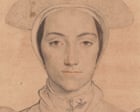
  2. 🤖 Mystery sitter Holbein portrait could be Anne Boleyn, AI analysis finds Researchers say works may have been incorrectly inscribed in 1700s, leading to centuri

    AI analysis suggests that an unnamed woman in a Hans Holbein sketch may actually be Anne Boleyn, challenging centuries of art historical understanding. Researchers at the University of Bradford, led by scholar Karen Davies and Professor Hassan Ugail, utilized an AI model to compare Holbein's works. The AI clustered the sketch of the unidentified woman with other portraits of Boleyn, while a sketch long believed to be Boleyn was instead grouped with images of her mother. This finding prompts a broader debate about the accuracy of inscriptions and attributions within the Holbein corpus. AI

    🤖 Mystery sitter Holbein portrait could be Anne Boleyn, AI analysis finds Researchers say works may have been incorrectly inscribed in 1700s, leading to centuri

    IMPACT AI is being applied to art history, potentially rewriting attributions and challenging established interpretations of historical figures.