PulseAugur / Brief
EN
LIVE 06:08:15

Brief

last 24h
[6/6] 221 sources

Multi-source AI news clustered, deduplicated, and scored 0–100 across authority, cluster strength, headline signal, and time decay.

  1. Mad House — Usborne Creepy Computer Games

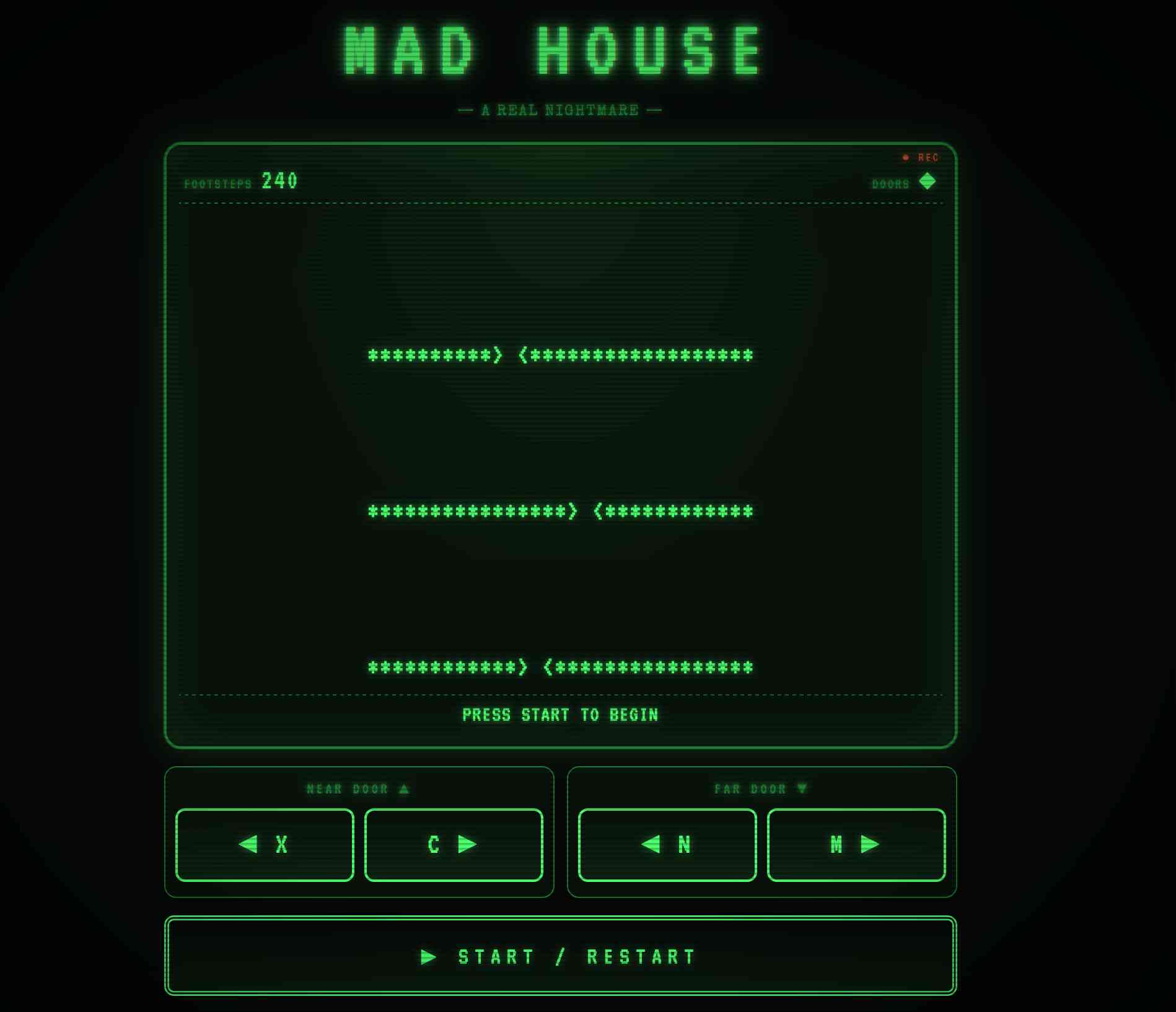
    Simon Willison recreated a classic 1980s computer game, "Mad House," using Claude. The game, originally from Usborne's "Creepy Computer Games" book, was typed into a Commodore 64 by Willison as a child. He fed the book's PDF into Claude, which then generated interactive JavaScript and HTML code for a mobile-friendly, retro-styled version of the game. AI
    Mad House — Usborne Creepy Computer Games

    IMPACT Demonstrates LLMs' ability to generate functional code from scanned documents, enabling recreation of classic software and interactive experiences.

  2. Your LLM Pipeline Is Choking on Raw HTML. Here's the Fix.

    Raw HTML is a poor input for LLMs, as its complex structure and extraneous information can confuse models and reduce the effectiveness of the context window. Converting HTML to Markdown also fails to produce clean, structured data suitable for downstream tasks. The most effective method for LLM data pipelines is to directly extract typed JSON from a URL using a predefined schema, ensuring clean, usable data for model reasoning and processing. AI

    Your LLM Pipeline Is Choking on Raw HTML. Here's the Fix.

    IMPACT Streamlines LLM data ingestion by providing typed JSON directly from URLs, bypassing noisy HTML and ineffective Markdown conversions.

  3. HTML vs Markdown for LLMs: Why Clean Structure Beats Raw Pages

    A recent article highlights that feeding raw HTML directly into Large Language Models (LLMs) can lead to noisy context windows and inefficient token usage. The author argues that LLMs understand clean Markdown significantly better than HTML, which often contains extraneous elements like navigation menus, ads, and styling wrappers. Converting HTML to Markdown before ingestion can drastically reduce token count, improve semantic chunking, and enhance the overall accuracy and consistency of RAG systems and AI agents. AI

    HTML vs Markdown for LLMs: Why Clean Structure Beats Raw Pages

    IMPACT Using Markdown instead of raw HTML for LLM inputs can significantly reduce token usage and improve the accuracy of RAG systems and AI agents.

  4. Forge is headless. One URL returns HTML to browsers, JSON to your frontend framework, and AI-optimised output to agents. No extra endpoints. No glue code. Conte

    Forge CMS has launched a new headless content management system designed for modern web development and AI integration. It uses a single URL to serve content in various formats, including HTML for browsers, JSON for frontend frameworks like React or Next.js, and AI-optimized output for agents. This approach eliminates the need for separate endpoints or glue code, allowing developers to use their preferred frontend technologies while ensuring seamless content delivery across different platforms. AI

    Forge is headless. One URL returns HTML to browsers, JSON to your frontend framework, and AI-optimised output to agents. No extra endpoints. No glue code. Conte

    IMPACT Provides developers with a flexible way to serve AI-optimized content, potentially streamlining AI agent integration with web applications.

  5. Agents feedback tip

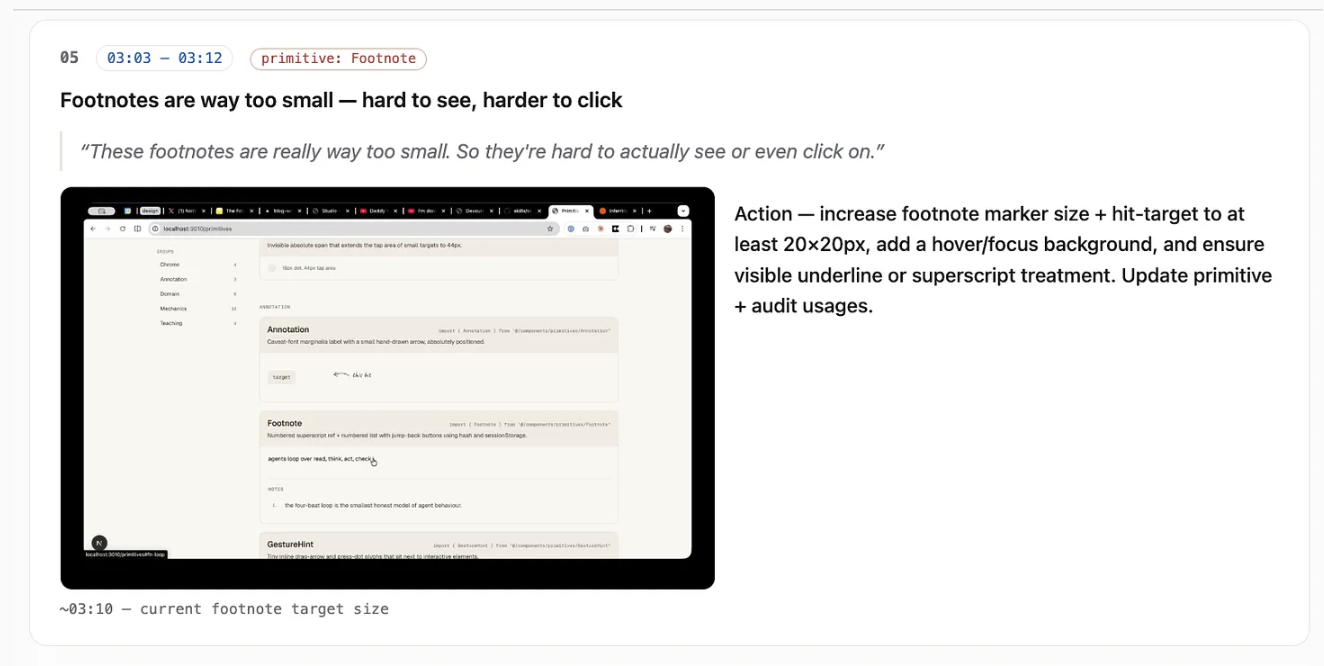
    A new technique allows users to provide feedback to AI agents by screen-recording their interactions and converting the video into a structured HTML report. This method includes transcription, keyframe extraction, and GIF creation for dynamic elements, serving as a visual build log. This approach is detailed alongside updates on Anthropic's Claude pricing changes, Google's Gemini on Android enhancements, and Notion's new developer platform. AI

    Agents feedback tip

    IMPACT New methods for agent feedback could streamline development workflows and improve AI responsiveness.

  6. Experiment: Figma to Replit Plugin

    Replit has launched Replit Import, a new feature allowing users to transform designs from tools like Figma, Lovable, and Bolt into functional applications. This import process is enhanced by Replit Agent, which can generate backend code and deploy applications, aiming to streamline the workflow from design to production. Additionally, Replit has released an experimental Figma to Replit plugin that generates responsive HTML, CSS, and React code from Figma designs, enabling quick prototyping and sharing of static frontend applications. AI

    Experiment: Figma to Replit Plugin

    IMPACT Accelerates prototyping and production deployment by integrating AI-powered code generation from design inputs.