PulseAugur / Brief
EN
LIVE 23:01:17

Brief

last 24h
[8/8] 221 sources

Multi-source AI news clustered, deduplicated, and scored 0–100 across authority, cluster strength, headline signal, and time decay.

  1. Project Genie adds Google Street View integration and goes live for global AI Ultra users

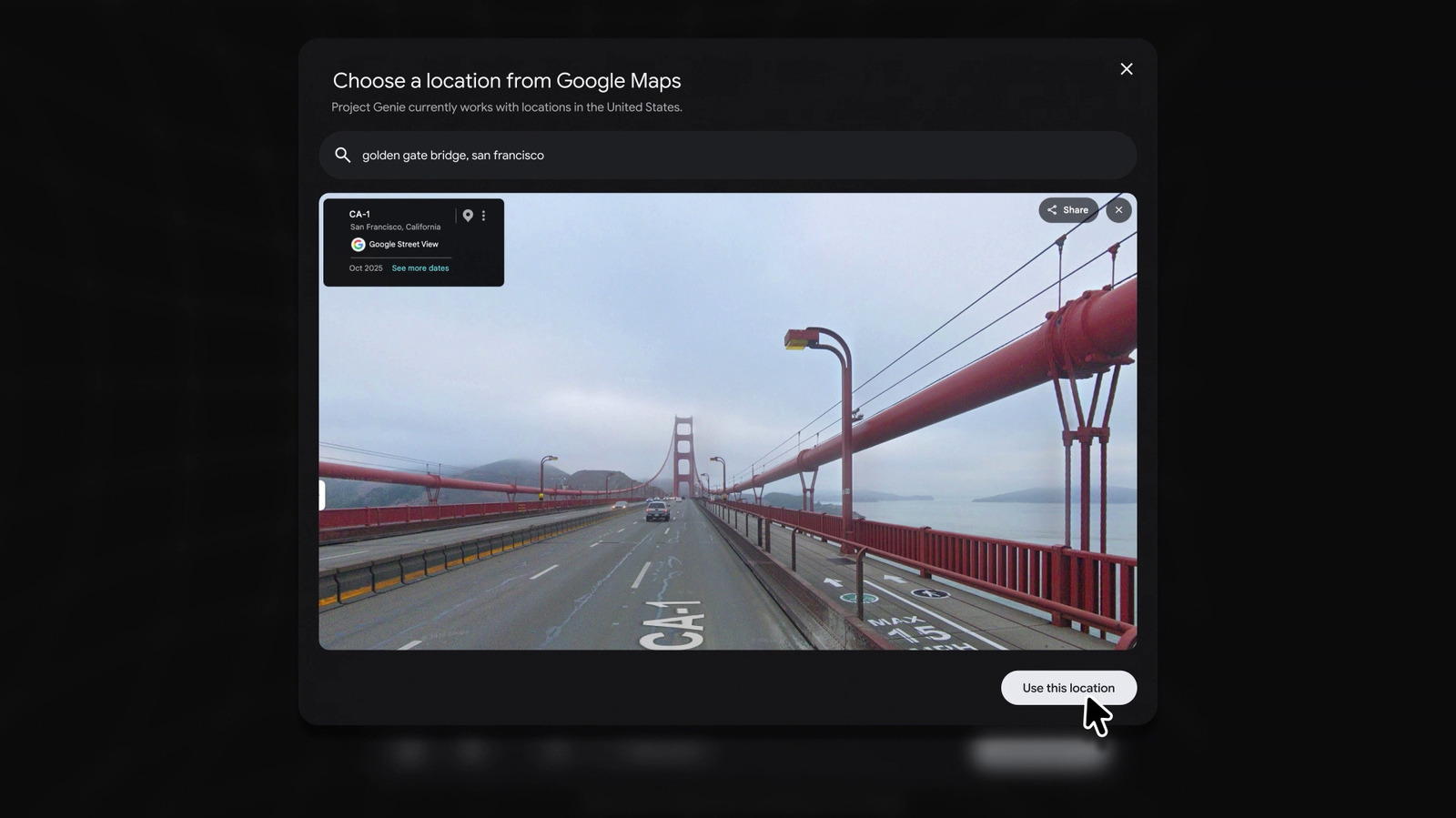
    Google's Project Genie, an AI system for creating explorable 3D environments from text prompts, is now available globally for AI Ultra subscribers. The service has been updated with a new feature that integrates Google Street View, allowing users to generate interactive landscapes based on real-world locations. While capable of creating limited 3D environments with a controllable camera, Google emphasizes that Project Genie is not a game generator, as it lacks the complexity required for game development. AI
    Project Genie adds Google Street View integration and goes live for global AI Ultra users

    IMPACT Expands accessibility of AI-generated 3D environments, integrating real-world data for creative applications.


  2. X Japan Corporation Warns Over AI "Grok" Causing Ripples with "Sexual Processing" - Account Freezes and Legal Action for Violators - ITmedia AI+

    Google is integrating its Gemini AI into Google Maps, offering five new features to enhance user experience. Meanwhile, X's Japan division has issued a warning regarding the AI model Grok, specifically addressing concerns about its potential for generating sexually explicit content. The company stated that accounts involved in illegal use of Grok will face suspension and potential legal action. AI

    X Japan Corporation Warns Over AI "Grok" Causing Ripples with "Sexual Processing" - Account Freezes and Legal Action for Violators - ITmedia AI+

    IMPACT Google Maps enhances user experience with Gemini integration, while X addresses policy concerns and potential legal action regarding Grok's misuse.

  3. How Grab’s CTO sees the superapp’s push into physical AI and automated driving—and why he uses his competitors’ robots in the office

    Grab's CTO, Suthen Paradatheth, discussed the company's expanding use of AI and automation, including a new robot delivery service launching in Singapore. Grab is integrating over 1,000 AI models across its platforms, guided by a philosophy of "AI first, with heart." The company also developed its own mapping service, GrabMaps, to better serve the specific needs of its drivers in Southeast Asia. AI

    How Grab’s CTO sees the superapp’s push into physical AI and automated driving—and why he uses his competitors’ robots in the office

    IMPACT Grab's AI integration and robot delivery initiatives highlight the practical application of AI in logistics and services within emerging markets.

  4. Find Hub is finally getting one of the handiest Google Maps location features These notifications were the obvious next step after location sharing. https://www

    Find Hub, a location-sharing application, is integrating a new feature that mirrors a popular Google Maps functionality. This update allows users to receive notifications related to location sharing, which is seen as a logical progression for the app's services. The integration aims to enhance the user experience by providing more dynamic location-based information. AI

    Find Hub is finally getting one of the handiest Google Maps location features These notifications were the obvious next step after location sharing. https://www

    IMPACT Niche tooling improvement; minimal industry-wide impact.

  5. Alex Tolson (@AlexTolson91) predicts that combining Google's vast data with Google Maps, Street View, and AI can lead to very powerful products. The integration of Maps, Street View, and AI offers great potential for search, recommendations, local exploration, and location-based agents.

    Alex Tolson suggests that integrating Google's vast data with Google Maps, Street View, and AI could lead to powerful new products. This combination holds significant potential for search, recommendations, local exploration, and location-based agents. However, there have been no specific announcements or technical details released, making this currently an opinion on Google's potential in location-based AI. AI

    Alex Tolson (@AlexTolson91) predicts that combining Google's vast data with Google Maps, Street View, and AI can lead to very powerful products. The integration of Maps, Street View, and AI offers great potential for search, recommendations, local exploration, and location-based agents.

    IMPACT This integration could significantly enhance location-based services and AI-driven recommendations.

  6. Android Auto's big 2026 makeover is Gemini at its most practical

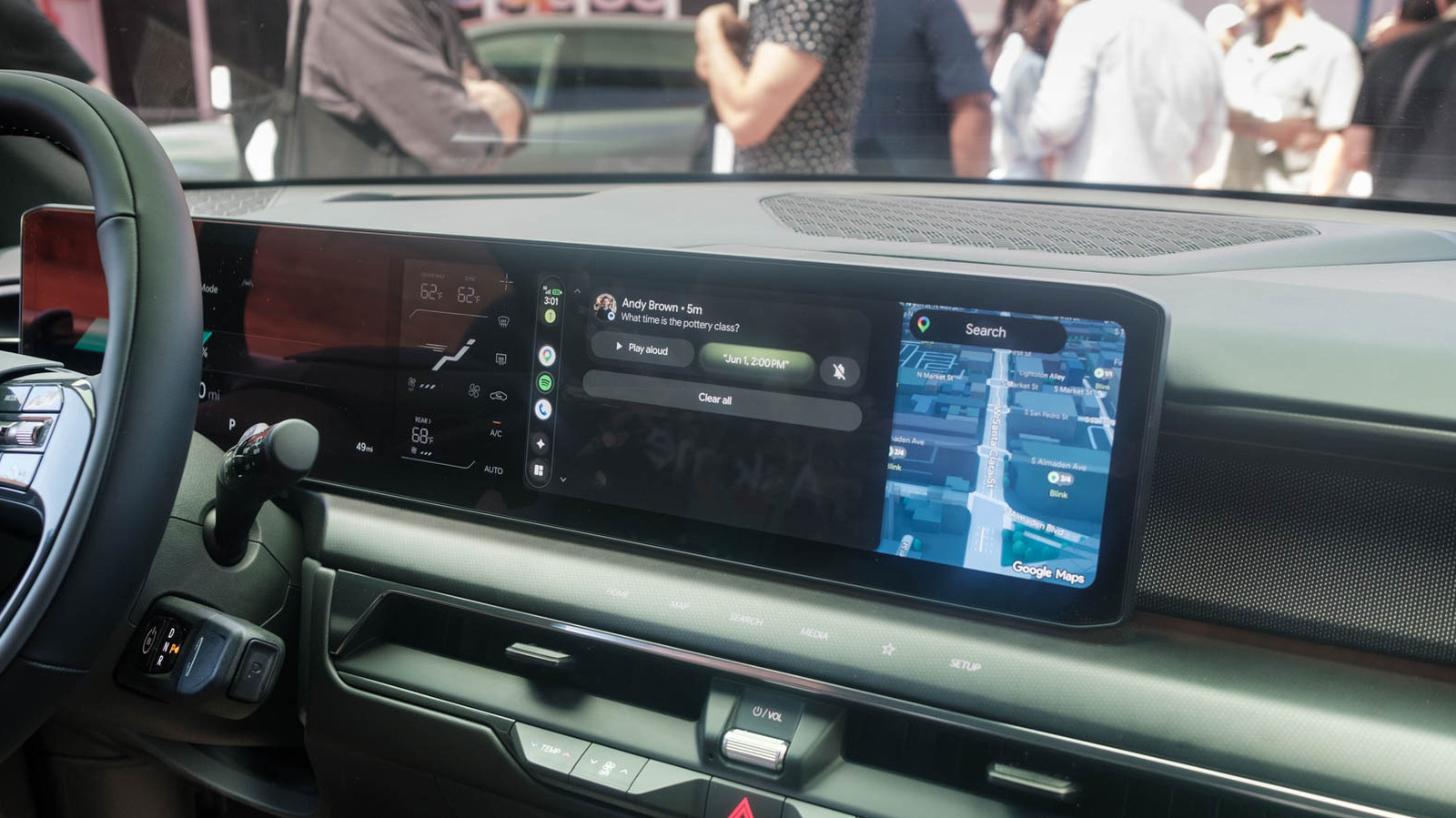
    Google is significantly overhauling Android Auto and its in-car systems with Gemini AI integration, set to roll out in 2026. The updates include a redesigned user interface with Material 3 Expressive design and customizable widgets, alongside an enhanced Immersive Navigation feature offering detailed 3D maps and more intuitive voice directions. For vehicles with Google built-in, Gemini will leverage external cameras to interpret surroundings, such as parking signs, and provide context-aware information, enhancing both navigation and vehicle-specific controls. AI

    Android Auto's big 2026 makeover is Gemini at its most practical

    IMPACT Enhances in-car AI capabilities, potentially improving driver experience and safety through advanced navigation and contextual awareness.

  7. Leaving DCA to the North on Foot

    The author describes a method for walking from Ronald Reagan Washington National Airport (DCA) to Crystal City, bypassing the need for a vehicle or jetway. This route involves exiting the airport via a north parking structure and utilizing an underpass beneath the George Washington Parkway. The author successfully navigated this path with a roller bag in approximately 15.5 minutes, noting it is paved and suitable for various mobility devices. AI

    Leaving DCA to the North on Foot
  8. How we name things

    Replit's CEO discusses the critical importance of naming products and features, arguing that these decisions are often undervalued compared to company names. He proposes three principles for effective naming: ensuring names complement the main brand and set accurate expectations, using realistic rather than fantastical names, and choosing names that clearly communicate the product's function. The blog post uses examples from Google, Tesla, and Replit's own Ghostwriter (now Replit AI) to illustrate these points. AI

    How we name things

    IMPACT Provides guidance on naming AI products to manage user expectations and brand perception.