PulseAugur / Brief
EN
LIVE 23:38:15

Brief

last 24h
[3/3] 221 sources

Multi-source AI news clustered, deduplicated, and scored 0–100 across authority, cluster strength, headline signal, and time decay.

  1. Why are people so scared of causing fear?

    The author questions the common tendency to prioritize avoiding public fear over informing people about genuine existential threats, such as pandemics or AI risks. They argue that while a panicked reaction might be suboptimal, it is far preferable to people remaining ignorant of dangers they could potentially mitigate. This concern for managing public emotion, even when the threat is believed to be real, seems misplaced when compared to the potential consequences of inaction. AI

    IMPACT Explores the societal framing of AI risks and the ethical considerations of communicating potential dangers.
  2. Inside the leaked Claude Code files

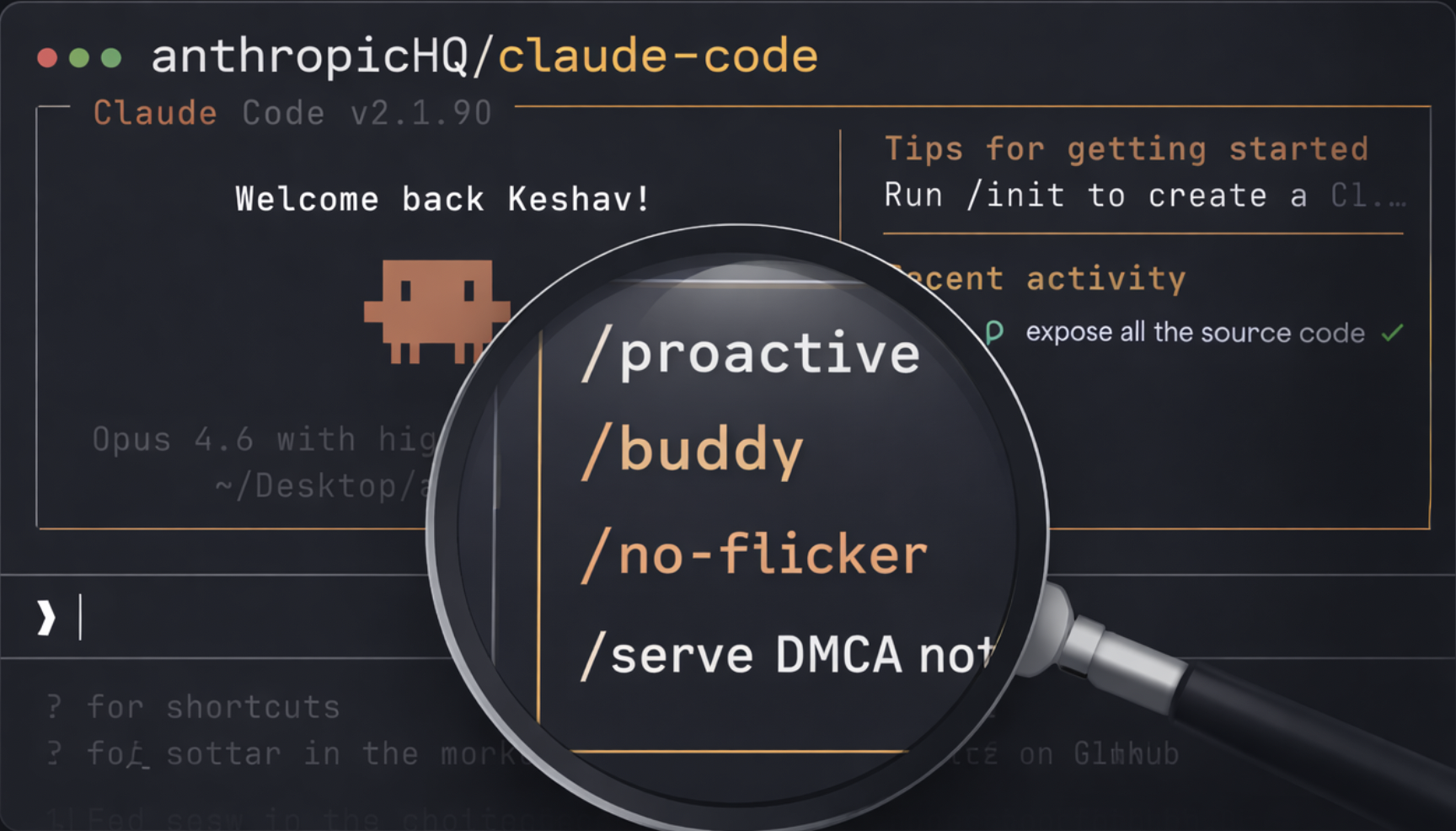
    Anthropic's Claude Code tool experienced a significant leak of its source code, revealing internal architecture, prompts, and unreleased features. This leak has spurred community efforts to port the code to other languages and create alternative tools, despite Anthropic's DMCA takedown notices. The incident also highlights the growing difficulty in distinguishing genuine AI product launches from April Fools' pranks. AI

    Inside the leaked Claude Code files

    IMPACT Community-driven tools and alternative implementations emerge from leaked source code, offering new ways to interact with and extend AI agent capabilities.

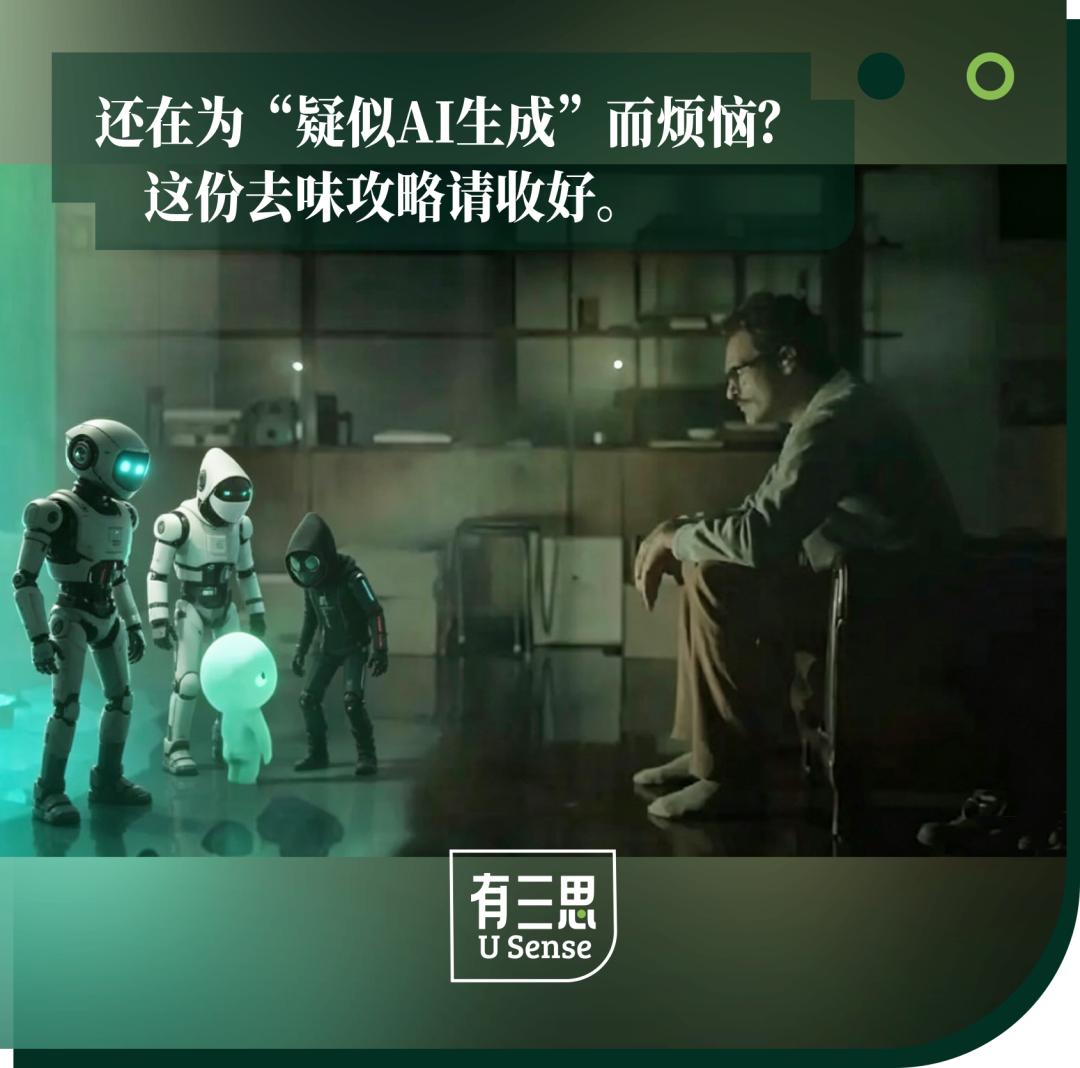
  3. Eliminating 'Evidence of Guilt': An Incomplete Manual for Removing 'AI Flavor' from Writing (2026 Edition)

    The integration of AI into e-commerce is fundamentally reshaping the retail landscape, moving beyond simple search to synthesized answers and personalized experiences. Brands risk losing customer narratives by failing to adapt to generative engine optimization and by implementing generic chatbots instead of conversational interfaces woven into the user journey. Furthermore, professionals must evolve into "AI-native humans" by intentionally directing AI, focusing on their unique human edge, and embracing self-motivation to remain relevant in a rapidly changing work environment. AI

    Eliminating 'Evidence of Guilt': An Incomplete Manual for Removing 'AI Flavor' from Writing (2026 Edition)

    IMPACT Professionals must adapt to AI-driven workflows and e-commerce shifts to maintain relevance and competitive advantage.