PulseAugur / Brief
EN
LIVE 21:10:09

Brief

last 24h
[9/9] 221 sources

Multi-source AI news clustered, deduplicated, and scored 0–100 across authority, cluster strength, headline signal, and time decay.

  1. DCC: Data-Centric Compilation of Machine Learning Kernels for Processing-In-Memory Architectures

    Researchers have developed DCC, a novel data-centric compiler designed to optimize machine learning kernels for Processing-In-Memory (PIM) architectures. This compiler addresses the challenges of data rearrangement and compute code optimization by jointly optimizing these interdependent processes. DCC supports multiple PIM backends through a multi-layer abstraction and has demonstrated significant speedups, achieving up to 7.68x on HBM-PIM and 13.17x on AttAcc PIM compared to GPU-only execution. For end-to-end LLM inference, DCC on AttAcc accelerated GPT-3 and LLaMA-2 by an average of 4.52x. AI

    IMPACT Enables significant acceleration for LLM inference and other ML workloads on specialized Processing-In-Memory hardware.


  2. Multi-Shot vs Zero-Shot: When Adding Examples Actually Hurts Accuracy

    Prompt engineering advice to use few-shot examples is often outdated and can harm LLM performance. While beneficial for older models like GPT-3, newer instruction-tuned models such as GPT-4o and Claude 4.7 can understand tasks without examples. Providing examples can lead to decreased accuracy, increased token usage, and biased outputs in specific scenarios like high-recall extraction, creative generation, and strict format instruction following, as the model may over-anchor on the example's structure rather than the task itself. AI

    Multi-Shot vs Zero-Shot: When Adding Examples Actually Hurts Accuracy

    IMPACT Advises AI operators to reconsider few-shot prompting for newer models, potentially improving efficiency and accuracy.

  3. Where's the raccoon with the ham radio? (ChatGPT Images 2.0)

    OpenAI has released its latest image generation model, ChatGPT Images 2.0, which Sam Altman claims is a significant leap comparable to the jump from GPT-3 to GPT-5. Early tests suggest the new model excels at complex illustrations, particularly in generating detailed scenes like a "Where's Waldo" style image with a raccoon holding a ham radio, a task that previous models struggled with. While the model demonstrates impressive capabilities, there are concerns about its reliability in solving its own generated puzzles, as it failed to accurately identify the hidden raccoon in one instance. AI

    Where's the raccoon with the ham radio? (ChatGPT Images 2.0)

    IMPACT Sets a new benchmark for complex image generation, potentially influencing creative industries and AI model development.

  4. Replit Bounties: AI-Powered Real Estate Recommendation Webapp

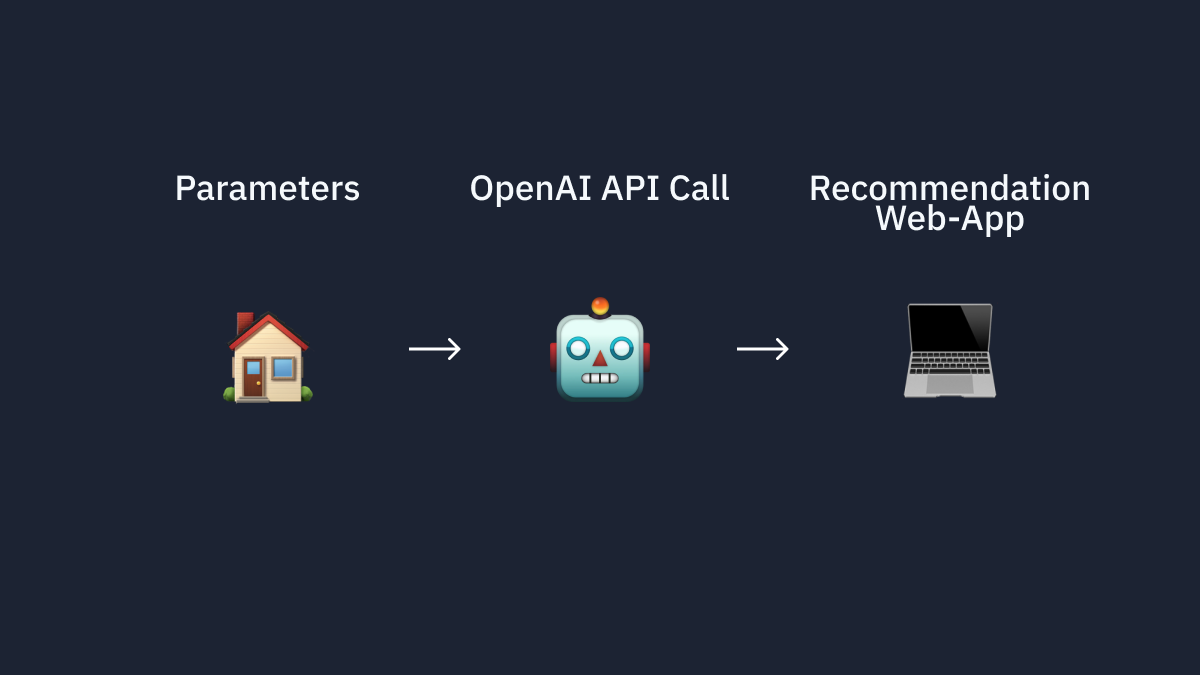
    Symplete's founder, Christo Hefer, utilized Replit Bounties to develop a prototype for an AI-powered real estate recommendation web application. The prototype, built by bounty hunter Syed, uses OpenAI's GPT-3 API to analyze uploaded PDF purchase agreements. This tool helps real estate agents identify the best offers by extracting key data points, significantly reducing review time and informing the development of Symplete's full product. AI

    Replit Bounties: AI-Powered Real Estate Recommendation Webapp

    IMPACT Accelerates real estate agent workflows by automating the analysis of purchase agreements.

  5. Replit Bounties: The Best Place to Build and Launch MVPs

    Replit Bounties has facilitated the rapid development of AI-powered tools for prototyping and content generation. Christian Ulstrup, founder of GSD @ Work, utilized the platform to create an automated system for processing workshop transcripts using GPT-3 for analysis and summarization. This solution, developed by Replit developer Ryan, significantly accelerated Ulstrup's workflow and content creation process, demonstrating the platform's value for quickly turning ideas into functional MVPs. AI

    Replit Bounties: The Best Place to Build and Launch MVPs

    IMPACT Accelerates MVP development and content creation for startups by leveraging AI tools through a specialized platform.

  6. Replit x Weights & Biases Machine Learning Hackathon Winners

    Replit and Weights & Biases recently concluded their first machine learning hackathon, which ran from February 4-11, 2023. Participants worldwide used Replit's platform and Weights & Biases' tools to build and fine-tune ML models. Prizes totaling over 500,000 Cycles were awarded to top projects, including those that utilized GPT-3 for scaling human effort, generated synthetic kōans with a fine-tuned GPT-2, and implemented Q-Learning. AI

    Replit x Weights & Biases Machine Learning Hackathon Winners

    IMPACT Showcases practical application and integration of existing ML tools and models in a competitive environment.

  7. Bounties - Bring your ideas to life

    Replit has launched a new marketplace called Bounties, designed to connect users with top creators from the Replit community for software development projects. This platform allows individuals and companies to commission custom software, from full-stack applications and specific features to documentation maintenance and internal tools. Early use cases include a GPT-3 powered Twitter bot, a restaurant tracker app, and an internal website for Deel's content team, with projects being completed in as little as seven days. AI

    Bounties - Bring your ideas to life

    IMPACT Connects users with AI talent and tools for custom software development, potentially accelerating niche AI application creation.

  8. Replit Apps

    Replit has rebranded its user-created projects from "Repls" to "Replit Apps" to better reflect the evolving capabilities of its platform. This change acknowledges that users are now building full applications, not just simple code snippets. The introduction of "Apps" also signifies a move towards a more open, discoverable ecosystem, akin to an app store, where users can find, remix, and share creations. AI

    Replit Apps

    IMPACT Rebranding and new app discovery platform aim to foster a more collaborative and accessible development ecosystem.

  9. Replit + Codex - Beta Release

    Replit has partnered with OpenAI to integrate advanced AI models into its coding platform. The company is launching a new course on LLMs and GPT, and has introduced beta features powered by OpenAI's Codex model for code explanation. Additionally, Replit is exploring the use of GPT-3 for generating blog content, highlighting the growing synergy between AI and software development environments. AI

    Replit + Codex - Beta Release

    IMPACT Enhances developer productivity and accessibility through AI-powered coding assistance and educational tools.