PulseAugur / Brief
EN
LIVE 19:08:20

Brief

last 24h
[2/2] 224 sources

Multi-source AI news clustered, deduplicated, and scored 0–100 across authority, cluster strength, headline signal, and time decay.

  1. Can ComfyUI run on a GT 1030 graphics card with 2 GB of GDDR5 memory (Do you think that's possible)?

    A user successfully ran ComfyUI on a low-end GT 1030 graphics card with only 2 GB of VRAM by leveraging ComfyUI's DynamicVRAM system. This system allows models to be partially loaded into system RAM, enabling larger models to function on hardware with limited VRAM. Despite the GPU's limitations, including lack of FP8 and modern Tensor Core acceleration, the user was able to generate images, though the BF16 model was automatically cast to FP32, and FP16 did not yield significant speed improvements. AI

    Can ComfyUI run on a GT 1030 graphics card with 2 GB of GDDR5 memory (Do you think that's possible)?

    IMPACT Demonstrates that advanced AI tools can be made accessible on lower-spec hardware, broadening user access.
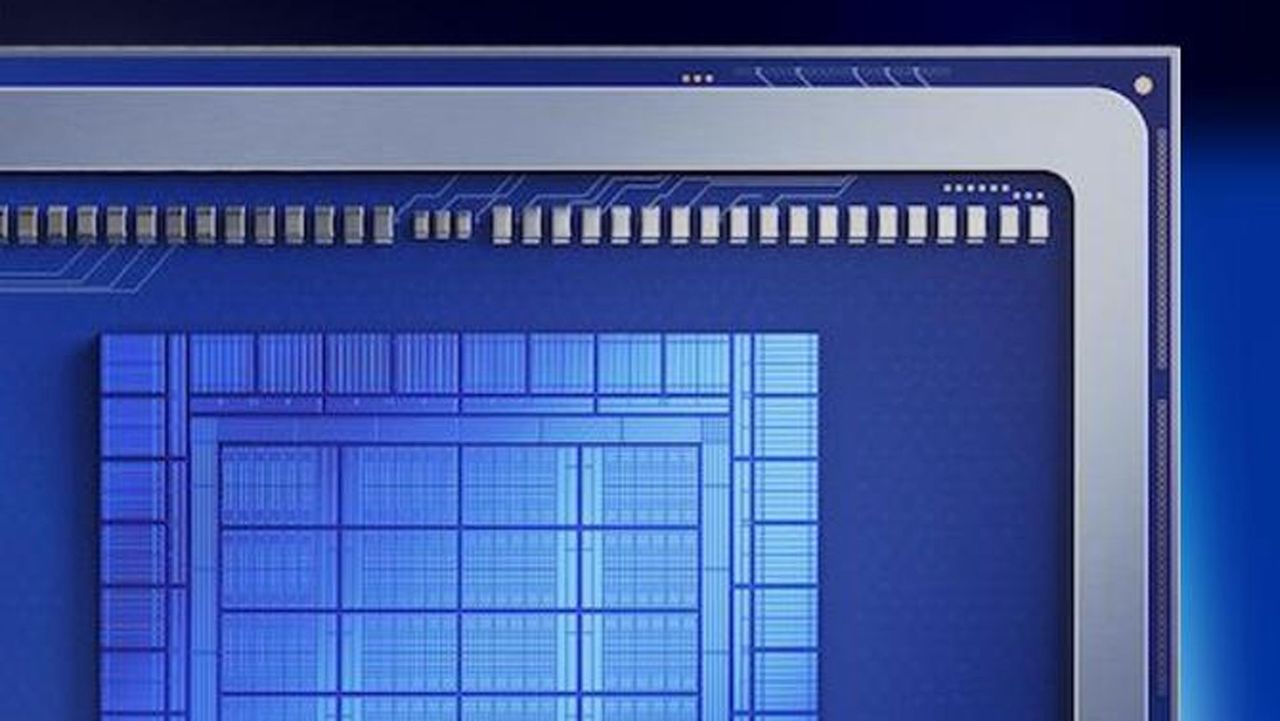
  2. Intel details long-awaited Crescent Island AI GPU at Computex, boasts up to 480 GB of LPDDR5X to combat memory shortages — company shares more details of its Xe3P inference accelerator at Computex

    Intel has unveiled more details about its upcoming Crescent Island AI GPU, built on the Xe3P architecture, at Computex 2026. This new accelerator eschews traditional HBM or GDDR memory for LPDDR5X, offering capacities up to 480GB. This design choice aims to reduce costs and improve availability while keeping more data close to the chip for efficient AI inference. The air-cooled card is expected to launch in the second half of 2026 and will be supported by Intel's oneAPI software stack. AI

    Intel details long-awaited Crescent Island AI GPU at Computex, boasts up to 480 GB of LPDDR5X to combat memory shortages — company shares more details of its Xe3P inference accelerator at Computex

    IMPACT Intel's LPDDR5X-based AI GPU could offer a more cost-effective and available alternative to HBM-equipped accelerators, potentially impacting enterprise on-premise inference solutions.