PulseAugur / Brief
EN
LIVE 06:58:25

Brief

last 24h
[3/3] 221 sources

Multi-source AI news clustered, deduplicated, and scored 0–100 across authority, cluster strength, headline signal, and time decay.

  1. We Benchmarked the Most Popular Code Search Tools. We Beat All of Them.

    A new code search tool called knowing has outperformed established competitors like CodeGraph, GitNexus, and Gortex in benchmarks. Knowing utilizes a novel approach involving random walks on a content-addressed call graph, which prioritizes structural relevance over simple keyword matching. This method resulted in significantly higher precision, faster query times, and more efficient agent integration compared to other tools, effectively eliminating nearly all irrelevant results. AI

    IMPACT Sets a new standard for code retrieval precision and speed, potentially improving developer productivity and AI agent efficiency.

  2. I Refused to Write Specs Until Claude Code Generated Wrong Code Three Times

    A developer recounts their experience using Claude Code for a discount system, which repeatedly generated flawed logic for stackable discounts. After struggling with prompt-based generation, they adopted a spec-driven approach using OpenAPI and Gherkin files. This method, taking only fifteen minutes to define, allowed Claude Code to generate a more accurate implementation, highlighting the value of upfront specification over iterative prompting for complex logic. AI

    I Refused to Write Specs Until Claude Code Generated Wrong Code Three Times

    IMPACT Highlights the ongoing challenge of achieving reliable complex logic from AI coding assistants and the potential benefits of structured specification.

  3. MLOps in Plain English: What It Is, What It Actually Looks Like, and Why Most Teams Get It Wrong

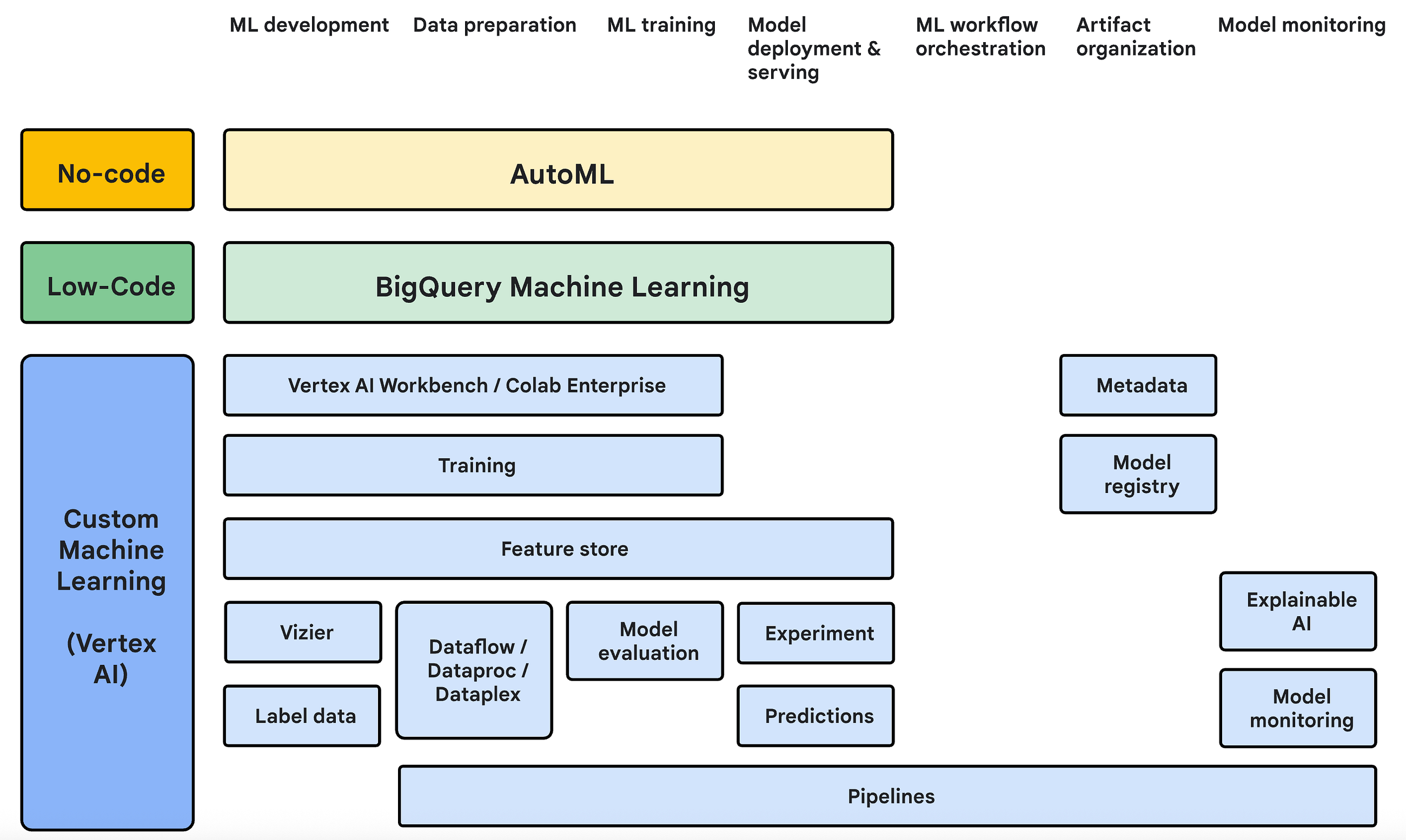
    MLOps is gaining prominence as the critical discipline for deploying and maintaining machine learning models in production. While model training was once the primary focus, the operational aspects of MLOps are now considered more vital for real-world AI applications. This includes strategies for deployment, serving, and managing models, with specific attention to the unique challenges of Large Language Models (LLMs) compared to traditional ML models. Various tools and architectures, such as those utilizing Docker, Flask, AWS, and MLflow, are essential for building robust MLOps pipelines. AI

    MLOps in Plain English: What It Is, What It Actually Looks Like, and Why Most Teams Get It Wrong

    IMPACT Highlights the growing importance of operationalizing AI models, emphasizing the need for robust deployment and maintenance strategies.