PulseAugur / Brief
EN
LIVE 04:08:13

Brief

last 24h
[2/2] 221 sources

Multi-source AI news clustered, deduplicated, and scored 0–100 across authority, cluster strength, headline signal, and time decay.

  1. Wi-Fi controlled hacking USB cable stealthily packs in a microcontroller, microSD storage, and more — cable executes remote payload execution, keystroke injection, and more, but is 'built for makers, developers, enthusiasts, and cybersecurity learners'

    A new Wi-Fi-enabled USB cable, dubbed Hacknect, has successfully launched on Kickstarter, integrating an ESP32-S3 microcontroller and microSD storage. This unassuming device can remotely execute payloads, inject keystrokes, and automate mouse actions, controlled via a web browser interface. The project, aimed at makers and cybersecurity enthusiasts, is open-source and plans to ship in August, though crowdfunding risks apply. AI
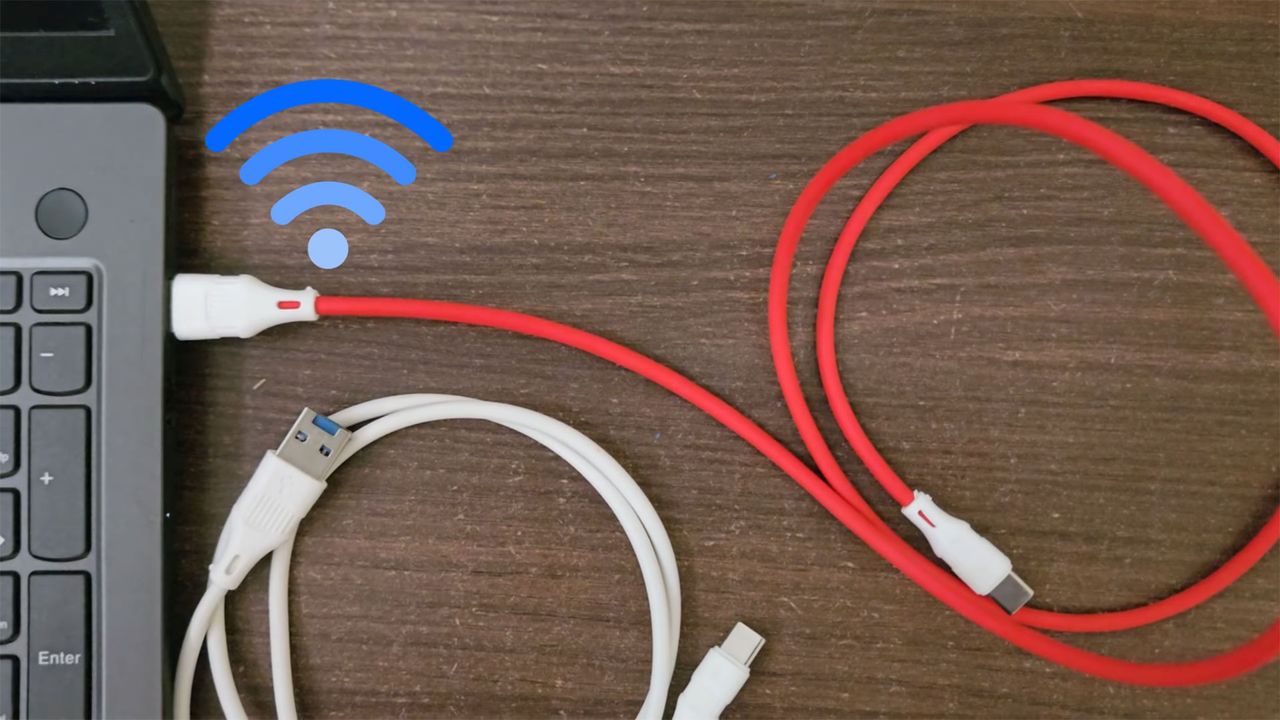
    Wi-Fi controlled hacking USB cable stealthily packs in a microcontroller, microSD storage, and more — cable executes remote payload execution, keystroke injection, and more, but is 'built for makers, developers, enthusiasts, and cybersecurity learners'

    IMPACT Enables new forms of automated device interaction and cybersecurity testing for developers and enthusiasts.

  2. FTerViT: Fully Ternary Vision Transformer

    Researchers have developed FTerViT, a fully ternary Vision Transformer that compresses all weight matrices and normalization parameters. This approach significantly reduces the model's memory footprint, making it more feasible for deployment on resource-constrained devices like microcontrollers. FTerViT achieves competitive accuracy on ImageNet while offering substantial compression compared to standard floating-point models. AI

    IMPACT Enables more efficient deployment of advanced vision models on low-power edge devices.