PulseAugur / Brief
EN
LIVE 11:10:12

Brief

last 24h
[2/2] 224 sources

Multi-source AI news clustered, deduplicated, and scored 0–100 across authority, cluster strength, headline signal, and time decay.

  1. Hydroclimate Volatility On A Warming Earth -- https:// doi.org/10.1038/s43017-024-006 24-z <-- shared 2025 paper -- https:// newsroom.ucla.edu/releases/flo ods-

    A new paper published in Nature and discussed by UCLA researchers highlights the increasing volatility of Earth's hydroclimate due to global warming. The study, titled "Hydroclimate Volatility On A Warming Earth," quantifies this phenomenon as "hydroclimate whiplash," noting significant increases in both subseasonal and interannual transitions between extreme wet and dry conditions since the mid-20th century. These changes are primarily attributed to thermodynamic effects driven by rising atmospheric temperatures, and are projected to intensify with further warming, leading to amplified hazards like floods, wildfires, and landslides. AI
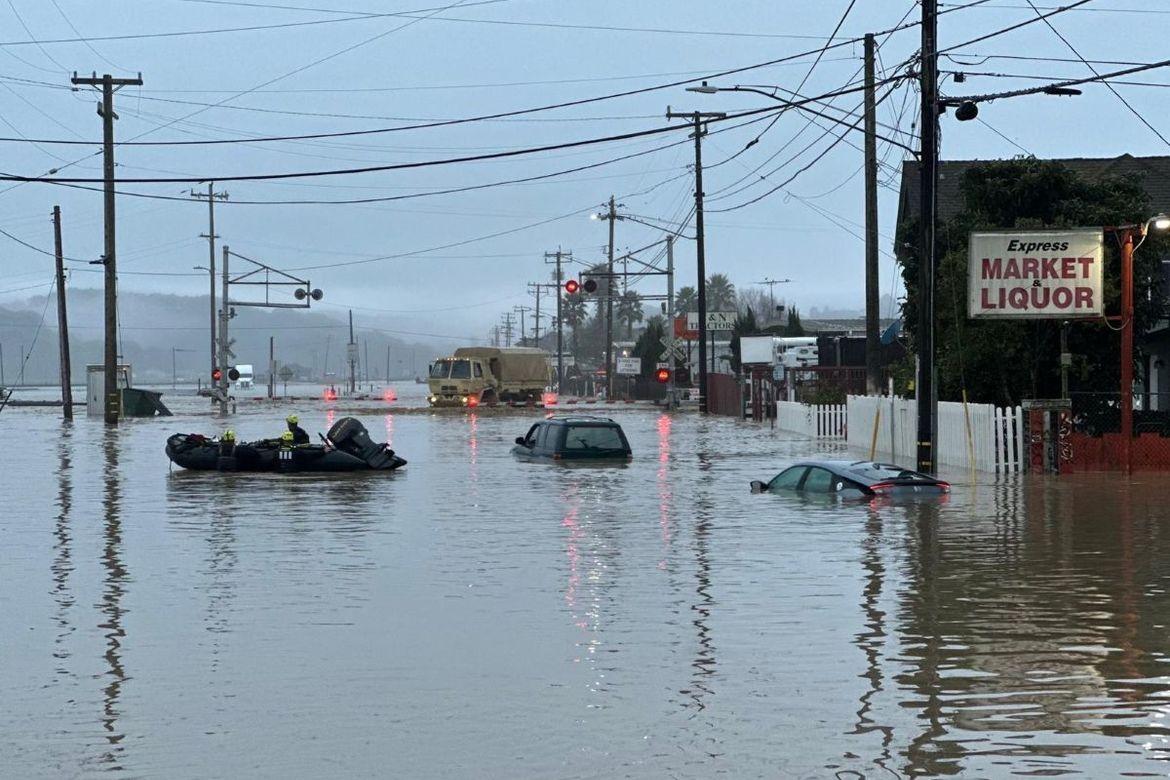
    Hydroclimate Volatility On A Warming Earth -- https:// doi.org/10.1038/s43017-024-006 24-z <-- shared 2025 paper -- https:// newsroom.ucla.edu/releases/flo ods-
  2. Clarifying A Climate “Worst-Case” Scenario With A Simple Analogy

    A recent discussion in the scientific community has led to confusion regarding the RCP8.5 climate scenario, often referred to as the "worst-case" scenario. While a UN panel suggested this specific scenario is unlikely to be realized, experts like Daniel Swain argue that this does not diminish the threat of climate change. RCP8.5 was intended as a high-baseline emission scenario, not a prediction of the most likely future, and its misrepresentation in media and research has created a false narrative. AI

    Clarifying A Climate “Worst-Case” Scenario With A Simple Analogy