PulseAugur / Brief
EN
LIVE 08:48:56

Brief

last 24h
[4/4] 222 sources

Multi-source AI news clustered, deduplicated, and scored 0–100 across authority, cluster strength, headline signal, and time decay.

  1. Iran war drives multi-year missile defense gap

    The war in Iran has severely depleted U.S. and allied stockpiles of missile defense interceptors, creating a multi-year shortage. A CSIS report indicates that U.S. missile defense systems like Patriot and THAAD have expended over 1,000 interceptors in the Iran conflict, with replenishment not expected until 2029. This shortage impacts Ukraine's ability to defend against Russian attacks and Taiwan's preparedness for a potential conflict with China, despite increased defense budgets and production efforts. AI
    Iran war drives multi-year missile defense gap
  2. The new oil order that could emerge from an Iran deal

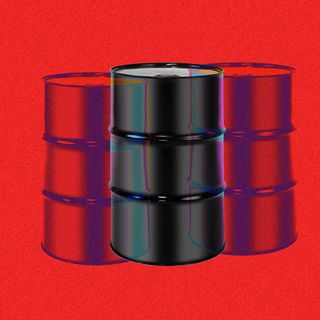
    A potential U.S.-Iran deal could significantly alter the global oil market by allowing large volumes of crude back onto the market, which is crucial as global stockpiles are being depleted rapidly. However, the return to normalcy will be gradual, with shipping safety and potential new fees in the Strait of Hormuz being key near-term concerns. Experts anticipate a permanent geopolitical risk premium will be attached to oil prices due to the permanently riskier operating environment in the region. AI

    The new oil order that could emerge from an Iran deal
  3. As AI transforms warfare through automation and machine-speed decision-making, the greater danger is that political leaders may lose the ability to exercise mea

    The increasing integration of AI in warfare, characterized by automation and machine-speed decision-making, poses a significant risk. This advancement could diminish political leaders' capacity for meaningful human judgment and control over military actions. The commentary highlights concerns about the potential loss of human oversight in conflict scenarios driven by AI. AI

    IMPACT AI-driven automation in warfare could undermine human oversight and decision-making, raising critical questions about control and accountability.

  4. Canada labels Sikh extremism a threat while accusing India of meddling

    Canada's spy agency, CSIS, has acknowledged that Sikh extremist groups operating from Canadian soil pose a threat. This report validates India's long-standing concerns about these groups organizing, fundraising, and supporting violence related to the Khalistan movement. While distinguishing between lawful advocacy and violent extremism, the report confirms the national security risks associated with these groups for both Canada and India. AI

    Canada labels Sikh extremism a threat while accusing India of meddling