PulseAugur / Brief
EN
LIVE 03:46:21

Brief

last 24h
[3/3] 221 sources

Multi-source AI news clustered, deduplicated, and scored 0–100 across authority, cluster strength, headline signal, and time decay.

  1. Micron's Virginia fab begins producing America's most advanced DRAM memory — fab expansion to quadruple output, easing DDR4 shortage for automotive and defense sectors

    Micron has initiated production of its most advanced DDR4-compatible DRAM at its Manassas, Virginia facility, marking the first time this technology is manufactured in the U.S. This expansion, a $2 billion investment supported by CHIPS Act funding, is set to quadruple the site's DDR4 wafer output. The move aims to alleviate a critical shortage of the older memory standard, which is essential for long-lifecycle industries like automotive and defense, as major DRAM producers shift capacity towards AI-driven demand for newer memory types. AI

    Micron's Virginia fab begins producing America's most advanced DRAM memory — fab expansion to quadruple output, easing DDR4 shortage for automotive and defense sectors

    IMPACT Secures supply of older memory for non-AI sectors, freeing up advanced memory production for AI workloads.
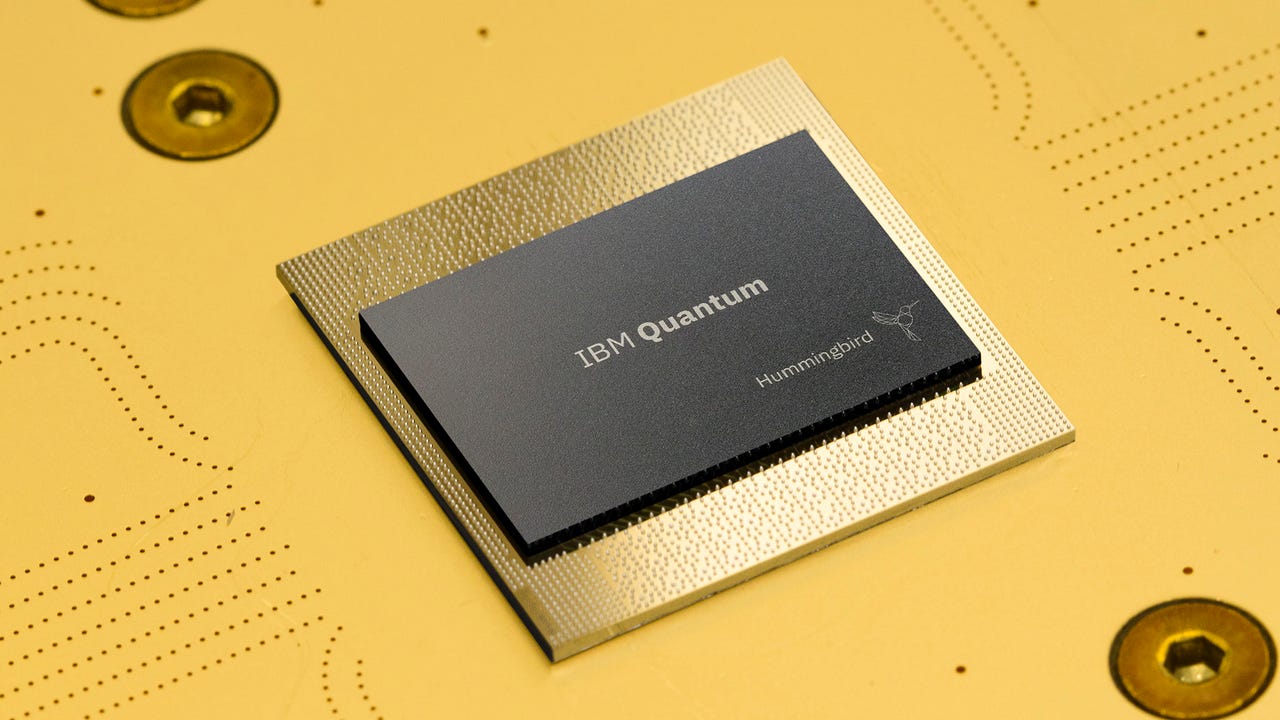

  2. US-Backed IBM, D-Wave CHIPS Deals Expand Quantum Push

    The U.S. government is expanding its industrial policy beyond semiconductors and AI to include quantum computing, with significant federal funding initiatives. IBM plans to establish America's first dedicated quantum foundry with up to $1 billion from the CHIPS and Science Act to manufacture advanced quantum wafers and scale domestic production. Separately, D-Wave Quantum is set to receive federal funding under a proposed CHIPS agreement, which includes a $100 million equity stake for the government in the company to support its quantum computing programs. AI

    US-Backed IBM, D-Wave CHIPS Deals Expand Quantum Push

    IMPACT Government funding for quantum computing manufacturing and compute is expected to accelerate advancements in areas like cryptography and material science, potentially impacting future AI development.

  3. The definitive guide to trade wars just dropped. Its authors have one message for Washington: Study your enemy

    Soumaya Keynes and Chad Bown have released a new book, "How to Win a Trade War," offering a historical framework for understanding U.S.-China trade relations. The book argues that the U.S. is ill-equipped to handle the current economic rivalry with China, particularly regarding industrial policy. Keynes and Bown highlight China's success in dominating markets like electric vehicles through a combination of R&D funding and state-directed demand, contrasting it with U.S. approaches like the CHIPS Act, which they argue lacked sufficient demand-side support. AI

    The definitive guide to trade wars just dropped. Its authors have one message for Washington: Study your enemy