PulseAugur / Brief
EN
LIVE 08:22:01

Brief

last 24h
[5/5] 221 sources

Multi-source AI news clustered, deduplicated, and scored 0–100 across authority, cluster strength, headline signal, and time decay.

  1. Hyundai/Boston Dynamics is going to train Atlas the humanoid robot by watching football videos, and they'll document its progress in an online series called 'School of Football'

    Boston Dynamics is training its Atlas humanoid robot by having it learn from football videos. This process will be documented in a new online series titled 'School of Football'. The goal is to enhance the robot's physical capabilities and movement through observational learning. AI

    Hyundai/Boston Dynamics is going to train Atlas the humanoid robot by watching football videos, and they'll document its progress in an online series called 'School of Football'

    IMPACT Demonstrates a novel approach to robot training using observational learning from video data.

  2. How 8,000 robots are changing work inside logistics giant DHL Supply Chain

    DHL Supply Chain has deployed over 8,000 robots across its global sites, a move that has significantly reduced costs and employee turnover while also decreasing the number of available jobs. CIO Sally Miller stated that automation is essential for reducing labor dependency, especially in a sector facing high turnover and a lack of interest from younger workers for manual tasks. The company collaborates with vendors like Locus Robotics, Boston Dynamics, and Robust AI to develop and integrate robotics, with SVT Robotics connecting these disparate systems. This automation shift is also evolving job roles towards supervising robots and leveraging AI for data insights. AI

    How 8,000 robots are changing work inside logistics giant DHL Supply Chain

    IMPACT Automation in logistics is evolving, with AI and robotics transforming job roles and operational efficiency.

  3. The Future of Physical AI Isn’t Smarter Robots, It’s Smarter Interfaces

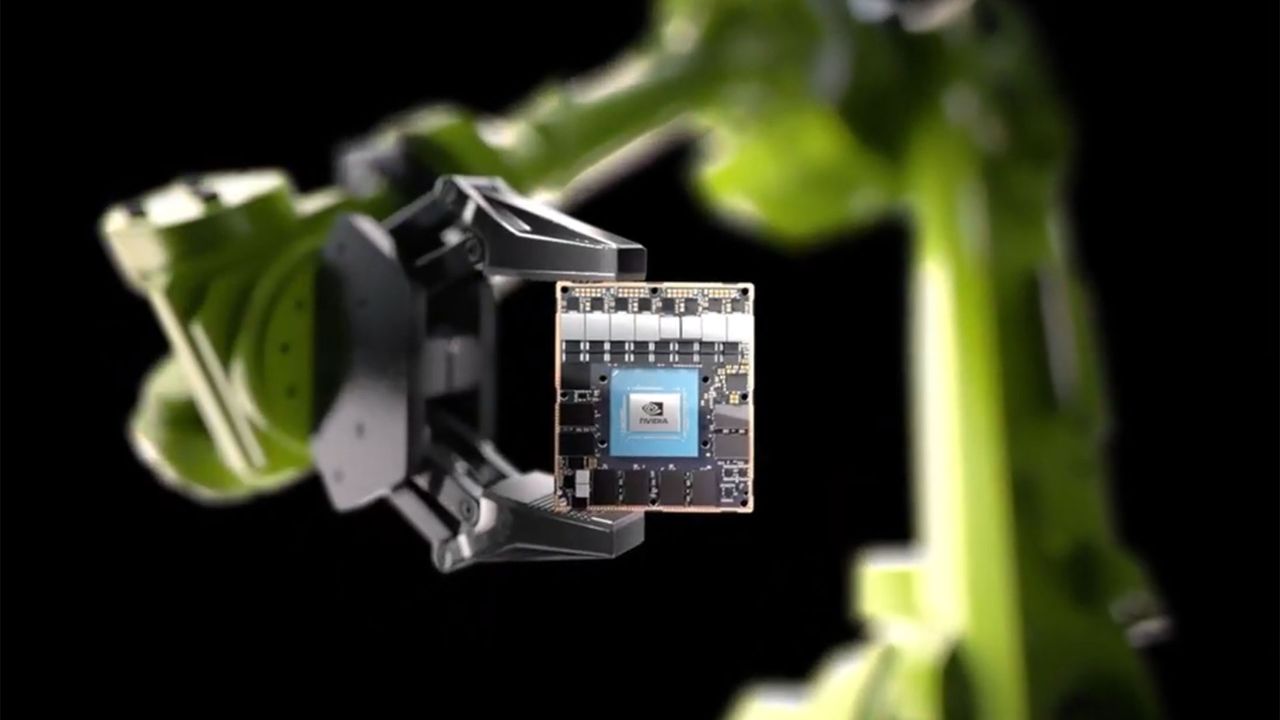
    Wetour Robotics is developing a new approach to human-machine interaction for physical AI, focusing on the interface rather than just robot capabilities. Their Spatial Intent Fusion technology aims to create a more natural and intuitive way for humans to control existing machines by fusing spatial position, visual context, and gestural intent. This system, running on an NVIDIA Jetson Orin Nano Super, processes information at the edge to ensure low-latency control, effectively making the human body the primary interface. AI

    The Future of Physical AI Isn’t Smarter Robots, It’s Smarter Interfaces

    IMPACT This development could lead to more intuitive control systems for physical robots and machinery, improving human-robot collaboration in industrial and assistive settings.

  4. Former NASA Robotics Chief: America is building the wrong kind of robots — and China knows it

    A former NASA robotics chief argues that the United States is focusing on the wrong aspects of humanoid robot development, prioritizing impressive demonstrations over practical, scalable deployment. While U.S. robots excel in controlled environments, they struggle with real-world tasks and adaptability, unlike human workers who can fluidly switch between duties. The author suggests that current federal policies and investment structures, which reward discovery over deployment, hinder the adoption of these robots by mid-sized manufacturers and advocates for a shift towards incentivizing widespread implementation. AI

    Former NASA Robotics Chief: America is building the wrong kind of robots — and China knows it

    IMPACT US manufacturers may lag in adopting adaptable robots, impacting industrial competitiveness and efficiency.

  5. Nvidia's exposure to Asian supply chains for components hits 90% of its production costs — marked increase from 65% could intensify as physical AI adds even more exposure

    Nvidia's reliance on Asian supply chains for components has increased to 90% of its production costs, up from 65% a year ago. This dependency impacts both its data center GPUs and newer physical AI products like the Jetson Thor robotics platform, which compete for constrained resources such as TSMC's 3nm wafer capacity and LPDDR5X memory. The company is also increasing its dividend and facing rising investor expectations, with some predicting it could join the $1 trillion market cap club by year-end. AI

    Nvidia's exposure to Asian supply chains for components hits 90% of its production costs — marked increase from 65% could intensify as physical AI adds even more exposure

    IMPACT Nvidia's increased supply chain costs and competition for resources could impact the availability and price of AI hardware, potentially affecting the pace of AI adoption.