PulseAugur / Brief
EN
LIVE 13:00:42

Brief

last 24h
[8/8] 221 sources

Multi-source AI news clustered, deduplicated, and scored 0–100 across authority, cluster strength, headline signal, and time decay.

  1. An Incomplete List of Successful Anti-Data Center Legislation

    Opposition to the construction of large data centers, which are essential for AI development, is growing across the United States. This opposition is bipartisan and manifesting in local communities and state legislatures through moratoriums, bans, and proposed legislation. While some projects have been successfully halted or withdrawn due to community action and environmental concerns, activists also face setbacks, such as gubernatorial vetoes of statewide moratoriums. AI

    An Incomplete List of Successful Anti-Data Center Legislation

    IMPACT Growing local and state-level opposition to data center construction could impact AI development by constraining necessary infrastructure.

  2. Here's the Bodycam Footage of the Cybertruck That Drove Into a Lake

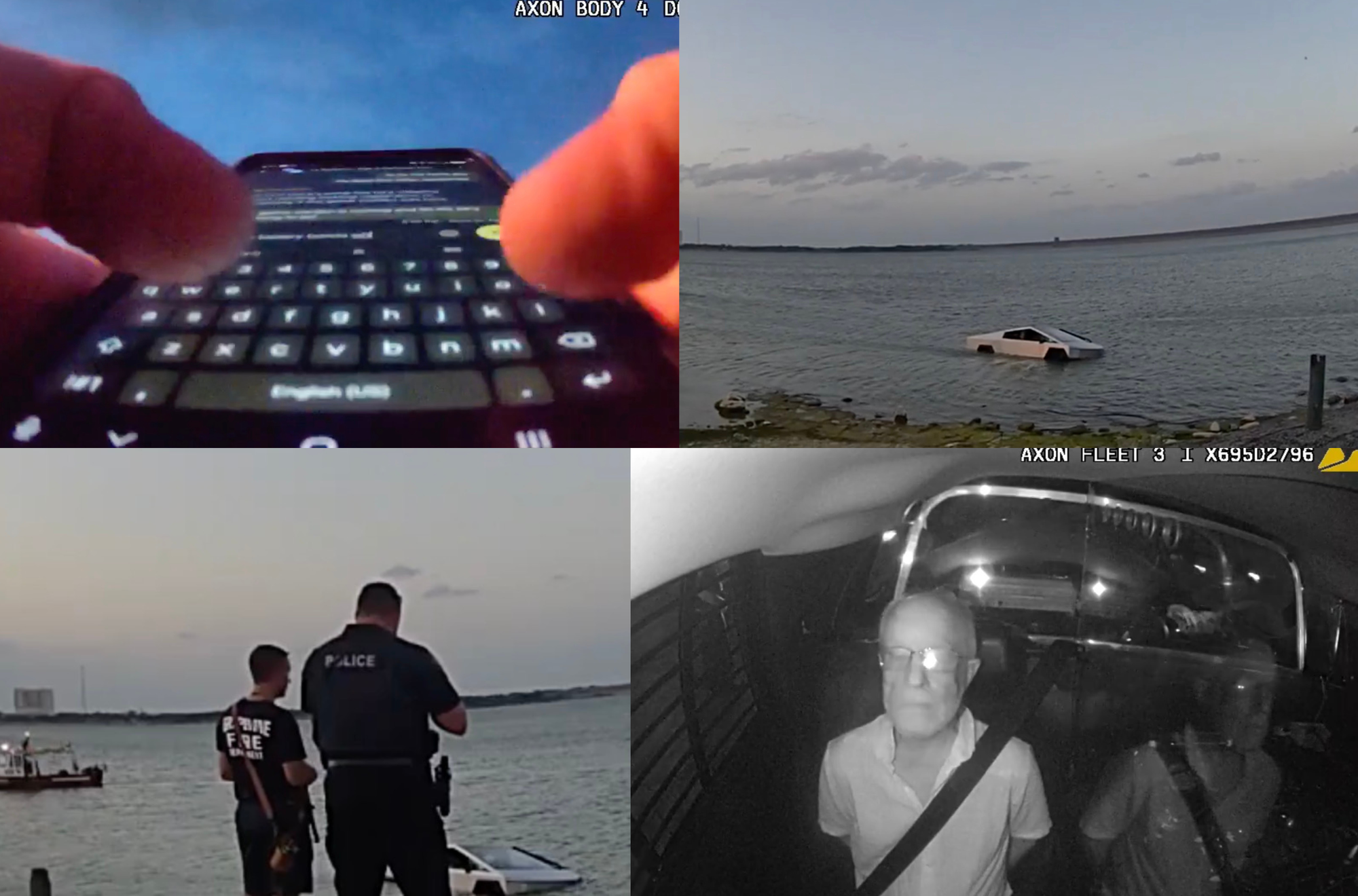
    A Tesla Cybertruck owner intentionally drove his vehicle into a lake in Grapevine, Texas, to test its "wade mode." The driver, Jimmy Jack McDaniel, was arrested by police after he and his passengers fled the submerged truck. Despite the vehicle taking on water and experiencing charging issues, McDaniel insisted he could drive it out, though officials eventually used a tow truck and jet skis to retrieve it. The incident is the latest in a series of high-profile mishaps involving the Cybertruck, with Tesla's warranty explicitly stating that water damage is not covered. AI

    Here's the Bodycam Footage of the Cybertruck That Drove Into a Lake

    IMPACT This incident highlights potential product limitations and user misuse of advanced vehicle features, impacting consumer perception of electric vehicle capabilities.

  3. Podcast: Elites Just Don't Get AI

    A recent podcast discussed how public figures, including former Google CEO Eric Schmidt, are praising AI in commencement speeches, a sentiment that was met with criticism. The podcast also touched on unusual data acquisition methods, such as an offer to purchase images of feces for AI training and a plan to equip preschool teachers with cameras for AI training purposes. AI

    Podcast: Elites Just Don't Get AI

    IMPACT Discusses public perception and data sourcing methods for AI, highlighting potential disconnects between elite views and practical concerns.

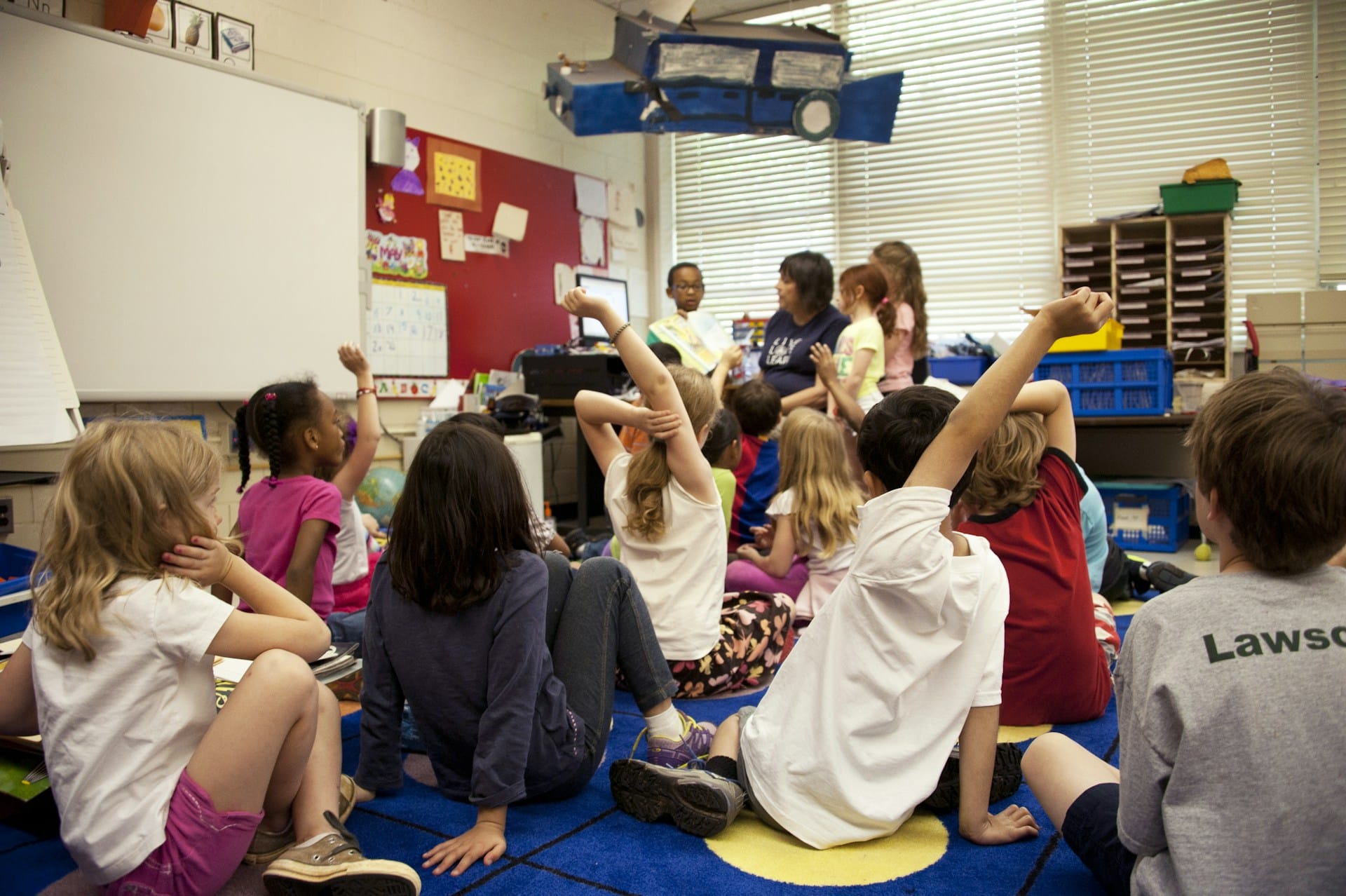
  4. Researchers Wanted Preschool Teachers to Wear Cameras to Train AI

    Researchers at the University of Washington proposed a study where preschool teachers would wear cameras to record classroom interactions for AI model development. The plan, which was presented as an opt-out system for parents, faced significant backlash due to concerns about consent and data privacy. Following the parental revolt, the university has shelved the research project. AI

    Researchers Wanted Preschool Teachers to Wear Cameras to Train AI

    IMPACT Highlights ethical challenges in AI data collection for educational tools, emphasizing the need for robust consent mechanisms.

  5. This Archivist Has Saved 175,000 Articles from 30 Years of Writing about Magic: The Gathering

    Gregor Stocks, a software engineer, has launched the Library of Leng, a searchable database dedicated to preserving articles about the game Magic: The Gathering. The project aims to combat internet churn by archiving old usenet posts, website content, and publisher announcements that are often lost over time. Stocks developed custom tools to parse the varied and often unformatted data from the early internet, and the response from the Magic community and authors has been overwhelmingly positive. AI

    This Archivist Has Saved 175,000 Articles from 30 Years of Writing about Magic: The Gathering

    IMPACT Niche archival project with minimal direct impact on AI operations.

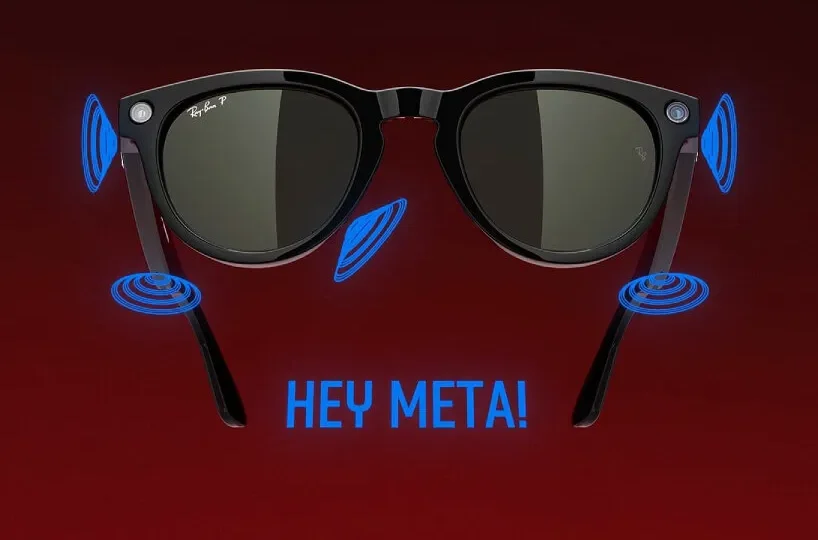
  6. Hey Meta, where do the images taken by smartglasses end up? // The emotional labor behind AI According to an investigation published on February 27, 2026 by

    An investigation revealed that Meta's Ray-Ban smart glasses collect video, audio, and image data that is processed by human workers employed by Sama, a Meta subcontractor based in Kenya. These workers have reported viewing intimate and private moments of individuals unaware they were being recorded. This practice highlights the often-unseen emotional labor and psychological toll on data labelers who train AI systems, as detailed by individuals with experience in these roles. AI

    Hey Meta, where do the images taken by smartglasses end up? // The emotional labor behind AI According to an investigation published on February 27, 2026 by

    IMPACT Highlights ethical concerns and potential privacy violations in AI data collection and processing, impacting user trust and regulatory scrutiny.

  7. Absolutely horrified at this planned study from my own institution:

    Researchers at the University of Washington planned a study to equip preschool teachers with cameras to collect data for AI training. The study, which has since been paused, aimed to use the footage to develop AI systems capable of understanding and responding to classroom interactions. However, the proposal sparked significant ethical concerns regarding privacy and the potential misuse of sensitive data. AI

    IMPACT Raises critical questions about ethical data collection for AI training, particularly concerning vulnerable populations.

  8. Behind the Blog: The Attention Wars

    This article discusses the phenomenon of Spencer Pratt's recent online and real-world presence, focusing on his campaign for Los Angeles mayor. Pratt, a former reality TV personality, is running as a Republican on a platform critical of the government's response to a fire that destroyed his mansion. The piece touches on his political origins and the surprising nature of his current public persona. AI

    Behind the Blog: The Attention Wars