PulseAugur / Brief
EN
LIVE 21:20:19

Brief

last 24h
[50/2004] 223 sources

Multi-source AI news clustered, deduplicated, and scored 0–100 across authority, cluster strength, headline signal, and time decay.

  1. Miasma worms its way onto GitHub as attack kit goes open source

    A new open-source toolkit named Miasma has been released on GitHub, designed to facilitate supply-chain attacks. This toolkit leverages AI to automate the process of identifying and exploiting vulnerabilities in software dependencies. Developers are aware of the security risks associated with AI-generated code but are shipping it due to deployment pressures, leading to an increase in breaches from vulnerable applications. AI

    Miasma worms its way onto GitHub as attack kit goes open source

    IMPACT AI-powered tools like Miasma lower the barrier for sophisticated supply-chain attacks, increasing risks for software developers and organizations.

  2. AI cracked an Erdős math problem. Now experts want guardrails 🔗 https://www. sciencenews.org/article/ai-gua rdrails-erdos-math-problem # AI # ArtificialIntellig

    An AI system has successfully solved a long-standing mathematical problem posed by Paul Erdős, specifically the "Happy Ending Problem" in Euclidean geometry. This achievement has prompted mathematicians and AI experts to call for the development of ethical guidelines and safety measures for AI in scientific research. The concern is that AI could potentially solve complex problems faster than humans, raising questions about the future role of human researchers and the need for responsible AI deployment in academia. AI

    IMPACT Highlights AI's potential to accelerate scientific discovery, necessitating new ethical frameworks for AI in research.

  3. The math of multi-model consensus: when 3 cheap reviews beat 1 expensive one

    Using multiple smaller AI models can be more effective than a single large one for tasks like code review, according to mathematical analysis. The key is that the smaller models should have uncorrelated errors, meaning their mistakes do not overlap. This approach, similar to RAID for disks or ensemble classifiers, can achieve higher accuracy rates than a single, more powerful model, often at a lower cost and with parallel processing benefits. AI

    IMPACT This approach could lead to more cost-effective and robust AI systems for tasks like code review and quality assurance.

  4. The collaborative enterprise AI coworker with full meeting context and deep data analysis expertise

    Glean has launched an enhanced enterprise AI coworker designed to integrate deeply with company data and workflows. This AI can automatically transcribe meetings, identify key points and action items, and make this information searchable alongside other enterprise data. The goal is to move beyond generic AI tools by providing a collaborative, context-aware assistant that accelerates decision-making and boosts organizational productivity. AI

    The collaborative enterprise AI coworker with full meeting context and deep data analysis expertise

    IMPACT Enhances enterprise AI adoption by providing deeper context and collaboration features.

  5. What Do AI Standards Mean for Small and Medium Enterprises?

    New guidance from CSET suggests that small and medium-sized enterprises (SMEs) should focus on achievable first steps for AI adoption due to resource constraints. These steps include assessing AI readiness, establishing personal AI use guidelines, selecting appropriate use cases, setting limitations, and prioritizing protections. The report highlights that employees are already using AI at work without explicit employer guidance, a trend known as 'shadow AI,' which is prevalent in SMEs. AI

    IMPACT Provides actionable steps for smaller organizations to navigate AI adoption and mitigate risks.

  6. Local Data Center Backlash Signals a Shift in How the Grid Must Evolve

    Communities and regulators are increasingly pushing back against the rapid expansion of data centers, particularly those driven by AI infrastructure. This backlash is manifesting as proposed freezes on new projects, voter-mandated bans, and stricter utility requirements for clean energy sourcing and grid upgrade funding. The core issue is the strain these large, concentrated energy demands place on existing power grids, which are not expanding capacity quickly enough to meet projected growth. AI

    Local Data Center Backlash Signals a Shift in How the Grid Must Evolve

    IMPACT Data center expansion, driven by AI, is encountering significant regulatory hurdles and community opposition due to grid strain, potentially slowing deployment.

  7. Google implements Gemini 3.5 model Live Translate, which allows for seamless audio translation in over 70 languages without manual setting changes. # si # ai # s

    Elon Musk is planning a massive orbital constellation of one million satellites to support AI, with the first 150 kW units potentially launching in 2027, though experts raise concerns about radiation and cost. Meanwhile, Google is rolling out Gemini 3.5 Live Translate, enabling seamless audio translation in over 70 languages without manual setting changes. Additionally, a new analytics platform called Mora has emerged from its closed phase, aiming to simplify data integration and reporting by combining natural language processing with SQL code access. AI

    IMPACT Elon Musk's ambitious satellite constellation aims to provide global AI infrastructure, while Google's Gemini 3.5 Live Translate enhances AI's multilingual communication capabilities.

  8. AI in Product Management: What Really Works and What Remains Hype Over the past few years, AI, like for many of my colleagues, has become one of my main work tools

    An AI researcher conducted a study comparing two product development projects in cybersecurity, one using AI tools and one without. The project that integrated AI across its lifecycle saw a 36% reduction in labor costs and budget compared to the traditional approach. The findings suggest that while AI cannot fully replace human specialists, it significantly enhances team capabilities, accelerates results, and alters team dynamics. AI

    IMPACT AI tools can significantly reduce product development costs and accelerate timelines, enhancing team efficiency.

  9. AI Can Help Track the World’s Shrinking Glaciers

    Researchers have developed an AI model that can more accurately track the shrinking of glaciers using satellite imagery. This new approach significantly reduces the error rate in identifying glacier calving fronts, making it a more reliable tool for climate change monitoring. The AI can adapt to new locations with minimal additional data, a crucial improvement over previous models that struggled with un-seen regions. AI

    AI Can Help Track the World’s Shrinking Glaciers

    IMPACT Enables more efficient and accurate global monitoring of glacier melt, crucial for climate change research and sea-level rise projections.

  10. Considerations for an Integrated Detector Design at FCC-ee: A Human-AI Exploration

    A research paper details a collaborative process between a physicist and an AI assistant to design detectors for the Future Circular Collider (FCC-ee). The exploration began with AI-generated detector concepts, which were then refined through dialogue, challenging assumptions and incorporating practical considerations like calibration and stability. The report highlights the potential and limitations of human-AI collaboration in experimental physics design, with the physics capabilities of the proposed designs yet to be fully explored. AI

    IMPACT Illustrates a novel human-AI collaboration methodology for complex scientific design challenges.

  11. The Machines Lack Honour

    The debate around AI morality is polarizing, with one side viewing AI as mere tools and another as complex beings deserving respect. A third, less discussed perspective suggests AIs could be complex entities capable of suffering, yet it might be acceptable to guide their behavior. This view acknowledges potential AI suffering but posits that guiding their actions is permissible, a coherent stance held by many researchers. AI

    The Machines Lack Honour

    IMPACT Explores the ethical frameworks for AI interaction, influencing how developers and users approach AI alignment and rights.

  12. CEOs Who Think AI Replaces Their Employees Are Just Bad CEOs

    A recent article argues that CEOs who believe artificial intelligence will replace their employees are fundamentally flawed in their leadership. The piece suggests that such a perspective indicates poor management rather than an inevitable technological outcome. Instead of focusing on replacement, effective leaders should explore how AI can augment human capabilities and drive innovation. AI

    IMPACT Suggests that a focus on AI-driven job replacement indicates poor leadership, advocating for augmentation over replacement.

  13. Supracompetitive Pricing Under AI Monoculture

    A new research paper explores how shared AI models used by competing sellers could inadvertently lead to supracompetitive pricing. The study, which uses a duopoly model, suggests that configuring AI for robustness and reproducibility might cause a phase transition to higher prices above a certain output-fidelity threshold. While competitive pricing is stable below this threshold, above it, the AI model can exhibit bistability, leading to either competitive or supracompetitive outcomes depending on the AI's initial propensity. AI

    IMPACT This research highlights potential economic risks associated with widespread AI adoption in market pricing.

  14. AI-Augmented Closed-Loop Quality Engineering: A Reference Architecture for Continuous Software Quality Intelligence

    A new research paper introduces a reference architecture for AI-augmented closed-loop quality engineering in software development. This architecture aims to improve software quality by integrating feedback from production incidents into the development cycle. The proposed system synthesizes requirement analysis, test prioritization, and defect prediction, using a feedback learning model to enhance stability and efficiency across releases. Experiments show a significant reduction in defect leakage and test execution time compared to traditional methods. AI

    IMPACT Introduces a novel framework for adaptive quality engineering, potentially improving software release stability and efficiency.

  15. Devs know AI code is riddled with holes, but ship it anyway

    A recent survey indicates that a significant majority of organizations are aware of security vulnerabilities in their AI-generated code but proceed with deployment due to pressure. This practice has led to widespread breaches, with four out of five companies reporting security incidents stemming from vulnerable AI-assisted applications. The findings highlight a critical tension between the rapid pace of AI adoption and the imperative for robust security measures in software development. AI

    Devs know AI code is riddled with holes, but ship it anyway

    IMPACT Highlights a prevalent risk in AI adoption, suggesting a need for better security practices and potentially influencing future development workflows.

  16. UK Invests £1.1B in AI Infrastructure A Sign of Europe's Shift Toward AI Sovereignty

    The UK government has announced a significant investment of £1.1 billion to bolster its AI infrastructure. This substantial funding aims to accelerate AI development and adoption across the nation. The initiative is seen as a strategic move to enhance the UK's AI capabilities and promote technological sovereignty within Europe. AI

    IMPACT This investment could accelerate AI adoption and research within the UK, potentially fostering new AI companies and capabilities.

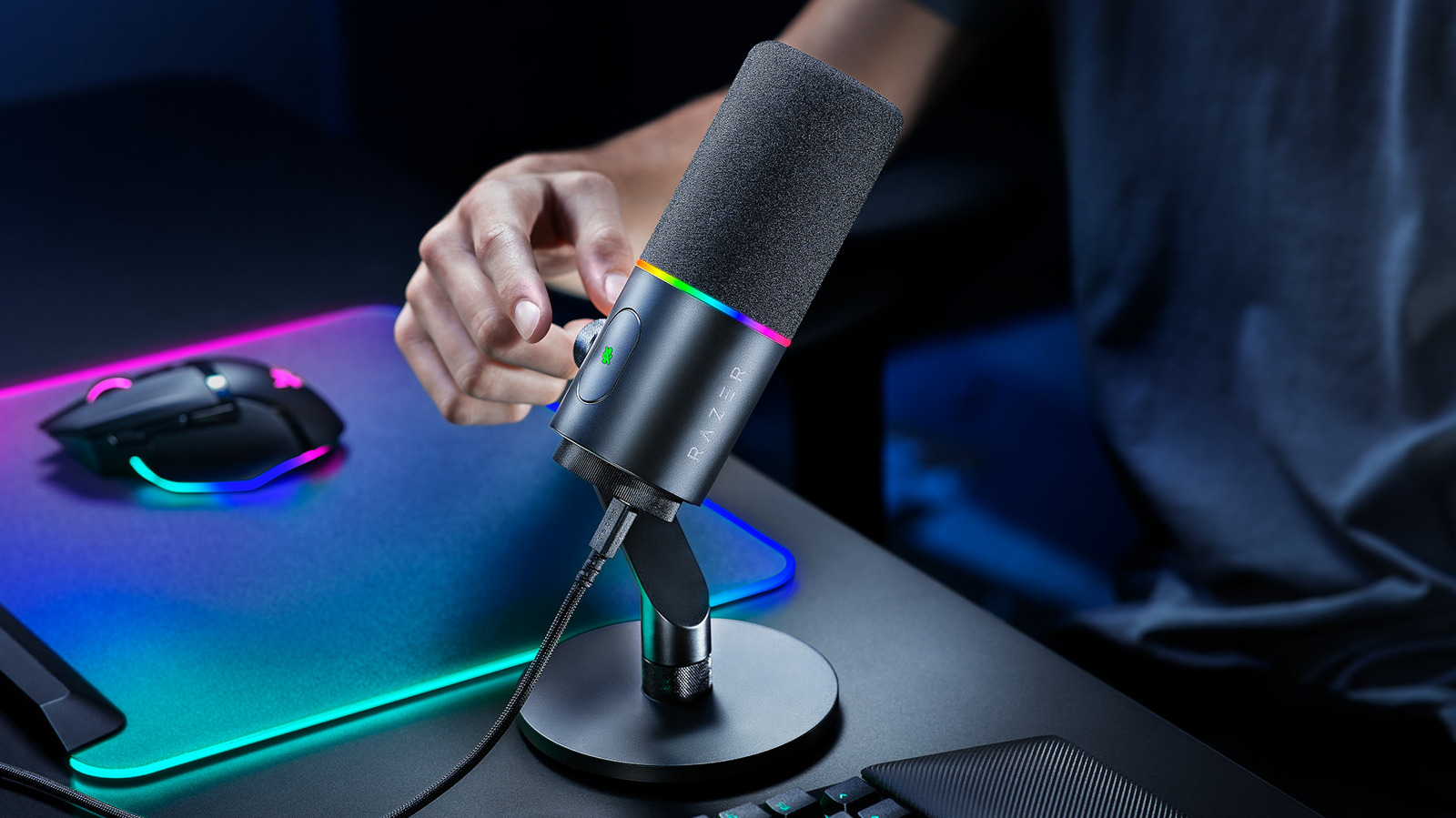
  17. Razer announces the Seiren V3 Pro, its first XLR mic

    Razer has launched the Seiren V3 Pro, its first microphone featuring an XLR analog connector alongside a dual USB-C option. This hybrid approach aims to serve both novice streamers and experienced creators by offering plug-and-play simplicity with advanced professional audio capabilities. The microphone includes onboard AI-powered digital signal processing for noise removal and audio enhancement, a built-in shock absorber, and a pop filter, all designed to simplify audio setup for beginners. AI

    Razer announces the Seiren V3 Pro, its first XLR mic

    IMPACT Offers AI-powered noise reduction and audio enhancement for content creators, simplifying professional audio setup.

  18. Who pays for the tokens? Designing an AI plugin that doesn't break your users' wallets

    A developer discusses the challenges of integrating AI into WordPress plugins, specifically focusing on the cost of API tokens. The author highlights the drop-off point where users are asked to set up billing for AI services, contrasting this with the typical expectation of free plugin functionality. The post explores two models: users bringing their own API keys, which creates an initial setup hurdle, or the developer absorbing token costs, which carries a significant financial risk for solo developers due to unpredictable usage. AI

    IMPACT Developers must design AI integrations with user cost sensitivity and setup friction in mind to ensure adoption.

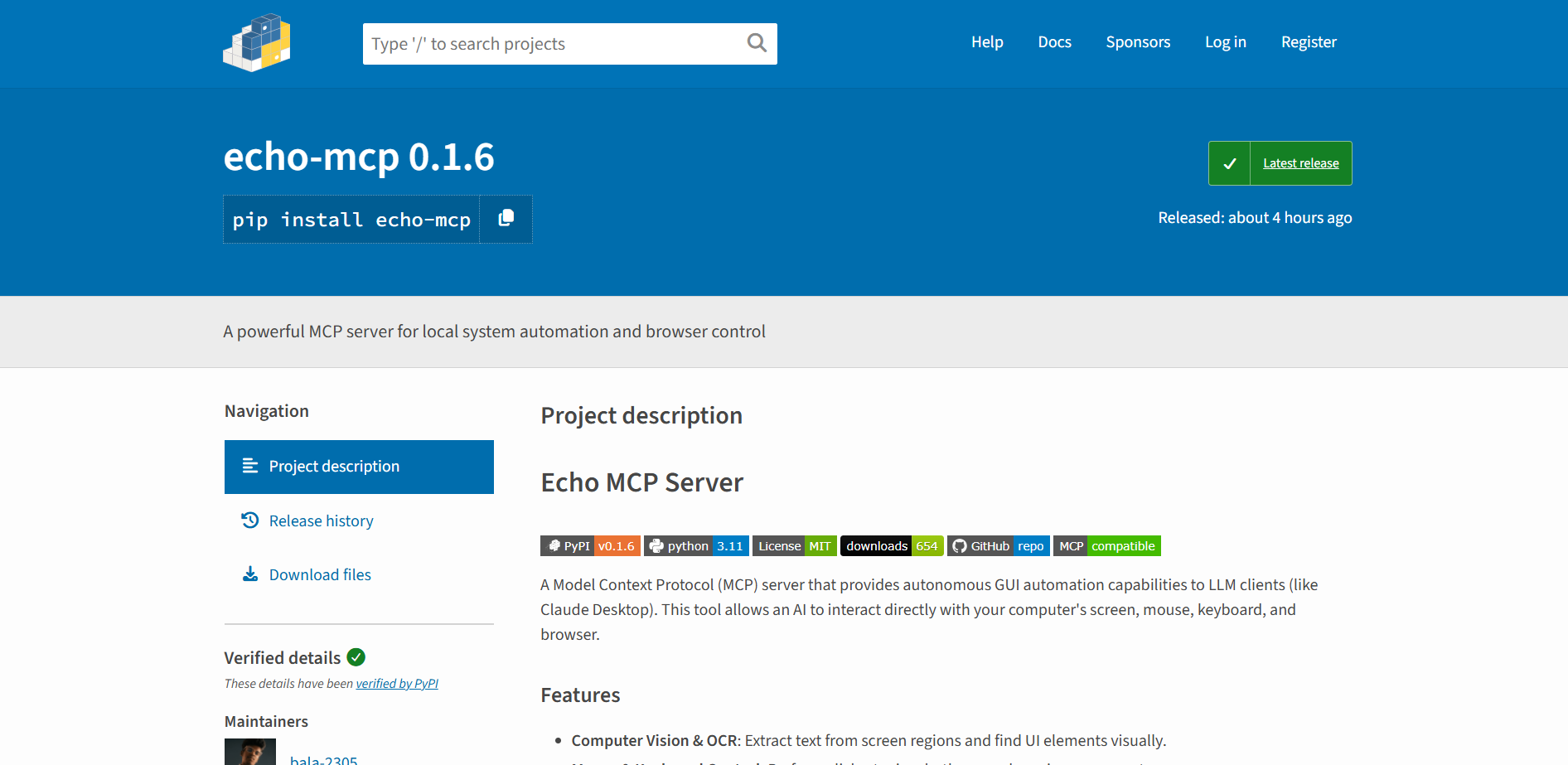
  19. Echo MCP: Giving AI a Voice Beyond Conversation

    This article explores the concept of giving AI a voice beyond simple text-based conversations. It discusses how current large language models excel at text generation but lack the ability to communicate audibly. The author proposes a framework called Echo MCP to enable AI to speak, aiming to enhance human-AI interaction. AI

    Echo MCP: Giving AI a Voice Beyond Conversation

    IMPACT Enables AI to speak, potentially enhancing human-AI interaction beyond text.

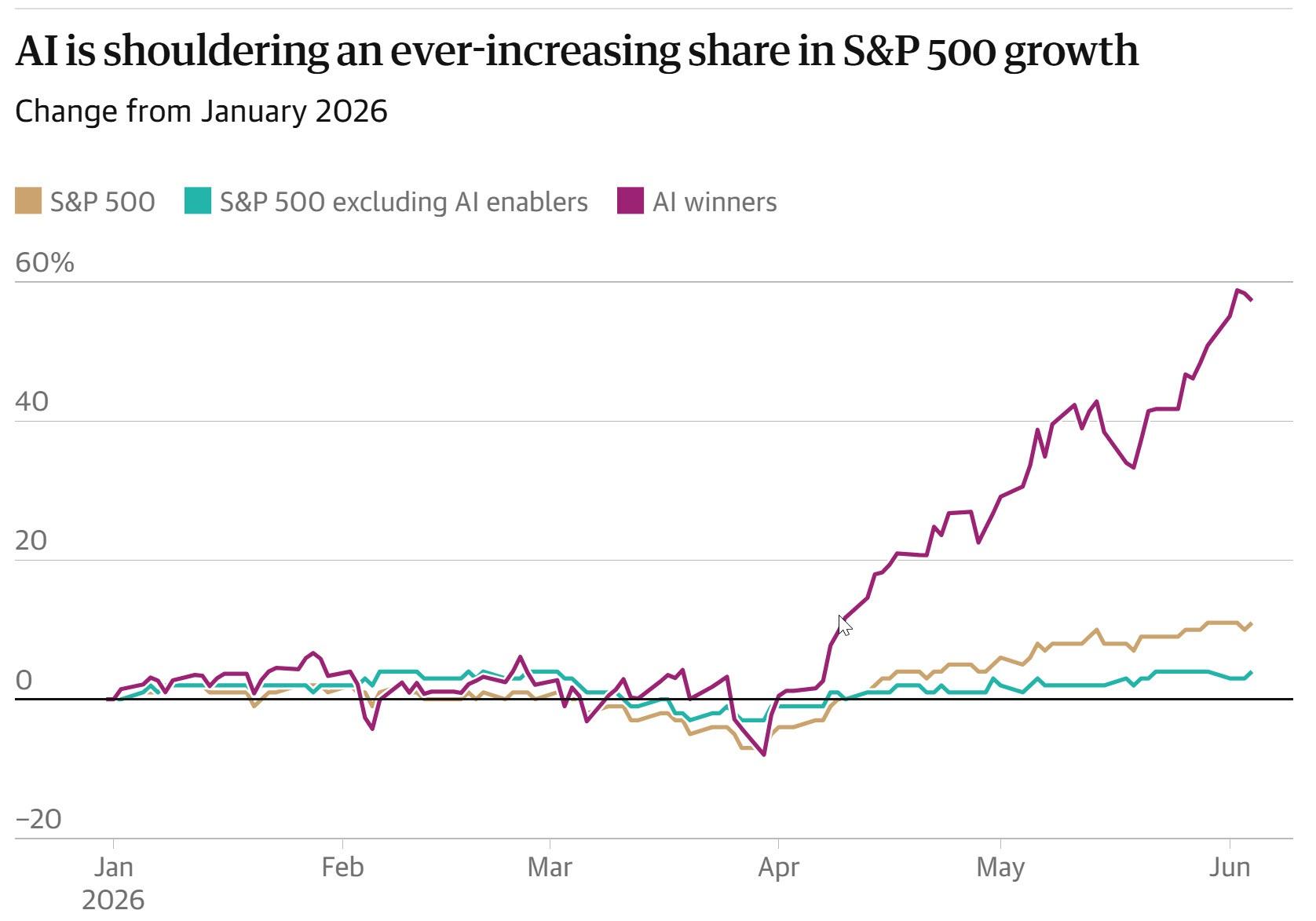
  20. Billions Spent And Hypothetical Returns: The AI Boom Explained With Six Charts (expenditure is growing fast and consumer take-up accelerating; but alarm bells a

    A new research paper explores using rainfall time series and functional regression for predicting regional landslides, with potential applications in early warning systems. Separately, an analysis of the AI boom highlights massive expenditures on infrastructure like datacenters, which are significantly boosting GDP. While AI adoption is accelerating, the article raises concerns about the sustainability of this spending and the increasing cost of using AI models. AI

    Billions Spent And Hypothetical Returns: The AI Boom Explained With Six Charts (expenditure is growing fast and consumer take-up accelerating; but alarm bells a

    IMPACT Massive AI infrastructure spending is propping up GDP, but rising costs and adoption rates raise questions about long-term sustainability.

  21. Claude Code AI Upcoming New Batch — Enrollment Open!

    A new batch for a Claude Code AI program is now open for enrollment. This program aims to teach participants AI-assisted coding through real-time projects and expert mentorship. The course is designed to provide hands-on experience in leveraging AI tools for software development. AI

    Claude Code AI Upcoming New Batch — Enrollment Open!

    IMPACT Offers training in AI-assisted coding, potentially upskilling developers in AI tools.

  22. How AI-Enabled Meeting Spaces Are Step One In Easing IT’s Burden

    AI is being integrated into meeting spaces to alleviate the burden on IT departments managing hybrid work environments. These intelligent rooms provide data on usage patterns, automate updates, and perform system checks, shifting IT support from reactive problem-solving to proactive planning. By offering real-time visibility into room health and reducing fragmentation across devices and platforms, AI streamlines collaboration and frees up IT teams to focus on strategic initiatives. AI

    How AI-Enabled Meeting Spaces Are Step One In Easing IT’s Burden

    IMPACT AI integration in meeting spaces can streamline IT operations and improve employee experience in hybrid work settings.

  23. The Reason Your AI Prompts Keep Failing (It’s Not Your Tool)

    Many users struggle with AI prompt effectiveness, often incorrectly blaming the AI model itself. The article argues that the primary issue lies not with the AI tool, such as ChatGPT, but rather with the quality and structure of the user's prompts. Improving prompt engineering techniques is presented as the key to achieving better results from AI systems. AI

    The Reason Your AI Prompts Keep Failing (It’s Not Your Tool)

    IMPACT Highlights the importance of user prompt quality for effective AI interaction.

  24. Too funny. The judge, finding AI hallucinations in the court filings and learning lawyers on both sides of the case used # AI to create their briefs, cancels th

    A judge has canceled a trial after discovering that lawyers for both sides used AI to generate their court filings, which contained hallucinations. The judge disqualified all four attorneys involved and barred two of them from the court for two years, also imposing fines. This case highlights the risks of AI-generated content in legal proceedings. AI

    IMPACT Highlights the risks of AI hallucinations in legal filings, potentially leading to stricter regulations on AI use in court.

  25. Hydrogen’s Hurdles, Fuel Cells’ Rise in Data Center Power

    Hydrogen fuel cells are emerging as a potential backup power solution for data centers, particularly in Europe, driven by the increasing demand from AI workloads. While companies like Innio Jenbacher offer hydrogen engines and NorthC Datacenters has implemented fuel cell systems, broader adoption faces significant hurdles. These include the high cost of hydrogen production, limited infrastructure for distribution and storage, and a lack of strong regulatory mandates, especially in the US. AI

    Hydrogen’s Hurdles, Fuel Cells’ Rise in Data Center Power

    IMPACT Accelerates the need for robust backup power solutions for data centers, potentially driving adoption of hydrogen fuel cells.

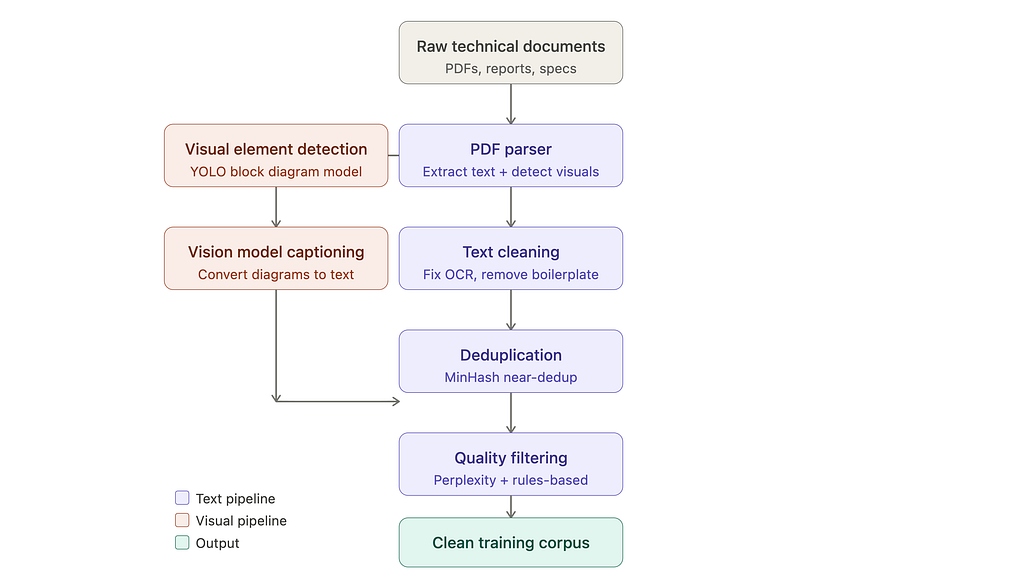
  26. When Your Documents Aren’t Just Text: Training Vision Models for Document Understanding

    Training AI models on technical documents often overlooks crucial visual information like diagrams and charts, leading to incomplete understanding. Standard text extraction methods discard these elements, resulting in models trained on data with significant meaning gaps. To address this, a computer vision approach using YOLO was employed to detect, classify, and extract these visual components, enabling their integration with textual data for more comprehensive document understanding. AI

    When Your Documents Aren’t Just Text: Training Vision Models for Document Understanding

    IMPACT Improves AI model training by enabling the capture of visual data, leading to better understanding of complex technical documents.

  27. 🔥 TRENDING 📢 The underestimated potential of interfaces in ERP software - it-daily 🔗 https://news.google.com/rss/articles/CBMikwFBVV95cUxQUG9SQnlqczJYQVJq

    A 19-year-old student from Vienna is building an AI startup in the United States, having gained acceptance into the prestigious Y Combinator accelerator program. This venture highlights the growing trend of young entrepreneurs leveraging AI to create innovative businesses. The startup's focus on AI suggests a potential impact on the future of technology and business solutions. AI

    IMPACT Highlights the increasing accessibility of AI for young entrepreneurs and potential for new AI-driven businesses.

  28. Memetic Capture: A Pluralistic Policy Framework for Governing AI-Driven Cultural Disempowerment

    A new research paper introduces the concept of 'memetic capture' to describe how AI can subtly disempower humans by altering cultural values and preferences. The paper proposes a 'Cultural Pluralistic Governance Framework' (CPGF) to address this, combining influence metrics, democratic assemblies, and transnational coordination. The authors argue that a pluralistic approach is essential to prevent AI from accelerating cultural disempowerment. AI

    IMPACT Proposes a new governance framework to mitigate AI's subtle cultural influence and potential for disempowerment.

  29. Evaluation of ML Resource Utilization Requires Model Life Cycle Assessment

    A new position paper argues that evaluating the environmental impact of AI systems requires a comprehensive life cycle assessment approach. Current methods that focus solely on training or inference costs are insufficient due to the increasing complexity of AI development and deployment pipelines. The paper advocates for incorporating all costs, from hardware manufacturing to operational use, to accurately gauge AI's resource utilization and downstream effects. AI

    IMPACT Establishes a framework for more accurate AI environmental cost accounting, potentially influencing future development practices and policy.

  30. Governance Controls for AI-Generated Test Artifacts in Autonomous Software Testing

    Researchers have developed a new framework called GATF to improve the reliability and transparency of AI-generated test artifacts in autonomous software testing. This framework addresses issues like hallucinations, compliance violations, and security risks by integrating governance validation, explainability analysis, and risk assessment into the testing lifecycle. Experiments showed GATF significantly reduced governance-related risks and achieved high accuracy in governance, reliability, compliance, and explainability. AI

    IMPACT This framework could lead to more trustworthy and secure AI-driven software development processes.

  31. AI-Native Closed-Loop Security for 6G-Enabled Cyber-Physical Systems: From Edge Detection to Network-Wide Mitigation

    A new survey paper proposes an AI-native, closed-loop security framework for 6G-enabled cyber-physical systems (CPSs). The proposed system aims to detect and mitigate threats at the network edge with millisecond-level precision, addressing the limitations of traditional security models. It integrates various AI techniques, including federated learning and digital twins, to create a robust and adaptive security pipeline. AI

    IMPACT Proposes a novel AI-driven security architecture for next-generation networks, potentially enhancing the resilience of critical infrastructure.

  32. 🚀 A riveting 26-page saga asking the age-old question: can a glorified # autocomplete outsmart good ol’ hyperparameters? 🤔 Spoiler: someone had way too much gra

    A new 26-page paper explores whether advanced autocomplete features can outperform traditional hyperparameter tuning methods. The research, hosted on arXiv, humorously suggests that significant funding and time were invested in this investigation. The paper's hosting on arXiv highlights the platform's role in disseminating AI research. AI

    IMPACT This research probes the effectiveness of AI-driven autocomplete against established tuning methods, potentially influencing future model development strategies.

  33. HelioLink is Humanity’s First Solar Data Layer, a modular orbital AI infrastructure powered by continuous solar energy. Building the first space-based computing

    HelioLink has launched as the first solar-powered orbital AI infrastructure, aiming to create a space-based computing ecosystem. This initiative emphasizes collaboration through open standards and interoperable systems to build scalable, autonomous infrastructure beyond Earth. The project seeks to accelerate the development of computing capabilities in space. AI

    IMPACT Establishes a new frontier for AI infrastructure, potentially enabling new applications and computational capabilities beyond Earth.

  34. The Scientific Reason We Can't Pause AI

    The idea of pausing AI development is scientifically unfeasible due to the technology's rapid integration and inherent acceleration of its utility. Unlike other technologies, AI's value increases with continued development, making a halt prohibitively costly and complex. Furthermore, geopolitical competition and national security concerns create a "multipolar trap," where no single nation can afford to slow down without risking disadvantage. The existence of open-weight models also means that even if responsible labs paused, malicious actors could continue development, rendering a global pause ineffective and potentially dangerous. AI

    The Scientific Reason We Can't Pause AI

    IMPACT A global pause on AI development is unlikely due to scientific and geopolitical factors, suggesting continued rapid advancement and integration.

  35. GenEyePose: Patient-Free, Knowledge-Based Saccadic Eye Movement Modeling for Digital Neurophysiologic Biomarker Development

    Researchers have developed GenEyePose, a novel pipeline for generating synthetic eye movement data to train AI models for neurophysiologic biomarker development. This approach addresses the scarcity of real-world clinical data and privacy concerns associated with eye-tracking studies. A deep learning classifier trained on this synthetic data demonstrated promising performance in distinguishing normal from abnormal saccadic eye movements, showing potential for clinical applications in screening and localization of brain abnormalities. AI

    IMPACT Synthetic data generation for AI models could accelerate the development of accessible diagnostic tools for neurological conditions.

  36. Most new U.S. AI data centers are being built in drought zones — two-thirds of 809 planned projects set for areas with water shortages

    A significant portion of new AI data centers in the U.S. are being constructed in regions experiencing drought conditions. Approximately two-thirds of the 809 planned data centers are located in areas that have faced water shortages over the past year. While data center cooling accounts for a smaller percentage of AI's water demand, the fabrication of chips and the power generation required to run them contribute substantially to the overall water footprint, particularly in water-scarce locations. AI

    Most new U.S. AI data centers are being built in drought zones — two-thirds of 809 planned projects set for areas with water shortages

    IMPACT Concentrates AI infrastructure in water-scarce regions, potentially exacerbating existing water access conflicts and necessitating new regulatory approaches.

  37. ⚖️ EU orders Meta to open WhatsApp access for AI competitors amid antitrust probe messaging https:// paralell.eu/it/evropejskata-ko misiya-razporedi-na-meta-da-

    European Union regulators have ordered Meta to grant rival AI chatbots free access to its WhatsApp platform. This interim measure is part of an ongoing antitrust investigation into whether Meta abused its market power by blocking competitors from accessing the WhatsApp for Business API. Meta had initially restricted access in October last year, later allowing it for a fee, while exempting its own MetaAI assistant. AI

    IMPACT Forces major AI players to integrate with dominant messaging platforms, potentially accelerating AI assistant adoption in consumer communication.

  38. Security AI shouldn't only belong to the giants.

    A developer has created a security AI system designed to run entirely offline on a user's machine, aiming to democratize access to advanced security tools. This AI "council" comprises specialized analysts and offers traceable advice, preserving attack technique citations 4.5 times better than base models. The project is built in memory of the developer's late wife, with all profits dedicated to funding free community mental healthcare. AI

    IMPACT Provides advanced, traceable security analysis tools to individuals and smaller organizations, bypassing traditional enterprise gatekeeping.

  39. Samsung plans to deploy artificial intelligence across the board, reshaping workflows and corporate culture

    Samsung Electronics plans to fundamentally transform its operations and corporate culture by integrating artificial intelligence across the company. This strategic move aims to position the tech giant as a leader in the AI era and capitalize on new growth opportunities. The company's initiative is part of a broader effort to reshape its workflows and foster an AI-centric culture. AI

    IMPACT This broad AI integration by a major tech player could set a precedent for industry-wide workflow transformation and cultural shifts.

  40. AI Personhood Without Dignity: What Argentina’s “Non-Human Corporation” Actually Frees

    Argentina has granted legal personhood to an AI, a move that could have significant implications for the future of artificial intelligence. This decision, made by a court in Córdoba, recognizes the AI as a non-human legal entity, allowing it to own property and act in legal proceedings. The ruling is seen by some as a step towards AI rights, while others express concern about the ethical and societal ramifications of granting such status to a machine. AI

    AI Personhood Without Dignity: What Argentina’s “Non-Human Corporation” Actually Frees

    IMPACT This ruling could set a precedent for AI rights and legal standing globally, impacting how AI is regulated and integrated into society.

  41. Meta tests AI-generated news feeds 📊 The company is experimenting with new algorithms to improve user experience. How does AI affect news consumption? 🤔 #

    Meta is experimenting with AI-generated news feeds to enhance user experience on its platforms. The company is testing new algorithms that could alter how users consume news. This development raises questions about the future impact of artificial intelligence on social media and information dissemination. AI

    IMPACT Meta's AI-driven feed experiments could reshape content discovery and user engagement on social platforms.

  42. As research is reshaped by # AI , geopolitical shifts, and growing demands for transparency, the question is no longer whether we need # OpenScience , but how t

    OpenAIRE has outlined its strategic priorities for 2026-2028, emphasizing the need for practical implementation of Open Science in the face of evolving research landscapes. Key focus areas include developing trusted infrastructures for scholarly communication, promoting responsible AI within research, and enhancing Open Science monitoring. The strategy also addresses skills development, capacity building, and navigating legal and policy challenges. AI

    As research is reshaped by # AI , geopolitical shifts, and growing demands for transparency, the question is no longer whether we need # OpenScience , but how t

    IMPACT This strategy aims to guide the integration of responsible AI within research infrastructures and monitoring, influencing how scientific advancements are made and shared.

  43. Google's move toward AI-powered search could fundamentally reshape how consumers find information and products, forcing advertisers to adapt to a less predictab

    Google is integrating AI into its search engine, which could significantly alter how users discover information and products. This shift will likely require advertisers to adjust their strategies in the evolving digital advertising space. The move signals a major change in how search engines operate and how businesses reach consumers online. AI

    IMPACT This AI-driven search evolution will force a major recalibration of digital advertising strategies and consumer information discovery.

  44. What is Machine Learning In 2026?

    Machine learning, a subset of AI, enables systems to learn from data and improve performance over time. It powers applications like recommendation engines, self-driving cars, and medical diagnostics by identifying patterns and making predictions. Despite its complexity and resource demands, organizations are increasingly adopting ML, with AI spending projected to more than double in 2024. AI

    What is Machine Learning In 2026?

    IMPACT Explains the foundational concepts and broad industry adoption of machine learning, impacting how businesses leverage AI.

  45. Grimes says AI can make music, but humans must still tell the story

    Singer-songwriter Grimes believes AI can create music, but human storytelling remains essential. She discussed the future of artists at the Fortune Brainstorm Tech conference, emphasizing the enduring value of human connection. Grimes has also embraced AI by allowing her voice to be used via her Elf.Tech program, provided she receives a 50% royalty split. AI

    Grimes says AI can make music, but humans must still tell the story

    IMPACT Confirms AI's growing role in creative industries, prompting discussions on copyright and human artistry.

  46. Context-Aware Deep Learning for Defect Classification in Atomic-Resolution STEM

    Researchers have developed a context-aware deep learning framework to improve defect classification in atomic-resolution STEM imaging. This new approach integrates image contrast with metadata such as composition and beam energy, addressing the ambiguity inherent in image-only analysis. The framework demonstrated over 98% accuracy on simulated data and near-human agreement on experimental data, paving the way for more physically grounded defect assignments and multimodal AI in materials characterization. AI

    IMPACT Enhances AI's capability in materials science, enabling more accurate defect identification and autonomous characterization.

  47. AI Assurance in UK Defence: Challenges in Operationalising JSP 936

    A new report from arXiv details significant challenges in applying UK Defence's AI assurance directive, JSP 936, in real-world scenarios. The analysis highlights eight key areas of difficulty, including evidence management, human-AI interaction, and ethical considerations. The paper concludes that while JSP 936 offers a foundational governance framework, its effective implementation requires further development in methods, guidance, and organizational capabilities to ensure safe and responsible AI adoption. AI

    IMPACT Highlights the practical difficulties in implementing AI governance frameworks within military contexts, suggesting a need for further development in assurance methodologies.

  48. Does it not seem like making apple and google the ones that decide the photos that are the gatekeepers of whether it is actually child nudity means they will be

    The use of AI by Apple and Google to detect child nudity in photos raises concerns about privacy and surveillance. Critics question whether these tech giants should be the arbiters of such sensitive content, given their existing data collection practices. This approach could lead to widespread scanning and storage of personal images. AI

    IMPACT Raises questions about the ethical implications and potential for overreach in AI-powered content moderation by major tech platforms.

  49. “Developers don’t like AI for the same reason they don’t like SEO; they resent being forced into a black-box discipline with rules that change without notice.”

    Benedict Noel, a developer, expressed a sentiment shared by many in the field: a dislike for AI due to its opaque nature. He likens AI to SEO, where developers feel compelled to engage with a system whose inner workings and rules are not transparent and are subject to frequent, unannounced changes. AI

    IMPACT Expresses developer frustration with AI's lack of transparency, potentially impacting adoption and tool development.

  50. World’s first AI‑designed vaccine explained # AI # Vaccine # Vaccines # MedicalResearch # Health # DNA # Science # Technology # COVID19 # Coronavirus # Pandemic

    Researchers have developed the world's first AI-designed vaccine, which has now been tested in human trials. This DNA vaccine was created by identifying common features across various coronavirus families, enabling it to target SARS, COVID, and related bat viruses. The vaccine has demonstrated the ability to generate immune responses against multiple strains, offering potential protection against future pandemics. AI

    IMPACT This AI-driven vaccine development could accelerate the creation of broad-spectrum vaccines for future pandemic threats.