PulseAugur / Brief
EN
LIVE 15:48:06

Brief

last 24h
[50/3896] 224 sources

Multi-source AI news clustered, deduplicated, and scored 0–100 across authority, cluster strength, headline signal, and time decay.

  1. How 🤗 Accelerate runs very large models thanks to PyTorch

    Hugging Face's Accelerate library now supports running very large language models by leveraging PyTorch's fully sharded data parallelism (FSDP). This integration allows for efficient distribution of model parameters, gradients, and optimizer states across multiple GPUs, significantly reducing memory requirements per device. The update enables users to train and infer with models that would otherwise be too large to fit into the memory of a single GPU, making advanced AI more accessible. AI
    How 🤗 Accelerate runs very large models thanks to PyTorch
  2. Welcoming Heroku Users to Replit

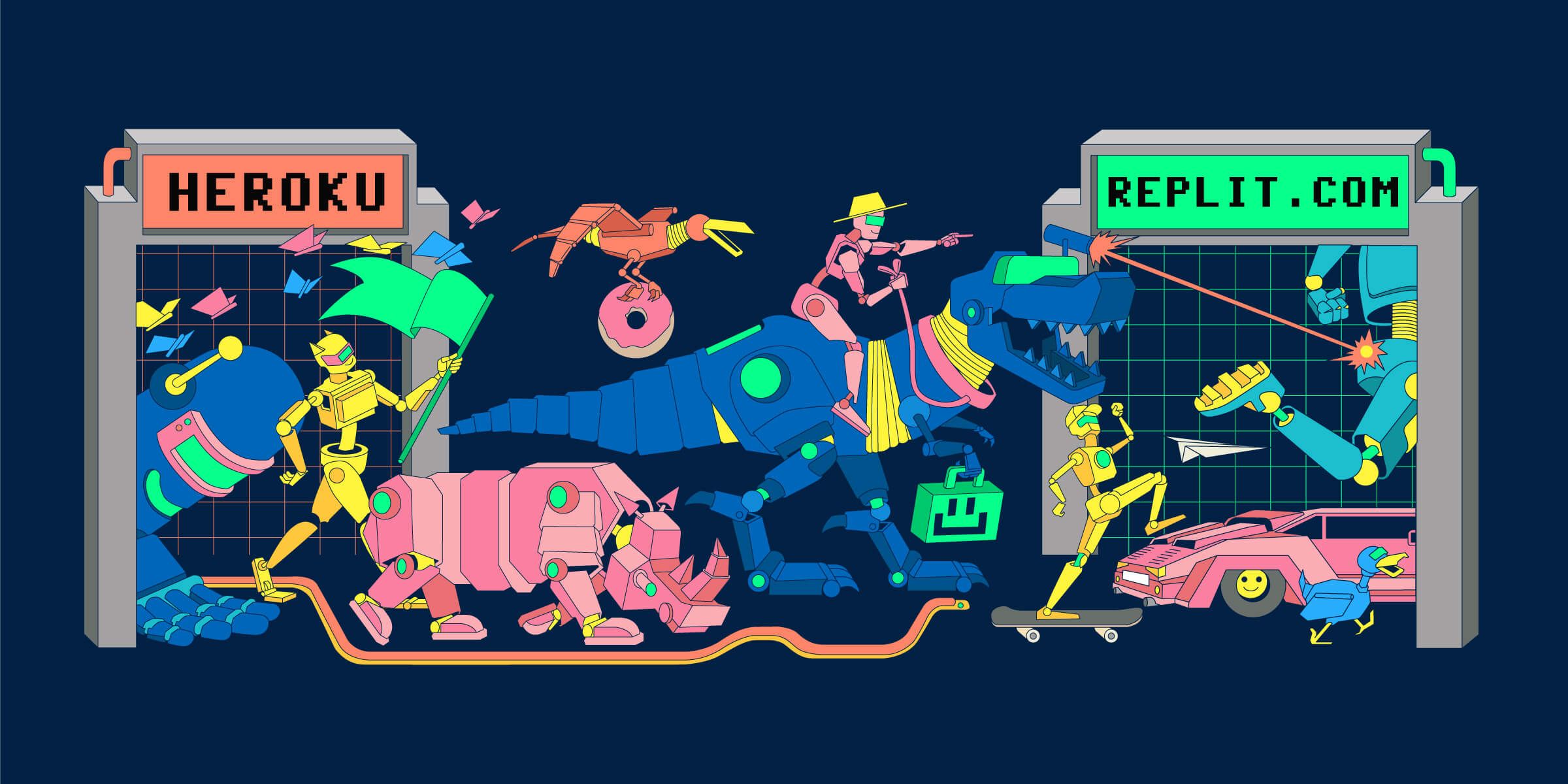
    Replit is actively recruiting users migrating from Heroku following the latter's discontinuation of free hosting. The platform is enhancing its hosting capabilities with a focus on performance, reliability, and scalability, aiming to provide robust free options alongside a credit-based system called Cycles for elastic resource needs. Replit has also developed a streamlined import tool to facilitate the transition for Heroku users and is introducing new features like a dedicated deployment product, LLM integration, and expanded storage. AI
    Welcoming Heroku Users to Replit

    IMPACT Replit's expansion of hosting and integration of LLMs could lower barriers for developers building AI-powered applications.

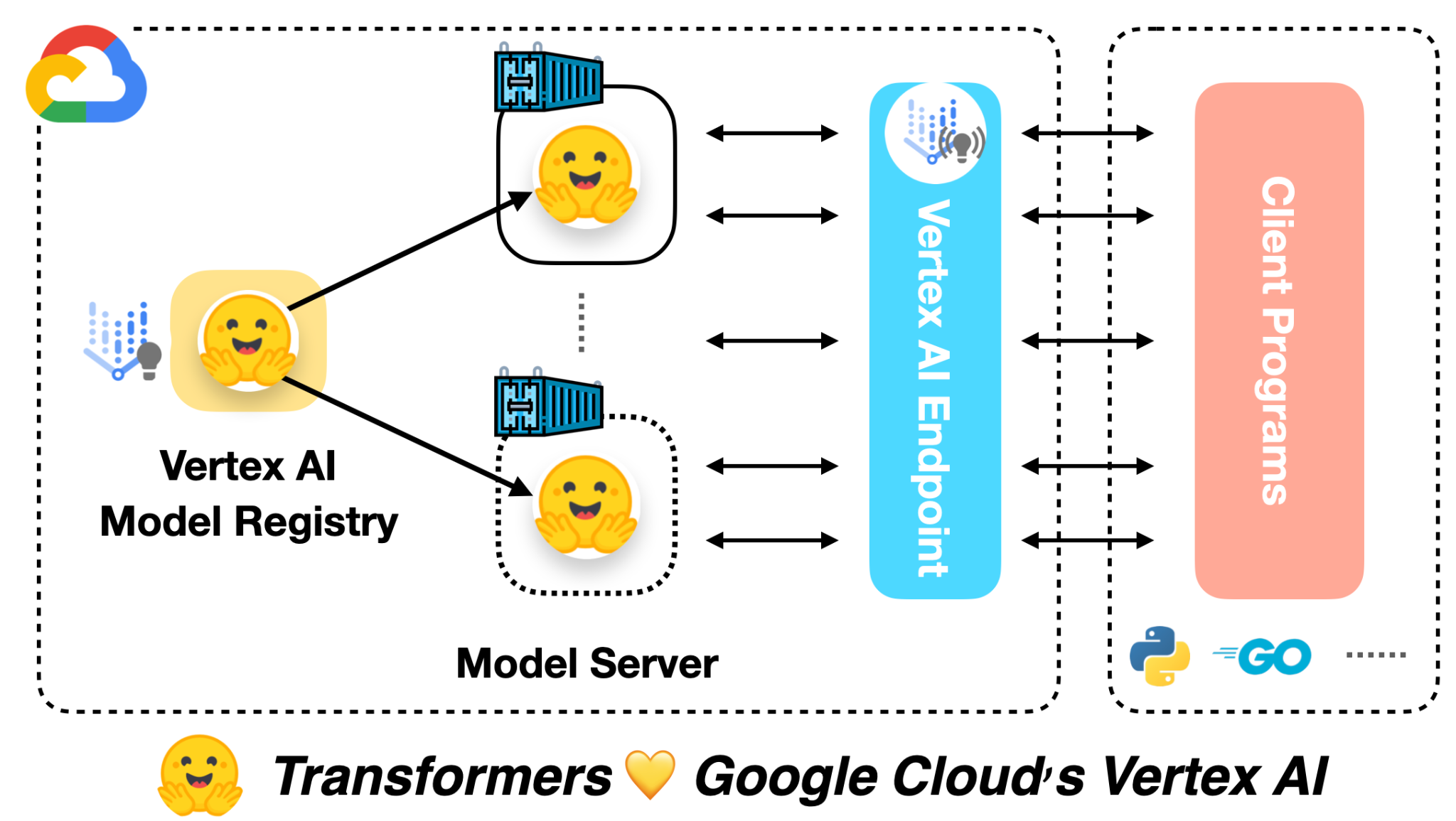
  3. Deploying 🤗 ViT on Vertex AI

    Hugging Face has released a guide detailing how to deploy its Vision Transformer (ViT) models on Google Cloud's Vertex AI platform. The guide provides step-by-step instructions for users to leverage Vertex AI's infrastructure for hosting and serving ViT models, enabling efficient image analysis applications. This integration aims to simplify the process of putting advanced computer vision models into production environments. AI

    Deploying 🤗 ViT on Vertex AI
  4. Show HN: Integrate.ai – Machine learning and analytics on hard-to-access data

    Integrate.ai has launched a platform designed to enable machine learning and analytics on sensitive or hard-to-access data without requiring data centralization. The tool leverages federated learning and differential privacy, allowing models to be trained locally on distributed data sources. This approach addresses challenges in sectors like healthcare, finance, and manufacturing where data privacy, confidentiality, or technical hurdles prevent traditional data aggregation. AI

    IMPACT Enables new ML applications in sensitive data domains by removing data access barriers.

  5. Introducing Skops

    Hugging Face has introduced Skops, a new library designed to simplify the process of sharing and deploying machine learning models. Skops aims to make it easier for developers to package their models, along with their dependencies and configurations, into a standardized format. This standardization facilitates seamless integration with various platforms and workflows, promoting greater interoperability within the ML ecosystem. AI

    Introducing Skops
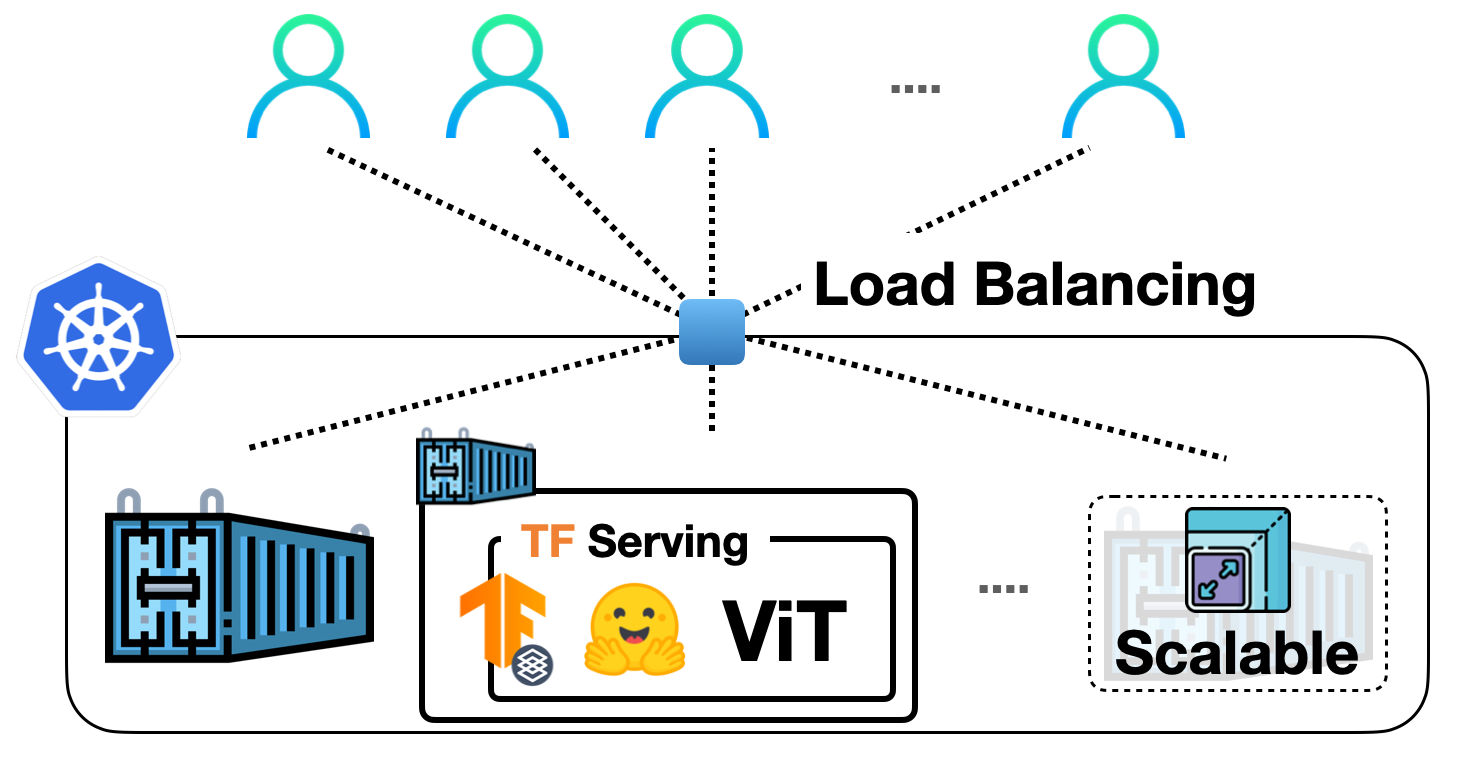
  6. Deploying 🤗 ViT on Kubernetes with TF Serving

    This post details how to deploy a Vision Transformer (ViT) model on Kubernetes using TensorFlow Serving. It outlines the steps for containerizing the model and setting up a scalable inference service. The guide aims to simplify the process of bringing computer vision models into production environments. AI

    Deploying 🤗 ViT on Kubernetes with TF Serving
  7. Introducing the Private Hub: A New Way to Build With Machine Learning

    Hugging Face has launched the Private Hub, a new offering designed to provide enhanced privacy and security for machine learning development. This feature allows users to keep their models, datasets, and spaces private, catering to enterprises and individuals with sensitive data. The Private Hub aims to facilitate secure collaboration and deployment within organizations. AI

    Introducing the Private Hub: A New Way to Build With Machine Learning
  8. Zero-Click Auth For Your Apps

    Replit has introduced Repl Identity, a new feature that allows applications running on its platform to securely verify user requests. This system generates a PASETO token, signed by Replit's infrastructure, which contains verifiable information about the user and their repl. Developers can use this token to authenticate users for features like high score tables, social interactions, or multiplayer games without needing to implement separate authentication systems. AI

    Zero-Click Auth For Your Apps

    IMPACT Enables developers to build more interactive and secure applications on Replit without complex authentication setups.

  9. Revamping the GitHub Import Flow

    Replit has enhanced its GitHub import functionality by integrating Nix, a package manager, into the process. This update aims to streamline the import experience, making it faster and more intuitive for users. The new flow leverages Nix to better manage dependencies and configurations, ensuring that imported repositories align seamlessly with Replit's development environment. AI

    Revamping the GitHub Import Flow

    IMPACT Streamlines developer workflows by improving code import processes, potentially accelerating development cycles for AI projects hosted on Replit.

  10. Worldwide Repls, part 1: The Control Plane

    Replit has successfully implemented a control plane to manage its infrastructure, separating it from the data plane that handles user requests. This architectural change aims to improve the speed and reliability of hosting user projects, particularly for those located outside the United States. The previous global routing attempt failed due to limitations in load balancer control, leading to unintended latency increases, prompting the development of this new control plane. AI

    Worldwide Repls, part 1: The Control Plane

    IMPACT Improves latency for global users of the Replit development platform.

  11. Improving Domain Linking for Repls

    Replit has enhanced its custom domain linking feature, introducing direct apex domain support, a new "magic domain linking" option, and the ability to link multiple domains to a single Repl. These updates streamline the process by verifying DNS records instead of relying solely on proxy routes, making it more efficient. The new system also accommodates services like Cloudflare by adding TXT record verification, and a dedicated proxy handles apex domains, simplifying setup for users. AI

    Improving Domain Linking for Repls

    IMPACT Streamlines deployment for developers using Replit, enabling easier custom domain integration for their projects.

  12. Machine learning in your database

    Montana Low and Lev Kokotov have developed PostgresML, an extension for the Postgres database that enables users to train and deploy machine learning models directly within the database using SQL. This innovation allows for online predictions without needing to move data out of the database, streamlining the machine learning workflow. The discussion highlights the practical applications and benefits of integrating ML capabilities into existing database systems. AI

    Machine learning in your database
  13. Launch HN: Dioptra (YC W22) – Improve ML models by improving their training data

    UpTrain, a Y Combinator W23 startup, has launched an open-source platform for monitoring the performance of machine learning models. Separately, Dioptra, a Y Combinator W22 company, offers tools to enhance ML models by improving their training data. AI

    IMPACT New tools emerge for ML practitioners to monitor model performance and refine training data quality.

  14. Gradio 3.0 is Out!

    Gradio 3.0 has been released, introducing a new Blocks API that allows for more flexible and customizable user interfaces for machine learning models. This update enables developers to create complex layouts and interactive elements beyond the standard input/output components. The new API aims to provide greater control over the user experience, facilitating the creation of sophisticated demos and applications. AI

    Gradio 3.0 is Out!
  15. Accelerate Large Model Training using DeepSpeed

    Hugging Face has released new guides detailing how to accelerate the training of large AI models. The guides focus on two key technologies: DeepSpeed and PyTorch's Fully Sharded Data Parallel (FSDP). By implementing these techniques, developers can more efficiently train complex models, potentially reducing computational costs and time. AI

    Accelerate Large Model Training using DeepSpeed
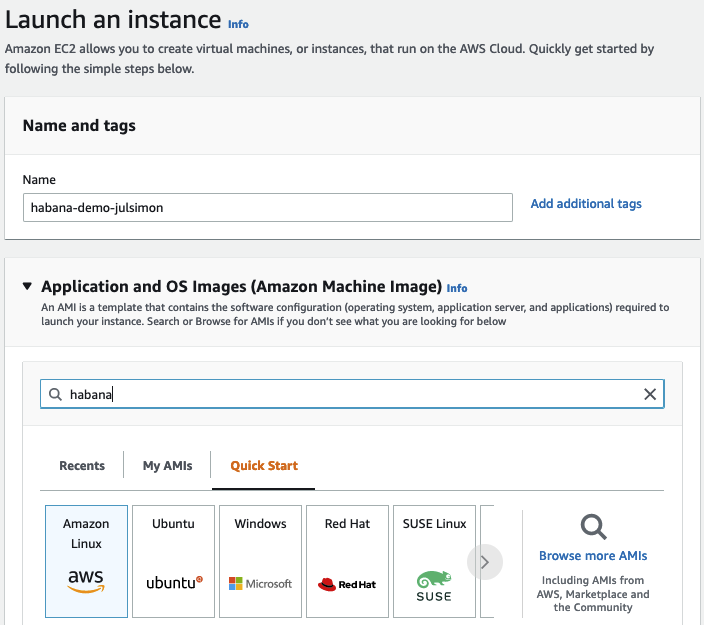
  16. Getting Started with Transformers on Habana Gaudi

    Hugging Face has released a guide detailing how to utilize their popular Transformers library on Habana Gaudi accelerators. This guide provides instructions and code examples for developers to leverage Gaudi hardware for training and inference tasks. The aim is to make AI development more accessible and efficient by enabling the use of specialized hardware with a widely adopted software framework. AI

    Getting Started with Transformers on Habana Gaudi
  17. Habana Labs and Hugging Face Partner to Accelerate Transformer Model Training

    Habana Labs and Hugging Face have announced a partnership aimed at speeding up the training of transformer models. This collaboration will integrate Habana's Gaudi deep learning accelerators with Hugging Face's popular libraries and platforms. The goal is to provide developers with more efficient tools for training large AI models. AI

    Habana Labs and Hugging Face Partner to Accelerate Transformer Model Training
  18. ~Don't~ Repeat Yourself

    The Hugging Face Transformers library emphasizes a design philosophy centered around avoiding repetition and promoting code reuse. This approach aims to make the library more maintainable and easier for developers to work with. By adhering to principles like DRY (Don't Repeat Yourself), the library ensures consistency and efficiency in its extensive collection of pre-trained models and tools. AI

    ~Don't~ Repeat Yourself
  19. We Built a Search Engine

    Replit has launched a new, powerful search engine designed to help users find content within its platform in under 30 seconds. The engine indexes a wide range of items, including Repls, templates, code, users, and community content. This initiative addresses a significant user pain point, as 80% of users previously abandoned the search function due to its ineffectiveness. Replit built the search engine using Elasticsearch for indexing and Apache Spark for data pipelines, with plans to expand code search capabilities to all files in every Repl. AI

    We Built a Search Engine

    IMPACT Improves discoverability of code and community content, potentially aiding AI development and learning.

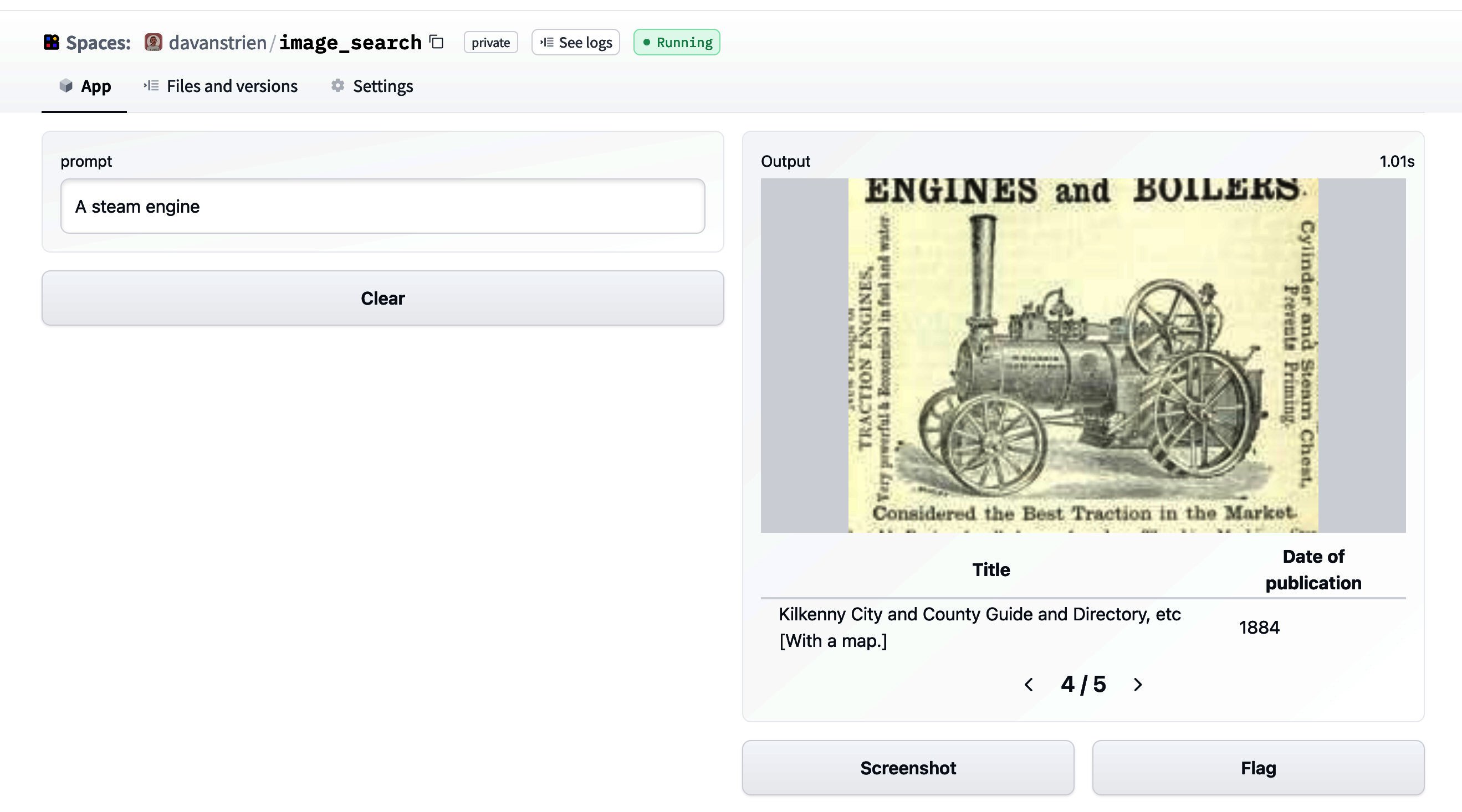
  20. Image search with 🤗 datasets

    Hugging Face has introduced a new image search capability within its datasets library. This feature allows users to perform visual similarity searches on image datasets directly through the Hugging Face Hub. The integration aims to streamline the process of finding and utilizing relevant visual data for AI model training and research. AI

    Image search with 🤗 datasets
  21. Deploying models (to tractors 🚜)

    ClearML and Greeneye are deploying thousands of machine learning models annually, specifically for agricultural applications on tractors. This involves sophisticated MLOps solutions designed to handle the unique challenges of deploying AI in farming environments. The discussion highlights the practical implementation of AI at scale for a non-traditional industry. AI

    Deploying models (to tractors 🚜)
  22. Making new Python repls 100x faster to start up

    Replit has significantly improved the startup speed for new Python repls by implementing a new caching mechanism. This update addresses issues with large package sizes and lengthy installation times that previously made some Python environments unusable. The new system leverages content-addressable caching for individual files within packages, allowing for symbolic links instead of full copies, which drastically reduces disk space usage and speeds up repl initialization. AI

    Making new Python repls 100x faster to start up

    IMPACT Accelerates development workflows for AI/ML practitioners using Python on the Replit platform.

  23. Launch HN: Sieve (YC W22) – Pluggable APIs for Video Search

    Sieve, a video data research lab, has launched its platform offering petabytes of curated video data for AI applications. The service provides various data types, including general, cinematic, and paired media, with dense annotations and embeddings for instant searchability. Sieve's API is designed for scalability and security, catering to AI labs, Fortune 100 companies, and generative AI startups. AI

    Launch HN: Sieve (YC W22) – Pluggable APIs for Video Search

    IMPACT Provides specialized video data infrastructure crucial for training advanced AI models.

  24. Understanding Repl Resource Utilization

    Replit's engineering team has developed a custom load balancer to address limitations with Google Cloud Load Balancer (GCLB). The existing GCLB struggled to ensure user-created containers were geographically close to the user, leading to latency issues. Additionally, Replit observed uneven load distribution across their fleet, causing some machines to be overloaded while others were underutilized, negatively impacting user experience and stability. Their new load balancer aims to improve container placement and balance the workload more effectively. AI

    Understanding Repl Resource Utilization

    IMPACT Improved infrastructure for a coding platform may indirectly benefit AI development by providing a more stable and performant environment for users.

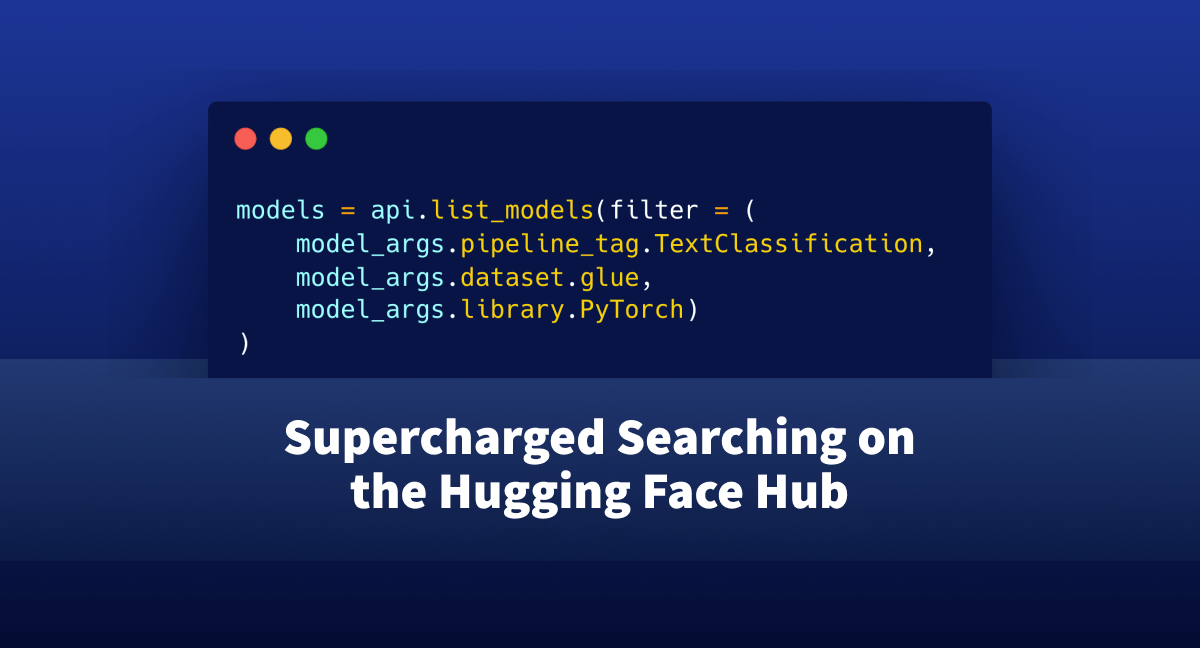
  25. Supercharged Searching on the 🤗 Hub

    Hugging Face has significantly upgraded its search functionality on the Hub, introducing a new search engine that promises faster and more relevant results. This enhancement aims to improve the discoverability of models, datasets, and Spaces by leveraging advanced techniques. The update is expected to streamline the workflow for AI developers and researchers utilizing the platform. AI

    Supercharged Searching on the 🤗 Hub
  26. Going Where the Next Billion Creators Are

    Replit has launched a significantly re-architected mobile IDE, aiming to improve the user experience for coding on smartphones and other mobile devices. The previous version suffered from performance issues and a clunky interface due to its Redux-based plugin architecture, leading to lag and crashes on lower-powered devices. The new build utilizes a simpler render tree and a service-oriented architecture, moving the source of truth to the backend to reduce memory footprint and enhance maintainability. This overhaul has already shown up to a 2x increase in weekly mobile retention during A/B testing. AI

    Going Where the Next Billion Creators Are

    IMPACT Enhances developer tooling, potentially lowering the barrier for new creators to enter software development via mobile devices.

  27. Migrating our Web App from Heroku to GCP

    Replit has completed its migration from Heroku to Google Cloud Platform to better support its mission of onboarding new software creators. The process involved several stages, including prototyping, migrating Postgres and Redis databases to GCP, and finally moving the front-end application. The migration required meticulous planning and multiple practice runs to minimize user downtime, with two 15-minute maintenance windows used to switch over the databases. AI

    Migrating our Web App from Heroku to GCP

    IMPACT Minimal direct impact on AI operations; focuses on web application infrastructure migration.

  28. Launch HN: Nyckel (YC W22) – Train and deploy ML classifiers in minutes

    Nyckel, a Y Combinator-backed startup, has launched a platform designed to simplify the creation and deployment of machine learning classifiers for developers without prior ML experience. The service allows users to train models for image and text classification in minutes using minimal labeled data, abstracting away complex ML concepts. Nyckel's AutoML engine utilizes meta transfer learning and parallel processing to achieve rapid training times, with deployed models accessible via a REST API. AI

    IMPACT Simplifies ML adoption for developers, potentially increasing the use of AI in applications.

  29. Implementing RUI, Replit's Design System

    Replit has developed a design system called RUI to address inconsistencies and inefficiencies in its user interface. The system aims to cover most design needs while remaining intuitive and powerful, leveraging React and exploring various styling approaches. After evaluating options like Styled JSX, Styled Components, Tailwind, Style props, and CSS prop, Replit opted for a solution that balances ease of use with robust styling capabilities. AI

    Implementing RUI, Replit's Design System

    IMPACT Streamlines UI development for a popular coding platform, potentially improving developer experience and productivity.

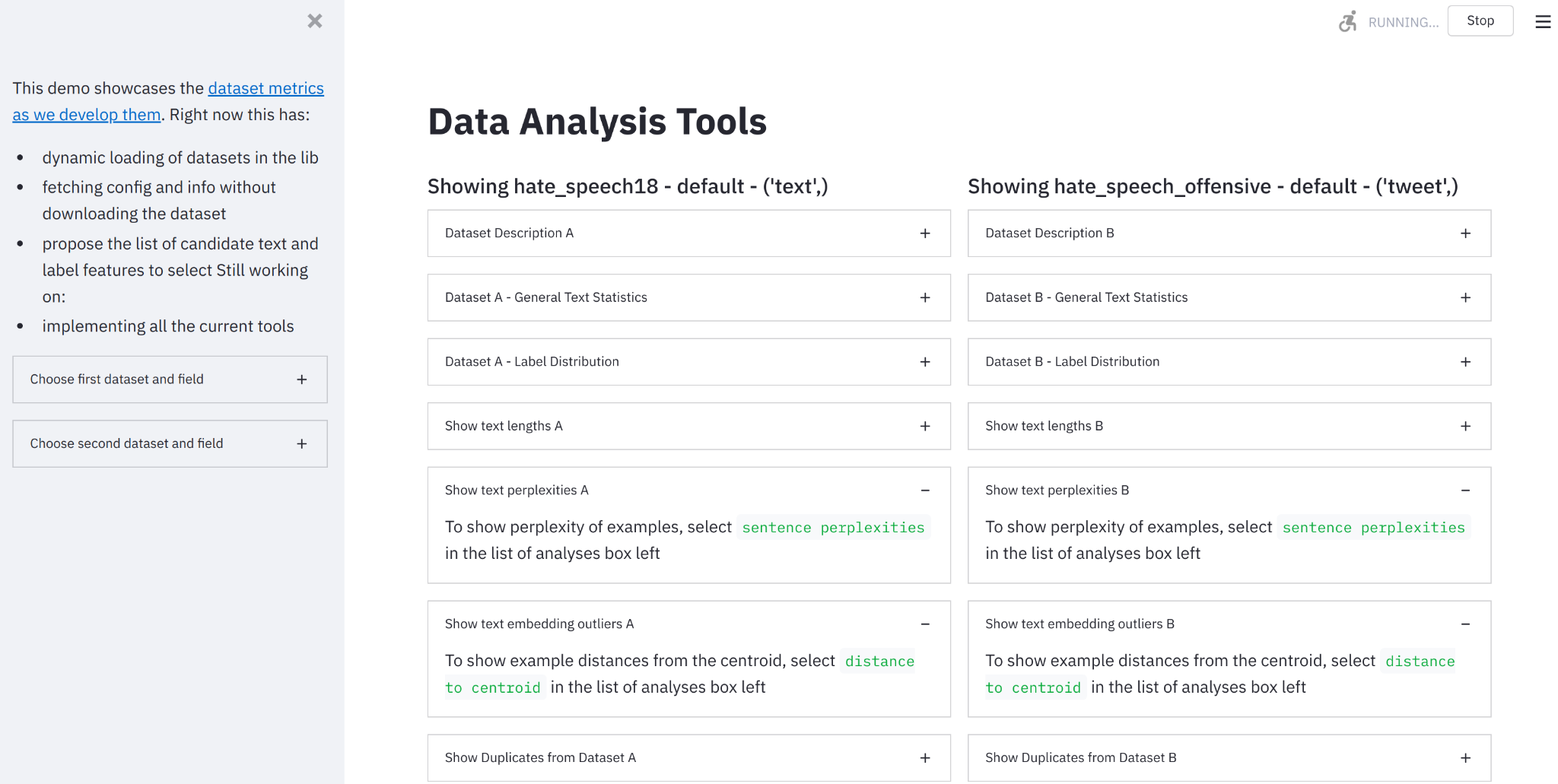
  30. Introducing the Data Measurements Tool: an Interactive Tool for Looking at Datasets

    Hugging Face has released a new interactive tool designed to help users analyze and understand datasets. This tool provides insights into various aspects of data, enabling better dataset evaluation and selection. It aims to improve the overall quality and usability of data within the AI community. AI

    Introducing the Data Measurements Tool: an Interactive Tool for Looking at Datasets
  31. Show HN: Morning Brief – Track any topic on HN, Reddit and others

    Morning Brief is a new product from two indie cofounders designed to aggregate and deliver personalized, summarized articles based on user-specified interests. The service ingests content from platforms like Hacker News, Reddit, and Twitter, employing custom semantic tagging and summarization models to ensure relevance and quality. While initially conceived as a weekend project, it has evolved into a significant undertaking requiring custom infrastructure and AI components to deliver timely, curated content effectively. AI

    IMPACT Offers a personalized content aggregation service using custom AI models for tagging and summarization.

  32. Announcing File Persistence in Hosted Apps for Hackers

    Replit has expanded its file persistence feature for hosted applications to all users, after initially releasing it to "Hackers" and "Teams" subscribers. This feature allows applications to save file changes, enabling more complex app development and data storage. The company initially limited the rollout to observe infrastructure impact and identify potential bugs at scale, which proved successful. AI

    Announcing File Persistence in Hosted Apps for Hackers

    IMPACT Enables developers to build more complex applications on the Replit platform.

  33. Design Systems @ Replit: Better Tokens

    Replit has revamped its design system, RUI, by first focusing on foundational 'tokens.' These tokens represent core visual attributes like colors, spacing, and typography, serving as a common language for designers and engineers. The system was improved with clearer, use-case-based naming conventions and strict typing to reduce errors and cognitive load. This effort resulted in a more streamlined set of 72 distinct tokens, enhancing the efficiency of creating new interfaces and ensuring consistency across the platform. AI

    Design Systems @ Replit: Better Tokens

    IMPACT Internal tooling improvement; minimal industry-wide impact.

  34. Enter the Shadows with Dark Mode

    Replit has launched a new dark mode feature for its online coding platform. This update is part of ongoing work to improve Replit's design system, making it easier to implement interface changes and enhance accessibility. The company plans to leverage this new infrastructure for future features like custom themes. AI

    Enter the Shadows with Dark Mode

    IMPACT Minimal direct impact on AI operations; primarily a user interface enhancement for a development platform.

  35. Showcase Your Projects in Spaces using Gradio

    Hugging Face has updated its Spaces platform to better integrate with Gradio, a popular open-source Python library for building machine learning demos. This enhancement allows users to more easily showcase their AI projects directly within the Hugging Face ecosystem. The integration aims to simplify the process of deploying and sharing interactive AI applications with a wider audience. AI

    Showcase Your Projects in Spaces using Gradio
  36. From notebooks to Netflix scale with Metaflow

    Ville Tuulos, the creator of Metaflow, discussed his book "Effective Data Science Infrastructure" and the challenges of scaling AI/ML workflows. Metaflow was developed at Netflix to enable data scientists to manage and execute their work across diverse infrastructure, including GPU clusters. The conversation highlighted the practical aspects of moving AI projects from development environments to production-scale operations. AI

    From notebooks to Netflix scale with Metaflow
  37. Convert Transformers to ONNX with Hugging Face Optimum

    Hugging Face has released Optimum, a new toolkit designed to optimize Transformer models for various hardware accelerators. This initiative includes partnerships with hardware vendors like Graphcore, enabling users to run models more efficiently on specialized hardware such as IPUs. The toolkit supports conversion to ONNX format, further enhancing model performance and deployment flexibility across different platforms. AI

    Convert Transformers to ONNX with Hugging Face Optimum
  38. Data Loss: a sad tale with a happy ending

    Replit has detailed a critical data loss incident that affected some users earlier this year, where repls would become empty or changes would not be saved. The issue was exacerbated by a recent deployment, revealing long-standing bugs that were silently corrupting data. Replit implemented a multi-pronged fix including improved logging, salvaging partially corrupt data, ensuring no corrupt data could be persisted, and running a batch pipeline to restore older repls, ultimately resolving the problem by the end of July. AI

    Data Loss: a sad tale with a happy ending

    IMPACT Ensures reliability for users of the Replit development platform, preventing data loss.

  39. Stellar inference speed via AutoNAS

    Deci has launched a new inference platform designed to help AI developers create, refine, and deploy highly efficient deep learning models across various hardware. The platform, featuring technology like AutoNAS, aims to significantly accelerate inference speeds, making AI model deployment faster and more accessible. This development is particularly notable for its focus on optimizing performance on existing hardware, including Intel CPUs. AI

    Stellar inference speed via AutoNAS
  40. Making Replit Faster for Everyone

    Replit has implemented several infrastructure and code optimizations to significantly improve the speed and performance of its coding environment. These enhancements include separating workspace editing VMs from hosting VMs, which has resulted in a 10-20% speed increase for active editing. Additionally, Replit has upgraded its processors for Teams and Hacker plan subscribers to newer Cascade Lake chips, yielding an immediate 20% performance boost. AI

    IMPACT Enhances the user experience for developers on the Replit platform, potentially increasing adoption and productivity.

  41. Anaconda + Pyston and more

    Anaconda has partnered with Pyston, a Python interpreter fork designed for enhanced performance. This collaboration aims to expand the development of open-source projects. The announcement was made during a discussion that also covered Anaconda's "State of Data Science" survey, which includes insights on AutoML and model bias. AI

    Anaconda + Pyston and more
  42. Replit²

    Replit has introduced Replit², a new feature that allows developers to use Replit as a secure compute environment for specialized applications. This enables the creation of tools that generate and execute code for users, or specialized online IDEs that run user-submitted code. The system utilizes Nix for package management, allowing for the installation of various language interpreters and binaries to build custom compute nodes that can execute arbitrary code via an API. AI

    IMPACT Enables developers to build and deploy specialized AI applications by providing a secure and scalable compute backend.

  43. Deploy models on AWS Inferentia2 from Hugging Face

    Hugging Face has partnered with Amazon Web Services to simplify the deployment of AI models. Users can now easily deploy models from Hugging Face onto AWS Inferentia2 instances using Hugging Face Inference Endpoints. Additionally, the integration with Amazon SageMaker allows for straightforward deployment of Hugging Face models within the SageMaker ecosystem. AI

    Deploy models on AWS Inferentia2 from Hugging Face
  44. Dynamic version for Nix derivations

    Replit is migrating its development environments from Docker to Nix to improve tooling deployment speed and reduce image size. While Docker provides containerization for reproducible environments, it has limitations in ensuring reproducible builds and composing multiple images. Nix, a package and configuration manager, offers a more robust approach to reproducible builds by isolating dependencies and configurations, though it requires careful version management for its derivations. AI

    IMPACT Replit's migration to Nix could streamline development workflows and improve the efficiency of deploying tools within their platform, potentially benefiting users who rely on these environments.

  45. Multi-GPU training is hard (without PyTorch Lightning)

    William Falcon, the creator of PyTorch Lightning, discussed his platform designed to simplify multi-GPU training and accelerate AI model development. PyTorch Lightning acts as a wrapper for PyTorch, enabling efficient training across various hardware like GPUs, TPUs, and CPUs without code modifications. Falcon also highlighted Grid AI, a platform built on PyTorch Lightning, which facilitates cloud-based training of numerous machine learning models directly from a user's laptop. AI

    Multi-GPU training is hard (without PyTorch Lightning)
  46. How we went from supporting 50 languages to all of them

    Replit has integrated Nix, a declarative package manager, into its infrastructure to provide users with access to over 30,000 OS packages instantly. This move eliminates the need for Replit to maintain a monolithic Docker image, offering greater flexibility and enabling users to utilize any programming language or install any package with minimal effort. The integration involves mounting a shared 1 terabyte disk image containing all Nix packages, allowing environments to be populated with only the necessary dependencies. AI

    How we went from supporting 50 languages to all of them

    IMPACT Enhances developer environments, potentially speeding up AI development workflows by simplifying package management.

  47. Why We Built Our Own DNS Infrastructure

    Replit has detailed its new DNS infrastructure designed to manage its multi-cluster hosting environment. Previously, a single load balancer handled all traffic for *.repl.co domains. With the introduction of clusters, each with its own database and proxy instances, Replit needed a way to route requests to the correct cluster. They developed a custom authoritative DNS name server in Go that resolves *.repl.co domains by looking up the repl's cluster and returning the IP address of the appropriate cluster's proxy load balancer. AI

    Why We Built Our Own DNS Infrastructure

    IMPACT This infrastructure update enables Replit to scale its hosting capabilities, potentially supporting more AI development and deployment on its platform.

  48. Why We Switched From Webpack To Vite

    Replit has transitioned its React template from Create React App (CRA) to Vite, a modern JavaScript build tool. This change significantly improves development speed and efficiency for users building React applications on the Replit platform. Vite leverages esbuild for faster dependency pre-bundling and native ES Modules for serving source code, resulting in near-instantaneous hot module replacement and quicker UI prototyping. AI

    Why We Switched From Webpack To Vite

    IMPACT Accelerates developer workflows for AI application creation by improving frontend build times.

  49. Accelerate 1.0.0

    Hugging Face has released version 1.0.0 of its Accelerate library, a tool designed to simplify the process of training large AI models across various hardware setups. The library aims to make distributed training more accessible by abstracting away complex configurations for multi-GPU, TPU, and mixed-precision training. This release signifies a stable and mature version of the tool, intended to be a foundational component for many AI developers. AI

    Accelerate 1.0.0
  50. Going full bore with Graphcore!

    This podcast episode delves into the intricacies of AI hardware, specifically focusing on Graphcore's offerings. It explores how familiar AI frameworks like TensorFlow and PyTorch interface with the underlying hardware through the Poplar Graph Framework Software. The discussion is geared towards practitioners interested in a deeper understanding of AI system architecture. AI

    Going full bore with Graphcore!