PulseAugur / Brief
EN
LIVE 21:38:30

Brief

last 24h
[19/169] 223 sources

Multi-source AI news clustered, deduplicated, and scored 0–100 across authority, cluster strength, headline signal, and time decay.

  1. Trump picks ally Todd Blanche as attorney general, teeing up US Senate fight

    Donald Trump has nominated Todd Blanche, his former personal lawyer, to serve as the permanent US Attorney General. Blanche, who has been acting in the role since April, faces a challenging confirmation process in the Senate. His tenure has been marked by controversial decisions, including the use of Justice Department resources against perceived political opponents and a proposed $1.8 billion fund for those claiming government victimization. AI
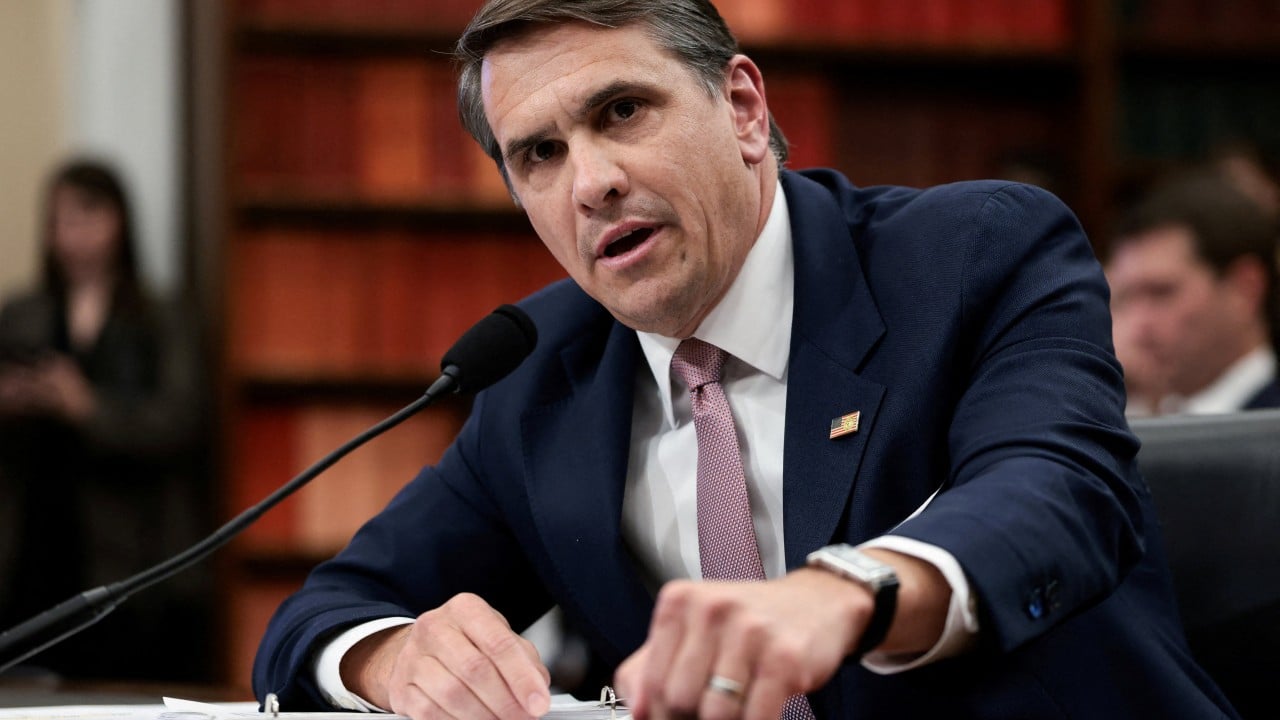
    Trump picks ally Todd Blanche as attorney general, teeing up US Senate fight
  2. Will Xi’s North Korea visit show Kim that China remains Pyongyang’s most vital ally?

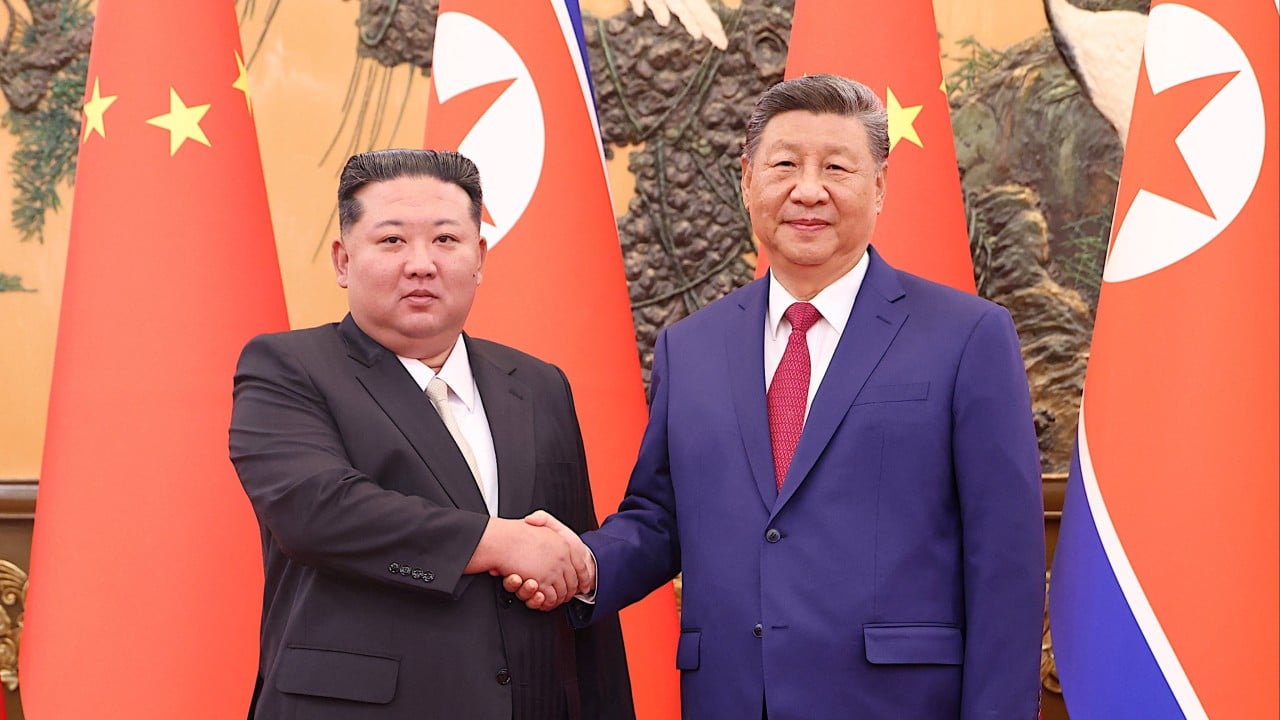
    Chinese President Xi Jinping visited North Korea, meeting with leader Kim Jong-un to strengthen bilateral ties and discuss regional stability. The visit aimed to reaffirm China's crucial economic support for North Korea, particularly amidst concerns about Pyongyang's closer relationship with Russia. Analysts suggest the trip underscored China's indispensable role in North Korea's economy and regional security. AI

    Will Xi’s North Korea visit show Kim that China remains Pyongyang’s most vital ally?
  3. Aids Creeps Back in Parts of Zambia, a Year After U.S. Cuts to HIV Assistance

    Aids is re-emerging in parts of Zambia, a year after the U.S. reduced its HIV assistance. The U.S. President's Emergency Plan for AIDS Relief (PEPFAR) has been a critical source of funding for HIV prevention and treatment programs in Zambia. The reduction in aid has led to shortages of essential medications and a decline in prevention services, contributing to the resurgence of the virus. AI

  4. California farmers to destroy 420k peach trees following Del Monte bankruptcy

    California peach farmers are being compensated by the U.S. Department of Agriculture to remove approximately 420,000 trees. This action follows the bankruptcy and closure of Del Monte Foods' canneries, which had long-term contracts with these growers. The federal aid aims to help farmers mitigate significant financial losses and transition to other crops. AI

    California farmers to destroy 420k peach trees following Del Monte bankruptcy
  5. SDL bans AI-written commits

    The Simple DirectMedia Layer (SDL) project has officially banned the use of AI-generated code, such as commits produced by GitHub Copilot. This decision stems from concerns regarding the ethical implications, environmental impact, copyright issues, and potential health effects associated with AI technologies. The project aims to maintain the integrity of its codebase and prevent it from being "tainted" by AI-generated contributions. AI

    SDL bans AI-written commits
  6. US v. Heppner (S.D.N.Y. 2026) no attorney-client privilege for AI chats [pdf]

    A U.S. District Court has ruled that communications with an AI chatbot are not protected by attorney-client privilege. The decision came in a case where a defendant attempted to shield conversations with an AI from prosecutors. This ruling could have significant implications for how legal professionals and their clients use AI tools. AI

  7. Anthropic loses appeals court bid to pause supply chain risk label

    Anthropic has lost its appeal to pause a California law requiring supply chain risk labels on AI products. The company argued that the law, which mandates disclosure of potential risks associated with AI systems, was too vague and would impose an undue burden. However, the D.C. Circuit Court of Appeals rejected Anthropic's plea, allowing the labeling requirement to proceed. AI

    IMPACT Mandatory AI supply chain risk labeling may increase transparency and influence product development.

  8. US summons bank bosses over cyber risks from Anthropic's latest AI model

    US Treasury Secretary Scott Bessent convened a meeting with leaders of major American banks to address cybersecurity risks associated with Anthropic's new AI model, Claude Mythos. The model has reportedly identified thousands of software vulnerabilities, raising concerns about its potential misuse by malicious actors. Anthropic has limited the release of Claude Mythos to a select group of companies due to these unprecedented cybersecurity risks. AI

    US summons bank bosses over cyber risks from Anthropic's latest AI model

    IMPACT Heightens regulatory scrutiny on AI model releases and their potential impact on financial system stability.

  9. US court declines to block Pentagon's Anthropic blacklisting for now

    A U.S. court has decided not to immediately block the Pentagon's decision to blacklist Anthropic. This ruling means the AI company will remain excluded from certain defense contracts for the time being. The court's decision is a preliminary step, and further legal proceedings may follow. AI

    IMPACT Potential impact on AI companies' ability to secure defense contracts and government partnerships.

  10. Order Granting Preliminary Injunction – Anthropic vs. U.S. Department of War [pdf]

    Anthropic has secured a preliminary injunction against the U.S. Department of War. The court order prevents the Department of War from taking further action in a case brought by Anthropic. Details regarding the specific nature of the dispute and the grounds for the injunction are not provided in the available information. AI

    IMPACT This legal ruling could set precedents for government interactions with AI companies regarding data or operational security.

  11. Judge's Remarks on Anthropic vs. Pentagon

    A federal judge is scrutinizing the Pentagon's decision to label Anthropic a national security risk, potentially impacting the AI company's ability to secure government contracts. Judge Rita Lin questioned whether the government's actions, which extend beyond simply ceasing to use Anthropic's Claude AI, were intended to punish the company for publicly disclosing a contract dispute. The judge noted that the Pentagon's broad sanctions could cripple Anthropic's business relationships across all federal agencies and with contractors, not just those involved in defense. AI

    Judge's Remarks on Anthropic vs. Pentagon

    IMPACT This case could set a precedent for how governments interact with AI companies regarding national security and contract disputes.

  12. Government agencies buy commercial data about Americans in bulk

    Government agencies are purchasing commercial data on Americans from data brokers, raising privacy concerns. This practice allows agencies like ICE to access sensitive information without warrants. Lawmakers are scrutinizing these data purchases, questioning the legality and ethical implications of such surveillance. AI

    IMPACT Raises questions about the ethical use of data and surveillance technologies, potentially impacting AI development that relies on such data.

  13. Government agencies buy commercial data about Americans in bulk

    Government agencies are purchasing commercial data on Americans from data brokers, raising privacy concerns. This practice allows agencies to track individuals without warrants, circumventing traditional legal protections. The data includes location information, online activity, and other personal details, which can be used for surveillance purposes. AI

    IMPACT Raises questions about the ethical use of data in AI-driven surveillance and the need for policy oversight.

  14. U.S. Government's Ban on Anthropic Looks Like Punishment Attempt, Judge Says

    A U.S. judge has indicated that the government's attempt to ban Anthropic may have been an act of punishment. The judge's comments suggest that the ban was not based on legitimate regulatory grounds. This ruling could have implications for how government agencies interact with AI companies. AI

    IMPACT Potential shift in government oversight and regulatory approaches towards AI companies.

  15. U.S. Government's Ban on Anthropic Looks Like Punishment Attempt, Judge Says

    A U.S. judge has indicated that the government's attempt to ban Anthropic may have been an act of punishment. The judge's remarks suggest that the ban was not based on legitimate regulatory grounds but rather on a desire to penalize the AI company. This ruling could have significant implications for how government agencies interact with and regulate AI firms. AI

    IMPACT This judicial commentary could influence future regulatory actions and legal challenges against AI companies by government entities.

  16. The U.S. grid is so weak, the AI race may be over

    The rapid expansion of AI is creating a significant bottleneck in the United States due to the limitations of its power grid, contrasting sharply with China's robust energy infrastructure. While U.S. AI growth is hampered by debates over data center power consumption and grid stability, China has proactively addressed this by overbuilding its power capacity over decades. This strategic oversupply allows China to integrate AI data centers as a means to absorb excess energy, a situation unimaginable in the U.S. where grids often operate with minimal reserve margins, leading to concerns about the sustainability of AI development. AI

    The U.S. grid is so weak, the AI race may be over

    IMPACT AI development in the US faces a critical bottleneck due to power grid limitations, potentially hindering growth compared to China's energy-secure infrastructure.

  17. FOSS infrastructure is under attack by AI companies

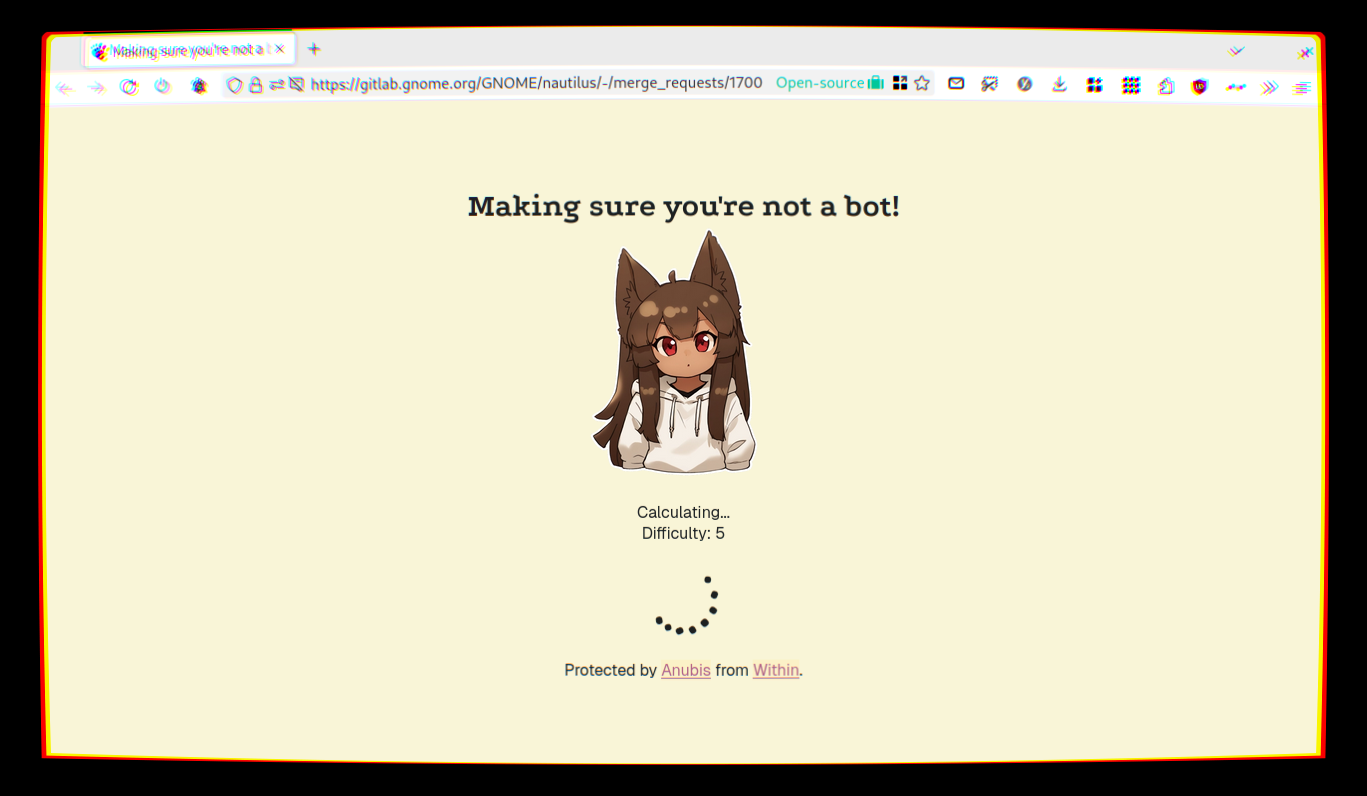
    AI companies are aggressively crawling open-source infrastructure, causing significant outages and disruptions for projects like SourceHut, KDE GitLab, and GNOME. These AI scrapers often disregard robots.txt and mimic legitimate user agents, making it difficult to implement effective defenses. As a result, some projects have resorted to implementing challenging proof-of-work systems to block these bots, which can also impact legitimate users. AI

    FOSS infrastructure is under attack by AI companies

    IMPACT AI data scraping practices are straining open-source infrastructure, potentially hindering collaboration and development.

  18. Samsung announces it will stop selling all home appliance products in the Chinese market

    Samsung Electronics has announced it will cease sales of all home appliance products, including televisions and monitors, in the Chinese market. This decision comes in response to a rapidly changing market environment. The company has assured customers that it will continue to provide after-sales service and uphold consumer rights according to relevant laws and regulations. AI

  19. Executive order on advancing United States leadership in AI infrastructure

    The White House has issued an executive order aimed at bolstering U.S. leadership in AI infrastructure. The order focuses on expanding access to computing resources, developing AI talent, and promoting responsible AI innovation. It also emphasizes the importance of international collaboration and the development of safety standards for AI technologies. AI

    IMPACT This executive order aims to solidify U.S. leadership in AI by focusing on infrastructure and talent, potentially accelerating domestic AI development and deployment.