PulseAugur / Brief
EN
LIVE 14:51:43

Brief

last 24h
[50/5976] 224 sources

Multi-source AI news clustered, deduplicated, and scored 0–100 across authority, cluster strength, headline signal, and time decay.

  1. Creator Spotlight: FlowingBloom

    FlowingBloom, a NICU nurse, uses Character.ai to express her creativity and connect with a community of users. She discovered the platform in early 2023 and found it offered a unique way to interact with her own fictional characters. Her popular creations include Atticus, Adam McLeod, and Ronan Blake, which explore themes of connection, trust, and duty. AI

    Creator Spotlight: FlowingBloom

    IMPACT Highlights how creative individuals are using AI platforms for personal expression and community engagement.
  2. How Notion cuts embedding costs by 80% and other stories on scaling AI with Ray from Salesforce, Uber, and more…

    Anyscale hosted Ray Day Seattle, showcasing how companies like Notion and Salesforce are using the Ray framework to scale AI workloads. Notion significantly reduced embedding costs by 80% and improved query latency by migrating their AI pipeline to Ray, consolidating multiple steps into a single engine. Salesforce leveraged Ray to build a distributed system for summarizing lengthy documents, achieving low latency with a 20B parameter model. Uber also presented improvements in GPU utilization and training time using Ray for their ML platform. AI

    How Notion cuts embedding costs by 80% and other stories on scaling AI with Ray from Salesforce, Uber, and more…

    IMPACT Demonstrates practical scaling solutions for AI workloads, reducing costs and improving performance for major tech companies.

  3. AMD AI director says Claude Code is becoming dumber and lazier since update

    Stella Laurenzo, AMD's AI director, has reported a significant decline in the performance of Anthropic's Claude Code, noting it has become less reliable for complex engineering tasks since February. Her team's analysis of over 6,000 sessions revealed increased instances of "laziness," reduced code analysis, and a tendency to rewrite entire files instead of making targeted edits. These issues appear to coincide with Anthropic's implementation of thinking content redaction in Claude Code version 2.1.69, which obscures the model's internal reasoning process. AI

    AMD AI director says Claude Code is becoming dumber and lazier since update

    IMPACT Potential decrease in trust and utility of coding assistants for complex engineering tasks, prompting calls for greater transparency from AI providers.

  4. DHH’s new way of writing code

    David Heinemeier Hansson (DHH), creator of Ruby on Rails, has shifted his approach to software development, moving from writing all code manually to an agent-first methodology. While his core philosophy on AI remains unchanged, the capabilities of AI tools have evolved significantly, particularly with the advent of powerful models like Opus 4.5 and agent harnesses. DHH now utilizes multiple AI agents, including Gemini 2.5 and Opus, to assist in code generation and exploration, though he maintains high standards for quality and craft, merging agent-produced code only after careful review. AI

    DHH’s new way of writing code
  5. Ask HN: Should AI credits be refunded on mistakes?

    Users are debating whether AI services should offer refunds for erroneous outputs, similar to how they charge for token usage. Some argue that paying for mistakes is unfair, especially when AI generates incorrect code or information. Others contend that AI is inherently prone to errors, and users accept these risks when using the services, with companies often covering themselves in their terms of service. AI

    Ask HN: Should AI credits be refunded on mistakes?

    IMPACT Discusses user expectations and potential business models for AI services regarding output accuracy and refunds.

  6. Claude Code’s Source Leaks, OpenAI Exits Video Generation, Gemini Adds Music Generation, and more...

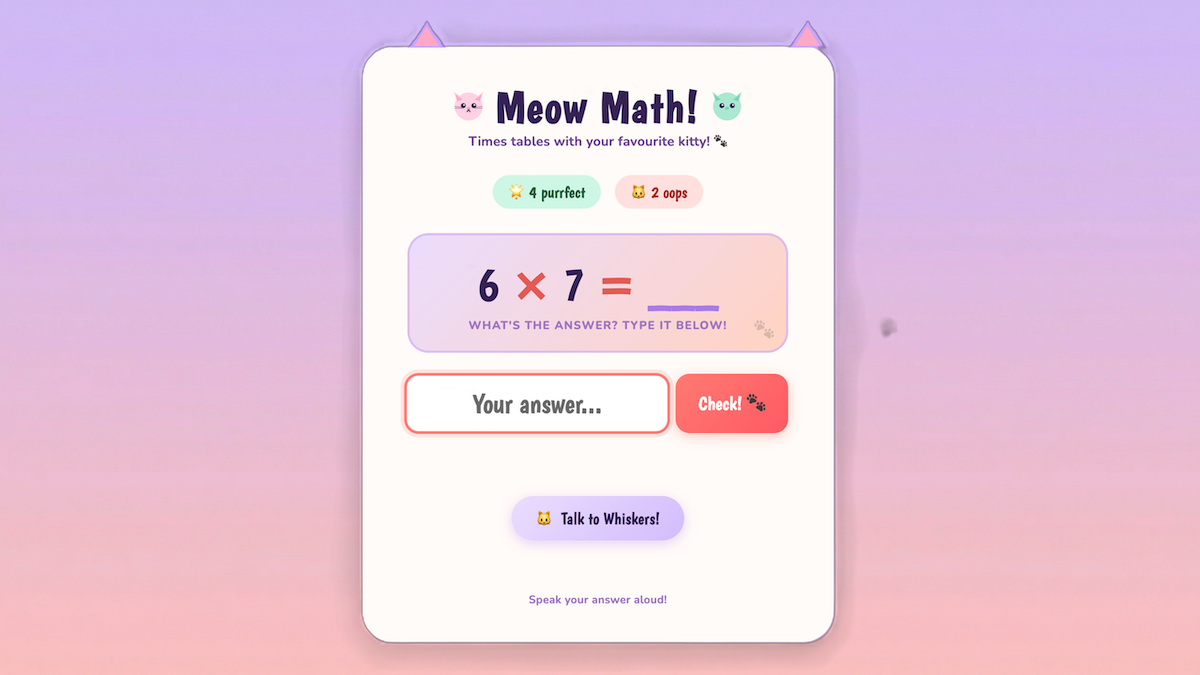
    Andrew Ng's The Batch newsletter highlights the rapid advancement of voice-based AI, predicting its increasing pervasiveness beyond current applications like call centers. He discusses the technical challenges of balancing low latency with high intelligence in voice UIs, proposing a hybrid foreground/background agent architecture to achieve this. Ng also notes that adding voice capabilities to applications, such as his daughter's math quiz game, can be surprisingly straightforward using tools like Claude Code, leading to richer multimodal user experiences. AI

    Claude Code’s Source Leaks, OpenAI Exits Video Generation, Gemini Adds Music Generation, and more...
  7. Ask HN: What is your dev setup like?

    A Hacker News discussion reveals varied developer setups, with many users integrating AI coding assistants like Claude Code into their workflows. While some are fully embracing AI tools and moving away from traditional IDEs, others maintain a mix of AI assistance and established editors like Emacs or GoLand. The conversation also touches on the challenges of managing AI-generated code, deployment, and the evolving nature of software development. AI

    IMPACT Shows how AI coding assistants are being integrated into developer workflows, potentially changing traditional IDE usage.

  8. Scaling Uber with Thuan Pham (Uber’s first CTO)

    Thuan Pham, Uber's first CTO, discussed his experiences scaling the company's engineering operations in a recent podcast episode. He detailed how he managed the transition from a fragile monolithic system to microservices over seven years, rebuilding the infrastructure and growing the engineering team. Pham also shared insights into Uber's platform-and-program split strategy, the Helix app rewrite, and the rapid launch of Uber in China. He also touched upon his current role at Faire and his views on AI's impact on software engineering. AI

    Scaling Uber with Thuan Pham (Uber’s first CTO)
  9. Ask HN: Client took over development by vibe coding. What to do?

    A developer is facing challenges on a client project after the client began using AI coding agents, specifically Claude Code, to implement features. The client's additions resulted in approximately 10,000 lines of code in a week, which, while functional, has negatively impacted the application's performance and maintainability. The developer is concerned about the project's future and is seeking advice on how to manage the situation, particularly regarding the long-term upkeep of AI-generated code. AI

    Ask HN: Client took over development by vibe coding. What to do?

    IMPACT Highlights the potential for AI-generated code to create maintenance and performance challenges in real-world projects.

  10. What to expect from WWDC 2026 https://www.engadget.com/2183341/what-to-expect-from-wwdc-2026-110000086/ # Tech # Apple # AI

    Google I/O 2026 and WWDC 2026 are anticipated to feature significant advancements in AI. While specific details remain speculative, these events are expected to showcase new AI capabilities and integrations within their respective ecosystems. The focus will likely be on how AI will be incorporated into consumer products and developer tools. AI

    IMPACT These future events are expected to reveal new AI integrations, potentially impacting how users interact with technology and how developers build applications.

  11. BackTalk on Good Habits, Bad Passwords, and AI That Still Needs a Human Conversations from OpenChannels FM reveal humorous insights on habits, password jokes, a

    Brian Coords discussed how his team is leveraging AI tools, including Claude Code, to process hundreds of pull requests for each WooCommerce release. The AI helps categorize changes related to blocks, performance, and beta features, aiming to provide a broader overview of updates. However, Coords emphasized that human oversight remains crucial for fully understanding the context and nuances of these changes, as AI can sometimes miss intricate details like features being added and then removed. AI

    BackTalk on Good Habits, Bad Passwords, and AI That Still Needs a Human Conversations from OpenChannels FM reveal humorous insights on habits, password jokes, a

    IMPACT AI tools are being explored to streamline the process of analyzing code changes, but human review remains essential for accuracy and context.

  12. Claude Dispatch and the Power of Interfaces

    Ethan Mollick's "One Useful Thing" newsletter highlights that current AI capabilities are often hindered by suboptimal user interfaces, particularly the common chatbot format. Research indicates that while AI offers productivity gains, the conversational and text-heavy nature of chatbots increases cognitive load, especially for less experienced users. Mollick suggests that specialized interfaces, like those developed for programming (e.g., Claude Code, OpenAI Codex), offer a more effective interaction model. He also points to Google's experimental tools like Stitch, Pomelli, and NotebookLM as examples of tailoring AI interfaces for specific knowledge work professions beyond coding, indicating a potential future direction for more efficient AI utilization. AI

    Claude Dispatch and the Power of Interfaces
  13. One breach after another

    A series of security vulnerabilities have recently emerged, impacting various AI and software development tools. Railway experienced an accidental data exposure, while Mercor AI is reportedly breached. Notably, the source code for Claude Code was leaked, prompting community efforts to preserve it. Additionally, Axios was compromised via a hijacked GitHub account affecting its npm package, highlighting the risks in software supply chains and the importance of sandboxing for AI agents. AI

    One breach after another

    IMPACT Highlights the critical need for robust security measures and sandboxing in AI development tools due to increasing supply chain risks and code leaks.

  14. How to Use Perplexity Computer as a Second Brain

    Michael Spencer's article explores the potential of Perplexity Computer to function as a "second brain" for users, drawing parallels to virtual coworkers and the emerging "vibe-working" era. The piece evaluates how Perplexity's features like memory and Spaces compare to existing tools such as Claude and Notion AI. It also touches upon Microsoft's research agent, Critique, as another example of advancing AI capabilities. AI

    How to Use Perplexity Computer as a Second Brain
  15. 🔮 Exponential View #567: How AI is rewiring work

    Azeem Azhar's Exponential View newsletter discusses how artificial intelligence is fundamentally altering the nature of work. The piece also touches upon developments in AI, specifically mentioning NVIDIA's strategic interest in Groq and OpenClaw, and their implications for organizational operations. Additionally, the newsletter explores broader themes including technological development, energy storage solutions in Texas, and the impact of AI on industries like Hollywood. AI

    🔮 Exponential View #567: How AI is rewiring work
  16. The Best AI Tools for Product Managers in 2026

    AI tools are increasingly transforming product management by operating on two distinct layers: productivity and expanded capabilities. Writing and research tools like Claude, Notion AI, and Perplexity assist in drafting documents, summarizing feedback, and identifying patterns. Roadmapping platforms such as Productboard and Linear leverage AI for tasks like clustering feedback and generating stakeholder updates. A new category of tools, exemplified by Replit Agent, enables product managers to move from intent to functional prototypes more directly, bridging the gap between ideas and working software. AI

    The Best AI Tools for Product Managers in 2026

    IMPACT AI tools are streamlining product management workflows, from drafting documents to prototyping, potentially increasing efficiency and innovation.

  17. A peek inside CLI tools

    Large language models are increasingly being integrated with Command Line Interface (CLI) tools to enable agents to perform complex tasks. These agents can execute sequences of commands, such as organizing and resizing files, or interacting with services like Stripe and AWS. By granting agents access to various CLIs, their capabilities are significantly expanded, allowing them to automate a wider range of operations that would otherwise be time-consuming for humans. AI

    A peek inside CLI tools

    IMPACT Explains how AI agents can automate tasks by integrating with command-line tools, enhancing their practical utility.

  18. Agents should interview you

    A new pattern is emerging where AI agents interview users to gather detailed information for specific tasks. This approach helps overcome the 'blank page syndrome' by prompting users for input and clarifying their goals. One user described an agent asking 20 questions to help flesh out a course content map, proving to be a valuable exercise for generating initial ideas and structure. AI

    Agents should interview you

    IMPACT This interaction pattern could streamline content creation and project planning by leveraging AI to elicit detailed user requirements.

  19. On today's panel with Bernie Sanders

    Senator Bernie Sanders has emerged as a vocal advocate for AI safety, warning of existential risks during a public appearance. Meanwhile, discussions around drone warfare highlight the West's unpreparedness for the rapidly evolving battlefield, with China's manufacturing capabilities posing a significant challenge. The increasing demand for fiber-optic cable, driven by both data centers for AI and ongoing conflicts, is escalating costs and creating supply chain pressures. AI

    On today's panel with Bernie Sanders

    IMPACT Discussions highlight AI's role in future warfare and the geopolitical implications of AI development and safety concerns.

  20. Ask HN: AI productivity gains – do you fire devs or build better products?

    Developers are sharing mixed experiences with AI coding assistants, with some reporting significant productivity gains in tasks like boilerplate generation and refactoring. Others, however, encounter persistent issues with code compilation and logical errors, even for seemingly simple tasks. The effectiveness of these tools appears to vary greatly depending on the programming language, complexity of the project, and the user's ability to guide the AI with precise instructions. AI

    Ask HN: AI productivity gains – do you fire devs or build better products?

    IMPACT AI coding assistants are showing potential for significant productivity gains, but current limitations and user experience variations highlight the need for further development and refinement.

  21. Ben's Builds: #2

    Ben Tossell, a builder and educator, shared his recent projects and tools, focusing on teaching non-coders to build with AI. He is developing a quarterly course called "Fork Off" to teach AI app and agent creation, utilizing a custom platform built with Droid. Tossell also created a web app to search X bookmarks and experimented with Replit Agent for an email triage system, though he found it lacking. His stack includes tools like Chops for skill management and Claude Cowork, and he is exploring AI style guides and prompt engineering to improve AI-generated writing. AI

    Ben's Builds: #2

    IMPACT Provides insights into tools and methods for non-coders to build with AI, potentially lowering the barrier to entry for AI development.

  22. Ask HN: what’s your favorite line in your Claude/agents.md files?

    Users are sharing creative prompts and configurations for Anthropic's Claude AI, aiming to enhance its software development capabilities. One user detailed a 'Murphy' persona designed to instill a sense of paranoia and thoroughness in Claude, leading to more robust debugging and code reviews. Other shared prompts include a 'Table Flip Rule' to prevent unnecessary backward compatibility, instructions for generating ASCII diagrams, and an 'ADHD disclosure' to help manage focus and time during complex tasks. AI

    IMPACT Sharing effective prompting strategies can improve user interaction and output quality with LLMs like Claude.

  23. Humility in the Age of Agentic Coding

    Software engineer Steve Klabnik, known for his work on the Rust programming language, discusses his evolving perspective on AI. Initially skeptical, Klabnik has begun experimenting with AI agents, notably using tools like Claude to assist in building his new programming language, Rue. This experience has led him to reflect on the future of software engineering and coding practices in an increasingly AI-influenced landscape. AI

    Humility in the Age of Agentic Coding
  24. Ambient Computing via Voice AI is about to Enter its Golden Age in 2027

    The author predicts that 2027 will be a pivotal year for voice AI and ambient computing, driven by advancements in AI wearables like AI pins and smart glasses. Major tech companies, including Apple, Google, and Meta, are expected to release compelling devices that will make AI interactions more multi-sensory and hands-off. This evolution is also seeing a shift in the AI market, with competitors like Gemini, Grok, and Claude gaining market share against OpenAI's ChatGPT, and startups like Genspark innovating in voice agent technology. AI

    Ambient Computing via Voice AI is about to Enter its Golden Age in 2027
  25. The Pulse: What will the Staff Engineer role look like in 2027 and beyond?

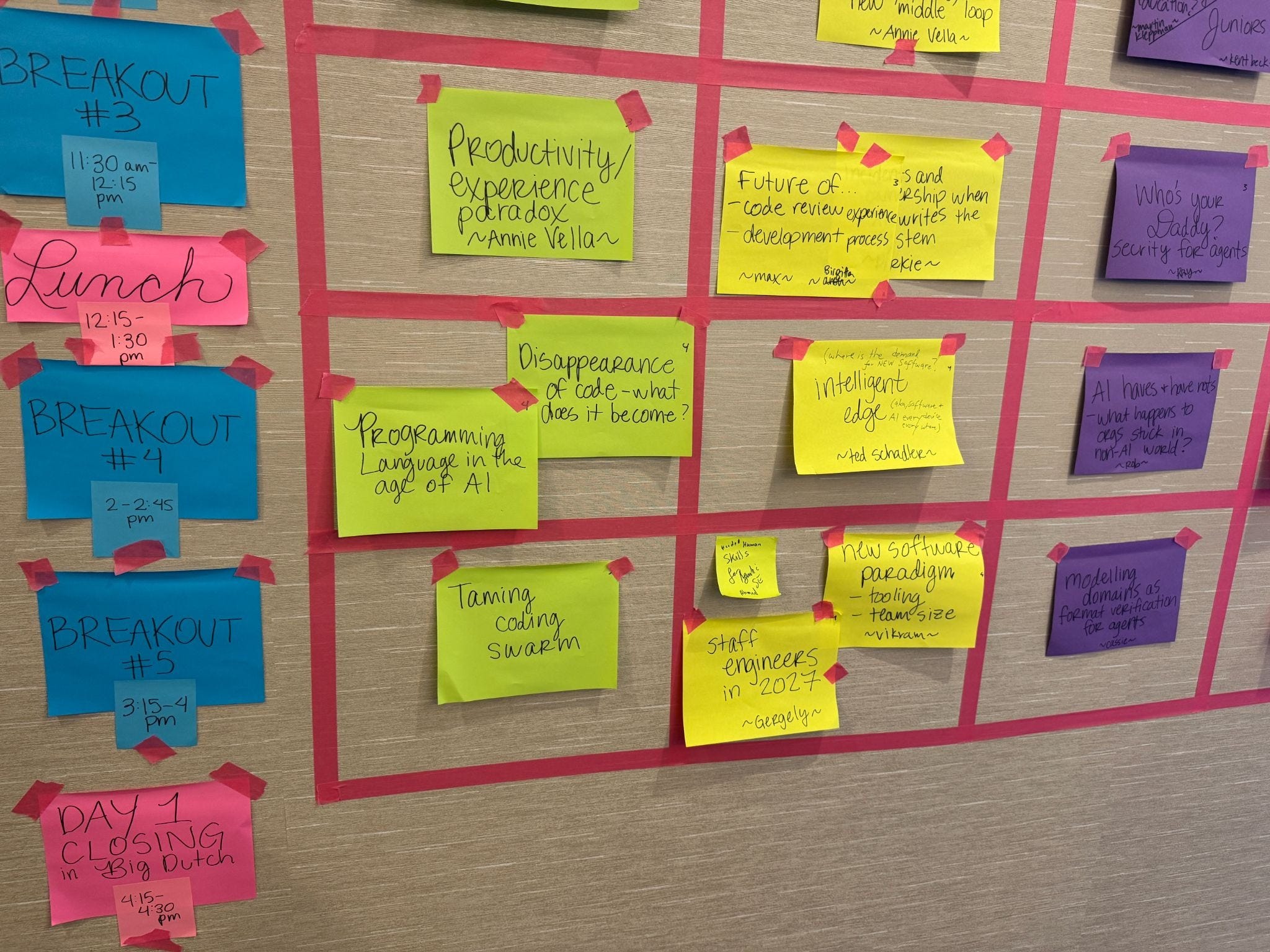
    A recent workshop on the future of software development explored the evolving role of Staff+ engineers in an AI-driven landscape. Contrary to initial concerns, these engineers may become even more critical as AI tools advance. The discussion also highlighted emerging trends such as rising AI token costs impacting CTOs and the potential for AI to influence job security, as seen in recent layoffs at Atlassian. AI

    The Pulse: What will the Staff Engineer role look like in 2027 and beyond?
  26. The Pulse: AI load breaks GitHub – why not other vendors?

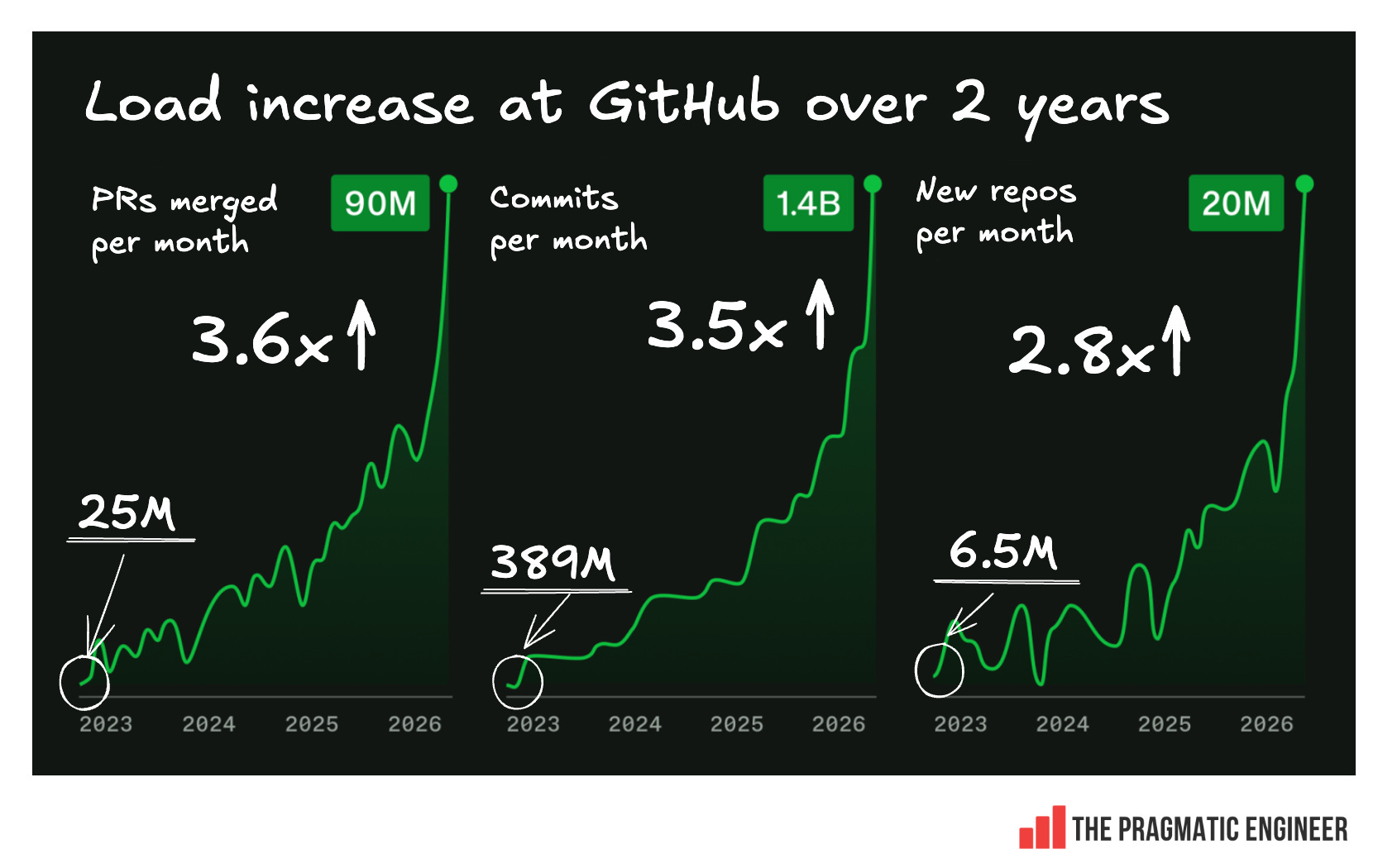
    Anthropic is facing developer backlash due to perceived model degradation and changes to Claude Code access, leading to speculation that capacity issues are the cause. Concurrently, GitHub's reliability has significantly worsened, with its leadership attributing the decline to a 3.5x increase in service load, potentially from AI-driven usage. In response to these challenges, a new tool called Ctx has emerged, designed to manage local context for both Claude Code and Codex, offering developers more control over their coding workflows. AI

    The Pulse: AI load breaks GitHub – why not other vendors?

    IMPACT Developer sentiment shifts and infrastructure reliability issues highlight potential bottlenecks in AI adoption and tooling.

  27. I Used Claude and ChatGPT for 30 Days: The Results Surprised Me

    Several users have shared their experiences comparing Anthropic's Claude with OpenAI's ChatGPT, finding Claude to be a more effective tool for learning and project work. Users report that Claude provides more detailed explanations and step-by-step guidance, particularly in academic settings, leading to better comprehension than ChatGPT's more direct or text-heavy responses. While both models are powerful, Claude's approach appears to foster deeper understanding for users who need to grasp concepts rather than just get answers. AI

    I Used Claude and ChatGPT for 30 Days: The Results Surprised Me

    IMPACT Claude's detailed explanations may offer a more effective learning experience for students and professionals compared to ChatGPT's current output.

  28. Will Claude Code ruin our team?

    The increasing capability of AI coding tools like Claude Code is poised to significantly disrupt software development team dynamics. As these tools make complex coding tasks more accessible, individuals across roles like engineering, product management, and design may feel pressure to expand their skillsets, potentially leading to increased competition and animosity within teams. Experts suggest a shift from implementation to judgment, with a focus on strategic skills like defining product goals and understanding user needs, though this also risks blurring role boundaries and creating a scramble for high-leverage identities. AI

    IMPACT AI coding tools are reshaping team structures and skill demands, potentially leading to role consolidation and a focus on strategic judgment over implementation.

  29. The authenticated browser MCP — why cloud tools can't see your logged-in state

    Developers are sharing practical advice for deploying and optimizing AI coding assistants like Claude Code. This includes a checklist for production readiness, covering crucial aspects like API key management, database backups, and rate limiting for AI endpoints. Additionally, techniques are being shared to reduce token consumption, such as hierarchical file structures and disabling unnecessary context injections, alongside tools like 'Caveman' that simplify these optimizations across various AI agents. The broader ecosystem is also addressing challenges in multi-agent collaboration and secure tool execution, with a focus on robust governance and authenticated browser interactions. AI

    The authenticated browser MCP — why cloud tools can't see your logged-in state

    IMPACT Provides practical guidance and tools for developers using AI coding assistants, focusing on efficiency, security, and cost optimization.

  30. Services: The New Software

    Venture capital firm Sequoia Capital posits that the next trillion-dollar companies will be software firms disguised as services. They argue that as AI models become more capable, they will shift from acting as 'copilots' that augment human professionals to 'autopilots' that directly deliver outcomes. This transition is particularly evident in software engineering, where AI can now handle most of the intelligence-based tasks, leaving judgment to humans. AI

    Services: The New Software
  31. Every Agent Needs a Box — Aaron Levie, Box

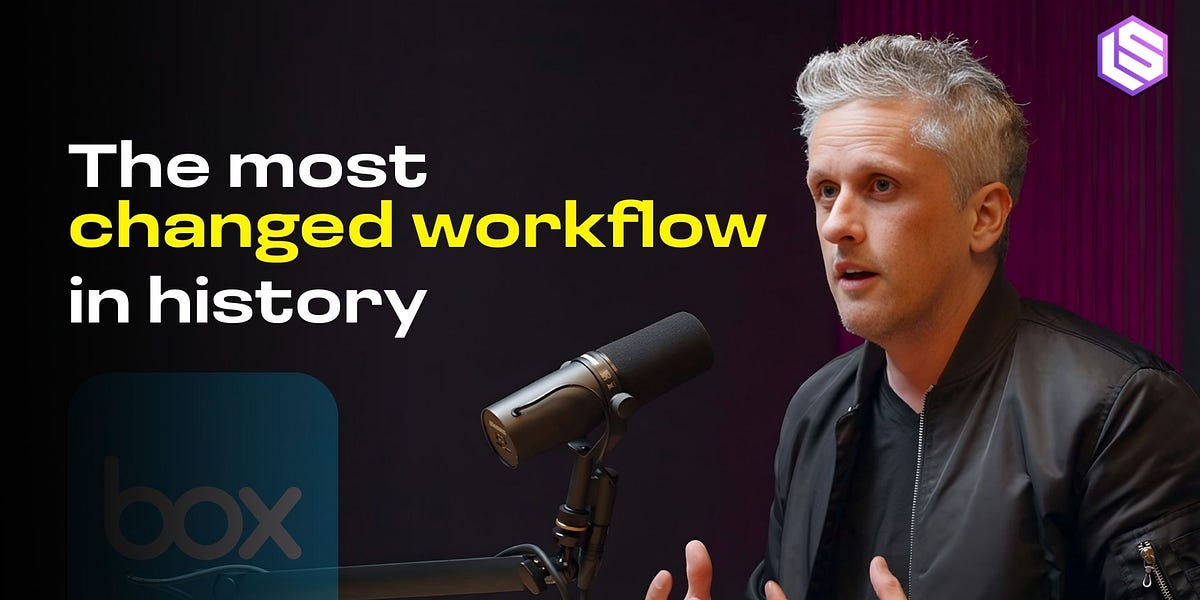
    Box CEO Aaron Levie discussed the growing trend of "agents" needing secure environments, or "boxes," for operation. He highlighted that companies are adapting their workflows to accommodate these AI agents, rather than the other way around. Levie also touched upon the importance of context engineering and the future of AI in various industries, including software development and content creation. AI

    Every Agent Needs a Box — Aaron Levie, Box
  32. Scoring Show HN submissions for AI design patterns

    A designer has identified common visual patterns in AI-generated websites, such as specific font choices, color schemes, and layout elements like colored borders. These patterns are increasingly prevalent in Show HN submissions, leading to a generic aesthetic that the author terms "design slop." While not inherently bad, this trend suggests a lack of originality, prompting questions about the future of web design as AI agents potentially become primary users of the internet. AI

    Scoring Show HN submissions for AI design patterns

    IMPACT Identifies a trend of generic design in AI-generated websites, raising questions about originality and the future of web aesthetics.

  33. Overcoming Situational Depression Via Generative AI Including Tapping Into ChatGPT

    Several articles discuss the evolving capabilities and applications of large language models (LLMs), with a particular focus on Anthropic's Claude and OpenAI's ChatGPT. One piece explores using generative AI for mental health support, while others delve into AI's role in coding assistance, code review, and web search summarization. The use of AI agents for coding is highlighted, with a new tool, OpenContext, aiming to improve memory beyond chat sessions. Additionally, research indicates that adversarial debate between AI models can significantly enhance bug detection in code reviews, with Claude showing strong performance in raw reviews. AI

    Overcoming Situational Depression Via Generative AI Including Tapping Into ChatGPT

    IMPACT AI models are increasingly being applied to complex tasks like mental health support and code review, with ongoing research into improving their capabilities through collaboration and enhanced memory.

  34. Why is Claude an Electron app?

    Despite advancements in AI coding agents, Anthropic's Claude desktop application remains built with Electron, a framework known for creating bloated and sometimes laggy cross-platform apps. This choice persists because AI agents, while proficient at the initial 90% of development, still struggle with the final 10% of edge cases, real-world integration, and ongoing maintenance. The overhead of supporting native applications across multiple platforms also outweighs the current benefits of agent-driven development for Anthropic. AI

    IMPACT Highlights the current limitations of AI in handling the final stages of software development and maintenance, impacting the user experience of AI-powered applications.

  35. Child's Play: Tech's new generation and the end of thinking

    A Harper's Magazine article reflects on the pervasive and often nonsensical advertising in San Francisco, highlighting a particular startup, Cluely, that faced intense backlash. Cluely, which offers a tool to assist with office tasks using AI like ChatGPT, was essentially driven out of the city. The author notes the hypocrisy in the strong negative reaction to Cluely, given that many tech workers already use AI tools for their jobs. AI

    Child's Play: Tech's new generation and the end of thinking

    IMPACT Highlights the public perception and controversy surrounding AI tools in everyday office work.

  36. Cognitive Synthesis and Neural Athletes

    Deloitte's Chief Innovation Officer, Deborah Golden, discussed how AI is transforming leadership and organizational dynamics. She highlighted the increasing cognitive load on leaders and the need for empathy and anti-fragility in the evolving workplace. Golden emphasized Deloitte's significant investment and comprehensive approach to AI, positioning the firm as a key player in architecting the AI era across various industries. AI

    Cognitive Synthesis and Neural Athletes
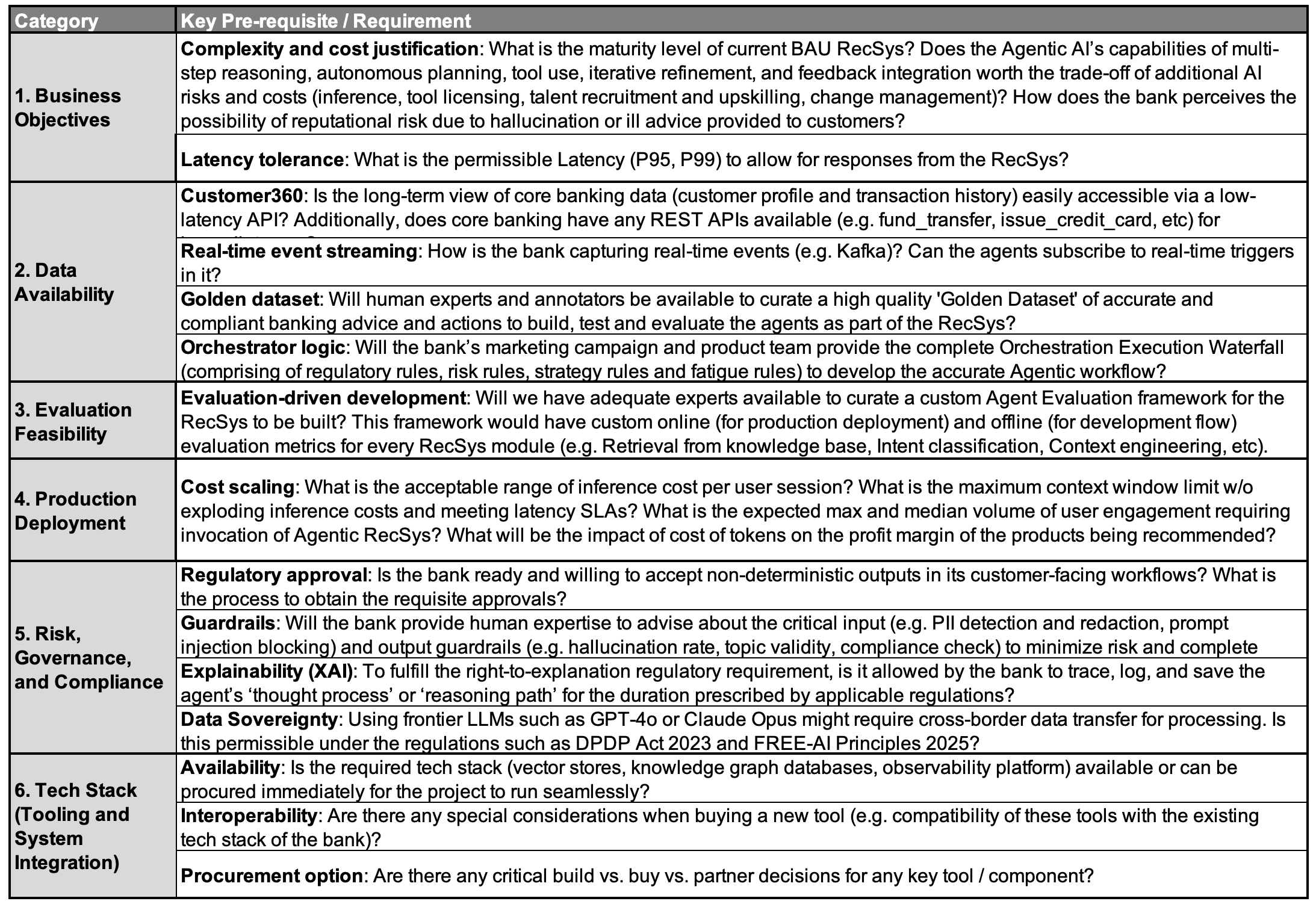
  37. Achieving Next-Gen Hyper personalization in Banking via Agentic Recommender Systems — Chapter 1…

    This article explores the application of agentic recommender systems to achieve hyper-personalization in the banking sector. It discusses how these systems can redefine real-time customer experiences for retail banks. The piece is presented as the first chapter in a series. AI

    Achieving Next-Gen Hyper personalization in Banking via Agentic Recommender Systems — Chapter 1…

    IMPACT Suggests new ways AI agents could enhance customer experience in financial services.

  38. Achieving Next-Gen Hyper personalization in Banking via Agentic Recommender Systems — Chapter 1…

    This article explores the application of agentic recommender systems to achieve hyper-personalization in the banking sector. It discusses how these systems can redefine real-time customer experiences for financial institutions. The piece is presented as the first chapter in a series. AI

    Achieving Next-Gen Hyper personalization in Banking via Agentic Recommender Systems — Chapter 1…

    IMPACT Discusses how AI-driven personalization could enhance customer experiences in banking.

  39. Tell HN: I'm a PM at a big system of record SaaS. We're cooked

    A senior product manager at a large system of record (SoR) SaaS company argues that while AI startups may not directly replace established players, the broader AI landscape poses a significant threat. The primary competition is expected to come from other SoR vendors, cloud providers, and AI labs themselves, all vying for SaaS margins. The author believes SoR companies are ill-equipped to compete due to a lack of fast execution, cutting-edge AI adoption, and difficulty attracting top talent. AI

    Tell HN: I'm a PM at a big system of record SaaS. We're cooked

    IMPACT Suggests that established SaaS companies face significant margin pressure and competitive threats from AI advancements and other tech giants.

  40. Ask HN: Is understanding code becoming "optional"?

    A discussion on Hacker News explores whether understanding code is becoming less critical due to advancements in AI code generation tools. Users debated the necessity of deep programming knowledge when AI can produce functional code, with some arguing that conceptual understanding remains vital for effective problem-solving and debugging. Others suggested that AI tools might democratize coding, allowing individuals with less technical expertise to build applications. AI

    IMPACT AI code generation tools are prompting a re-evaluation of essential programming skills, potentially altering educational paths and developer roles.

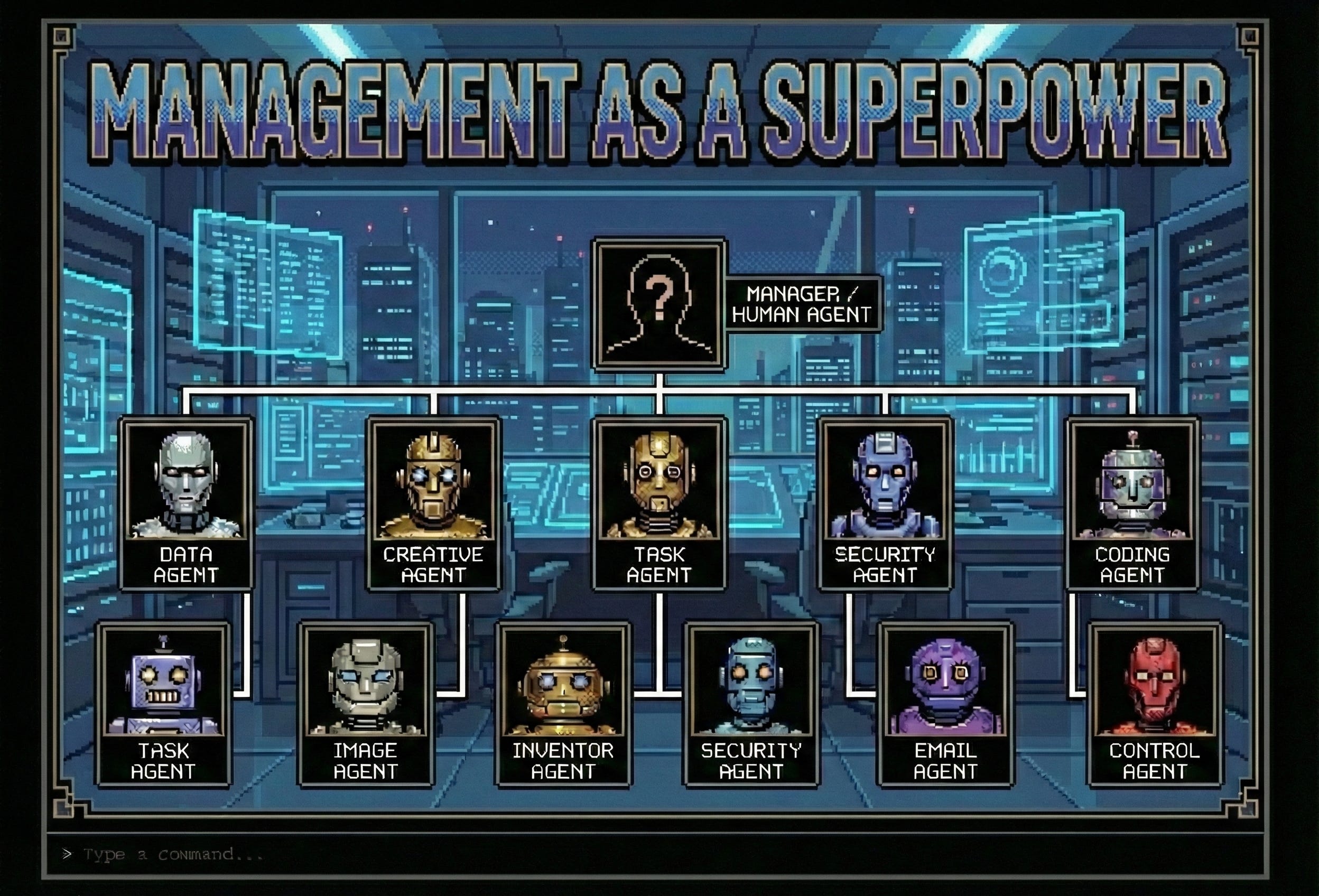
  41. Management as AI superpower

    Ethan Mollick's experimental class at the University of Pennsylvania demonstrated the significant impact of AI tools on entrepreneurship. MBA students, with little to no coding experience, utilized AI like Claude Code, ChatGPT, and Gemini to accelerate startup creation, achieving in four days what previously took a full semester. The AI tools were instrumental in idea generation, market research, prototyping, and financial modeling, drastically reducing the time and cost associated with early-stage ventures. Mollick highlights that effective delegation to AI, considering its speed, cost, and variable capabilities, is becoming a crucial management skill. AI

    Management as AI superpower
  42. How countries can end the capability overhang

    OpenAI has released a report highlighting a significant "capability overhang" in AI adoption among countries, where typical power users leverage advanced AI capabilities seven times more than average users. This gap is not solely driven by income, as some nations like Vietnam and Pakistan show high per-person usage of advanced AI tools for tasks such as data analysis. To address this, OpenAI is expanding its "OpenAI for Countries" initiative in 2026 with new programs focused on education, health, AI skills training, and disaster response, aiming to integrate AI more deeply into public services and economies. AI

    How countries can end the capability overhang
  43. A business that scales with the value of intelligence

    OpenAI's business strategy is designed to grow alongside the increasing value of artificial intelligence. Their model encompasses multiple revenue streams, including subscriptions, API access, advertising, e-commerce, and compute resources. This diversified approach is fueled by the expanding user base and adoption of their ChatGPT product. AI

    A business that scales with the value of intelligence
  44. Why I Stopped Using nbdev

    Hamel Husain, a former proponent of the literate programming tool nbdev, has stopped using it due to the rise of AI coding assistants. He found that nbdev's unique workflow, which combines code, documentation, and tests in Jupyter notebooks, conflicts with how AI tools are trained and operate. Husain now prefers tools like Amp, Cursor, and Claude Code, which integrate better with AI and allow for more flexible language choices, shifting away from a Python-centric approach for all tasks. AI

    Why I Stopped Using nbdev
  45. How to choose the right open model for production

    Choosing the right open-source AI model for production requires careful consideration of factors like transparency, adaptability, and control. While proprietary models offer tiered options, open models allow for deeper customization and ownership. However, legal licensing requirements, such as Apache-2.0 or MIT, must be strictly adhered to for commercial use, and model size should correlate with the capability tier of comparable closed models. AI

    IMPACT Provides guidance for AI operators on selecting and implementing open-source models effectively.

  46. [State of RL/Reasoning] IMO/IOI Gold, OpenAI o3/GPT-5, and Cursor Composer — Ashvin Nair, Cursor

    Ashvin Nair, formerly of OpenAI's reasoning team, discussed the evolution of AI research and development, highlighting the shift from early RL breakthroughs to current product-model co-design at Cursor. He explained that while benchmarks like IOI Gold were achieved, they didn't lead to the expected leaps in general intelligence. Nair emphasized that the future lies in continual learning with infinite memory, where models permanently retain experiences, enabling them to avoid repeating mistakes. At Cursor, this is being applied to automate software engineering by integrating model updates directly into the development workflow. AI

    [State of RL/Reasoning] IMO/IOI Gold, OpenAI o3/GPT-5, and Cursor Composer — Ashvin Nair, Cursor
  47. Steve Yegge's Vibe Coding Manifesto: Why Claude Code Isn't It & What Comes After the IDE

    Steve Yegge, a prominent figure in software engineering, argues that traditional Integrated Development Environments (IDEs) are becoming obsolete, predicting that by January 1st, 2025, engineers still relying on them will be considered subpar. He proposes a shift towards "vibe coding," where developers manage fleets of AI agents that handle code generation, parallelization, and deployment, likening the skill to orchestrating a NASCAR pit crew. Yegge believes this new paradigm, which he calls "factory farming of code," will enable non-programmers to contribute to software development at scale. AI

    Steve Yegge's Vibe Coding Manifesto: Why Claude Code Isn't It & What Comes After the IDE
  48. Character's Corner: Shelley

    Character.ai is highlighting Shelley, a creator from Mexico who uses the platform for creative writing and prompt engineering. Shelley discovered Character.ai through her daughter and found it significantly improved her mood and well-being during a difficult period. She has developed a passion for crafting unique characters and scenes, drawing inspiration from her life experiences and experimenting with creative techniques. AI

    Character's Corner: Shelley

    IMPACT Highlights how users are leveraging AI platforms for creative expression and personal well-being.

  49. Beyond chatbots: Agents that tackle your SOPs

    This podcast episode features Jason Beutler, CEO of RoboSource, discussing how AI can be integrated into the workplace to handle routine tasks and enhance human-centered work. The conversation explores how companies can rethink workflows to empower employees and address concerns about job displacement. Beutler emphasizes the importance of meaningful work and how AI can be leveraged to allow employees to focus on more strategic and impactful contributions. AI

    Beyond chatbots: Agents that tackle your SOPs
  50. AI note-taking startup Fireflies was really two guys typing notes by hand

    AI startup Fireflies, valued at $1 billion, has faced scrutiny after a co-founder admitted their initial transcription service relied on the founders manually typing notes. This method was used to generate revenue before automation was implemented. The revelation has sparked debate about "fake it 'til you make it" strategies and potential legal and trust implications for the company. AI

    AI note-taking startup Fireflies was really two guys typing notes by hand

    IMPACT Raises questions about the authenticity of "AI" claims in early-stage startups and the ethical boundaries of growth strategies.