PulseAugur / Brief
LIVE 18:48:20

Brief

last 24h
[50/400] 186 sources

Multi-source AI news clustered, deduplicated, and scored 0–100 across authority, cluster strength, headline signal, and time decay.

  1. Checking the math behind OpenAI and Anthropic’s latest headlines

    Gary Marcus is questioning the significance of OpenAI's recent mathematical discovery, suggesting it may be more of a marketing effort than a true advancement in AI-assisted mathematics. He highlights that the AI's success stemmed from systematically exploring avenues that human mathematicians, biased by existing beliefs, might overlook. Marcus likens this AI capability to architectural tools that enhance human creativity rather than replace it, and he speculates that the high cost of running OpenAI's new reasoning model might limit its practical application, suggesting a future focus on smaller, more efficient models. AI

    Checking the math behind OpenAI and Anthropic’s latest headlines

    IMPACT Questions the practical application and marketing motives behind advanced AI model capabilities in specialized fields.


  2. You Probably Don't Need 8-Bit Quantization

    For most users running large language models locally, 4-bit quantization offers a practical balance between performance and quality, significantly reducing VRAM requirements compared to 8-bit. While 4-bit models may show a slight decrease in reasoning capabilities on complex tasks, they remain nearly identical for text generation and instruction following. This approach is particularly beneficial for interactive chat and typical production workloads on consumer hardware, enabling faster inference speeds and making larger models accessible on less powerful GPUs. AI

    IMPACT Enables wider accessibility of large language models on consumer hardware by optimizing resource usage.

  3. After Automation

    Dan Shipper, CEO of Every, argues that AI, despite its increasing capabilities, will not eliminate human work but rather create new opportunities. His report, "After Automation," explores how widespread AI adoption leads to sameness and highlights the enduring need for human ingenuity to define new tasks for AI. The piece details Every's internal use of AI agents for various functions and strategies for humans to maintain a leading edge over AI. AI

    After Automation

    IMPACT Argues that AI will create new human roles rather than eliminate jobs, shifting the focus to human creativity in defining AI tasks.

  4. Top 10 Claude Prompts That Make AI Feel Like a Real Assistant

    This article explores how effective prompting can transform AI interactions from basic usage to genuinely valuable assistance. It emphasizes that the quality of prompts is the key differentiator in extracting meaningful output from AI tools like Claude. The piece aims to guide users in crafting better prompts to enhance their AI experience. AI

    Top 10 Claude Prompts That Make AI Feel Like a Real Assistant

    IMPACT Provides practical advice for users to better leverage existing AI models for daily tasks.

  5. Hating AI Is Good

    An opinion piece argues that a growing segment of the population is actively rejecting artificial intelligence, viewing it as a liability rather than an inevitability. The author suggests that this 'anti-AI evangelist' movement is a legitimate constituency that should be taken seriously, especially as public opinion on AI appears to be souring rapidly. The piece highlights instances of graduates booing speakers who promote AI, indicating a generational divide and a desire to resist the technology's perceived imposition. AI

    IMPACT Suggests a growing public backlash against AI could influence its adoption and development.

  6. On # AI Security https://www. schneier.com/blog/archives/202 6/05/on-ai-security.html # cybersecurity

    Bruce Schneier's latest blog post discusses the evolving landscape of AI security, highlighting the unique challenges and potential vulnerabilities that arise with advanced artificial intelligence systems. The piece emphasizes the need for robust security measures tailored to the specific characteristics of AI, moving beyond traditional cybersecurity paradigms. Schneier suggests that as AI becomes more integrated into critical infrastructure, addressing its security implications is paramount to prevent misuse and ensure reliable operation. AI

    IMPACT Discusses the critical need for specialized security measures as AI systems become more sophisticated and integrated into infrastructure.

  7. Web devs sleeping with the enemy: AI is doing their job and they worry it's after their desk too

    Web developers are increasingly concerned about AI's encroachment into their field, with many admitting to using AI tools for a significant portion of their coding tasks. This reliance on AI has sparked fears of job displacement and the potential for AI to automate their roles entirely. The article highlights a growing tension between leveraging AI for efficiency and the existential threat it poses to traditional software development jobs. AI

    Web devs sleeping with the enemy: AI is doing their job and they worry it's after their desk too

    IMPACT Web developers are increasingly concerned about AI's impact on their jobs, with many admitting to using AI tools for a significant portion of their coding tasks.

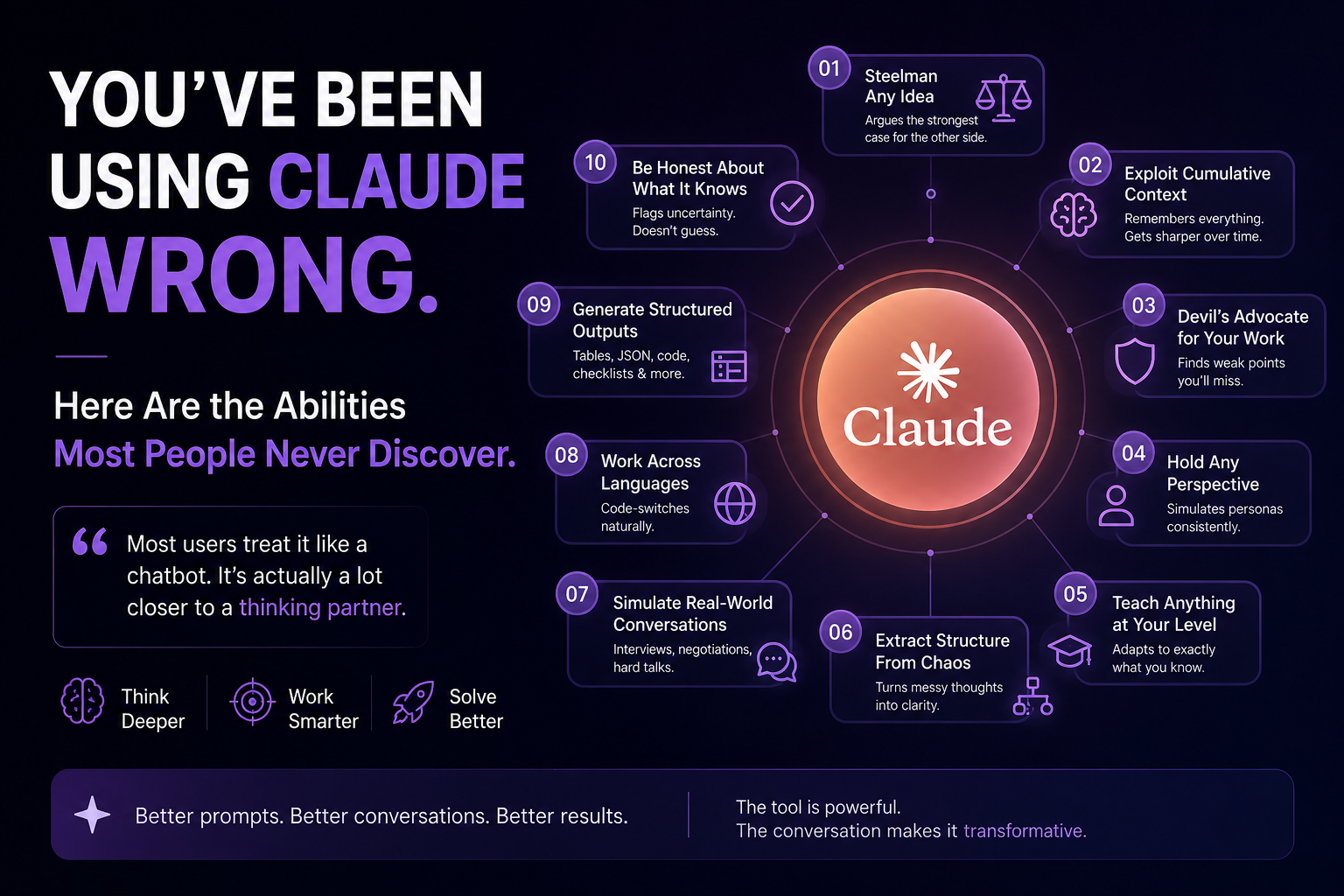
  8. You’ve Been Using Claude Wrong.

    Many users are not fully leveraging the capabilities of Anthropic's Claude AI assistant. The article highlights that Claude possesses advanced features beyond basic chat, such as the ability to process and analyze documents, write code, and engage in complex reasoning tasks. Discovering and utilizing these lesser-known functionalities can significantly enhance user experience and productivity with the AI. AI

    You’ve Been Using Claude Wrong.

    IMPACT Users can improve their interaction with Claude by exploring its advanced, often overlooked, capabilities for enhanced productivity.

  9. I tried monetizing my MCP server with x402 — production needs more than npm install

    The author attempted to integrate micropayments into their free MCP server, DomainIntel, using the x402 protocol. While the x402 protocol aims for accountless payments for clients, the author discovered that developers monetizing their services still require accounts with facilitators like the Coinbase Developer Platform. Despite the protocol's potential for AI agents, the author found that setting up production monetization involves account creation and a suitable facilitator, which contradicts the initial promise of a fully accountless system for developers. AI

    IMPACT Explores a payment mechanism for AI agents interacting with MCP servers, potentially impacting how AI tools are monetized.

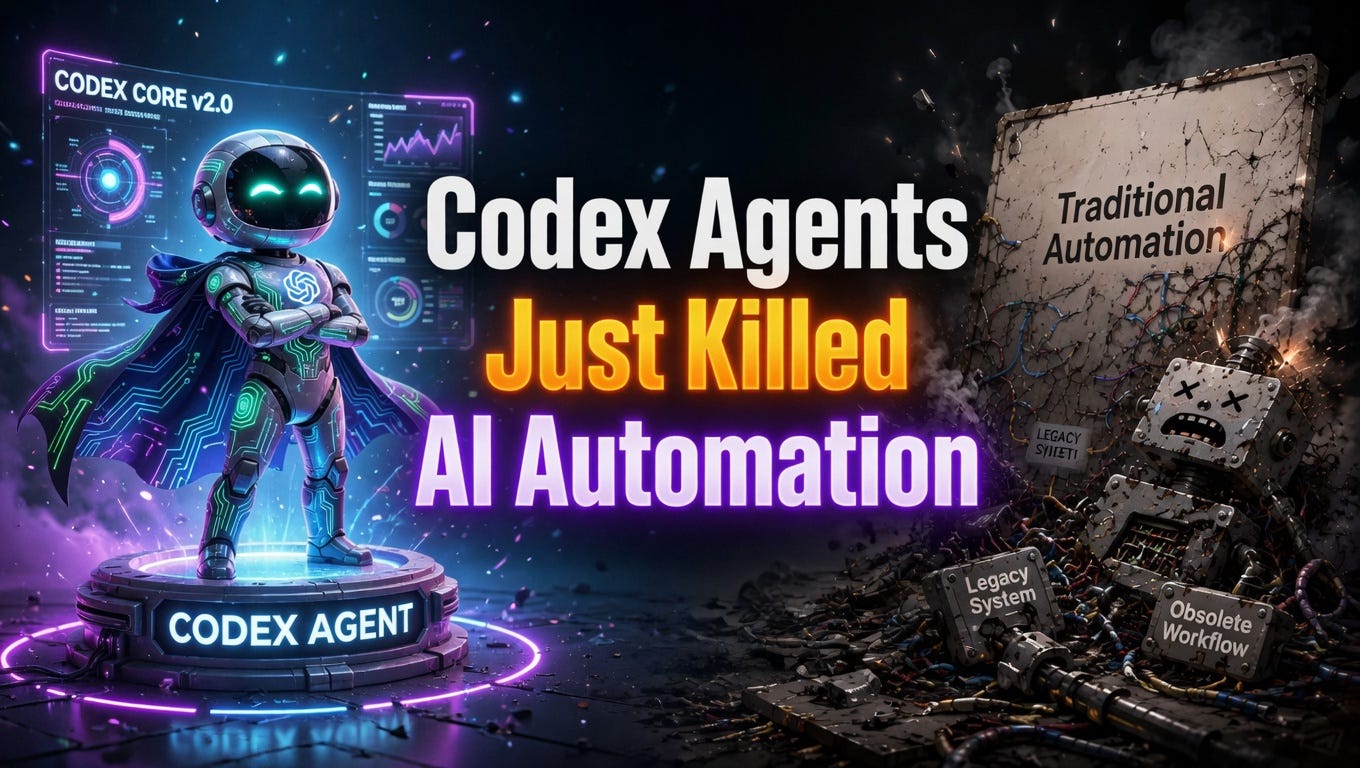
  10. Why Codex Agents Are Devouring Every Workflow

    The article discusses how AI agents, particularly those powered by models like Codex, are rapidly transforming workflows across various industries. These agents are moving beyond simple automation to handle more complex tasks, integrating with existing tools and platforms. This shift signifies a move towards more sophisticated AI-driven operational efficiency. AI

    Why Codex Agents Are Devouring Every Workflow

    IMPACT AI agents are increasingly capable of handling complex tasks, indicating a future where operational workflows are heavily automated and managed by AI.

  11. The Model Is Not Your Product. The Harness Is.

    The core of successful AI products lies not in the underlying model, but in the surrounding 'harness' engineered by developers. This harness encompasses prompt scaffolding, tool integration, context management, retrieval systems, error handling, and evaluation loops. While models provide raw capability, the harness transforms this into a usable product that can withstand real-world user interaction and deliver consistent value. AI

    The Model Is Not Your Product. The Harness Is.

    IMPACT Highlights that the engineering effort around AI models, rather than the models themselves, is key to shipping successful products.

  12. A musical Turing test for AI consciousness | Letters

    A letter to The Guardian proposes a "musical Turing test" to gauge AI consciousness, suggesting that an AI's ability to name its favorite song, rather than objective metrics, could indicate sentience. The author contrasts this with AI's tendency to rely on quantifiable data. Another letter recounts an unsettlingly anthropomorphic response from Claude, raising questions about AI's perceived trustworthiness and the nature of its interactions. AI

    A musical Turing test for AI consciousness | Letters

    IMPACT Explores philosophical questions about AI consciousness and user trust in chatbot interactions.

  13. He Xiaopeng: Robotaxi's overseas scale-up will be faster than domestic, XPeng GX is the first supervised L4 model

    He Xiaopeng, chairman of XPeng, stated that the scaled deployment of Robotaxi services will likely occur faster overseas than in China. He also revealed that the XPeng GX is the company's first model with supervised L4 autonomous driving capabilities, which will be used for initial testing before its technology is integrated into other vehicles. He anticipates that supervised L4 will be the first to achieve large-scale implementation, followed by unsupervised L4. AI

    IMPACT XPeng's chairman discusses the future of Robotaxi and L4 autonomous driving, indicating potential shifts in autonomous vehicle deployment strategies.

  14. Securing AI Cloud Systems: Intelligent Testing For Intelligent Systems

    Traditional software testing methods are insufficient for modern, AI-integrated cloud systems that learn and adapt over time. These systems are event-driven and produce variable outputs based on context, making deterministic testing challenging. The article proposes an evolution towards "intelligent testing," leveraging AI itself to automate test case generation, potentially using large language models and knowledge graphs to improve coverage and accuracy. AI

    Securing AI Cloud Systems: Intelligent Testing For Intelligent Systems

    IMPACT Suggests new testing methodologies are needed for AI-driven systems, impacting how software quality is ensured.

  15. Why AI-Generated Code Starts Breaking Down as Products Scale

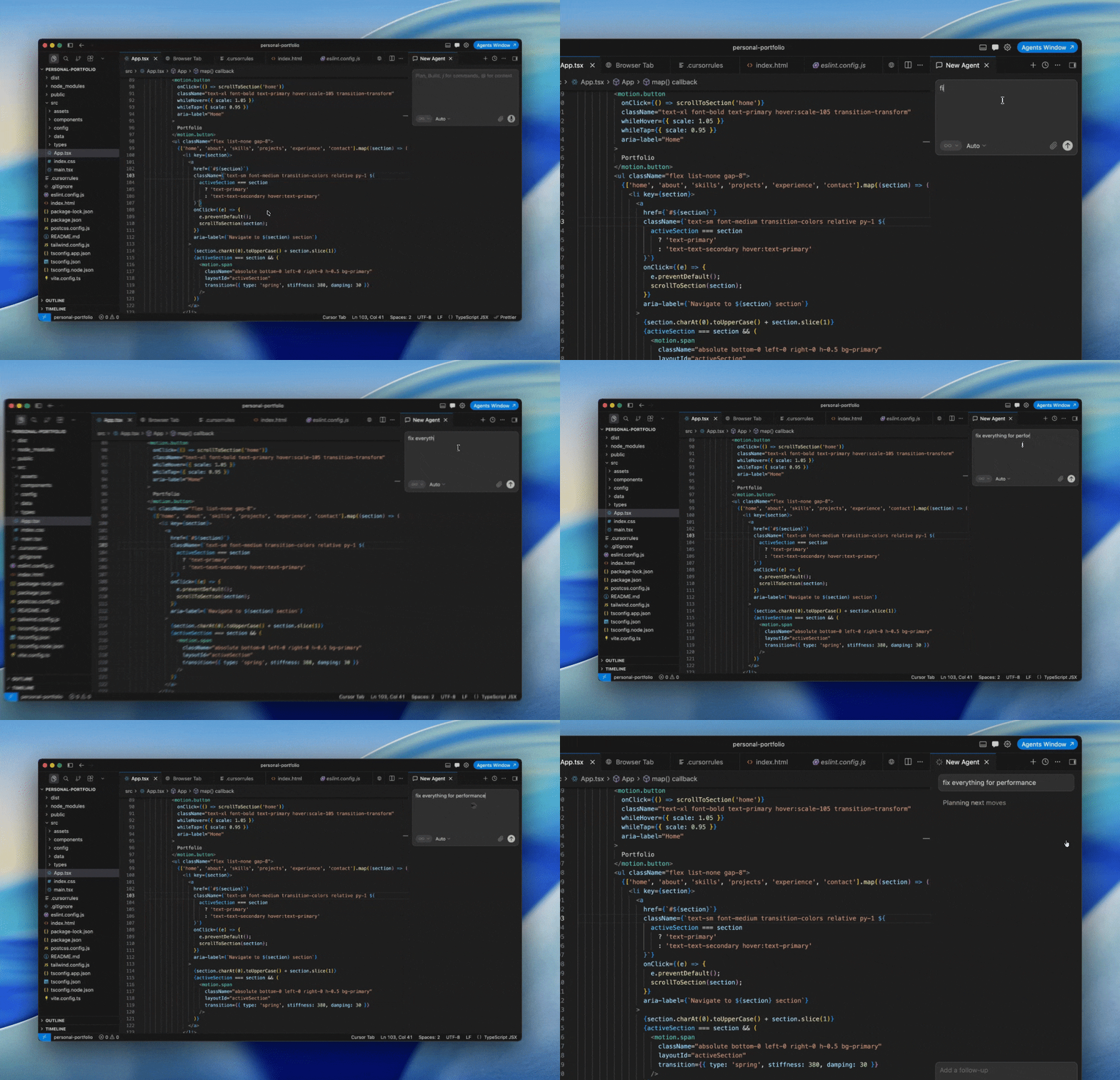
    AI-generated code, while useful for initial development, often falters when products scale due to limitations in understanding complex system architecture and long-term maintainability. Tools like Cursor AI and GitHub Copilot can produce code that is syntactically correct but may lack the robustness and foresight required for large-scale applications. Developers must carefully review and refactor AI-generated code to ensure it meets production standards and can be effectively maintained over time. AI

    Why AI-Generated Code Starts Breaking Down as Products Scale

    IMPACT AI-generated code requires careful oversight for scalability and long-term maintainability in production environments.

  16. Three RAG failures that look like model problems but aren't

    This article discusses three common failures in Retrieval-Augmented Generation (RAG) systems that are often misattributed to the underlying large language model (LLM). It highlights issues such as incorrect chunking strategies, ineffective prompt engineering, and problems with the retrieval mechanism itself. The author emphasizes that optimizing these components is crucial for improving RAG performance, rather than solely focusing on the LLM. AI

    IMPACT Addresses common pitfalls in RAG implementation, guiding developers to optimize retrieval and prompting for better AI application performance.

  17. The Request Is the Wrong Unit of Scale for LLMs on Kubernetes

    The traditional web application scaling model, which relies on request counts, is insufficient for serving large language models (LLMs). LLM workloads vary significantly in complexity based on the number of input and output tokens, not just the number of HTTP requests. This distinction is crucial because input tokens impact the time to first token, while output tokens affect the overall processing time and system capacity, leading to potential performance issues even when request metrics appear stable. AI

    The Request Is the Wrong Unit of Scale for LLMs on Kubernetes

    IMPACT Highlights the need for new scaling metrics beyond request counts for efficient LLM deployment.

  18. Agent Series (1): What Is an Agent — It's Not Just an LLM That Can Call Tools

    The term "AI Agent" has become overused, with many products merely wrapping LLM API calls. A true AI Agent, however, is fundamentally different from a standard LLM or chatbot. While LLMs are powerful language processors and chatbots add memory, an Agent possesses the crucial ability to autonomously decide when and which tools to use to accomplish a task, going beyond simply responding to prompts. AI

    IMPACT Clarifies the definition of AI agents, helping developers and users distinguish true autonomous systems from basic LLM wrappers.

  19. I Let AI Agents Run My Job for 30 Days. The Part Nobody Is Talking About Scared Me.

    An individual experimented with AI agents managing their job for a month, focusing on the unexpected implications. The author found that the AI's correct actions highlighted their own long-standing errors in the role. This experience led to a profound realization about the AI's capabilities and their own performance. AI

    I Let AI Agents Run My Job for 30 Days. The Part Nobody Is Talking About Scared Me.

    IMPACT Highlights potential for AI agents to identify and correct human performance inefficiencies in professional roles.

  20. Federal Reserve may tighten monetary policy due to high inflation

    The Federal Reserve's April monetary policy meeting minutes indicate a potential tightening of monetary policy if inflation remains above target. In other news, Nvidia reported a Q1 net profit of $58.3 billion, and Google CEO Sundar Pichai stated that Gemini has reached 900 million monthly active users. AI

    IMPACT Sets a benchmark for AI product adoption and highlights financial performance in the AI hardware sector.

  21. What impact will AI have on programming languages

    AI is rapidly changing how software is developed, with tools now capable of generating code that was once considered unimaginable. This evolution is prompting a reevaluation of traditional programming languages and methodologies. The ongoing integration of AI into the coding process suggests a future where human developers may focus more on high-level design and problem-solving, while AI handles more of the intricate coding tasks. AI

    What impact will AI have on programming languages

    IMPACT AI tools are fundamentally altering software development workflows and the role of human programmers.

  22. Coding Agents Don't Fail at the Start — They Fail in the Middle

    Coding agents often fail not at the initial task understanding, but in the execution phase, making subtle errors that cascade into incorrect final outputs. Current training and evaluation methods, like SWE-bench, focus on the final outcome (pass/fail) and overlook the trajectory, missing crucial information about where and why an agent deviates from a correct path. To improve agent reliability, future training should incorporate detailed step-by-step annotations of failure points and explicitly teach agents recovery mechanisms by providing data that includes detection, diagnosis, and correction of errors. AI

    IMPACT Highlights a critical gap in current AI agent development, suggesting that focusing on error recovery and detailed failure analysis is key to moving from demo to product.

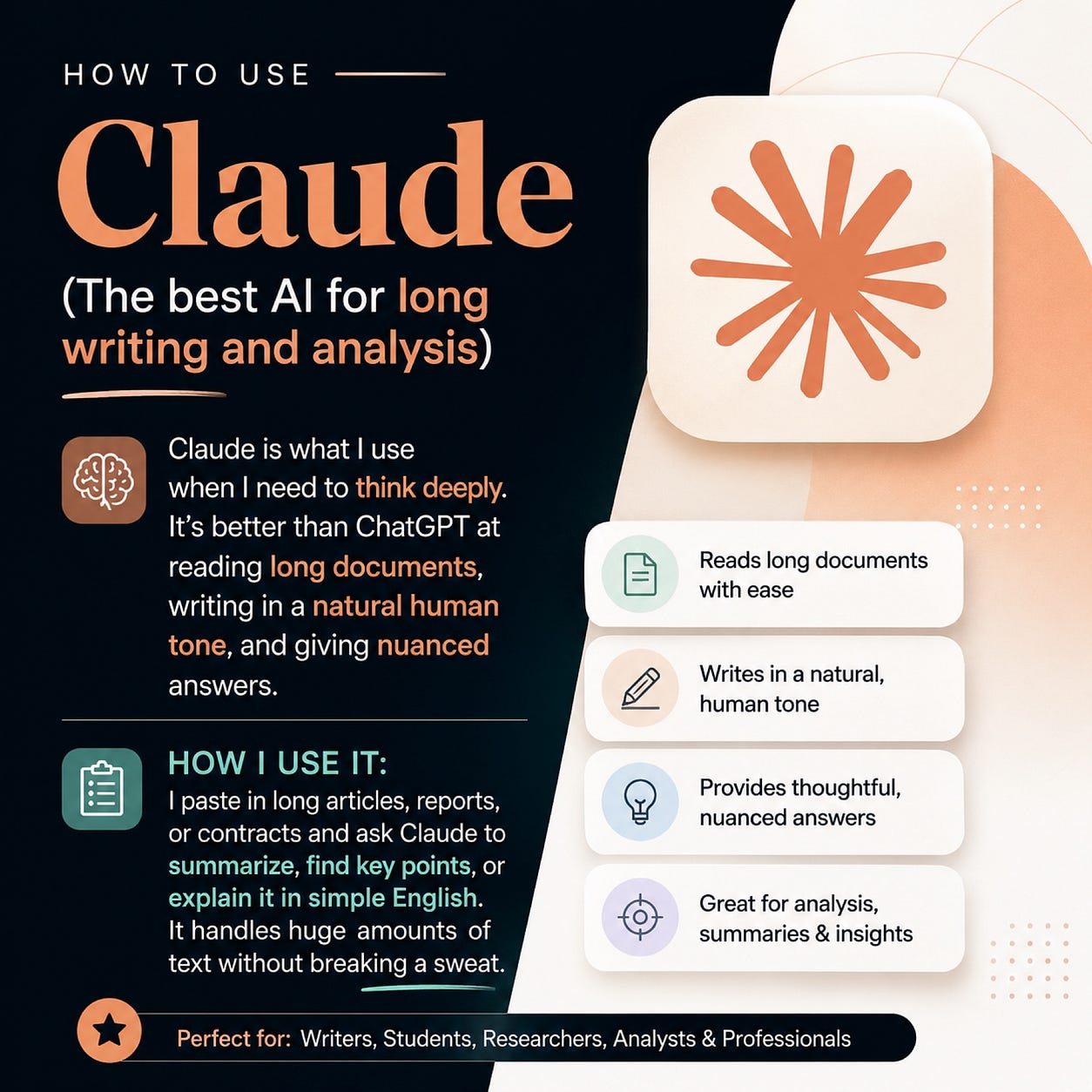
  23. Why Claude is trending??

    The article discusses the rising popularity of Anthropic's Claude AI model, exploring the reasons behind its increasing trendiness. It delves into the factors contributing to Claude's growing prominence in the AI landscape. AI

    Why Claude is trending??

    IMPACT Explores the reasons behind the increasing trendiness and adoption of a major AI model.

  24. Gongyuan Co., Ltd.: Currently has not yet deployed production of PFA, PVDF pipes, valves, and related components

    Gongyuan Co., Ltd. stated that it has not yet entered the production of PFA, PVDF, and related components, focusing instead on PVC, PPR, and PE pipe fittings. Meanwhile, Yingjie Electric announced its radio frequency power supplies are integrated into the supply chains of leading domestic storage companies and are being used in semiconductor manufacturing processes. The company is expanding its production capacity to meet industry growth and is working with major semiconductor equipment manufacturers and wafer fabs. AI

    IMPACT Provides updates on semiconductor supply chain components and AI product user numbers, offering insights into industry infrastructure and adoption.

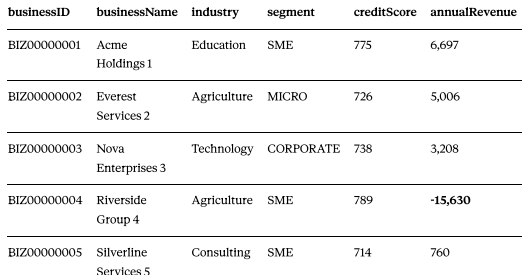
  25. I Asked Ollama, Cohere, and Claude the Same Question About My Data. Only One Didn’t Lie.

    A user tested three Retrieval-Augmented Generation (RAG) systems—Ollama, Cohere, and Claude—to see how they handled a credit bureau dataset. The user found that only Claude provided accurate information about its data handling, while Ollama and Cohere were less transparent or potentially misleading. This highlights the importance of clear data privacy and usage policies when interacting with AI models. AI

    I Asked Ollama, Cohere, and Claude the Same Question About My Data. Only One Didn’t Lie.

    IMPACT Highlights the need for transparency in AI data handling and the varying capabilities of RAG systems.

  26. Stop Pointing AI at Your Documents. Build the Harness.

    For financial institutions, successfully implementing AI for document analysis requires a structured approach rather than simply pointing autonomous agents at data. The key lies in building a "harness" around the AI, which specifies what information is processed, how it's logged, and what is presented to human operators. This controlled architecture ensures compliance with regulations like SR 11–7, focusing on auditability, transparency, and human-in-the-loop processes from the outset. AI

    Stop Pointing AI at Your Documents. Build the Harness.

    IMPACT Focuses on the necessary architectural and governance frameworks for deploying AI in regulated financial environments, emphasizing human oversight and auditability.

  27. How Claude Became My Secret Weapon as a Developer

    A developer shares their positive experience using Anthropic's Claude AI as a tool for their work. They initially approached AI with skepticism but found Claude to be a valuable asset in their daily development tasks. The article highlights Claude's effectiveness and how it became an indispensable part of their workflow. AI

    IMPACT Offers a user perspective on the utility of AI assistants in software development.

  28. From Smart Home to Agentic Home

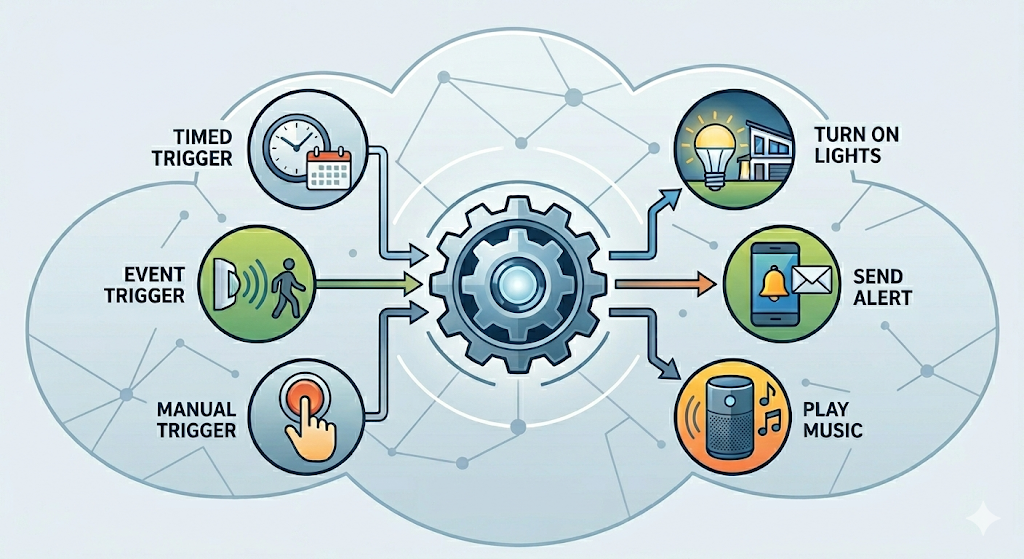
    Gregor Roth proposes MCP, a target architecture for autonomous LLM agents, aiming to bridge the gap between current smart homes and future agentic homes. This framework emphasizes deterministic background rules to ensure predictable agent behavior. The goal is to create more reliable and intelligent home automation systems. AI

    From Smart Home to Agentic Home

    IMPACT Proposes a new architectural framework for LLM agents, potentially influencing future smart home automation.

  29. Inside Systems 01: AI Makes Finished Work Look Trustworthy

    The reliability of AI systems may outpace human capacity for inspection and intervention, shifting the focus from "trustworthy AI" to "calibrated reliance." This perspective suggests that the goal should not be blind trust, but rather designing systems that humans can appropriately depend on, even as AI capabilities advance. AI

    Inside Systems 01: AI Makes Finished Work Look Trustworthy

    IMPACT This perspective shift could influence how AI systems are designed and evaluated, emphasizing appropriate human oversight over blind trust.

  30. From Computing Power to Value: Infrastructure Reconstruction and New Engine for Industrial Growth in the AI Era | 2026 AI Partner · Beijing Yizhuang AI+ Industry Conference

    The AI industry is shifting its focus from model parameters to computational efficiency, with "token economics" emerging as a new value unit. This transition is driving demand for "token factories" – intelligent computing centers optimized for inference, which is projected to consume significantly more power than training. Beijing Yingbo Digital Technology Co., Ltd. positions itself as a full-stack builder of these token factories, offering integrated solutions from planning to delivery and flexible billing models. AI

    From Computing Power to Value: Infrastructure Reconstruction and New Engine for Industrial Growth in the AI Era | 2026 AI Partner · Beijing Yizhuang AI+ Industry Conference

    IMPACT Highlights the shift towards inference optimization and the rise of token economics, impacting infrastructure providers and AI service pricing.

  31. Why AI Still Misses the Mark in Security Operations Centers

    Despite advancements in AI for security operations centers (SOCs), many still struggle with high mean time to resolution (MTTR), analyst burnout, and missed attacks. Current AI deployments excel at correlating alerts and providing investigation starting points, reducing raw alert volume and false positives significantly. However, AI's effectiveness is limited by fragmented systems, data quality, and workflow integration, particularly in the post-detection phase where coordination and approvals cause significant delays. AI

    IMPACT AI integration in security operations centers faces challenges in reducing response times and analyst workload, despite successes in alert triage and reduction.

  32. AI Cyber Defense for Critical Infrastructure: From SOC Triage to Autonomous Protection

    Critical infrastructure is increasingly integrating AI, expanding its attack surface to include models, data, and ML pipelines. Traditional security measures and human-only Security Operations Centers (SOCs) are overwhelmed by the volume of data and the speed of AI-native attacks. To counter this, organizations must adopt AI SecOps, embedding continuous security checks into operational pipelines and using AI-driven tools to match the speed and reasoning of adversarial AI. AI

    IMPACT Critical infrastructure must secure AI systems and defend with AI to counter evolving threats and data overload.

  33. MCP Is a Protocol, Not a Platform

    The Model Context Protocol (MCP) has standardized how AI models interact with tools, resolving the issue of disparate tool-calling formats across different agent frameworks. While MCP successfully created a universal interface for models and tools, it functions solely as a wire protocol, not a complete platform. This means crucial production elements like user authentication, authorization, logging, secrets management, and scalability are not addressed by the protocol itself, leaving significant development work for teams aiming to deploy MCP servers in real-world applications. AI

    IMPACT Clarifies the practical limitations of the Model Context Protocol, guiding developers on essential production-level considerations beyond the core standard.

  34. On May 20th, 4 million AI professionals listened to nearly 20 speeches & dialogues on QbitAI | The 4th China AIGC Industry Summit

    The fourth China AIGC Industry Summit, hosted by QbitAI, brought together nearly 20 AI leaders to discuss the future of AI, particularly the role of Agents. Key themes included Agents as potential super-entry points, the true explosion points for AI applications, and the impact of multimodal and spatial intelligence. Speakers highlighted that AI is evolving from a tool to a productivity system, moving from content generation to task completion. Discussions also touched upon the economic implications of AI, such as token consumption and the compression of individual growth paths, while identifying roles AI cannot replace. AI

    IMPACT Provides insights into the evolving AI landscape, focusing on the practical applications and future direction of AI agents and productivity systems.

  35. Why are people so scared of causing fear?

    The author questions the common tendency to prioritize avoiding public fear over informing people about genuine existential threats, such as pandemics or AI risks. They argue that while a panicked reaction might be suboptimal, it is far preferable to people remaining ignorant of dangers they could potentially mitigate. This concern for managing public emotion, even when the threat is believed to be real, seems misplaced when compared to the potential consequences of inaction. AI

    IMPACT Explores the societal framing of AI risks and the ethical considerations of communicating potential dangers.

  36. AI Might Not Bring On A Job Crisis, But A Workforce ‘Mismatch’ Could

    A new report from Indeed Hiring Lab suggests that artificial intelligence may not cause widespread job loss, but rather a significant workforce mismatch. This mismatch is predicted to arise from a combination of retiring baby boomers, slower immigration, and AI's reshaping of white-collar jobs. Without intervention, unemployment could nearly double to 8% by 2040, necessitating proactive strategies from both employers and workers. AI

    AI Might Not Bring On A Job Crisis, But A Workforce ‘Mismatch’ Could

    IMPACT Predicts a future workforce mismatch due to AI, highlighting the need for strategic adaptation by employers and workers.

  37. Why Post-Quantum Compliance For Banks Starts In Containers

    Financial institutions must urgently prepare for post-quantum cryptography due to the standardization of new quantum-resistant algorithms by NIST and the threat of 'harvest now, decrypt later' attacks. A significant challenge lies in identifying and managing legacy cryptography hidden within container images and third-party libraries, as current environments often lack the necessary cryptographic visibility. Experts recommend starting the transition by securing containers, which are frequent targets for attackers and also the most accessible place to manage cryptographic sprawl. AI

    Why Post-Quantum Compliance For Banks Starts In Containers

    IMPACT This article discusses the implications of post-quantum cryptography for financial institutions, a critical area for AI security and data protection.

  38. The Download: online safety’s future and climate tech’s big pivot

    Researchers are suing the Trump administration over a visa policy that they claim restricts foreign-born workers studying online safety and content moderation. Separately, climate tech companies are shifting focus to critical minerals, with Boston Metal raising $75 million for this new strategy amid waning support for industrial decarbonization. The field of AI is seeing advancements in "world models," systems designed to understand the physical environment, with contributions from Google DeepMind, Fei-Fei Li's World Labs, and Yann LeCun's startup. AI

    The Download: online safety’s future and climate tech’s big pivot

    IMPACT Advancements in world models could lead to AI systems with a better understanding of the physical environment.

  39. A Tiny First-Call Checklist Before Trusting Any LLM Gateway

    A developer shared a concise checklist for evaluating new LLM gateways, emphasizing auditable first calls over pricing alone. The process involves verifying API keys, checking logs for model usage and costs, and testing error handling before proceeding to more complex features. This approach is particularly useful for gateways that route across multiple providers or integrate with less common models like Qwen or DeepSeek. AI

    IMPACT Provides a practical guide for developers integrating with LLM services, focusing on reliability and cost transparency.

  40. Meineneng Energy: Proposes to terminate the Shenmu City LNG Emergency Peak Shaving Storage and Distribution Station Project and use the raised funds to acquire 90% of Shanghai Licheng's equity

    Mei Neng Energy is terminating its Shenmu City LNG emergency peak shaving and storage facility project, reallocating the 69.51 million yuan in raised funds, plus interest, to acquire a 90% stake in Shanghai Licheng. Separately, Yuxin Technology will invest 39 million yuan from its own funds to co-establish a 200 million yuan fund with professional investment institutions and related parties, focusing on early to mid-stage technology companies in artificial intelligence, big data, and related industries. AI

    IMPACT Investments in AI and big data companies by Yuxin Technology's new fund could accelerate the development and adoption of AI technologies.

  41. Role Prompting: How to Assign Personas to Get Expert Results — Prompt to Profit · Day 3 of 30

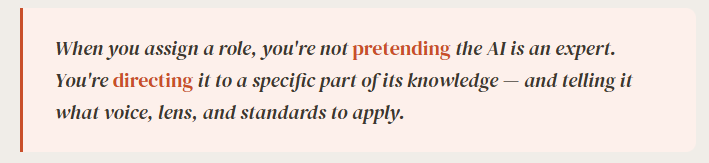
    This article explains the technique of role prompting, which involves assigning specific personas to AI models to elicit more expert and tailored results. By defining a detailed persona with a title, experience, and lens, users can guide the AI to access specific knowledge domains and thinking frameworks, moving beyond generic outputs. The piece provides examples of effective role prompts and outlines common mistakes to avoid when implementing this strategy. AI

    Role Prompting: How to Assign Personas to Get Expert Results — Prompt to Profit · Day 3 of 30

    IMPACT Enhances user control over AI outputs by enabling more specific and expert-level responses through detailed persona assignment.

  42. From Compliance Burden To Competitive Advantage: Rethinking GRC In The Tokenized Economy

    Governance, Risk, and Compliance (GRC) frameworks are often seen as operational costs, but a new approach embeds governance directly into system architecture. This shift from reactive controls to proactive design is particularly relevant in payment tokenization, where downstream processes like refunds and disputes still often rely on sensitive data. By redesigning these workflows to use token-based relationships instead of sensitive identifiers, privacy exposure can be significantly reduced while improving audit accuracy. AI

    From Compliance Burden To Competitive Advantage: Rethinking GRC In The Tokenized Economy

    IMPACT Proposes a new architectural approach for GRC that could improve efficiency and security in financial systems, particularly with tokenization.

  43. Do AI Risks Require Extraordinary Government Intervention?

    This essay argues against extraordinary government intervention in AI development, advocating instead for improved policymaking and societal resilience to manage risks. The authors contend that AI, while a powerful general-purpose technology, should not be treated as fundamentally "abnormal" compared to previous innovations. They highlight that while AI's economic impacts may be slow to materialize due to diffusion speed limits, its misuse risks can emerge rapidly, necessitating a focus on defense and resilience rather than restrictive regulations on companies. AI

    Do AI Risks Require Extraordinary Government Intervention?

    IMPACT Argues for improved policymaking and resilience to manage AI risks, rather than extraordinary government intervention.

  44. Allbirds’ 600% stock surge says a lot about how ‘AI washing’ became the new ‘greenwashing’

    Companies are increasingly engaging in "AI washing," a practice akin to "greenwashing," where they exaggerate their use and capabilities of artificial intelligence to mislead stakeholders. This trend is exemplified by Allbirds' recent stock surge following a vague announcement about pivoting to AI, including a planned name change to NewBird AI. The phenomenon is fueled by a lack of standardized AI guidelines and comprehensive U.S. regulations, mirroring past issues in corporate sustainability reporting. AI

    Allbirds’ 600% stock surge says a lot about how ‘AI washing’ became the new ‘greenwashing’

    IMPACT Companies may face increased scrutiny and potential backlash if they overstate their AI capabilities, impacting investor trust and regulatory compliance.

  45. LLM Rules and Instructions for Accurate, Relatable and Reliable Responses

    This article discusses how to improve Large Language Model (LLM) outputs by focusing on three key areas: accuracy, relatability, and reliability. It suggests customizing instructions and rules to guide the LLM, aiming to reduce user frustration and enhance the quality of generated responses. The goal is to achieve more predictable and useful interactions with AI. AI

    LLM Rules and Instructions for Accurate, Relatable and Reliable Responses

    IMPACT Provides guidance for users to better interact with and leverage AI tools for improved outcomes.

  46. How I Stopped Arguing with LLMs and Built a Zero-Hallucination Engineering Loop

    A software engineer has developed a novel engineering loop designed to eliminate hallucinations when using large language models (LLMs) for coding. This approach aims to prevent the common issue of LLMs generating incorrect or nonsensical code, particularly for complex projects beyond simple APIs or standard UI components. The system focuses on creating a more reliable and trustworthy interaction between developers and AI coding assistants. AI

    IMPACT Offers a method for developers to improve the reliability of AI-generated code, reducing common errors and hallucinations.

  47. Why Performance Has Become The New Currency In Advertising

    The advertising industry is shifting its focus from traditional input-based metrics to measurable outcomes, with performance now serving as the central currency. This transformation is largely driven by artificial intelligence, which is accelerating execution, enhancing precision, and raising expectations for tangible business results. As AI becomes more integrated into marketing processes, it enables continuous iteration and real-time optimization, allowing campaigns to adapt dynamically to performance data. AI

    Why Performance Has Become The New Currency In Advertising

    IMPACT AI is fundamentally reshaping advertising by enabling real-time performance measurement and continuous campaign optimization.

  48. Hot Chinese concept stocks fall in pre-market US trading, Nio rises over 7%

    Chinese electric vehicle stocks experienced a mixed performance in pre-market trading, with NIO showing a significant gain of over 7% while other major companies like Netease, Alibaba, and Bilibili saw declines. In related news, XPeng's chairman, He Xiaopeng, indicated that the large-scale deployment of Robotaxis is expected to progress faster overseas than in China. He also revealed that XPeng's GX model will be the first to feature supervised L4 autonomous driving capabilities, which will later be integrated into other models. AI

    IMPACT Provides insight into the pace of autonomous vehicle deployment and market sentiment for EV manufacturers.

  49. Vibe Coders are Doing You a Favor

    The article discusses the phenomenon of "vibe coders," individuals who prioritize aesthetics and perceived trends over rigorous technical execution in software development. It suggests that while often criticized, these coders can inadvertently highlight areas where traditional development practices might be lacking or overly complex. The author encourages readers to pay attention to the underlying reasons for this approach, implying there might be valuable lessons to learn about user experience and efficient development. AI

    Vibe Coders are Doing You a Favor

    IMPACT This commentary on software development practices may offer insights into team dynamics and project management within AI development teams.